
Trying to figure out where money “should” go can feel confusing when every expense feels urgent and every tip sounds absolute.
This guide explains the 50 30 20 budget breakdown in a balanced way, so you can use it as a helpful structure without treating it like a rigid rule.
50 30 20 budget breakdown: the idea in plain English
The 50 30 20 budget breakdown is a simple guideline that suggests splitting your take-home income into three broad buckets, so decisions become easier when you are new to budgeting.
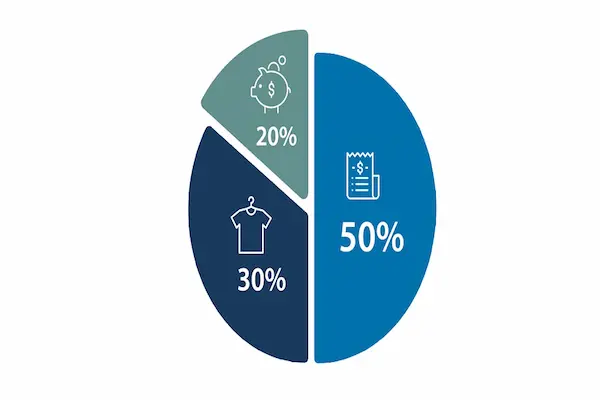
Under this approach, about 50% of your income goes to needs, about 30% goes to wants, and about 20% goes to saving and debt payoff, which creates a basic income allocation without requiring dozens of categories.
Because the numbers are round and memorable, the method can reduce overwhelm for someone building a beginner money plan for the first time.
Rather than telling you what you must spend on groceries or entertainment, the guideline encourages you to think in priorities, trade-offs, and boundaries that protect essentials first.
Flexibility matters from the beginning, because real life includes different incomes, different locations, different family responsibilities, and different costs that may push you away from the exact percentages.
What the “income” number should be for the fifty thirty twenty rule
Most people apply the fifty thirty twenty rule using take-home pay, meaning the money that lands in your account after taxes and typical payroll deductions.
Choosing take-home pay usually keeps the math realistic, because you are budgeting the money you can actually spend rather than money that disappears before you see it.
When benefits or retirement contributions are already taken out of your paycheck, those amounts may already count toward the “20%” goal in spirit, which is why clarity about your pay stub can prevent double-counting.
If income changes month to month, a conservative baseline often works better than an optimistic average, because a plan that survives a lower-income month is usually easier to maintain long term.
Why percentages can feel easier than a detailed budget at first
Percentages give you guardrails, and guardrails can be calming when you are learning how needs and wants show up in your day-to-day spending.
With only three buckets, you can focus on awareness and habit-building, which is often more valuable for beginners than perfect precision.
As you gain confidence, the same structure can be expanded into more categories, so you keep the simplicity while adding detail where it genuinely helps.
50 30 20 budget breakdown explained: the 50% needs bucket
The “50% needs” bucket is meant to cover the costs you must pay to keep your life stable, safe, and functional, even when you would rather spend the money elsewhere.
Housing often takes the biggest share of needs, which is why location, roommates, and timing can make this bucket easier or harder depending on your situation.
Food at home counts as a need, while convenience upgrades like frequent delivery usually drift toward wants, which shows why the line between categories can be practical rather than moral.
Transportation can be a need when it gets you to work or school, yet the “extras” within transportation can still be wants, such as premium features, frequent rideshares, or an expensive upgrade you do not truly require.
Insurance and basic healthcare costs usually belong in needs, because one unexpected problem can become far more expensive when you ignore protection entirely.
Needs category checklist you can use immediately
- Rent or mortgage payments usually belong in needs, because housing is foundational and missing payments can create serious consequences quickly.
- Basic utilities like electricity, water, gas, and trash service are typically needs, since daily life becomes difficult and sometimes unsafe without them.
- Groceries and household essentials fit into needs, because eating at home is the baseline that supports health and stability.
- Transportation required for work or school is generally a need, whether that means fuel, public transit passes, or essential car maintenance.
- Minimum debt payments belong in needs for most budgets, because missing minimums can trigger fees, credit damage, and escalating stress.
- Basic insurance costs are usually needs, since they reduce the risk of a financial disaster that could undo months of progress.
- Essential phone and internet access can be needs for many people, especially when they are required for work schedules, job searching, or school access.
How to keep “needs” honest without making them feel harsh
Calling something a need does not mean you must choose the cheapest possible option, because the goal is sustainability and not a constant feeling of deprivation.
At the same time, labeling every comfort as a need can quietly break the framework, because it removes the boundaries that make the 50 30 20 budget breakdown useful.
A helpful approach is to ask whether you could keep paying the expense during a stressful month without borrowing, because that question tends to reveal whether the cost is essential or optional.
Another practical test is to imagine pausing the expense for one month, because a true need usually creates serious problems while a want usually creates inconvenience.
Ways to lower the needs bucket when it is too high
- Start by reviewing housing options over time, because even small changes like renewing at a different time of year or adding a roommate can shift the entire budget.
- Compare utility providers or plans where possible, since recurring bills often hide opportunities for savings without changing your lifestyle dramatically.
- Check subscriptions that are bundled into “needs,” because streaming, premium data plans, and add-ons sometimes sneak into the essentials category.
- Plan grocery spending with a simple routine, because repeating a basic meal plan can lower costs without requiring you to track every ingredient obsessively.
- Look at transportation patterns, because consolidating errands and using alternatives occasionally can reduce fuel or rideshare spending while keeping life workable.
50 30 20 budget breakdown explained: the 30% wants bucket
The “30% wants” bucket covers the spending that makes life enjoyable, comfortable, and social, while still staying inside a boundary that protects your future goals.
Wants are not “bad,” because a budget that removes all joy often collapses, especially for beginners who are building a new relationship with money.
Entertainment, dining out, hobbies, travel, upgrades, and convenience spending often belong here, although each person’s categories will reflect their values and lifestyle.
Because wants are flexible, this bucket is usually the easiest place to adjust when your needs rise or when you decide to prioritize faster saving and debt payoff.
How to separate needs and wants without getting stuck
Many expenses have a “needs” core and a “wants” upgrade, so you can split them mentally even if you do not split them perfectly in your tracking.
Internet access might be a need, while the fastest plan with extra features might be a want, which helps you make trade-offs without feeling like you are failing.
Food is a need, while frequent restaurant meals are usually a want, which is why beginner budgeting often improves when you plan some meals out and keep the rest simple at home.
Clothing can be a need when replacing basics, while frequent shopping for variety is typically a want, which makes the category easier to manage with a monthly cap.
A values-based filter for the wants bucket
Values-based spending means choosing wants that you genuinely enjoy, because “mindless” wants are usually the purchases that create regret without adding much happiness.
Instead of trying to eliminate wants, a calmer strategy is to pick a few high-value wants and reduce the low-value ones, because that keeps the budget realistic and still supportive of your life.
Clarity comes from asking what you would keep even in a lean month, because those wants often align with your real priorities.
Wants category ideas that fit the fifty thirty twenty rule
- Dining out and delivery often fit into wants, because they are usually convenience upgrades rather than essential nutrition.
- Streaming services, games, and other entertainment subscriptions typically belong in wants, since they are optional comforts even when they feel routine.
- Hobbies and activities can be wants, yet they can also be mental-health supports, which is why budgeting them intentionally can be healthier than pretending they will not happen.
- Travel, weekend trips, and events are often wants, because they are optional experiences that still deserve planning when they matter to you.
- Shopping upgrades like brand-name preferences or frequent wardrobe refreshes usually sit in wants, because the baseline need can often be met with less.
- Convenience spending such as rideshares when public transit is available often belongs in wants, because the need is transportation while the upgrade is speed and comfort.
50 30 20 budget breakdown explained: the 20% savings and debt bucket
The “20%” bucket is where your future starts to feel safer, because it includes saving, investing, and extra debt payments beyond minimums.
Saving is not only about big goals, because even a small buffer can prevent overdrafts and reduce the stress that often causes impulsive spending.
Debt payoff can fit inside the 20% bucket, especially when you are making payments above the minimums to reduce interest and shorten the payoff timeline.
For some people, retirement contributions or employer-matched savings may already count toward this bucket, which is why knowing your payroll deductions can make the plan more accurate.
How to decide between saving and paying down debt
Balancing saving and debt payoff is personal, because interest rates, emergency needs, and emotional stress levels vary widely.
Many beginners benefit from building a small emergency buffer first, because a tiny cushion can prevent new debt when unexpected expenses appear.
High-interest debt can be a priority after that starter buffer, because the cost of interest can keep you stuck even when you are trying hard.
Long-term saving matters too, yet it often feels easier once short-term emergencies are less likely to derail the month.
Simple ways to structure the 20% bucket
- A starter emergency fund contribution can be part of the 20%, because it reduces the chance that small problems become financial emergencies.
- Extra debt payments above the minimum can be part of the 20%, because they move you toward freedom faster and can reduce the mental weight of debt.
- Retirement contributions can count toward the 20%, especially when they are consistent and aligned with your long-term goals.
- Sinking funds for irregular expenses can sit inside the 20% or alongside it, because preparing for predictable “surprises” prevents chaos later.
A beginner-friendly emergency fund goal that feels achievable
A common starting goal is one small month of essentials, because that amount can cover a basic problem without requiring perfection or a huge income.
Three to six months of expenses is a bigger long-term idea, yet beginners often do better when they start with a smaller target that builds momentum.
Consistency matters more than the first month’s amount, because a habit of saving even modestly is what creates change over time.
How to use the 50 30 20 budget breakdown step by step
Applying the guideline becomes easier when you treat it like a process, because a process gives you clear next actions instead of vague intentions.
- Calculate your monthly take-home income using a realistic baseline, because the entire income allocation depends on using a number you can count on.
- Multiply that income by 0.50, 0.30, and 0.20, because those three results become your starting caps for needs, wants, and savings or debt.
- List your essential bills and minimum payments, because you need to see whether your needs bucket is already close to the 50% limit.
- Estimate the flexible needs like groceries and transportation, because those costs often swing month to month and can quietly push needs higher.
- Add your usual wants spending, because a beginner money plan that ignores real-life fun usually fails in the second week.
- Decide what your 20% will do first, because a clear purpose for saving and debt payoff makes the category feel motivating rather than abstract.
- Adjust the percentages if reality demands it, because the guideline is a tool and not a test of your self-worth.
After those steps, you will have a working structure, and a working structure is often the difference between “I should budget” and “I actually budgeted.”
A quick method for tracking without getting overwhelmed
Tracking can stay simple when you only track three buckets at first, because the goal is awareness and consistency rather than perfect classification.
Weekly check-ins work well for many beginners, because you can course-correct before the month ends and the numbers feel scary.
Notes are useful when spending is emotional, because understanding why you spent often matters more than judging how you spent.
Sample budgets at different incomes using income allocation
Examples help you see the math in real numbers, because percentages can feel abstract until you translate them into dollar amounts.
Each sample below uses monthly take-home income for simplicity, and the numbers are meant to show structure rather than prescribe how your life must look.
Sample 1: $2,500 monthly take-home using the fifty thirty twenty rule
This lower-income example often requires flexibility, because essentials can easily exceed 50% depending on housing costs and healthcare needs.
| Bucket | Percent | Monthly Amount |
|---|---|---|
| Needs | 50% | $1,250 |
| Wants | 30% | $750 |
| Savings / Debt | 20% | $500 |
- Housing may need to be managed carefully in this scenario, because even a modest rent can quickly consume the entire needs bucket in many areas.
- Transportation and groceries benefit from weekly caps here, because small overspends add up faster when the margin is thin.
- Savings or debt payoff may start smaller than 20% if essentials are high, because stability is still the priority when income is tight.
Sample 2: $4,000 monthly take-home with a clearer 50 30 20 budget breakdown
This middle-income example often fits the guideline more easily, because the needs bucket can cover essentials without swallowing the entire plan.
| Bucket | Percent | Monthly Amount |
|---|---|---|
| Needs | 50% | $2,000 |
| Wants | 30% | $1,200 |
| Savings / Debt | 20% | $800 |
- Room exists to build a meaningful emergency fund, because $800 a month can create a cushion quickly when kept consistent.
- Debt payoff can accelerate without starving your lifestyle, because wants still have room for social life and small comforts.
- Planning irregular expenses becomes easier, because a portion of the 20% can be assigned to sinking funds without derailing other goals.
Sample 3: $6,500 monthly take-home and how lifestyle inflation can affect needs and wants
Higher income can make the percentages easier to hit, yet it can also tempt lifestyle upgrades that quietly push needs and wants upward.
| Bucket | Percent | Monthly Amount |
|---|---|---|
| Needs | 50% | $3,250 |
| Wants | 30% | $1,950 |
| Savings / Debt | 20% | $1,300 |
- Using the 20% bucket intentionally can be powerful here, because consistent investing or debt payoff can create long-term stability faster.
- Keeping needs from expanding unnecessarily can protect your flexibility, because higher fixed costs reduce your ability to adjust during stressful months.
- Choosing wants based on values helps prevent regret, because more money can still disappear quickly when spending becomes automatic.
Sample 4: variable income and a safer way to adapt the guideline
Variable income works better with a “minimum month” baseline, because planning around your lower months reduces panic when income dips.
One approach is to calculate your lowest reasonable monthly take-home, allocate percentages from that number, and then assign any extra income to priorities like debt payoff, savings, or upcoming irregular expenses.
- Pick a conservative baseline, because a budget that survives a slow month prevents the cycle of starting over repeatedly.
- Use the baseline to fund true needs first, because stability is the foundation of every other financial goal.
- Set a modest wants number that still supports motivation, because cutting all enjoyment often causes a rebound spending pattern.
- Send “extra month” income toward the 20% bucket or sinking funds, because irregular income becomes easier when you treat windfalls as planned progress.
When the 50 30 20 budget breakdown can help the most
This guideline shines when you want a clear starting point, because a beginner money plan often needs structure before it needs complexity.
- Beginners benefit from three buckets, because focusing on needs and wants reduces confusion while building the habit of paying attention.
- Stable income pairs well with the method, because consistent pay makes percentage-based planning easier to predict and maintain.
- People who overspend without noticing often improve quickly, because the wants bucket creates a visible boundary without demanding perfection.
- Anyone who feels overwhelmed by detailed spreadsheets can use the guideline as a bridge, because it creates clarity first and detail later.
- Households with moderate fixed costs can follow it more closely, because needs staying near 50% allows room for wants and saving.
Why the method can build confidence fast
Confidence grows when you can explain your plan in one sentence, because simple plans are easier to follow during busy weeks.
Consistency becomes more likely when the system feels forgiving, because forgiveness keeps you engaged long enough to learn.
Momentum can build as soon as you see the 20% bucket working, because progress toward saving or debt payoff is motivating when it is visible.
When the fifty thirty twenty rule needs adjusting
Many people cannot match the exact percentages immediately, and that reality does not mean you are doing something wrong or that you lack discipline.
Local housing costs, healthcare expenses, childcare, and debt payments can push needs above 50%, which is why transparency about limits is essential.
Lower incomes can make the guideline harder, because essentials have a minimum cost that does not shrink simply because income is smaller.
High-debt seasons can require a different split, because short-term intensity on payoff can create long-term relief when done thoughtfully.
If housing alone pushes the needs bucket above 50%
Housing is often the reason budgets feel impossible, because rent or mortgage costs can rise faster than income in many places.
In that situation, the guideline can still help by showing the trade-off clearly, because higher needs typically reduce wants first and may reduce saving temporarily.
- A temporary split like 60 20 20 can be realistic, because it acknowledges high needs while still protecting saving or debt payoff.
- A tighter split like 70 20 10 may be necessary short term, because survival seasons sometimes require more essentials and less flexibility.
- A creative split like 55 25 20 can work for some people, because small adjustments can preserve motivation while staying grounded in reality.
If debt payoff is your main priority right now
Debt-heavy seasons sometimes benefit from reducing wants and increasing the 20% bucket, because extra payments can shorten the stressful period.
A split like 50 20 30 can be useful when wants spending is high and debt is urgent, because it keeps needs stable while directing more income allocation to payoff.
Burnout is still a risk, because removing all fun often backfires, so a smaller wants bucket should still include a few meaningful comforts.
If income is irregular or unpredictable
Irregular income needs a more cautious approach, because a strict percentage applied to a high month can create commitments you cannot afford in a low month.
Planning around a baseline and treating extra income as bonus progress can stabilize the system, because your needs remain covered even when pay drops.
Building a larger buffer can be wise here, because a stronger emergency fund reduces stress and makes the rest of budgeting easier.
If you support family, pay childcare, or face medical costs
Family support and health expenses are real, and pretending they should fit neatly into a percentage can create unnecessary guilt.
In those cases, the rule can still guide priorities, because you can protect core needs and then choose a realistic wants number that keeps life livable.
Tracking “needs within needs” can help, because separating truly essential costs from flexible essentials can reveal small options for relief.
Common mistakes with the 50 30 20 budget breakdown and how to fix them
Most budgeting mistakes are normal learning moments, because money habits were built over years and cannot be rewritten in a single weekend.
- Counting pre-tax income instead of take-home pay can break the plan, because you may accidentally budget money you never actually receive.
- Calling every comfort a need can blur boundaries, because the method relies on a real separation between essentials and optional upgrades.
- Forgetting irregular expenses can create “mystery overspending,” because annual fees and seasonal costs still happen even if they are not monthly.
- Trying to hit perfect percentages immediately can cause frustration, because the guideline is most useful as a direction rather than a strict scoreboard.
- Cutting wants to zero can trigger rebound spending, because motivation tends to collapse when life feels joyless and overly restrictive.
- Ignoring tracking entirely can make the system symbolic, because a plan only helps when you periodically compare it to reality.
Small fixes that create big improvements
- Switching to weekly check-ins can prevent end-of-month surprises, because small course corrections are easier than major rescues.
- Adding one “buffer” line can reduce stress, because life includes small unexpected costs that do not deserve a full crisis response.
- Using a simple notes column can reveal patterns, because your reasons for spending often matter more than the exact merchant name.
- Choosing two or three high-value wants can keep the plan enjoyable, because enjoyment supports consistency and consistency supports progress.
A beginner money plan routine that keeps the guideline practical
Routines make budgeting easier, because a repeated process reduces the mental effort required to stay consistent.
Short check-ins work better than marathon sessions, because beginners often avoid budgeting when it feels like a long emotional event.
A weekly routine that fits real life
- Review your three buckets and compare what you planned to what you spent, because awareness is the first step toward better decisions.
- Check upcoming bills and due dates, because timing mistakes can cause fees even when your totals are fine.
- Decide one adjustment for the next week, because one small decision is more sustainable than trying to “fix everything” at once.
A monthly routine that improves accuracy over time
- At month-end, record what your actual needs and wants percentages turned out to be, because your real ratios teach you more than your guesses.
- Update next month’s plan using those actual numbers, because budgeting works best when it is based on reality rather than hope.
- Choose one improvement target, because focusing on one lever prevents overwhelm and makes progress easier to notice.
Tracking tips that keep it simple and sustainable
- Tracking three buckets instead of many categories can be enough at first, because the goal is behavior change and not accounting perfection.
- Grouping small purchases into a single “wants” total can reduce friction, because too much detail often leads to quitting.
- Checking spending on the same day each week can build habit, because repetition turns budgeting into a normal routine instead of a stressful task.
- Writing one sentence about what caused an overspend can improve next month, because patterns become easier to manage when they are named calmly.
Needs and wants: category examples you can copy into your budget
Clear category examples reduce confusion, because “needs and wants” can feel vague until you see real-life examples.
Needs examples that usually fit the 50% bucket
- Housing payments and basic housing-related fees tend to be needs, because stable shelter protects nearly every other part of your life.
- Core utilities and basic home services are needs, because the baseline functioning of a household depends on them.
- Groceries and household essentials are needs, because you need food and basic supplies even when money is tight.
- Transportation required for obligations is a need, because showing up consistently often depends on it.
- Minimum debt payments are often treated as needs, because avoiding late fees and credit damage is part of stability.
- Basic insurance and essential healthcare spending typically belong in needs, because the financial consequences of skipping protection can be severe.
Wants examples that usually fit the 30% bucket
- Restaurants, cafés, and delivery are usually wants, because the essential part of food can be met through groceries and simple meals.
- Entertainment and subscriptions are wants, because they are optional comforts that can be adjusted if money gets tight.
- Hobbies, events, and social activities are wants, because they enrich life and deserve planning without pretending they are mandatory.
- Upgrades to services, devices, or plans are typically wants, because the baseline need is often met with a lower-cost option.
- Convenience purchases often fall in wants, because saving time can be valuable yet still optional depending on the season of life.
Savings and debt examples that fit the 20% bucket
- Emergency fund deposits count here, because a buffer turns surprises into manageable moments rather than crises.
- Retirement contributions can fit here, because long-term stability is part of responsible income allocation.
- Extra debt payments belong here, because reducing principal and interest can free up future cash flow.
- Sinking funds can be included here, because preparing for predictable irregular costs prevents monthly chaos.
How to personalize the 50 30 20 budget breakdown without losing the point
Personalization is necessary, because the guideline is meant to serve your life rather than force your life to serve the guideline.
Keeping the spirit of the rule means protecting essentials, allowing reasonable enjoyment, and building future stability, even when the exact numbers shift.
Questions that help you choose a realistic split
- Which expenses are truly fixed for the next three to six months, because fixed costs define how much flexibility you actually have.
- Which wants keep you motivated and mentally healthy, because budgets last longer when they respect real human needs for rest and connection.
- What financial stress is most urgent, because urgency can justify a temporary change in percentages that you revisit later.
- What “success” looks like for this season, because a beginner money plan should support your current priorities rather than someone else’s ideal.
Simple alternative splits and when they can make sense
- A 60 20 20 split can help when essentials are high, because it acknowledges reality while still protecting saving or debt payoff.
- A 55 25 20 split can feel balanced when needs are slightly elevated, because the wants bucket stays meaningful without being excessive.
- A 50 25 25 split can support faster progress, because increasing the 20% bucket can accelerate debt payoff or saving goals.
- A 50 20 30 split can fit debt payoff seasons, because a smaller wants bucket can free money for faster financial relief.
- A 70 20 10 split may be a survival bridge, because sometimes the priority is covering essentials while preserving a small cushion and avoiding burnout.
Mini case studies: how the guideline can feel in real life
Seeing scenarios can make the concept stick, because you can recognize yourself in the patterns even when your numbers differ.
Scenario A: a beginner who overspends on wants without noticing
In this case, the 30% wants cap can create instant clarity, because it reveals whether dining out, rideshares, and subscriptions are quietly consuming money meant for saving.
Progress often comes from choosing a few favorite wants and trimming the rest, because selective cutting feels less painful than trying to “be perfect.”
Scenario B: a beginner whose needs are too high due to rent
Here the 50% needs target may be unrealistic today, because housing costs can eat most of the budget before groceries and transportation even appear.
Using the guideline as a diagnostic tool still helps, because it shows exactly why saving feels hard and which levers might help over time.
Scenario C: a beginner who wants structure while paying down debt
Debt seasons can feel emotional, because you are trying to fix the past while also living in the present.
Shifting the split temporarily can make sense, because a focused payoff plan can reduce long-term stress while still leaving room for a modest life.
Final checklist for using the fifty thirty twenty rule with confidence
A checklist keeps things calm, because you can follow steps instead of relying on motivation.
- Use take-home income as the starting number, because budgeting money you do not receive creates frustration fast.
- Confirm what already comes out of your paycheck, because retirement or benefits may already contribute to the “20%” goal.
- List essential bills and minimum payments first, because needs must be protected before wants and optional upgrades.
- Choose a realistic wants cap that still supports life, because sustainability depends on enjoyment and not just restraint.
- Give the 20% bucket a clear job, because saving and debt payoff feel easier when they have a purpose.
- Adjust the percentages when needed, because flexibility is part of the method and not a failure of the method.
- Review weekly and reflect monthly, because the simple habit of checking in is what makes the plan work.
Important notes: education only, flexible guideline, independent content
This article is for general educational purposes only, and it is not financial, legal, or tax advice.
Personal circumstances vary widely, so consider speaking with a qualified professional if you need guidance tailored to your income, debts, taxes, or risks.
Notice: this content is independent and has no affiliation, sponsorship, or control over any institutions, platforms, or third parties mentioned.
Closing perspective: use the 50 30 20 budget breakdown as a map, not a judge
Viewed as a map, the 50 30 20 budget breakdown can reduce confusion and give you a clear starting structure for income allocation.
Used as a judge, the same guideline can create guilt when life costs more than the percentages suggest, which is why flexibility and honesty matter.
With a calm approach to needs and wants, plus a purposeful 20% bucket that supports saving or debt payoff, the framework can become a steady beginner money plan that grows with you.