
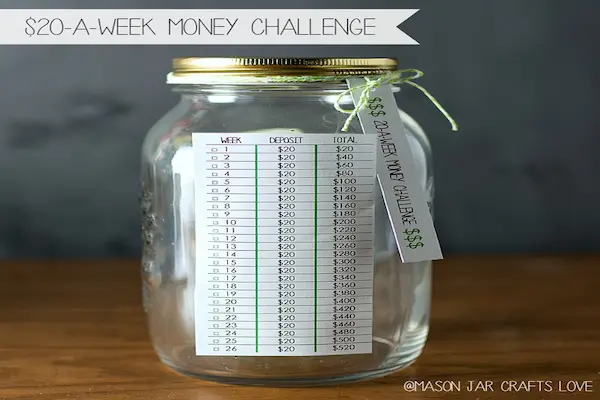
Saving can feel more enjoyable when it looks like a game you can win in small, friendly steps.
These savings challenges are designed for beginners who want structure without pressure, so progress stays realistic and repeatable.
Several formats below include “printable style” outlines you can copy into notes or print, while gentle safety rules keep essential bills protected.
Why saving money challenges for beginners can work so well
Gamified goals often succeed because your brain enjoys completing a clear task, especially when the task is small enough to feel safe on busy weeks.
Structure reduces overthinking because you follow a simple prompt, rather than negotiating with yourself every time you try to save.
Momentum grows when you can see wins stacking up, since a visible streak makes it easier to keep going even when motivation dips.
Confidence increases as small goals get completed, because completing something trains your identity as “someone who saves.”
Who this guide is for, and what it is not
This guide is for readers who like checklists, mini milestones, and gentle accountability, especially when saving has felt vague or inconsistent.
General education is the goal here, so personal financial advice should come from a qualified professional who understands your exact situation.
Education note: This is general educational information, not personalized financial advice, and results depend on your income and expenses.
Safety note: Never skip essential bills, minimum debt payments, medication, or groceries just to “hit a challenge number.”
Before you start: three safety rules that keep challenges stress-free
A savings challenge should support your life, not squeeze it, so these rules act like guardrails that prevent the most common beginner mistakes.
Flexibility matters because real life is unpredictable, and a plan that cannot bend usually breaks.
Rule 1: Bills first, challenge second
Essential bills deserve first priority because late fees, overdrafts, and missed payments can cost more than any challenge “win.”
Peace of mind improves when your saving game never competes with rent, utilities, transportation, childcare, or basic food.
- Rent or mortgage stays protected, even if the challenge pauses for a week.
- Utilities and phone bills remain current, because stability beats streaks.
- Minimum debt payments continue, because skipping can create bigger problems than saving solves.
- Groceries and medication remain non-negotiable, because health and nutrition come first.
Rule 2: “Pause” is allowed, and restarting still counts
Pausing keeps your budget safe because forcing a deposit during a tight week can trigger fees or stress that makes you quit entirely.
Consistency is built by returning, not by being perfect, so a restart can be a win instead of a failure.
- Choose a pause signal, such as “balance is low” or “unexpected bill hit,” so you can pause calmly without guilt.
- Pick a restart day, such as next payday or next Monday, because a date removes uncertainty and helps you resume quickly.
- Resume at a smaller amount if needed, because small goals are still goals and still build the habit.
Rule 3: Make the money accessible yet separate
Accessibility matters because emergency needs happen, yet separation matters because easy access can turn savings into casual spending money.
Balance is the goal, so your funds stay reachable in real emergencies while remaining slightly inconvenient for impulse buys.
- A separate savings account without a debit card attached adds healthy friction without locking the money away.
- A labeled sub-account called “Challenge Savings” makes the purpose clear, which helps you resist raiding it.
- A cash envelope can work for tiny amounts, although safety matters and cash should be stored securely.
Pick your “small goals” level, so the challenge fits your real budget
Beginner-friendly saving works best when the numbers are chosen to feel doable, because doable plans actually get finished.
Scaling is the secret sauce, since the same challenge can be run in a tiny version or a bigger version without changing the structure.
Three levels you can use for any savings challenge
Levels keep things fun because you can “level up” later, while starting small prevents stress and protects your bills.
Adjustments are encouraged, so choose the level that feels boringly safe rather than heroically hard.
- Level 1: $0.25 to $2 per step, which is perfect when money feels tight and you want a low-risk streak.
- Level 2: $3 to $10 per step, which fits many households that can save a little weekly without causing strain.
- Level 3: $10 to $25 per step, which can work when income is stable and the budget has breathing room.
A quick “affordability check” before you commit
- Review upcoming essentials for the next two weeks, because the near future matters more than a hopeful average month.
- Pick an amount that still works if one unexpected expense happens, because surprises are normal and your plan should survive them.
- Choose a challenge length that matches your attention, because finishing a shorter challenge builds confidence faster than quitting a longer one.
Savings challenge format 1: the gentle 30 day challenge with tiny steps
A 30 day challenge feels motivating because the finish line is close enough to see, while each day is small enough to manage.
Momentum builds quickly with daily checkboxes, especially for readers who love streaks and visible progress.
Option A: the “Tiny Daily Deposit” 30 day challenge
This version works when you want consistency without big numbers, because it turns saving into a daily habit that feels almost automatic.
Flexibility stays built in, since you can choose Level 1, Level 2, or Level 3 amounts.
- Pick a daily amount, such as $1, $2, or $5, based on your level and comfort.
- Choose a deposit time, like morning coffee time or right after dinner, so the habit attaches to a routine you already have.
- Check off the day after you deposit, because immediate tracking builds satisfaction and reduces forgetfulness.
- Low-stress twist: deposit only on weekdays, then use weekends as guilt-free rest days that still protect the streak feeling.
- Energy boost: add one “double day” per week if the budget allows, because small surprises can make the game feel exciting.
Printable style outline: 30-day checkbox tracker
Copy this into a note or print it, then mark a box each time you complete the day’s saving step.
Missing a day is allowed, because the goal is building a habit, not proving perfection.
| Week | Day 1 | Day 2 | Day 3 | Day 4 | Day 5 | Day 6 | Day 7 |
|---|---|---|---|---|---|---|---|
| Week 1 | ☐ | ☐ | ☐ | ☐ | ☐ | ☐ | ☐ |
| Week 2 | ☐ | ☐ | ☐ | ☐ | ☐ | ☐ | ☐ |
| Week 3 | ☐ | ☐ | ☐ | ☐ | ☐ | ☐ | ☐ |
| Week 4 | ☐ | ☐ | ☐ | ☐ | ☐ | ☐ | ☐ |
| Extra | Day 29 ☐ | Day 30 ☐ | Notes: _______________________________________ | ||||
Option B: the “Daily Ladder” 30 day challenge
A ladder challenge feels playful because it starts tiny and climbs slowly, which helps beginners build confidence without jumping into big deposits.
Control stays yours, because you can cap the ladder at any number that feels comfortable.
- Start with a tiny amount on Day 1, such as $0.50, $1, or $2, depending on your level.
- Increase by the same small step each day, such as $0.50 or $1, until you reach your cap.
- Repeat the capped amount for the remaining days, because holding steady is a success and keeps the plan sustainable.
- Beginner cap idea: stop increasing once you reach $5 per day, then continue at $5 through Day 30.
- Comfort-first idea: increase every other day instead of daily, so cash flow stays calm while the game still feels like progress.
Savings challenge format 2: the envelope challenge for hands-on structure
An envelope challenge works beautifully for readers who like tactile systems, because physically moving money can feel more real than numbers on a screen.
Organization becomes easier when each envelope has one job, since clear jobs reduce accidental spending.
Option A: the “Numbered Envelopes” challenge
This challenge feels like a mystery game because you pick an envelope at random, then save the amount written on it.
Flexibility stays high because you can choose the range of envelope amounts based on your level.
- Write numbers on envelopes, such as 1 to 30, or 1 to 50, depending on how long you want the game to last.
- Assign a dollar amount to each envelope number, such as $1 per number for Level 1, $2 per number for Level 2, or $5 per number for Level 3.
- Pick one envelope per saving session, deposit the amount, and mark it completed so you can see progress clearly.
- Stress-reducer: keep a “swap token” that allows you to trade one envelope for a smaller one during a tight week.
- Time-saver: pick envelopes only on payday or weekly, because fewer sessions can still create steady progress.
Printable style outline: envelope tracker table
Use this layout to plan your envelope set, then check envelopes off as you complete them.
Adjust amounts anytime, because the challenge should fit your life rather than the other way around.
| Envelope # | Target Amount | Completed | Envelope # | Target Amount | Completed |
|---|---|---|---|---|---|
| 1 | ____ | ☐ | 16 | ____ | ☐ |
| 2 | ____ | ☐ | 17 | ____ | ☐ |
| 3 | ____ | ☐ | 18 | ____ | ☐ |
| 4 | ____ | ☐ | 19 | ____ | ☐ |
| 5 | ____ | ☐ | 20 | ____ | ☐ |
Option B: the “Category Envelopes” micro-goal challenge
Category envelopes feel gentle because you can save toward specific small goals, which creates meaning and reduces the urge to quit.
Motivation improves when each envelope has a name like “Car Buffer” or “Doctor Copay,” because names turn dollars into relief.
- Envelope: “Tiny Emergency Cushion,” which builds a starter safety net for surprise expenses.
- Envelope: “Next Bill Buffer,” which helps you avoid stress when a bill arrives earlier than expected.
- Envelope: “Home Repair Mini Fund,” which protects you from small household fixes turning into debt.
- Envelope: “Peace of Mind,” which exists purely to make life feel less fragile during an unpredictable month.
- Choose three to five envelopes, because too many envelopes can dilute your progress and reduce the fun.
- Assign a small goal to each envelope, such as $25, $50, or $100, because completing mini goals keeps motivation high.
- Drop tiny amounts into one envelope per week, then celebrate each envelope you finish before starting a new one.
Savings challenge format 3: the “no-spend” challenge that still feels humane
No-spend challenges can save money quickly, yet a gentle approach matters because harsh restrictions often backfire and lead to binge spending later.
Family-aware planning keeps everyone calmer, since food, school needs, and work needs still have to happen.
Option A: the “No-Spend Lite” challenge
This version works well because it focuses on reducing optional purchases, while essentials remain fully protected and guilt stays out of the process.
Mindset shifts happen when you learn that boredom and stress do not have to be solved with spending.
- Pick a short time window, such as 7 days or 14 days, because shorter windows feel easier to commit to honestly.
- Define essentials clearly, including groceries, transportation, and scheduled bills, so the rules feel fair and realistic.
- Choose one “allowed treat” category with a cap, because a controlled treat can prevent the feeling of deprivation.
- Move the money you did not spend into savings immediately, because immediate transfer turns restraint into a visible win.
- Optional spending examples: impulse snacks, random online purchases, convenience upgrades, and unplanned entertainment costs.
- Gentle alternative: allow one planned outing per week, then skip the random midweek spending that usually leaks money quietly.
Printable style outline: no-spend scoreboard
Tracking days can make this challenge feel like a game, especially when you celebrate effort instead of chasing perfection.
Mark each day honestly, because honesty is how you learn what triggers spending in your real life.
| Day | No-Spend Day | Planned Spend Day | Notes |
|---|---|---|---|
| Mon | ☐ | ☐ | _________________________________ |
| Tue | ☐ | ☐ | _________________________________ |
| Wed | ☐ | ☐ | _________________________________ |
| Thu | ☐ | ☐ | _________________________________ |
| Fri | ☐ | ☐ | _________________________________ |
| Sat | ☐ | ☐ | _________________________________ |
| Sun | ☐ | ☐ | _________________________________ |
Savings challenge format 4: the “bingo card” challenge for playful variety
Bingo-style saving feels fun because you choose from a menu of small actions, which keeps the challenge fresh when you dislike repetitive routines.
Autonomy stays high because you pick squares based on your week, rather than forcing the same action every day.
How the savings bingo works
- Create a 5×5 grid with 25 small saving tasks, because a grid makes progress visible and game-like.
- Assign each square a tiny deposit amount, such as $1, $2, or $5, so every completed task creates savings.
- Win by completing one line, two lines, or the entire board, because different win conditions fit different budgets.
Printable style outline: savings bingo task ideas
Use these prompts as squares on your card, then write your chosen dollar amount beside each prompt before you start.
Substitutions are allowed, because personalizing the game makes it easier to finish.
- Cook one meal at home instead of ordering, then transfer the difference you would have spent.
- Bring a drink from home, then save the cost of a purchased beverage.
- Do a “pantry dinner” night, then move $3 to $10 into savings depending on your level.
- Skip one impulse online purchase, then transfer the amount you almost spent.
- Sell or donate one unused item, then save a small amount to celebrate the declutter win.
- Call a “subscription review” timeout, then save the amount of one downgraded add-on for a month.
- Walk or carpool once if practical, then save the fuel or transit difference.
- Choose a library or free activity night, then save what entertainment spending would have been.
- Make a homemade snack, then move a tiny reward deposit into savings.
- Do a “leftovers lunch” day, then save the cost of buying lunch out.
Savings challenge format 5: the “reverse savings challenge” for beginners who need flexibility
Reverse challenges work because you save more on easy weeks and save less on tight weeks, which keeps progress moving without forcing stress.
Gentleness matters because beginners often quit when the plan demands the same high effort every single week.
How the reverse savings challenge works
- Start with your highest weekly amount first, because motivation is often strongest at the beginning and early wins can feel exciting.
- Reduce the amount slightly each week, because the plan gets easier as time goes on rather than harder.
- Finish with a tiny amount, because ending gently makes it easier to keep saving after the challenge ends.
- Level 1 sample: $10, $9, $8, down to $1 over 10 weeks, which creates a win without strain.
- Level 2 sample: $25, $22, $20, then taper down, which can work when paychecks are steady and the budget has margin.
- Level 3 sample: pick a bigger starting number only if bills remain fully covered, because safety stays more important than the game.
Savings challenge format 6: the “spare change jar” challenge for ultra-low friction
Spare change challenges feel approachable because they rely on tiny amounts you barely notice, which is perfect when saving feels emotionally heavy.
Visibility helps because you can see money accumulating, which reinforces the habit even when progress is slow.
Option A: coins-only jar challenge
- Choose a container you will see daily, because visibility makes the habit easier without extra reminders.
- Set one rule, such as “all coins go in,” because a single rule prevents decision fatigue.
- Deposit the jar into a safer place monthly, because cash can be lost and regular deposits protect your progress.
Option B: “all $1 bills” mini challenge
This version feels fun because you create a little pile quickly, while the amounts stay small enough to feel safe for beginners.
Consistency grows when you treat every $1 bill as a “future me” gift instead of as spending money.
- Rule: every $1 bill goes into the jar or envelope immediately.
- Upgrade: add every $5 bill once per week if the budget allows, because a small boost can speed progress without stress.
- Safety reminder: store cash securely and consider regular deposits, because losing the jar would be a painful setback.
Savings challenge format 7: the “automatic transfers” challenge for set-and-forget progress
Automatic transfers turn saving into a default behavior, which is useful when you love structure but dislike daily effort.
Consistency improves when the transfer happens right after payday, because money saved early is less likely to be spent casually.
Two automatic transfer challenge styles
- Style 1: Fixed transfer challenge, where you save the same small amount each payday for 8 to 12 weeks.
- Style 2: Step-up transfer challenge, where you start tiny and increase once per month after success.
- Choose an amount that will not cause overdrafts, because overdrafts can erase your progress and crush motivation.
- Pick a schedule that matches your income rhythm, because saving should align with real cash flow rather than fight it.
- Celebrate “boring success,” because boring success is exactly what builds a reliable savings habit.
How to adapt any savings challenge without losing the fun
Adaptation keeps challenges safe because your budget can change week to week, especially with irregular income or unpredictable household expenses.
Personalization also keeps things enjoyable, since a game that fits your life feels supportive rather than demanding.
Four easy adaptation tools
- Cap: Set a maximum deposit per day or per week, because caps prevent the challenge from accidentally competing with bills.
- Swap: Allow a smaller deposit when the original amount feels too tight, because continuing matters more than matching a perfect plan.
- Skip token: Use one or two “skip tokens” per month, because planned flexibility prevents quitting after one bad week.
- Split: Divide a larger deposit into smaller deposits across several days, because smaller steps can feel less risky for cash flow.
Beginner-friendly “amount menus” you can plug into any challenge
Menus reduce decision fatigue because you choose from a set of approved amounts, rather than reinventing the plan mid-challenge.
Comfort improves when your menu includes tiny amounts that still count as wins.
- Tiny menu: $0.25, $0.50, $1, $2, $3.
- Small menu: $2, $5, $7, $10, $12.
- Moderate menu: $5, $10, $15, $20, $25.
“Print-and-play” challenge bundles you can run for a month
Bundles work well because they combine variety with a clear timeline, which feels satisfying for people who love structure and checklists.
Each bundle below includes a default plan plus a gentle adaptation option.
Bundle 1: The 30 day challenge + jar combo
- Do a tiny daily deposit for 30 days, because daily practice builds identity fast.
- Drop spare change into a jar whenever it appears, because passive saving adds a fun bonus layer.
- Deposit jar cash weekly or monthly for safety, because protecting progress keeps morale high.
- Adaptation: reduce daily deposits to weekdays only, while keeping the jar running all month.
- Reminder: essentials stay protected first, because no challenge is worth late fees or missed bills.
Bundle 2: The envelope challenge + bingo board
Envelopes add tactile structure while bingo adds variety, which keeps the process playful without losing control.
Progress feels rewarding because you get both completed envelopes and completed bingo squares to celebrate.
- Pick one envelope per week and complete it, because weekly pacing is gentle and manageable.
- Complete three bingo squares per week, because small wins keep the game alive without stress.
- Transfer all saved money into your chosen “separate home” at month end, because consolidation improves safety and clarity.
- Adaptation: reduce bingo to one square on tough weeks, because consistency matters more than volume.
- Reminder: never borrow from bills to finish envelopes, because that turns savings into a costly illusion.
Bundle 3: The no-spend lite week + automatic transfers
This bundle works because the no-spend week creates a quick boost, while automatic transfers keep progress steady afterward.
Stability improves because the challenge does not rely on willpower forever.
- Choose one no-spend lite week in the month, because one focused week can reveal surprising money leaks.
- Transfer the “saved difference” immediately, because immediate movement turns behavior into results.
- Set a small automatic transfer for the remaining weeks, because boring consistency builds real savings over time.
- Adaptation: choose a “no-spend lite weekend” instead of a full week if your schedule or household needs make weekdays harder.
- Reminder: planned groceries and transportation remain allowed, because the goal is reducing optional spending, not harming daily life.
How to keep motivation high when the numbers feel small
Small numbers can feel underwhelming, yet the habit you build is the true reward because habits compound quietly over time.
Evidence of progress becomes easier to see when you track streaks, checkboxes, and completed mini goals rather than staring only at the total.
Fun ways to celebrate without spending money
- Mark milestones with a “victory note” to yourself, because written encouragement can be surprisingly motivating.
- Use a progress bar you color in, because visual progress makes saving feel like a game you are actively winning.
- Create a “saved money playlist” for your deposit moments, because associating saving with a good feeling reinforces the habit.
- Share your streak with a supportive friend, because gentle accountability can make finishing much easier.
Common challenge mistakes, and gentle fixes that keep you going
Perfectionism is a common trap, because one missed day can trick your brain into quitting even though the plan is still working.
Overly aggressive amounts can also backfire, because stress leads to skipping and skipping leads to discouragement.
- Mistake: saving only after everything else is paid and spent, because “leftover money” often disappears.
- Fix: save first in tiny amounts, because saving first protects progress without needing heroic discipline.
- Mistake: chasing a big total by skipping essentials, because late fees and overdrafts can erase savings quickly.
- Fix: lower the amount or pause, because the safest challenge is the one that keeps your household stable.
- Mistake: running too many challenges at once, because complexity increases fatigue and reduces follow-through.
- Fix: pick one primary challenge, because one finished win beats three abandoned plans.
Frequently asked questions about savings challenges for beginners
Which savings challenge is best if my budget is tight
Tiny daily deposits or a spare change jar usually work best because they create progress with minimal risk to your bills.
Reverse challenges can also feel supportive because amounts get easier over time, which helps you stay in the game.
Can a 30 day challenge actually make a difference
A 30 day challenge makes a difference because it builds consistency, and consistency is what turns saving into a long-term habit.
Even a modest total can reduce stress when the next surprise shows up, which is exactly what beginner savings is meant to do.
What if I miss a day or forget an envelope
Missing a day is normal, so restarting with the next day keeps the habit alive without turning the challenge into a shame spiral.
Flexibility tools like swap amounts or skip tokens exist to protect your budget, which also protects your motivation.
How do I keep the money from getting spent
Separation helps because money kept in a different place feels less available for impulse spending.
Friction helps too, so removing easy access options can prevent casual withdrawals while still keeping funds available for real needs.
Closing encouragement: keep it light, keep it safe, keep it moving
Fun structure can transform saving from a heavy chore into a gentle game, especially when you choose small goals that fit your real life.
Safe flexibility matters more than strict rules, because a challenge should never require skipping essential bills to “prove” you can save.
Pick one format, start at a comfortable level, and celebrate consistency, because consistency is the skill that will keep paying you back long after the challenge ends.
Education note: This is general educational information, not personalized financial advice, and your situation may require professional guidance.
Notice: This content is independent and has no affiliation, sponsorship, or control over any institutions, platforms, or third parties mentioned.