
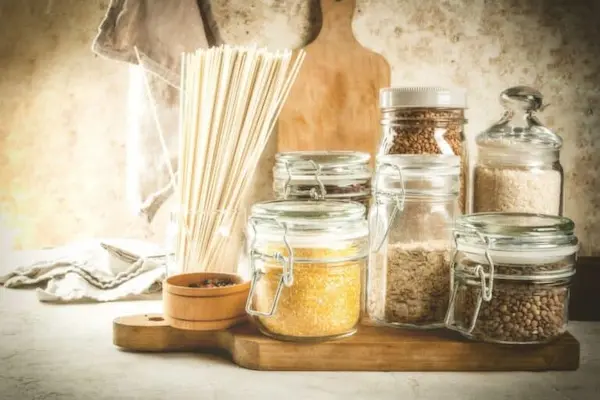
Setting up a budget-friendly kitchen gets so much easier when your shelves hold a few flexible staples that can become real meals on your busiest days.
Since you are a beginner cook, this guide keeps things practical and list-based, while still giving you confidence to cook from scratch without feeling overwhelmed.
Why a frugal pantry makes cheap meals feel easier
Cheap meals rarely happen by accident, because the easiest dinners usually come from ingredients you already have and know how to combine without a complicated recipe.
Having a frugal pantry means fewer last-minute store runs, fewer “we have nothing” moments, and more nights where dinner is a calm assembly job instead of a stressful decision.
Stability improves when you stock budget ingredients that overlap across many cuisines, because the same rice, beans, and tomatoes can become bowls, soups, tacos, or casseroles.
Confidence grows faster when you keep your pantry staples list short at first, since a smaller set is easier to remember, rotate, and actually use before it expires.
Less waste shows up quickly when you repeat ingredients on purpose, because repeating is not boring when you change sauces, seasonings, and formats across the week.
- Predictable staples reduce impulse spending, because you stop buying random “backup” items that never turn into a meal.
- Reliable basics support cook from scratch habits, because you can start cooking even when fresh groceries are running low.
- Simple categories keep things organized, because a clear system helps you find what you own before you buy more.
- Gentle planning saves time, because fewer decisions at 6 p.m. usually means fewer expensive shortcuts.
Frugal kitchen staples to stock with a beginner-friendly system
Building a frugal pantry works best when you stock by category, because categories help you see gaps and prevent you from buying five sauces but no starches.
Starting small is encouraged, because your pantry should match your cooking style, your household size, and your storage space rather than an internet-perfect checklist.
Rotation matters more than volume, because staples only save money when you use them regularly and replace them calmly as they run out.
How to use this pantry staples list without overspending
Think of each category as a menu of options, because choosing a few from each group gives you balance without requiring a huge first shopping trip.
Prices vary by region and season, so the most frugal move is often choosing what is on sale within the same category rather than insisting on one specific brand or variety.
- Pick two starches, two proteins, and two flavor builders first, because that trio can already create multiple complete meals.
- Add one “rescue meal” set, because a backup plan is what prevents expensive takeout when energy is low.
- Buy small amounts of unfamiliar items, because testing first protects your budget and prevents pantry clutter.
- Restock only after you have cooked with an item twice, because real-life use is the best proof that a staple belongs in your kitchen.
Frugal kitchen staples to stock: grains and starchy bases
Grains and starches form the base of many cheap meals, because they are filling, store well, and pair with almost any sauce or protein.
Portion control becomes easier when starches are your foundation, because you can stretch pricier ingredients like meat and cheese across more servings.
- Rice is a classic base, because it works in bowls, soups, stir-fries, and leftover fried rice without much effort.
- Pasta is beginner-friendly, because sauces are forgiving and most families enjoy it in many forms.
- Oats are a breakfast workhorse, because they can be sweet, savory, baked, or blended into simple snacks.
- Tortillas are versatile, because they become wraps, quesadillas, breakfast tacos, and quick pizza-style meals.
- Potatoes are budget staples, because they roast, mash, bake, and stretch leftovers into hearty sides.
- Bread or buns can be useful, because sandwiches and toast are easy lunch anchors when cooking energy is low.
Buying tips for starchy staples
- Store brands often shine here, because plain grains and pasta rarely need premium labels to taste good.
- Bulk sizes save money when you actually use them, because a giant bag is only frugal if it does not go stale.
- Whole grains can be a smart option, because added fiber often keeps people fuller and reduces snack spending later.
- Freezing extra bread helps prevent waste, because moldy loaves are one of the most common beginner kitchen losses.
Pantry staples list: beans, lentils, and budget-friendly proteins
Beans and lentils are frugal pantry heroes, because they provide protein and fiber at a cost that makes family meals feel financially possible.
Texture and flavor improve when you season them well, because bland beans feel like sacrifice while well-seasoned beans feel like comfort food.
- Canned beans save time, because you can rinse, season, and eat them within minutes.
- Dried beans save money, because a small bag can become many servings when you plan ahead.
- Lentils cook relatively fast, because they often skip soaking and still become tender and hearty.
- Peanut butter counts as a protein staple, because it supports breakfasts, snacks, and simple sauces.
- Canned tuna or sardines can be useful, because they turn pantry meals into satisfying lunches with almost no cooking.
Beginner notes for cooking beans and lentils
- Rinsing canned beans removes extra sodium, because the liquid can taste tinny and make flavors feel dull.
- Simmering lentils with onion and spices adds depth, because plain water cooking often tastes flat.
- Freezing cooked beans in portions helps future meals, because ready-to-go protein makes weeknights dramatically easier.
- Mixing beans into meat dishes stretches the budget, because half-and-half blends often taste great while cutting cost per serving.
Frugal pantry: canned goods that build meals fast
Canned goods are the bridge between cook from scratch and convenience, because they reduce prep time without forcing you into expensive frozen meals.
Meal speed improves when you keep a few “foundation cans,” because foundation cans turn rice, pasta, and beans into complete dinners quickly.
- Canned tomatoes are essential, because they become pasta sauce, chili, soup, and curry bases with minor seasoning changes.
- Tomato paste is powerful, because a spoonful adds richness and color to sauces without needing long simmer times.
- Broth or bouillon helps flavor everything, because seasoned liquid makes grains and soups taste like they took longer than they did.
- Canned corn or peas can be handy, because they add sweetness and color when fresh vegetables are limited.
- Coconut milk is optional but useful, because it turns beans and vegetables into creamy curries with minimal effort.
Smart ways to stock canned items without clutter
- Choose one size you will actually use, because half-used cans that get forgotten in the fridge are a quiet source of waste.
- Keep “one back-up can” instead of five, because steady restocking is cheaper than overbuying and then donating expired food.
- Store cans where you can see labels, because visibility reduces duplicate purchases and makes meal planning faster.
Budget ingredients for baking and simple cooking foundations
Baking basics make your kitchen more flexible, because flour, sugar, and leaveners can create breads, pancakes, and quick comfort foods at a low cost per serving.
Even if you do not bake often, a small set of essentials can still support savory cooking, because flour thickens soups and makes simple coatings for proteins and vegetables.
- All-purpose flour is versatile, because it works for pancakes, quick breads, and basic sauces.
- Baking powder and baking soda are helpful, because they provide lift for muffins and pancakes without complex techniques.
- Sugar or a preferred sweetener supports baking, because sweet breakfasts and snacks can replace pricier packaged options.
- Yeast is optional but empowering, because homemade pizza dough can become a low-cost family tradition.
- Cornmeal is great for cornbread, because it stretches chili nights into a fuller meal.
Beginner storage tips for baking staples
- Keep flour in an airtight container, because pests and humidity can ruin an otherwise affordable staple.
- Label baking powder and soda dates, because old leaveners lose strength and cause disappointing results.
- Store yeast in the freezer if you bake rarely, because cold storage extends usability for occasional cooks.
Fats and oils that make cook from scratch taste satisfying
Cooking feels more rewarding when you have at least one reliable fat, because fat carries flavor and helps simple food feel complete.
Choosing the right oil also helps you cook more at home, because food that tastes good reduces the temptation to “treat yourself” with expensive takeout too often.
- Neutral oil works for everyday cooking, because it handles sautéing, roasting, and simple baking without conflicting flavors.
- Olive oil is a common choice, because it adds flavor to dressings, pastas, and roasted vegetables.
- Butter or a preferred alternative adds comfort, because a small amount can elevate vegetables, grains, and toast.
How to buy oils frugally without sacrificing quality
- Purchase the size you will finish, because rancid oil is wasted money and makes food taste off.
- Store oils away from heat and light, because warmth and sunlight speed up flavor deterioration.
- Use butter intentionally, because small measured amounts often create more satisfaction than heavy-handed cooking.
Flavor builders: spices, herbs, and “make it taste good” essentials
Flavor builders are what keep a frugal pantry from feeling repetitive, because the same ingredients can taste completely different with a simple spice change.
Spending a little on the right seasonings can actually save money, because delicious home meals reduce the urge to shop for excitement elsewhere.
- Garlic powder and onion powder are reliable, because they add savoriness quickly when fresh aromatics are unavailable.
- Paprika and chili powder bring warmth, because they help beans and meats taste richer without extra cost.
- Cumin supports many cuisines, because it transforms rice, beans, and vegetables with one familiar note.
- Italian seasoning or oregano works across pasta and soups, because it offers easy “weeknight” flavor without extra planning.
- Curry powder is optional but powerful, because it turns pantry ingredients into a cozy one-pot meal with minimal shopping.
- Salt and black pepper matter, because correct seasoning is often the difference between “meh” and “make this again.”
Start small with a beginner spice plan
- Choose five core spices you like, because a small set gets used up and stays fresh.
- Add one “adventure spice” later, because variety feels fun when the basics are already covered.
- Buy smaller jars at first, because expired spices are common when beginners buy too many too quickly.
Condiments and sauces that turn staples into meals
Condiments help beginners cook with confidence, because they create big flavor quickly while you learn techniques at your own pace.
Variety becomes easier when sauces are stocked, because changing the sauce often changes the entire meal experience.
- Soy sauce or tamari supports stir-fries, because salty umami makes rice and vegetables taste satisfying.
- Vinegar is extremely useful, because acidity balances beans, soups, and salads without requiring fancy ingredients.
- Mustard adds punch, because it turns simple dressings and sandwiches into something brighter.
- Hot sauce is optional, because spice lovers can add excitement without changing the whole family meal.
- Mayonnaise or yogurt works in spreads, because creamy bases make quick sauces and lunch salads easy.
- Jarred salsa can be a shortcut, because it becomes a dip, a taco topping, or a cooking sauce.
Frugal rules for condiments to avoid a crowded fridge door
- Pick one item per “job,” because five similar sauces usually means half of them expire untouched.
- Choose multi-use condiments, because ketchup-only products tend to be less flexible than vinegar or mustard.
- Keep a running list of what you already have, because condiments are easy to rebuy when you forget they exist.
Fresh and frozen staples that stretch your pantry without waste
Fresh produce can be budget-friendly when you choose long-lasting options, because fewer spoiled vegetables means more meals from the same grocery spend.
Frozen produce supports cheap meals too, because it reduces prep time and stays ready for “nothing is fresh” nights.
- Onions and garlic last well, because they form the flavor base of soups, sauces, and beans.
- Carrots are flexible, because they work roasted, sautéed, grated into salads, or simmered into soups.
- Cabbage is a frugal pantry ally, because it stays crisp longer than many greens and becomes slaw, stir-fry, or soup.
- Apples and oranges often store well, because they provide affordable fruit that is easy to pack and eat.
- Frozen mixed vegetables are a lifesaver, because they turn rice, noodles, and eggs into a complete meal fast.
- Frozen spinach is handy, because a small handful boosts soups, sauces, and eggs with minimal cost.
Storage basics that keep produce alive longer
- Store potatoes in a cool, dark place, because light can cause sprouting and spoilage.
- Keep onions separate from potatoes, because storing them together can speed up spoilage.
- Use airtight containers for cut produce, because sealed storage reduces drying out and wasted leftovers.
- Freeze small portions of chopped onion or peppers if you prep ahead, because prepped frozen vegetables save time later.
Proteins to stock beyond beans, with beginner-friendly options
Protein choices can stay frugal when you think in terms of “meal roles,” because sometimes protein is the star and other times it is a small accent.
Flexibility improves when you keep a mix of shelf-stable and freezer options, because that combination prevents emergency shopping between paychecks.
- Eggs are versatile, because they become breakfast, dinner, baking, and quick fried rice add-ins.
- Chicken thighs or drumsticks are often budget-friendly, because darker meat stays tender and works well in stews and bakes.
- Ground meat can stretch far, because it blends with beans, vegetables, and sauces without feeling like a “light” meal.
- Frozen fish fillets can be practical, because portioned pieces reduce waste and cook quickly.
- Tofu is an option for some kitchens, because it absorbs flavor and can be cooked crispy, saucy, or scrambled.
Frugal protein stretching techniques for cheap family meals
- Mix lentils into ground meat, because the texture blends well while cutting cost per serving.
- Use shredded chicken across multiple meals, because one cook session can feed tacos, soup, and sandwiches.
- Serve protein with filling starches and vegetables, because balanced plates reduce snack spending later.
- Choose soup and chili formats often, because liquid-based meals naturally stretch ingredients without feeling skimpy.
Cook from scratch without overwhelm: five simple “building block” recipes
Building blocks are beginner-friendly, because you learn a few repeatable methods and then mix and match them into many meals.
Skills grow faster when you master foundations, because foundations remove the fear that cooking must always start from a complicated recipe.
Building block 1: quick tomato sauce from pantry staples
- Sauté onion and garlic if available, because a short cook time unlocks sweetness and depth.
- Add canned tomatoes and a spoon of tomato paste, because paste concentrates flavor and thickens the sauce.
- Season with salt, pepper, and oregano, because simple seasoning beats a long ingredient list for weeknights.
- Simmer for 15 to 25 minutes, because a short simmer reduces sharpness and tastes more “cooked.”
- Freeze extra portions in containers, because future pasta nights become nearly effortless.
Building block 2: a pot of rice that becomes multiple meals
- Cook rice according to package directions, because consistent water ratios prevent frustration for beginner cooks.
- Spread cooked rice on a tray to cool quickly, because cooled rice stores better and fries more nicely later.
- Portion into meal-sized containers, because you will actually use it when it is easy to grab.
- Freeze part of the batch if needed, because freezer rice saves you on nights when time is tight.
Building block 3: seasoned beans for bowls, tacos, and soups
- Rinse canned beans and warm them gently, because rinsing removes extra sodium while warming helps flavors absorb.
- Add cumin, chili powder, and a splash of vinegar, because acid brightens beans and makes them taste more alive.
- Stir in frozen corn or chopped vegetables if desired, because bulk and color help the meal feel abundant.
- Use beans in tacos, bowls, or soup, because flexible leftovers are what make a frugal pantry truly useful.
Building block 4: sheet-pan roasted vegetables for fast dinners
- Chop sturdy vegetables like carrots, cabbage wedges, or potatoes, because sturdy vegetables roast well and stay flavorful.
- Toss with oil, salt, and paprika, because a little seasoning goes a long way in roasted flavor.
- Roast until edges brown, because browning creates sweetness and makes simple vegetables taste special.
- Store leftovers for bowls and omelets, because roasted vegetables remix beautifully into next-day meals.
Building block 5: a simple dressing that upgrades everything
- Combine oil, vinegar, mustard, salt, and pepper, because that basic ratio creates a dressing that works on salads and grains.
- Shake in a jar for speed, because jar mixing avoids extra dishes and keeps the routine realistic.
- Adjust sweetness or acidity slightly, because personalizing flavor encourages you to eat more home meals happily.
Example meals that use your frugal pantry staples list
Meal ideas feel easiest when you use formulas, because formulas let you cook without staring at a recipe while hungry people wait.
Building dinner around a base, a protein, a vegetable, and a sauce keeps things balanced, because that structure delivers satisfaction on a budget.
Breakfast ideas using budget ingredients
- Oatmeal with banana and peanut butter feels filling, because fiber and fat together keep you satisfied longer.
- Egg scramble with frozen spinach tastes cozy, because quick greens and protein make breakfast feel substantial.
- Toast with eggs and salsa feels fun, because a spicy topping makes a simple plate taste like a treat.
- Overnight oats can save mornings, because a five-minute prep creates a ready meal with almost no morning effort.
Lunch ideas built from pantry recipes
- Bean quesadillas work fast, because tortillas and cheese can turn canned beans into a hot meal in minutes.
- Tuna salad sandwiches feel classic, because pantry fish plus a simple dressing creates protein quickly.
- Rice bowls with roasted vegetables feel abundant, because warm grains and bright toppings mimic restaurant bowls for less money.
- Soup from leftover chili tastes even better, because liquid stretches remaining ingredients into a fresh meal.
Dinner ideas for cheap family meals
- Chili with beans and tomatoes stretches well, because one pot can feed dinner plus lunches and freezer portions.
- Pasta with quick tomato sauce feels comforting, because pantry sauce and noodles are dependable even on chaotic nights.
- Fried rice uses leftovers wisely, because yesterday’s rice turns into today’s dinner with eggs and frozen vegetables.
- Baked potatoes with chili toppings feel fun, because a “build your own” format keeps everyone happy without extra cooking.
- Simple curry with chickpeas tastes rich, because coconut milk or broth plus spices create depth without expensive meat.
Snack and side ideas that prevent budget blowouts
- Homemade popcorn is budget-friendly, because it replaces pricey packaged snacks with a cheap, satisfying crunch.
- Carrot sticks with a simple dip work well, because crunchy snacks reduce the urge for expensive convenience foods.
- Fruit with yogurt feels like dessert, because sweet and creamy together satisfy cravings without extra spending.
- Toast with peanut butter is reliable, because it fills gaps between meals without requiring a store run.
Shopping strategy: how to buy pantry staples without wasting money
Shopping frugally is easier when you shop your kitchen first, because you cannot use what you forget you already own.
Planning around overlap keeps costs down, because overlapping ingredients turn one grocery trip into many meals without extra items.
A simple weekly routine for beginner cooks
- Check pantry and freezer inventory, because “already owned” food is the cheapest food available.
- Choose three dinners that share ingredients, because shared ingredients reduce waste and simplify prep.
- Add two rescue meals that require little effort, because tired nights are where budgets often break.
- Build your grocery list from your plan, because a list reduces impulse buying and forgotten basics.
- Shop once when possible, because fewer trips usually means fewer unplanned extras.
Practical rules for bulk buying
- Bulk only makes sense when storage is safe, because pests, humidity, and forgotten bags can erase savings quickly.
- Buying large bags works best for rice and oats, because those staples get used frequently in many kitchens.
- Smaller sizes are fine for specialty items, because experimentation should not create clutter or guilt.
Storage tips for a frugal pantry that stays organized
Organization is a money skill, because lost food becomes wasted food and wasted food becomes wasted budget.
Clear systems reduce stress, because you spend less time hunting for ingredients and more time cooking calmly.
Use the “first in, first out” method
- Place newer items behind older items, because front-facing older items get used before they expire.
- Keep a small “use soon” basket, because a dedicated spot reminds you what to cook next.
- Write dates on opened packages, because mystery containers often become throwaway containers.
Containers that make beginners more consistent
- Airtight bins for flour and oats help, because freshness lasts longer and measuring becomes easier.
- Clear jars for rice and pasta are helpful, because visibility reduces accidental overbuying.
- Freezer bags laid flat save space, because flat storage stacks neatly and thaws faster.
- Labels prevent confusion, because quick identification reduces decision fatigue at dinner time.
Freezer habits that keep food from disappearing
- Freeze in meal-sized portions, because large frozen blocks are harder to use on busy nights.
- Label with meal name and date, because guessing games lead to freezer burn and wasted money.
- Keep a simple freezer list on paper, because knowing what is inside prevents duplicate purchases.
Sample one-week frugal menu using pantry staples
A sample menu can remove the “where do I even start” feeling, because examples show how frugal kitchen staples to stock actually become meals.
Swaps are welcomed, because your pantry and your preferences should drive the plan rather than a rigid schedule.
One-week dinner plan
- Monday: Pasta with quick tomato sauce and a side of roasted carrots, because a familiar start builds confidence for beginners.
- Tuesday: Bean and rice bowls with cabbage slaw, because pantry staples list ingredients can still feel fresh with crunchy toppings.
- Wednesday: Chili night with cornbread or toast, because big batch cooking creates leftovers and lowers cost per serving.
- Thursday: Baked potatoes topped with leftover chili and frozen broccoli, because leftovers feel new when served in a different format.
- Friday: Fried rice with eggs and frozen vegetables, because leftover rice is designed for this kind of cheap, satisfying meal.
- Saturday: Chickpea curry over rice with a simple yogurt topping, because spices and creamy elements make budget ingredients taste rich.
- Sunday: Leftover makeover night with quesadillas or wraps, because finishing the week strong prevents food waste.
Simple breakfast and lunch pattern for beginners
- Breakfast rotation: Oatmeal, eggs and toast, yogurt with fruit, and leftover fried rice when mornings are busy.
- Lunch rotation: Chili leftovers, rice bowls, tuna sandwiches, and bean quesadillas with fruit or carrots.
Beginner starter checklist: what to buy first for a frugal pantry
Starting from scratch can feel expensive, so a tiered approach helps you build slowly while still being able to cook cheap meals right away.
Choosing staples by “meal function” keeps you focused, because you are buying ingredients that immediately turn into breakfast, lunch, and dinner.
Tier 1 essentials for the first shopping trip
- Rice or pasta is a must, because you need a dependable base for quick meals.
- Canned beans and canned tomatoes matter, because they become chili, tacos, soups, and sauces fast.
- Oil, salt, and pepper belong early, because basic seasoning is what makes simple food taste good.
- Eggs are helpful if they fit your diet, because eggs can rescue dinner when you are tired.
- Frozen mixed vegetables save time, because they add nutrition and bulk without extra prep.
Tier 2 upgrades that expand variety
- Oats support cheap breakfasts, because breakfast consistency protects the weekly budget.
- Vinegar and mustard boost flavor, because acidity and tang create “wow” without extra spending.
- Garlic powder, cumin, and paprika add range, because three spices can create many meal directions.
- Tortillas make fast dinners, because wraps and quesadillas are beginner-friendly and flexible.
Tier 3 comfort boosters that still stay frugal
- Coconut milk or a favorite sauce can be nice, because one comforting flavor can prevent expensive restaurant cravings.
- Cheese or yogurt can help some households, because creamy elements increase satisfaction and reduce snack urges.
- Cornmeal or flour supports simple baking, because homemade bread-like sides stretch soups and chilis.
Troubleshooting common beginner pantry problems
Early mistakes are normal, because learning to stock a frugal pantry is a skill that improves with repetition and small adjustments.
Kindness helps you continue, because harsh self-talk often leads to giving up and returning to expensive convenience patterns.
Problem: “My pantry is full, yet meals still feel hard”
- Missing “meal connectors” might be the issue, because starch plus protein still needs seasoning and a sauce to become satisfying.
- Overbuying single-use items can be the issue, because narrow ingredients do not combine easily into multiple dinners.
- Lack of a weekly plan can be the issue, because ingredients stay separate until you decide how they meet on a plate.
Problem: “Food keeps expiring before I use it”
- Reduce your list and repeat meals more, because repetition is what creates rotation and prevents waste.
- Move “use soon” items to the front, because visibility is the simplest form of accountability.
- Freeze leftovers faster, because delaying freezing often leads to forgotten containers.
Problem: “Cooking from scratch feels like too much after a long day”
- Rescue meals solve this, because a rescue meal is designed for low energy and still costs less than takeout.
- Building blocks solve this, because pre-cooked rice or beans make dinner feel like assembling instead of starting from zero.
- Short prep sessions solve this, because ten minutes of prep can remove the biggest friction points later.
Quick recap: the frugal pantry habits that matter most
Small consistent habits outperform perfect plans, because repeated actions turn budget intentions into real meals on real nights.
- Inventory first saves money, because it prevents buying duplicates and reveals what meals are already possible.
- Overlap reduces waste, because shared ingredients get used up before they spoil or expire.
- Rescue meals protect the budget, because a backup plan prevents expensive decisions made while tired.
- Storage systems keep food visible, because visible food gets used and invisible food gets forgotten.
- Flavor builders keep meals enjoyable, because enjoyment is what makes home cooking sustainable.
Final encouragement for your budget-friendly kitchen setup
A frugal pantry is not about stocking everything at once, because the best pantry is the one you use confidently and restock slowly as your skills grow.
With frugal kitchen staples to stock by category, a clear pantry staples list, and a few simple meal formulas, cheap meals become realistic even for brand-new cooks.
Independent content notice
Notice: This content is independent and does not have affiliation, sponsorship, or control from any institutions, platforms, or third parties mentioned.