
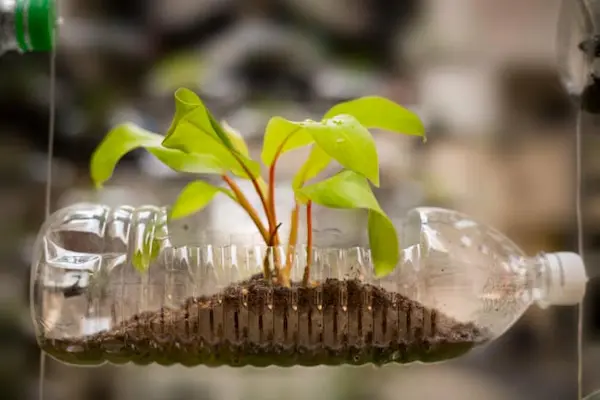
Waste can feel strangely personal when you care about the planet, because every jar, box, or scrap of fabric seems to ask whether it truly reached the end of its story.
Instead of pushing for perfection, this guide offers creative, gentle, practical reuse ideas you can try right now, with a simple checklist that makes letting go easier.
Upcycling basics for a calmer, less wasteful home
Upcycling basics start with a mindset shift that feels surprisingly relieving, because reusing becomes a default choice rather than a heroic effort you must constantly remember.
Less buying does not mean less joy, since frugal creativity often brings more personality into your space than another identical item shipped in a box.
Many people assume reuse requires advanced crafting skills, yet most repurpose at home projects succeed because you notice function first and aesthetics second.
A helpful rule is to treat “trash” as “unsorted potential,” while also honoring real limits like hygiene, safety, and the space you actually have.
Gentle progress happens when you build a few predictable stations, such as a jar shelf, a box bin, and a fabric basket, so decisions stop feeling urgent.
Clutter can sabotage the best intentions, so keeping only the most useful candidates for reuse is both eco-friendly and emotionally kinder.
Set yourself up with a small, practical “reuse kit”
A modest kit prevents the frustrating moment when a project is possible but inconvenient, because the one thing you need is missing and motivation disappears.
- Scissors that cut cleanly through paper and light cardboard.
- A small roll of paper tape or masking tape for temporary fits and labels.
- Washable marker for quick notes on lids, boxes, and tags.
- Twine or string for bundling, tying, and hanging lightweight items.
- A basic glue stick for paper projects and a stronger glue for small repairs.
- One sturdy utility knife, used carefully, for thicker cardboard.
- A soft cloth for cleaning jars and wiping dust off decor before refreshing it.
Tools matter less than consistency, so choose supplies that feel pleasant to use, because a gentle routine is easier to repeat than an ambitious one.
Use a “clean and dry” standard for anything you plan to keep
Cleanliness is the quiet secret behind reuse success, because a sticky jar or musty fabric triggers the urge to throw everything away.
Glass and metal usually clean up beautifully with warm water and soap, while cardboard should be kept dry and stored off the floor to avoid warping.
Fabrics deserve airflow and a quick wash, since even a small odor can spread in storage and make your whole reuse corner feel unpleasant.
When something cannot be cleaned to a comfortable standard, letting it go is not failure, because reuse is meant to reduce stress as well as waste.
Simple ways to reuse items before you buy anything new
Buying new is often a reflex, so the most powerful change is inserting a pause that gives your home a chance to provide what you need.
Curiosity works better than guilt, because you will keep experimenting when the process feels like discovery rather than self-judgment.
Some of the best simple ways to reuse items take under five minutes, which is exactly why they add up over a year of daily life.
Small swaps are especially satisfying for an eco-conscious DIYer, because each reuse choice feels like a quiet vote for less extraction and less landfill.
The 10-minute “reuse scan” you can run before shopping
Whenever a purchase idea pops up, running a quick scan helps you repurpose at home first, while still allowing buying when it truly makes sense.
- Write the need in one short phrase, such as “small storage,” “gift wrap,” or “plant pot.”
- Check the jar shelf, the box bin, and the fabric basket for two minutes each.
- Look for function matches, not perfect matches, because a lid can be a tray and a scarf can be a wrap.
- Choose the simplest option you can test within ten minutes, so the idea becomes real instead of theoretical.
- Decide whether the reused solution is “good enough for now” or whether buying truly solves a problem reuse cannot.
Momentum grows when you accept “version one,” since a slightly imperfect solution often reveals what you actually needed all along.
Keep a “first-to-use” list for common household needs
Lists reduce decision fatigue, because you stop rethinking the same question every week and simply follow a plan you trust.
- Need a container for leftovers or pantry goods, so start with clean jars and sturdy food tubs.
- Need a small tray, so start with a jar lid, a shallow box top, or a sturdy postcard taped to cardboard.
- Need gift packaging, so start with boxes, fabric wraps, and saved paper bags.
- Need cleaning cloths, so start with old cotton shirts, worn towels, and soft pillowcases.
- Need drawer organization, so start with small boxes and trimmed cardboard dividers.
Confidence arrives faster when the rules are simple, because your brain stops treating every item as a brand-new puzzle.
Reuse ideas for jars that go beyond basic storage
Jars are the overachievers of the reuse world, because they are durable, washable, see-through, and naturally satisfying to line up neatly.
Glass keeps odors from lingering, which makes it ideal for pantry organization, bathroom refills, and craft storage that stays pleasant over time.
Creative jar use also reduces “invisible clutter,” since you can see what you have and stop buying duplicates you forgot were hiding in a drawer.
Start with a quick jar “reset” so they are always ready
Preparation makes reuse feel effortless, because the best reuse ideas happen when you can grab something clean without starting a whole chore.
- Soak jars in warm water to loosen labels, then peel gently to avoid residue.
- Wash with soap, then rinse thoroughly so no film remains.
- Dry completely, because moisture trapped under a lid can create odors.
- Store lids separately if you want faster stacking, or keep matched sets if you prefer convenience.
Keeping a few “always clean” jars on a shelf turns reuse into a habit, because the option is visible and frictionless.
Simple, practical jar uses for everyday life
Some jar projects feel like tiny upgrades, because they solve a small problem neatly and make your routines calmer.
- Pantry containers for grains, beans, nuts, spices, and tea, with labels that you can rewrite as contents change.
- Leftover lunches in a jar, especially salads and layered meals that travel well without crushing.
- Bathroom refill jars for cotton rounds, hair ties, toothbrush heads, and small soaps.
- Desk organizers for pens, clips, batteries, chargers, and spare keys, especially when grouped by category.
- Mini “first aid” jar for bandages and small essentials, kept where you actually reach for it.
- Loose hardware storage for screws and nails, with lids labeled so projects stop stalling.
Visibility becomes your friend here, because jars let you shop your own supplies before you buy another backup.
Jar decor that feels warm, not “crafty clutter”
Decor works best when it earns its place, because beauty that also serves a function is easier to keep long-term.
- Candle holders for tea lights, using sand, pebbles, or a simple wrap to soften the glow.
- Vases for single stems and small bouquets, especially when grouped in odd numbers on a shelf.
- Herb holders on a windowsill, with water for cuttings or soil for small starts.
- Lantern-style outdoor lights, using a handle of twine and a safe LED candle.
- Memory jars for ticket stubs, notes, and tiny mementos, limited to one per season to avoid overflow.
A restrained approach keeps decor feeling intentional, because every reused jar does not need to become a display item.
Easy herb jar planter, step by step
Growing something small in a reused container is surprisingly motivating, because you see the results daily and the jar earns constant use.
- Add a thin layer of small stones to help prevent waterlogged soil if your jar has no drainage.
- Fill with potting mix, leaving room at the top so watering stays tidy.
- Plant hardy herbs like mint or basil, then press the soil gently to anchor roots.
- Water lightly and place in bright light, turning the jar occasionally so growth stays even.
- Harvest a little at a time, because frequent trimming encourages healthier, bushier plants.
Choosing one or two jars for plants prevents overwhelm, because a mini garden should feel soothing rather than demanding.
Repurpose at home with boxes and cardboard, without making a mess
Boxes are often dismissed as temporary, yet they are quietly perfect for structure, because cardboard is lightweight, customizable, and easy to replace later.
Repurpose at home projects work best when you treat cardboard as a prototype material, since “good enough” dividers can last months or even years.
Gift boxes, shipping boxes, and small packaging trays all have different strengths, so matching the box type to the job saves frustration.
Box sorting that prevents a “cardboard avalanche”
Boundaries keep reuse sustainable, because an infinite stash of boxes quickly turns into clutter that defeats your original purpose.
- Keep small boxes that fit drawers and cabinets, because they become instant organizers.
- Keep medium boxes with sturdy corners, because they work for seasonal storage and moving fragile items.
- Recycle damaged, smelly, or soft boxes immediately, because they rarely become satisfying projects.
- Limit your box bin to a defined space, because the container size protects your home from overflow.
Clarity is kinder than abundance, because too many choices make it harder to start any project at all.
Reuse ideas for boxes that solve everyday annoyances
Functional box reuse is where frugal creativity shines, because you can organize, protect, and simplify without spending anything.
- Drawer dividers for socks, charging cables, makeup, kitchen tools, and craft supplies.
- “Drop zone” trays near the door for keys, mail, sunglasses, and small items that otherwise scatter.
- Kid-friendly craft caddies that keep supplies portable and easy to clean up.
- Under-sink bins for sponges, refills, and cleaning supplies, keeping bottles upright and contained.
- Pantry risers and separators made from trimmed cardboard to prevent small packets from tipping.
- Gift packaging that looks thoughtful when wrapped with reused paper or fabric and tied with string.
Finishing touches matter, because trimming edges neatly and labeling clearly makes reused boxes feel like a choice rather than a compromise.
Make a modular drawer organizer in one short session
Modular organizers are satisfying because they adapt, since your drawer contents change over time and the system should change with them.
- Measure the drawer’s inside width and depth, then pick a box that can be cut to fit without wobbling.
- Trim the box height so items remain visible and easy to grab.
- Create smaller sections using cardboard strips, cutting notches so pieces slide together like a simple grid.
- Test the fit with your real items, then adjust before taping anything permanently.
- Label sections lightly, because names reduce the “where does this go” problem during cleanup.
Testing before committing keeps the project gentle, because you stay in a playful mindset instead of a perfectionist spiral.
Cardboard as a quiet helper for cleaning and maintenance
Not every reuse project needs to be visible, because hidden helpers can reduce waste without changing the look of your home at all.
- Protect floors during small painting touch-ups, especially near baseboards and furniture legs.
- Use flattened boxes as a workspace for messy repairs, so cleanup becomes as simple as folding and recycling.
- Create temporary drip trays for plants, then replace them once you find a longer-term solution.
- Slide a sturdy piece under furniture when moving it, reducing scratches without buying plastic sliders.
Low-effort wins build trust in the process, because you start believing reuse is practical rather than time-consuming.
Frugal creativity with fabric, from scraps to everyday comfort
Fabric is one of the most flexible materials to reuse, because it can clean, wrap, pad, decorate, and repair with almost no specialized tools.
Old clothing often contains the softest, most reliable material you own, since it has already proven it can handle washing and daily wear.
Frugal creativity becomes visible when fabric replaces single-use paper products, because the swap repeats endlessly and saves money quietly.
Decide what each fabric piece wants to become
Different textiles behave differently, so matching the material to the project prevents disappointment and keeps your reuse corner manageable.
- Cotton shirts become cleaning cloths, napkins, and soft wraps because they absorb well and wash easily.
- Denim becomes sturdy patches, tool roll-ups, and protective covers because it resists tearing.
- Worn towels become bath mat backups, pet towels, and cleaning rags because they handle heavy moisture.
- Scarves become gift wrap, hair wraps, and light decor because they drape beautifully.
- Sheets become large drop cloths, dust covers, and simple bags because the fabric area is generous.
Labeling a small stack by type keeps decisions quick, because you stop rummaging through everything whenever a project appears.
Small scrap projects that feel instantly useful
Scraps deserve a purpose quickly, because tiny pieces can multiply fast and create the illusion that reuse is messy.
- Cut soft cotton into reusable “paper towel” squares, then store them in a basket near the kitchen sink.
- Sew or knot simple coasters from thick scraps to protect surfaces without buying new sets.
- Create a drawer sachet with a scrap pouch filled with dried citrus peels or a gentle scent you already own.
- Use strips as ties for plants, cables, and rolled blankets, since fabric is kinder than plastic zip ties.
- Make a small eyeglass cloth from smooth fabric, keeping screens and lenses clearer without disposable wipes.
Choosing only a few scrap categories keeps the stash sane, because an organized small pile is more useful than a chaotic large one.
No-sew fabric wrap for gifts, bread, or daily carry
Wrapping with fabric is elegant and forgiving, because folds do not need to be perfect to look intentional and warm.
- Select a square of fabric large enough to cover the item with extra room for knots.
- Place the item in the center, then bring opposite corners together and tie firmly.
- Bring the remaining corners together, tying again to create a handle-like knot.
- Tuck loose ends neatly, because small adjustments make reused wrap feel special.
- Reuse the fabric again later, since the wrap becomes part of the gift rather than waste.
Fabric wrapping also reduces last-minute shopping, because a gift can look finished even when no paper is available.
Simple mending that extends the life of what you already love
Mending becomes less intimidating when you treat it like maintenance, because a five-minute fix prevents a bigger problem later.
- Patch small holes in jeans with denim scraps, even if the stitching is visible, because visible mending can look charming.
- Reinforce loose buttons with extra thread, since button failure often leads to unnecessary clothing replacement.
- Turn a too-short towel into hand towels, finishing edges simply to keep it from fraying.
- Use an old pillowcase as a laundry bag for delicates, reducing snags and extending garment life.
Repairing one item per week is enough, because the habit matters more than the volume you fix at once.
Simple ways to reuse items in decor, without buying “more stuff”
Decor reuse works when you focus on refreshing what already exists, because the goal is a home that feels lived-in and loved, not constantly upgraded.
Many spaces feel stale because items are frozen in place, so moving things around can create a “new” look with zero purchases.
A gentle design approach helps eco-conscious people avoid waste, because it prioritizes repair, reimagining, and restraint over constant consumption.
Refresh decor by changing context, not by replacing objects
Context can transform an item, because a candle holder becomes a bathroom tray and a bowl becomes a key catcher with one small shift.
- Group similar items together, since clusters look intentional and reduce visual noise.
- Vary heights using books, boxes, or upside-down bowls, because height contrast adds depth.
- Rotate seasonal decor by storing only one small bin, because limits keep the home breathable.
- Swap frames between rooms, since the same art can feel fresh in a different setting.
- Use jars as vases and organizers, pairing them with natural elements like branches or dried herbs for warmth.
Less clutter often reads as more style, because the eye can finally rest and appreciate what you already own.
Upcycling basics for decor: clean, repair, and unify
Unification makes mismatched items feel cohesive, because a shared detail like color or texture ties everything together.
- Clean and dust first, because dirt can make a perfectly good piece feel “old” in the wrong way.
- Tighten screws and fix wobble, since stability makes items feel higher quality immediately.
- Use fabric scraps as liners for baskets and drawers, adding softness while hiding worn surfaces.
- Wrap a jar or tin with twine for texture, keeping the look simple rather than overly decorated.
- Label storage neatly, because clear labels reduce stress and keep systems working long-term.
Choosing a calm palette helps, because too many competing colors can make reused decor feel busy instead of cozy.
A gentle “weekend decor reset” that costs nothing
A reset works best when it is quick and kind, because the goal is renewed enjoyment, not a full-scale home makeover.
- Pick one surface, such as a coffee table, shelf, or entryway console, and clear it completely.
- Sort what you removed into three groups: keep here, move elsewhere, and store or donate.
- Bring back only what supports daily life, then add one beautiful item for warmth.
- Use a reused jar or box to contain small clutter, so the surface stays peaceful.
- Stop when it looks “easy to maintain,” because a perfect display is less useful than a livable one.
Stopping at “good enough” protects your energy, because sustainable frugal living depends on routines you can repeat.
Reuse ideas for the “in-between” items you do not know what to do with
In-between items create the most mental load, because they are not obviously useful but also not clearly trash, so they linger and drain attention.
Giving these items a short, structured trial period keeps things moving, because you allow potential without turning your home into storage.
Try a simple “two-week trial box” method
A trial box is a friendly compromise, because it protects you from regret while preventing piles from spreading everywhere.
- Place uncertain items into one labeled box with today’s date.
- Write one possible reuse idea on a note, even if it is imperfect.
- Set a reminder for two weeks, then revisit the box when your mood is calmer.
- Keep items that earned a clear purpose, and let go of the rest without shame.
- Reset the box to empty, because the method works only when the container stays small.
Trust grows when you follow the system, because your brain learns that decisions are safe and reversible within limits.
Common “in-between” items and quick, realistic uses
Practical reuse often means pairing small items with a clear category, because category gives them a home and a reason to stay.
- Rubber bands become bundle ties for cords, herbs, or rolled paper, especially when stored in a jar near the kitchen.
- Twist ties become plant ties or label holders, since they are flexible and easy to adjust.
- Small tins become travel containers for pins, hair clips, or tiny repair kits.
- Paper bags become compost collection liners or simple gift bags with a stamped label.
- Bubble wrap and packing paper become drawer cushioning for fragile decor during storage.
Keeping only what you actually use keeps frugal creativity joyful, because the aim is freedom from waste, not endless hoarding.
A simple decision checklist before throwing items away
Decision fatigue is real, so a checklist helps you act with confidence, because you stop relying on mood and start relying on clear criteria.
These simple ways to reuse items begin with honest assessment, because keeping unusable clutter is not eco-friendly when it steals space and energy.
The quick yes-or-no checklist
Answering each question quickly works best, because overthinking often leads to keeping everything “just in case” and feeling stuck.
- Is it safe and hygienic to keep? If mold, pests, or contamination are present, choose disposal or proper recycling.
- Can it be cleaned to a comfortable standard? If cleaning would be stressful or unrealistic, letting go is reasonable.
- Does it have a clear function in the next 30 days? If not, place it in a two-week trial box instead of permanent storage.
- Could it replace something you would otherwise buy? If it cannot reduce future consumption, it may not deserve space.
- Does it fit your home’s real storage limits? If space is already tight, prioritize only the most versatile items.
- Would repairing it take under one hour? If repair requires specialized tools or long delays, consider alternate solutions.
- Can someone else use it easily? If donation is realistic and ethical, passing it along can be the best outcome.
- Is recycling available for its material? If yes, sort it properly so the item has the best chance of being processed.
Relief often arrives when you give yourself permission to choose practicality, because keeping everything is not the same as caring deeply.
A simple “decision ladder” for fast sorting
Ladders help because they are linear, since you move from the best outcome to the last resort without circling endlessly.
- Best: Reuse it immediately for a clear purpose you already have.
- Next: Store it neatly in a limited, labeled category like “jars” or “fabric.”
- Next: Repair it quickly if the fix is easy and genuinely extends its life.
- Next: Donate or gift it if it is clean, functional, and likely to be used.
- Next: Recycle it according to local rules, removing contaminants when possible.
- Last: Dispose of it responsibly when no safer option exists.
Moving through a ladder reduces guilt, because you can say you considered reuse thoughtfully before choosing another route.
Questions that protect you from “aspirational clutter”
Aspirational clutter is the stuff you keep for a version of yourself who has endless time, so a few grounding questions can protect your peace.
- Would you still keep it if you moved next month and had to pack it?
- Would you buy it again today, knowing what you know now?
- Does this item support your current routines, or only an imagined future project?
- Does keeping it make your home feel lighter, or does it quietly add pressure?
Choosing your present life over a fantasy version is not giving up, because it creates room for reuse projects you will actually enjoy.
Build a low-waste routine that stays gentle and realistic
Long-term change happens when systems feel easy, because willpower fades but habits can carry you through busy weeks.
Designing for your real life is the kindest approach, since an eco-conscious home should feel supportive rather than constantly demanding more effort.
Create three small “reuse zones” that prevent pileups
Zones reduce chaos, because items stop wandering around the house and start living in predictable places you can check quickly.
- Jar zone: a shelf or crate for clean jars, with lids stored nearby.
- Box zone: a bin for sturdy small and medium boxes, flattened when possible.
- Fabric zone: a basket for cotton rags, larger wraps, and mending candidates.
Keeping zones visible but tidy improves follow-through, because hidden systems are easy to forget and messy systems are easy to abandon.
Weekly habits that keep frugal living feeling light
Weekly micro-habits are powerful, because they stop small messes from becoming a dramatic purge that burns you out.
- Wash and reset two jars, so your stash stays clean and ready.
- Break down one box and trim one organizer insert, keeping cardboard useful rather than bulky.
- Cut a few fabric squares into rags, replacing disposable wipes in a way you can feel immediately.
- Repair one small thing, even if the repair is imperfect, because “functional” beats “waiting forever.”
- Donate one bag when it is full, so items leave your home at a steady pace.
Consistency beats intensity, because gentle actions repeated over months outperform one weekend of frantic decluttering.
Use a “buying pause” that still respects your needs
A buying pause is not deprivation, because it simply gives reuse a first chance before money and resources leave your pocket.
- Pause for 24 hours for non-urgent items, then re-check your reuse zones.
- Test a temporary solution using jars, boxes, or fabric, aiming for “works well enough.”
- Buy only if the reused option clearly fails, or if safety and health require a proper replacement.
Reducing waste becomes easier when you allow strategic buying, because a well-chosen durable item can prevent many future disposables.
Quick inspiration: mix-and-match projects using jars, boxes, and fabric together
Combining materials sparks new ideas, because each item contributes a different strength and the finished result often feels more “designed.”
- Create a pantry kit by placing spice jars inside a shallow box tray, then labeling the tray for easy weekly restocking.
- Build a “repair station” with a jar for buttons, a box for tools, and a fabric scrap as a liner to prevent rattling.
- Make a gift-ready drawer by storing fabric wraps rolled inside a box, with ribbon or twine tucked into a small jar.
- Organize a bathroom shelf using jars for cotton items, a box for refills, and fabric squares for quick wipe-downs.
Projects feel more satisfying when they solve a real friction point, because usefulness is what keeps reuse from turning into clutter.
Closing thoughts for the eco-conscious DIYer who wants less waste
Progress is built from small choices that you repeat, because every jar refilled and every box repurposed replaces a purchase you did not need.
Confidence grows when you keep the process creative and kind, since a gentle approach makes it easier to sustain in a busy, imperfect life.
With upcycling basics, a few reliable reuse zones, and a simple decision checklist, the home becomes a place where frugal creativity feels natural rather than forced.
Tomorrow’s version of you will feel grateful for today’s small reuse habits, because less waste and less clutter often create more calm than any new purchase ever could.