
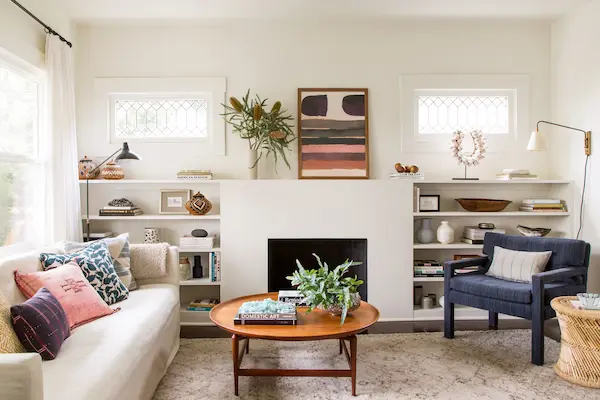
Decorating on a very small budget can feel surprisingly exciting, because constraints push you toward creativity instead of yet another cart full of “almost right” items.
A fresh look is absolutely possible without buying new furniture, especially when you combine rearranging, thrift finds, and simple diy decor that makes what you already own feel intentional.
Frugal ways to decorate rooms start with a “room refresh” mindset
Realistic decorating gets easier when the goal is a refresh rather than a total makeover, because a refresh focuses on what moves the needle fast without draining your bank account.
Anyone can create a more pulled-together space by adjusting layout, light, color balance, and a few high-impact details, since those elements read as “new” even when nothing expensive was purchased.
Small budgets work best when you decide what problem you are solving, because “the room feels cluttered” needs a different plan than “the room feels cold” or “the room feels boring.”
Renters and homeowners can use the same approach, because most of the biggest visual improvements come from placement, styling, and texture rather than permanent construction.
Confidence rises quickly when you pick a clear direction before you shop, because shopping without a direction tends to produce random objects that do not cooperate with each other.
Pick a simple outcome so your decisions stay easy
A clear outcome can be as simple as “cozier,” “brighter,” “calmer,” or “more grown-up,” and that single word becomes your filter when you are tempted by cluttery impulse buys.
- Choosing “cozier” usually means adding soft lighting, warmer textiles, and a tighter color palette that feels comfortable at night.
- Selecting “brighter” often means clearing visual clutter, adding mirrors, and using light-colored fabrics that bounce light around.
- Deciding on “calmer” usually means fewer items on surfaces, more hidden storage, and repeating the same few colors on purpose.
- Committing to “more grown-up” often means fewer tiny objects, more scaled-up art, and better lighting rather than more stuff.
Use the “three adjectives” trick to define your vibe
Three adjectives create a surprisingly strong style guide, because they give you permission to say no to items that are cute but do not match the room you are building.
- Write three words that describe how you want the room to feel, because feelings are easier to judge than style labels.
- Choose one word that describes comfort, one word that describes energy, and one word that describes visual style, because balance prevents extremes.
- Keep the words visible while you decorate, because your brain forgets goals when it sees shiny objects on sale.
Start with free changes, because rearranging is the cheapest home decor
Rearranging is the most underrated room refresh tool, because moving what you already own can change the mood more than buying a new pillow ever could.
Most rooms look “stale” because the layout has been on autopilot for months or years, so a new arrangement instantly makes the space feel intentional again.
Before buying anything, take ten minutes to photograph the room, because photos reveal awkward gaps, clutter hot spots, and unbalanced corners that your eyes have gotten used to ignoring.
Even small shifts matter, because moving a chair closer to a lamp can create a cozy reading nook that feels like an upgrade you would normally pay for.
High-impact rearranging moves that cost nothing
- Pull furniture slightly away from walls when possible, because a little breathing room often makes a space feel more designed.
- Angle one chair toward the sofa, because conversation layouts feel warmer than everything facing a TV like a waiting room.
- Create a clear walkway, because visual calm increases when movement through the room feels effortless.
- Swap side tables between rooms, because mismatched pairs can look curated when they are balanced by height and color.
- Rotate rugs ninety degrees, because changing orientation can improve flow and make the room feel re-proportioned.
- Move a plant or lamp to a dark corner, because lighting and greenery in the right place makes a room feel “finished.”
A quick layout test that prevents regret
- Identify the room’s main function, because layout should support what you actually do there rather than what a catalog suggests.
- Pick one focal point, because a room feels more restful when your eye knows where to land.
- Balance the visual weight, because heavy furniture on one side makes a room feel lopsided even when the pieces are nice.
- Live with the change for two days, because your first reaction is not always your truest reaction.
Shop your home first, because the best thrift finds might already be yours
Shopping your home is powerful because it gives you “new” pieces without spending money, and it also reveals what you truly need instead of what you simply want in the moment.
Borrowing from another room is not cheating, because a room refresh is about the overall experience, not about every room being perfect at the same time.
Hidden gems usually live in closets and cabinets, because many people store frames, baskets, throw blankets, and vases that never get used simply because they were not styled well.
Free decor items that often hide in plain sight
- Large trays can corral clutter on coffee tables, because grouping makes everyday items look like a deliberate vignette.
- Extra pillow covers can change a sofa instantly, because textiles read as “new” faster than hard furniture does.
- Books can become decor when stacked neatly, because height variation creates visual interest without buying trinkets.
- Cutting boards and pretty bowls can live on counters, because functional items can also be attractive when edited thoughtfully.
- Baskets can become storage and texture, because they hide chaos while adding warmth and a natural element.
- Scarves and fabric scraps can become table runners, because soft layers add coziness with almost no effort.
Use an “edit first” rule so the room can breathe
Removing clutter is a design upgrade, because too many objects make even expensive decor look messy and small.
- Clear one surface completely, because seeing empty space helps you understand what the room actually needs.
- Return only the items that earn their place, because function and beauty can coexist when you are selective.
- Group remaining items in threes or fives, because odd-number groupings often look more natural and styled.
- Leave some space empty on purpose, because negative space is what makes the rest look intentional.
Thrift finds that upgrade a room without buying new furniture
Thrifting can be the fastest path to cheap home decor, because secondhand stores and marketplaces often have higher-quality materials than today’s lowest-cost new options.
Success improves when you thrift with a plan, because browsing without a target list can accidentally become clutter shopping with a different aesthetic.
Patience pays off, because the right thrift finds appear over time, and rushing usually creates a pile of “almost” items that never quite work.
Thrifting tips that keep your budget tiny and your home tasteful
- Measure key areas before you go, because knowing maximum width and height prevents impulse buys that do not fit.
- Bring a simple color note on your phone, because staying within a palette makes secondhand mixing look cohesive.
- Inspect items for smells and stains, because some problems are fixable while others will follow you home forever.
- Check for wobble and weak joints, because sturdy pieces last longer and feel nicer even when they are inexpensive.
- Decide your maximum spend per category, because “it’s only a little more” can quietly destroy a small-budget plan.
Best thrift finds for a room refresh on a small budget
- Large frames are a top-tier find, because oversized art makes a room look elevated without needing expensive paintings.
- Mirrors are high impact, because they bounce light and visually enlarge small spaces with one simple addition.
- Lamps are worth hunting, because warm layered lighting makes a room feel expensive even when everything else is humble.
- Baskets and woven bins work hard, because they hide clutter while adding texture that reads cozy and intentional.
- Serving trays and bowls are great, because they create instant styling zones on coffee tables, dressers, and counters.
- Throw blankets and curtains can be gems, because quality fabric secondhand often looks richer than cheap new textiles.
Secondhand categories to approach carefully
- Upholstered furniture can be tricky, because hidden wear, odors, and pests can turn a bargain into a problem.
- Rugs can be risky unless you can clean them well, because deep smells and stains may not fully come out.
- Electronics should be tested thoroughly, because non-working pieces create frustration and extra expense.
- Particleboard furniture often disappoints, because swelling and weak joints can limit how long the item lasts.
DIY decor that looks intentional even with beginner skills
DIY decor can be beautifully simple, because the goal is not to craft a masterpiece but to create a few customized details that make the room feel personal.
Renter-friendly projects work especially well, because removable changes still create a meaningful before-and-after without risking walls or deposits.
Time is part of the budget too, so the most helpful DIY projects are the ones that look good even if you are tired and learning as you go.
Easy DIY projects that require minimal tools
- Paint or wrap old frames in one consistent color, because matching frames instantly makes a gallery wall feel planned.
- Create large-scale art with thrifted frames and paper, because big art changes the room more than small knickknacks ever will.
- Cover a lampshade with fabric or trim, because lamp upgrades change the vibe without replacing the whole lamp.
- Make a no-sew pillow cover from sturdy fabric, because textiles can modernize a sofa quickly on a small budget.
- Build a “tray moment” using a thrifted tray and two objects, because intentional grouping looks styled even when items are inexpensive.
- Turn jars into vases or storage, because clear containers reduce visual mess and add a clean, cohesive look.
A simple DIY rule that prevents the “craft clutter” trap
- Choose projects that solve a room problem, because decorating works best when it supports function.
- Limit materials to what you already own plus one purchase, because too many supplies create clutter and cost creep.
- Finish one project before starting another, because half-finished DIY piles can make a home feel more stressful, not more beautiful.
Use textiles to create warmth, because fabric is the quickest mood shift
Textiles are a budget decorator’s best friend, because they add color, softness, and comfort without requiring large purchases or heavy lifting.
Rooms look more expensive when fabric layers are intentional, because consistent textures and tones communicate care and design confidence.
Even one new-to-you thrifted throw or curtain panel can change the whole room, since the eye reads fabric as a dominant visual field.
Frugal textile upgrades that feel cozy and polished
- Layer a throw blanket over a sofa arm, because casual draping adds softness and makes seating feel inviting.
- Add one larger cushion among smaller ones, because varied scale looks styled and reduces the “all matching set” vibe.
- Use curtains to frame windows higher and wider, because that trick makes ceilings feel taller and rooms feel brighter.
- Replace tiny doormats with a larger washable rug if available, because scale is a design secret that often reads “expensive.”
Color rules that make cheap home decor look cohesive
Cohesion matters more than price, because a room full of random colors can look chaotic even if every item was costly.
- Pick one main neutral, because neutrals create calm and allow thrift finds to mix more easily.
- Choose one accent color you love, because repeating one accent color across the room creates instant unity.
- Add one small “surprise color” sparingly, because a tiny pop keeps the room from feeling flat.
- Repeat materials like wood, black metal, or brass tones, because repeating finishes makes secondhand pieces look intentionally curated.
Lighting is a secret weapon for a room refresh on tiny budgets
Lighting changes the emotional temperature of a room, because harsh overhead light can make a cozy space feel cold and unfinished.
Layered lighting feels luxurious, because multiple light sources create depth and soften shadows, which makes rooms more flattering and comfortable.
Secondhand lamps can be a huge win, because the structure is often solid and you can update the shade or bulb to modernize the look.
Budget lighting upgrades that make a big difference
- Add a lamp in a dark corner, because corner lighting makes the room feel larger and more balanced.
- Use warmer bulbs where you relax, because warm light supports a cozy atmosphere and makes colors look softer.
- Swap mismatched shades for similar tones, because consistent shades create a coordinated look even with different lamp bases.
- Place a small lamp on a dresser or shelf, because eye-level light makes a room feel welcoming in the evening.
Style surfaces like a designer, because styling beats buying
Styling is simply arranging what you already own in a way that looks calm and intentional, and that skill makes frugal ways to decorate rooms feel almost magical.
Most surfaces look messy because everything is spread out, so grouping items instantly creates order and “decor energy” without adding anything new.
Visual variety comes from height changes, texture contrast, and repeated colors, because the eye loves gentle pattern and predictable rhythm.
The “three-layer” styling formula for almost any surface
- Start with a base like a tray or stack of books, because a base tells the eye where the vignette begins and ends.
- Add something tall like a lamp, vase, or frame, because height creates structure and stops the styling from looking tiny.
- Finish with something personal like a candle, bowl, or small plant, because personality makes the room feel lived-in rather than staged.
Cheap home decor styling mistakes to avoid
- Too many tiny objects can look cluttered, because small items create visual noise when they spread across a surface.
- Everything matching perfectly can feel flat, because contrast is what gives a room dimension and interest.
- Art hung too high makes rooms feel disconnected, because artwork should relate to furniture and human eye level.
- Overcrowding shelves feels stressful, because empty space is what makes the remaining items look special.
Before-and-after room refresh examples in words
Before-and-after examples help because they show how rearranging, thrift finds, and diy decor combine into a visible transformation even when the budget is tiny.
Example 1: Living room that felt cluttered and dim
Before: A sofa sat flat against the wall, a single overhead light did all the work, and small decor pieces were scattered across every surface.
After: The sofa moved forward slightly, a thrifted floor lamp warmed the corner, and a tray grouped remotes with one candle and one small plant.
Before: Blank walls made the room feel unfinished, yet the idea of buying art felt expensive and intimidating.
After: Two large thrifted frames held simple printed paper art, and the scale made the entire room feel more intentional immediately.
Example 2: Bedroom that felt “fine” but not restful
Before: Mismatched bedding colors fought each other, the nightstand held a pile of random items, and the lighting felt harsh at night.
After: A limited palette of two neutrals and one accent color made the bed feel calm, and a small lamp created softer light for winding down.
Before: The closet overflowed, so clothes drifted into chairs and created a constant sense of chaos.
After: A basket became a designated drop zone, and the dresser top stayed clear except for a tray with jewelry and lotion.
Example 3: Entryway that felt messy and forgotten
Before: Shoes stacked by the door, keys disappeared daily, and the first impression felt like an apology instead of a welcome.
After: A thrifted basket held shoes, a small dish corralled keys, and a mirror bounced light while making last-minute outfit checks easy.
Example 4: Bathroom that felt dull without renovations
Before: Mismatched bottles crowded the counter, the towel colors felt random, and the space looked busy even when it was clean.
After: Products moved into a simple tray, towels matched the room’s palette, and one small framed print added personality without changing fixtures.
Room-by-room frugal ways to decorate rooms without new furniture
Room-by-room ideas work well because each space has different “high impact” levers, and choosing the right levers prevents wasted effort and money.
Living room refresh ideas on a very small budget
- Shift seating to face conversation, because the room feels friendlier when it supports people, not just screens.
- Add one large art piece or grouped frames, because bigger wall moments make the space feel designed.
- Create one “cozy corner” with a lamp and a throw, because one intentional area can change the whole mood.
- Use baskets to hide visual clutter, because hidden clutter makes the same room feel instantly calmer.
Bedroom refresh ideas that support rest
- Limit colors on the bed, because bedding dominates the room and sets the emotional tone.
- Replace harsh overhead light with a lamp if possible, because softer light feels more restful and flattering.
- Clear one nightstand surface, because a calmer bedside reduces mental noise at the end of the day.
- Add a soft layer like a thrifted blanket at the foot of the bed, because texture reads cozy without requiring big purchases.
Kitchen and dining refresh ideas without remodeling
- Clear the counters aggressively, because empty counter space makes kitchens look cleaner and more modern instantly.
- Use matching containers for staples if possible, because visual uniformity makes everyday storage feel intentional.
- Display one useful beautiful item like a cutting board, because functional decor reduces clutter while adding warmth.
- Style a simple table centerpiece with a bowl and fruit, because a small ritual can make daily life feel more cared for.
Bathroom refresh ideas that feel fresh and clean
- Group products on a tray, because clustering reduces visual chaos and makes cleaning easier.
- Use matching towels in one tone family, because textiles set the mood faster than any small accessory.
- Add a removable hook or basket for storage, because better storage prevents surfaces from turning into clutter zones.
- Hang one small art piece or mirror adjustment, because finishing touches make bathrooms feel “done.”
Home office or study refresh ideas for focus
- Face the desk toward light if you can, because brighter work zones feel more energizing and less cramped.
- Use a small bin for supplies, because contained storage reduces distraction and keeps your surface usable.
- Add one personal object that makes you smile, because emotional comfort matters for consistency and motivation.
- Choose one cord-management habit, because visual clutter often comes from cables, not decor.
Micro-budget plans for cheap home decor that actually works
Micro-budgets feel empowering because they turn decorating into a clear game, and clear games are easier to win than vague intentions.
A $0 room refresh plan
- Remove everything from one surface and restyle it, because one polished surface can anchor the room visually.
- Rearrange furniture for better flow, because layout is the foundation of how a room feels.
- Swap decor from another room, because borrowed items often look brand new in a new context.
- Edit down visible clutter by half, because fewer items make the remaining items look more valuable.
A $20 room refresh plan
- Buy one thrifted lamp or one warm bulb set, because lighting changes mood faster than most accessories.
- Hunt for one large frame or mirror, because scale makes a small purchase look like a big upgrade.
- Choose one basket for clutter, because hidden clutter creates an immediate “cleaner home” feeling.
A $50 room refresh plan
- Pick two textiles like a throw and pillow cover, because layered fabric can modernize a room without furniture changes.
- Choose one thrifted art moment and one styling tray, because those two items help the room look curated and calm.
- Allocate a small amount for basic DIY supplies, because small finishes can make secondhand items feel cohesive.
A $100 room refresh plan
- Invest in layered lighting with two lamps if possible, because multiple sources of warm light feel luxurious at night.
- Upgrade the biggest visual field with curtains or a larger rug if you find a deal, because scale shifts can redefine a room.
- Reserve money for cleaning and touch-ups, because a clean, refreshed base makes any decor look better.
Thrift finds plus DIY decor: a step-by-step weekend room refresh
A weekend plan helps because it reduces decision fatigue, and it also ensures the room actually reaches a “finished enough” place instead of living in half-done limbo.
- Friday night: Take photos and choose your three adjectives, because clarity saves money before you spend a single dollar.
- Saturday morning: Rearrange furniture and clear surfaces, because free changes reveal what the room truly needs.
- Saturday afternoon: Thrift with a target list, because focused shopping prevents clutter and keeps the budget under control.
- Saturday evening: Clean and prep thrift finds, because fresh items feel better when they are truly clean and ready.
- Sunday morning: Install art and lighting, because those two elements create the strongest before-and-after impact.
- Sunday afternoon: Style surfaces with the three-layer formula, because finishing touches make the room feel intentionally designed.
- Sunday evening: Remove one extra item from each surface, because a little negative space is what makes the refresh look polished.
Common mistakes that make small-budget decorating feel harder than it needs to be
Knowing the common traps helps you skip them, because tiny budgets do not have room for regret purchases that become donation piles.
- Buying too many small items can backfire, because small items create clutter faster than they create style.
- Ignoring lighting can disappoint, because even pretty decor looks dull under harsh or dim light.
- Choosing random colors can feel chaotic, because cohesion comes from repeating a limited palette on purpose.
- Trying to refresh every room at once can stall progress, because spreading money thin often produces unfinished spaces everywhere.
- Chasing trends can waste money, because trend cycles encourage replacement rather than lasting enjoyment.
Quick recap: the most frugal ways to decorate rooms without new furniture
Rearranging first is the foundation, because layout and flow make a room feel new without spending anything.
Thrift finds work best with a target list, because focused hunting produces useful pieces rather than random clutter.
DIY decor should solve a problem, because practical projects actually get used and loved over time.
Layered lighting changes everything, because warm light makes even modest rooms feel cozy and welcoming.
Styling with fewer, larger moments is often cheaper, because one big frame or mirror can do the work of ten tiny trinkets.
Final encouragement for decorating on a very small budget
Creative decorating is not about perfect rooms, because a home that feels good is built through small, realistic changes that fit your life and your budget.
With frugal ways to decorate rooms through rearranging, thrift finds, and diy decor, you can create a room refresh that feels fresh, personal, and genuinely satisfying without buying new furniture.
Independent content notice
Notice: This content is independent and does not have affiliation, sponsorship, or control from any institutions, platforms, or third parties mentioned.