
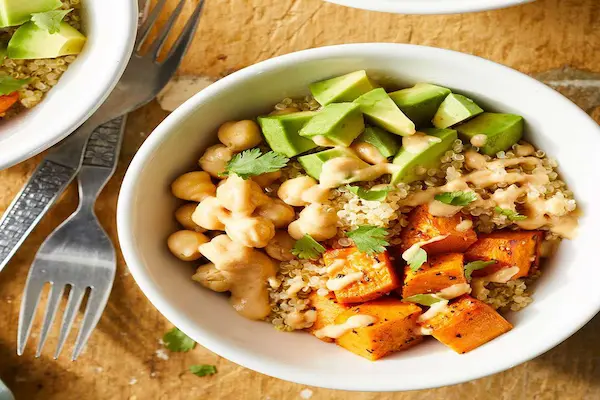
Buying lunch at work can feel like a small daily treat, yet the cost adds up fast when cafeteria prices, delivery fees, and “just one more drink” become part of the routine.
This guide offers frugal lunch ideas for work that are practical, food-focused, and realistic, helping you build cheap work lunches that taste good, travel well, and fit office friendly routines.
Why packed lunches save more than you expect
Lunch spending often hides because it comes in small pieces, while packed lunches show their value because the savings appear repeatedly across weeks and months.
Consistency matters because the goal is not a perfect lunch every day, but a reliable default that beats expensive impulse meals most of the time.
Energy improves when lunch is planned, since hunger can trigger rushed choices that cost more and often leave you unsatisfied.
Freedom grows when you have options, because having a few “go-to” lunches makes it easy to pack even on busy mornings.
- Saved money stacks quietly when you avoid delivery fees, tips, and add-on drinks that inflate total cost.
- Saved time shows up when you stop waiting for food or scrolling menus during a stressful day.
- Better control appears when you choose portion size and ingredients instead of accepting whatever the cafeteria offers.
- Reduced decision fatigue helps because lunch becomes automatic rather than another midday negotiation.
Set up a simple lunch system before you chase fancy recipes
Systems make lunch packing easier because the hardest part is usually not cooking, but remembering, storing, and assembling without chaos.
Simple structure protects motivation because you can keep going even when work is busy and life feels messy.
Planning does not have to be perfect, since repeating a small set of lunch templates can deliver most of the savings with minimal effort.
The “three templates” method for cheap work lunches
- Choose one cold lunch template, because cold lunches avoid microwave lines and travel well.
- Choose one hot lunch template, because warm food feels comforting and helps you enjoy leftovers lunch options.
- Choose one “emergency desk lunch” template, because backup lunches prevent expensive last-minute takeout.
- Cold template example: hearty salad bowl with protein and grains.
- Hot template example: rice or pasta bowl with vegetables and a sauce.
- Emergency template example: shelf-stable tuna packet plus crackers and a fruit, kept at work.
A realistic lunch packing rhythm for busy workers
Lunch routines work best when they match your week, because forcing a complicated meal prep schedule often leads to quitting.
- Do one grocery restock for lunch basics, because consistent ingredients reduce last-minute scrambling.
- Prep one or two ingredients in bulk, because partial prep creates big time savings without requiring a full Sunday marathon.
- Pack lunch while cleaning up dinner, because “already in the kitchen” is the easiest time to set tomorrow up.
- Keep a short list of five repeat lunches, because repeating removes stress and reduces waste.
Office friendly storage basics that keep lunches safe and appealing
Even the best simple recipes can feel disappointing if they leak, wilt, or smell too strong for your workspace.
Storage strategy is part of frugal living because avoiding spills and food waste protects your budget.
Planning for temperature and texture helps, since cold, crunchy items and saucy items behave very differently after a few hours in a bag.
Containers and packing rules that prevent lunch disasters
- Use leak-resistant containers for soups and sauces, because one leak can ruin your lunch and your work bag.
- Pack wet ingredients separately when possible, because separate dressing keeps salads crisp and appetizing.
- Choose sturdy lunch bags and add an ice pack if needed, because temperature control prevents spoilage and keeps food safer.
- Label leftovers containers at home, because knowing what is inside reduces forgotten food and wasted money.
Food safety reminders that keep office lunches safe
Food safety is personal and situation-dependent, yet a few basic habits reduce risk, especially when you commute or your workplace fridge is crowded.
- Keep cold foods cold using an ice pack when needed, because safe temperature matters as much as good flavor.
- Refrigerate leftovers promptly, because leaving food out too long increases spoilage risk.
- Reheat hot foods thoroughly when appropriate, because uneven reheating can be unpleasant and sometimes unsafe.
- If your office fridge is unreliable, shelf-stable lunches and insulated bags can be more dependable.
- If you do not have a microwave, cold lunches and thermos lunches become your best friends.
Frugal lunch ideas for work built around leftovers lunch strategies
Leftovers are the fastest lunch win because you already paid for the ingredients and already spent the cooking time at dinner.
Flavor improves when you plan for leftovers, because cooking extra intentionally is different from hoping random leftovers appear.
Budget consistency grows when leftovers become the default, since default lunches reduce the temptation to buy food when the day gets stressful.
How to “cook once, eat twice” without getting bored
- Double a recipe that reheats well, because not all dinners make good lunches.
- Save sauce separately when possible, because keeping sauce separate can improve texture after reheating.
- Change the format at lunch, because a small twist makes the meal feel new.
- Add a fresh crunch item, because crunchy sides like carrots or apples make leftovers feel less heavy.
- Turn dinner chicken into lunch wraps, because wrap format changes the experience without extra cooking.
- Turn roasted vegetables into a grain bowl, because bowls are flexible and easy to assemble.
- Turn chili into a baked potato topping, because the base changes while the flavor stays familiar.
Best dinners to intentionally plan as lunch doubles
- Stir-fries and rice bowls stay office friendly because they reheat quickly and hold texture well.
- Soups, stews, and chili are ideal cheap work lunches because they stretch ingredients and freeze well.
- Sheet-pan meals turn into easy bowls because roasted vegetables and proteins mix easily the next day.
- Pasta bakes and casseroles can be portioned into containers quickly, making morning packing nearly effortless.
Cold cheap work lunches that taste good and travel well
Cold lunches are convenient because they skip microwave lines and avoid office odors, while still offering filling, balanced meals.
Texture is the secret to cold lunch satisfaction, because soggy or bland lunches are the fastest way to return to buying food.
Balancing protein, fiber, and crunch helps you stay full, which reduces afternoon snack spending.
1) Mason jar salad with layers that stay crisp
Layered salads work when you keep wet ingredients away from leafy greens until you are ready to eat.
- Base idea: dressing at the bottom, then sturdy veggies, then protein, then greens on top.
- Protein options: beans, chicken, tuna, tofu, eggs.
- Crunch options: seeds, nuts, croutons added separately.
- Start with dressing, because liquids at the bottom reduce sogginess.
- Add cucumbers, peppers, carrots, or beans, because sturdy layers protect the greens.
- Finish with greens, because top placement keeps them crisp longer.
2) Chickpea salad sandwich or wrap
Chickpea salad is affordable and filling, while the flavor can be adjusted easily without extra cost.
- Mix: mashed chickpeas, a little mayo or yogurt, mustard, salt, pepper.
- Add: diced celery, onion, pickles, or herbs.
- Serve: sandwich, wrap, or on crackers for an office friendly option.
3) Peanut butter and banana “protein-ish” box
This lunch works when you need simplicity, because it uses basic ingredients and still feels satisfying.
- Peanut butter sandwich or roll-up.
- Banana or apple for sweetness and fiber.
- Carrot sticks or cucumber slices for crunch.
- Optional yogurt if you have fridge access.
4) Mediterranean snack box
Snack boxes feel fun because you get variety, while the ingredients can be inexpensive if you keep portions modest.
- Hummus or bean dip.
- Pita, crackers, or homemade toast points.
- Cucumber, tomato, or peppers.
- Olives or pickles for flavor punch.
- Optional cheese cubes if budget allows.
5) Overnight oats for lunch, not just breakfast
Overnight oats can work as lunch when you want something easy, filling, and quietly sweet without buying pastries.
- Base: oats, milk or yogurt, pinch of salt.
- Add: banana, frozen berries, cinnamon, or peanut butter.
- Top: nuts or seeds if you have them, added at the end for crunch.
Hot simple recipes that reheat well at the office
Hot lunches feel comforting and can reduce the temptation to buy warm cafeteria meals, especially in colder seasons.
Reheating success depends on moisture and container choice, because dry food becomes unpleasant and leaky food becomes messy.
Portioning at dinner time makes hot lunches painless, since morning packing is when many people run out of patience.
6) Rice and bean burrito bowl
This bowl stays cheap because beans and rice are budget staples, while toppings provide variety without requiring expensive ingredients.
- Base: rice, beans, sautéed or roasted vegetables.
- Flavor: salsa, seasoning blend, or a simple lime squeeze if available.
- Toppings: shredded cheese, yogurt, or chopped onions.
- Cook extra rice at dinner, because rice is one of the easiest leftovers lunch bases.
- Portion into containers immediately, because portioning prevents “someone ate it all” surprises.
- Add sauce separately if possible, because separate sauce improves texture.
7) Pasta with a hidden-veg sauce
Pasta is a classic office friendly lunch because it reheats reliably, while a blended sauce can boost nutrition without changing the comfort factor.
- Base: pasta, tomato sauce, blended carrots or spinach if you like.
- Protein: lentils, beans, chicken, or tuna depending on preference.
- Extra: sprinkle cheese if budget allows, or add herbs for flavor.
8) Hearty soup in a thermos
Thermos lunches are powerful when you have no microwave, because a hot soup can stay warm and satisfying.
- Lens soup with carrots and onions.
- Chicken and rice soup using leftover chicken.
- Vegetable soup with beans for protein.
- Preheat the thermos with boiling water, because heat retention improves when the container starts warm.
- Fill with hot soup, because the temperature you start with affects how warm it stays.
- Pack a bread roll or crackers, because a simple side makes soup feel like a full meal.
9) Sheet-pan chicken and vegetables lunch box
Sheet-pan meals feel efficient because one tray creates several lunches, while reheating is quick and low effort.
- Veg options: potatoes, carrots, broccoli, onions.
- Flavor: simple seasoning, oil, salt, pepper.
- Add: rice or bread if you need more calories.
10) Egg fried rice using leftovers
Fried rice is a strong leftovers lunch because it uses small leftover pieces, turning “random bits” into a coherent meal.
- Cooked rice, ideally chilled.
- Frozen mixed vegetables or leftover vegetables.
- Eggs for cheap protein.
- Soy sauce or seasoning for flavor.
Office friendly lunches that avoid strong smells
Some workplaces have sensitive noses, and some coworkers strongly prefer not to smell fish or heavy spices at noon, so it helps to keep a few low-odor options ready.
Smell management is also practical because it reduces self-consciousness, making it easier to stick to packed lunches.
Low-odor lunch ideas
- Turkey or hummus wraps with lettuce and cucumber.
- Pasta salad with mild dressing and vegetables.
- Chicken and rice bowls with simple seasoning rather than intense spices.
- Egg salad can be okay when kept cold and sealed well, though some workplaces still find it strong.
- Yogurt parfait with oats and fruit if fridge access exists.
Meal prep without the Sunday overwhelm
Meal prep can save money, yet it can also feel exhausting, so a lighter approach is often more sustainable for working adults.
Partial prep works because chopping one vegetable or cooking one grain can reduce daily cooking time dramatically.
Realistic prep keeps you consistent, since the goal is to pack lunch more often than not, not to become a meal prep superhero.
The “prep two things” approach
- Prep one protein, because protein is often the most time-consuming part of lunch assembly.
- Prep one base, because bases like rice, pasta, or roasted vegetables create multiple lunch options quickly.
- Protein options include boiled eggs, shredded chicken, beans, or tofu.
- Base options include rice, quinoa, pasta, roasted vegetables, or a big salad mix.
Printable-style outline: lunch prep checklist
- Protein for the week: _______________________
- Base for the week: _______________________
- Two vegetables: _______________________
- One sauce or dressing: _______________________
- Two snacks: _______________________
Ways to use dinner leftovers for lunch without repeating the same meal
Leftovers can get boring when they feel identical, so changing format is the easiest trick for keeping lunches enjoyable.
Small changes work because the base flavor stays familiar, while the new format makes your brain feel like you are eating something different.
Leftover “remix” ideas
- Roast chicken becomes chicken salad, because mixing with a sauce and crunchy vegetables changes the texture.
- Roasted vegetables become a wrap filling, because wraps feel different than bowls.
- Chili becomes a rice topper, because a new base creates a new meal.
- Pasta becomes pasta salad, because chilling and adding veggies changes the experience.
- Meatballs become a sub or a bowl, because bread versus rice creates a different lunch vibe.
A simple leftovers lunch planning rule
- Cook one dinner each week with “lunch potential,” because not every dinner reheats well.
- Pack lunch containers before serving dinner, because portioning early prevents leftovers from vanishing.
- Label one container “lunch,” because labels reduce accidental nighttime snacking that steals your plan.
Budget-friendly add-ons that make lunches feel complete
Lunch satisfaction often depends on having a few small sides, because a main dish alone can feel incomplete and trigger vending machine spending later.
Simple sides can be very inexpensive, especially when you choose items that store well and require minimal prep.
Cheap sides that travel well
- Fruit like apples or bananas, because they travel easily and require no containers.
- Carrot sticks or cucumber, because crunch improves satisfaction and reduces cravings.
- Popcorn made at home, because it is a low-cost snack that feels generous in volume.
- Yogurt if you have fridge access, because it adds protein and balances sweet cravings.
- Homemade trail mix, because you can control cost by using more affordable ingredients.
A realistic 10-day lunch plan to get you started
Starting with a short plan can reduce overwhelm, because you do not need endless options to stop buying lunch.
Repeating ingredients keeps costs low, because shared ingredients reduce waste and shopping complexity.
10-day frugal lunch ideas for work schedule
- Day 1: rice and bean bowl with salsa and vegetables.
- Day 2: chickpea salad wrap plus fruit.
- Day 3: leftover chili over rice plus a crunchy side.
- Day 4: pasta with sauce and vegetables.
- Day 5: snack box with hummus, crackers, and veggies.
- Day 6: thermos lentil soup plus bread.
- Day 7: chicken and roasted vegetable container.
- Day 8: mason jar salad with beans and seeds.
- Day 9: egg fried rice with leftover vegetables.
- Day 10: overnight oats lunch plus nuts or seeds.
Common mistakes that make people quit packing lunch
People often quit because lunch becomes boring, messy, or too hard to assemble on a busy morning.
Fixing a few predictable problems can make packed lunches feel effortless and enjoyable again.
Lunch packing pitfalls and gentle fixes
- Mistake: planning only one lunch, because repetition without variety can feel dull quickly.
- Fix: rotate three templates, because templates create variety without complexity.
- Mistake: skipping snacks, because hunger leads to buying extras.
- Fix: pack one crunchy and one sweet item, because balanced sides reduce cravings.
- Mistake: waiting until morning to pack, because morning stress leads to forgetting or giving up.
- Fix: pack after dinner, because the kitchen is already active and leftovers are right there.
- Mistake: using leaky containers, because spills create frustration and wasted food.
- Fix: upgrade only containers, because better containers often pay for themselves quickly in avoided waste.
Closing encouragement: cheap work lunches can still feel like a treat
Frugal lunch ideas for work succeed when you keep the system simple, because simple systems survive busy schedules and stressful weeks.
Leftovers lunch strategies can cut costs dramatically, because dinner can become tomorrow’s lunch with almost no extra effort.
Office friendly storage, a few reliable templates, and realistic simple recipes can help you skip expensive cafeteria and delivery habits while still eating food you enjoy.
Notice: This content is independent and has no affiliation, sponsorship, or control over any institutions, platforms, or third parties mentioned.