
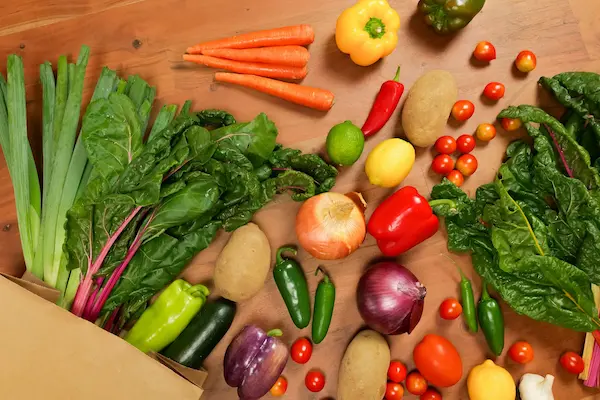
Seasonal produce is one of the rare grocery upgrades that can taste better and cost less at the same time, which is why home cooks love it once it clicks.
This guide shows how to shop seasonal produce with simple steps, realistic examples, and storage tricks that stretch freshness without stretching your budget.
How to Shop Seasonal Produce and Why It Often Costs Less
Seasonal fruits and seasonal vegetables usually get cheaper when they are harvested in abundance, because higher supply and shorter storage time tend to reduce the hidden costs built into the price.
Transportation can be a quiet budget drain, since produce shipped long distances often needs extra packaging, extra handling, and extra cold storage before it ever reaches your cart.
Flavor improves when crops are picked closer to ripeness, because a tomato or peach that matures naturally on the plant tends to develop more aroma and sweetness than a travel-ready version.
Texture often benefits too, because produce bred to survive long shipping can be sturdy but less juicy, which matters when you want salads, salsas, and simple side dishes to shine.
Predictability is the real superpower, because once you learn seasonal patterns you stop impulse-buying random items and start building meals around what is plentiful and priced kindly.
Waste drops when you choose produce that is naturally abundant right now, since those items are more likely to be fresh in-store and more likely to last long enough for you to actually use them.
Value becomes clearer when you think in “cost per meal,” because a big bag of in-season greens that becomes three dinners can beat a tiny clamshell of out-of-season greens that wilts before day two.
- Abundance creates price drops, which is why the same seasonal vegetables can swing dramatically between peak season and off-season.
- Ripeness drives taste, which is why in-season fruit often needs less sugar, less dressing, and less effort to taste great.
- Freshness supports longevity, which is why peak-season items frequently keep their texture better when stored properly at home.
Seasonal Buying Basics: What “In Season” Actually Means
Seasonality is regional, because growing calendars change with climate, altitude, and local farming methods, so “in season” can look different depending on where you live.
Local markets often highlight what is truly coming from nearby farms, yet grocery stores can carry a mix of local and imported items that makes the definition feel blurry.
Imported produce is not automatically bad, because global supply can keep variety available year-round, but the best “seasonal” value usually shows up when an item is abundant closer to home.
Weather can shift timing, because a colder spring or hotter summer can move harvest windows earlier or later, which is why staying flexible matters more than memorizing exact dates.
Sales cycles can mimic seasons, because retailers frequently promote whatever is arriving in volume, so weekly flyers and in-store displays can be helpful clues even when you are new to the rhythm.
Frozen produce belongs in the seasonal conversation, because frozen seasonal fruits are often processed at peak ripeness and can be a smart backup when fresh options are expensive.
Home cooking gets easier when you treat seasons as a “menu theme,” because a seasonal mindset gives you a default direction instead of forcing you to invent dinner from scratch every time.
Quick clues that an item is in season right now
- Look for larger displays and more varieties, because stores tend to allocate more space when supply is strong and prices are competitive.
- Notice lower price per pound or per kilo, because abundant harvests usually push the unit price down compared with the same item in other months.
- Expect better smell and color, because in-season fruit often has more fragrance and richer tones when it has not been rushed through long storage.
- Watch for “local” signage at local markets, because vendors typically emphasize nearby harvests when they are plentiful and proud.
How to Shop Seasonal Produce in Any Grocery Store Without Overthinking
Start with one simple rule, because the easiest way to shop seasonal produce is to let the produce section tell you what is abundant instead of forcing a plan that fights the current supply.
Displays near the entrance often act like a seasonal highlight reel, since retailers put their best-priced and best-looking seasonal fruits up front to create excitement.
Color is a practical shortcut, because a produce wall full of deep greens, bright berries, or piles of squash usually signals “this is peaking” better than any label does.
Unit pricing keeps you honest, because comparing cost per pound or per kilo protects you from being dazzled by small packages that look cheap but cost more per serving.
Ripeness variety is your friend, because mixing ready-to-eat items with slightly under-ripe items helps you avoid the “everything ripens on the same day” problem.
Meal planning becomes simpler when you buy a few flexible staples, because onions, carrots, cabbage, potatoes, and hardy greens can adapt to soups, stir-fries, trays, and salads.
Confidence grows when you choose one “hero” ingredient per trip, because a single seasonal star like tomatoes or peaches can anchor multiple meals with minimal effort.
A straightforward step-by-step produce trip plan
- Scan the biggest displays first, because they often reveal what is plentiful and priced to move quickly.
- Pick one seasonal fruit and one seasonal vegetable, because pairing them creates balance and prevents random cart chaos.
- Check the unit price before you commit, because budget produce decisions are easiest when you compare cost per weight instead of package price.
- Choose mixed ripeness when possible, because staggered ripening helps you finish what you buy without rushing.
- Plan two simple meals immediately, because a quick plan turns ingredients into dinners instead of good intentions.
- Buy only the amount you can prep, because washing, chopping, and storing well is what turns fresh produce into real savings.
Easy meal pairings that use seasonal produce efficiently
- Turn ripe tomatoes into a simple pan sauce, because a fast sauce can top pasta, eggs, or grain bowls for multiple meals.
- Roast a tray of seasonal vegetables, because roasted vegetables reheat well and can fill tacos, salads, and sandwiches.
- Blend seasonal fruits into smoothies, because blending helps use fruit that is very ripe while still tasting fresh and bright.
- Toss tender greens with a quick dressing, because simple salads are more likely to happen when prep is minimal.
Seasonal Fruits and Seasonal Vegetables: Practical Examples by Season
General season examples help you shop faster, because you can walk in with a short mental shortlist and then adjust based on what looks best in your region.
Flexibility keeps this realistic, because microclimates and store supply vary, so the goal is pattern recognition rather than perfect calendar accuracy.
Quality signals matter more than labels, because the best seasonal fruits are usually the ones that smell fragrant and look vibrant without excessive bruising.
Cooking methods can stretch seasons, because grilling, roasting, and quick sautéing can make slightly less-perfect produce taste great and reduce waste.
Freezing and storing are part of seasonal strategy, because buying a little extra at peak price and preserving it can improve your meals long after the harvest window closes.
Spring: fresh, tender, and bright
Spring often brings crisp greens and delicate vegetables, because cooler weather supports leafy growth and quick harvest cycles.
- Consider asparagus, because firm stalks with tight tips tend to roast beautifully and signal freshness when they snap cleanly.
- Try peas and sugar snaps, because their sweetness often peaks when they are truly seasonal and they need very little cooking.
- Grab strawberries when they smell like strawberries, because fragrance is a better clue than size when you want real flavor.
- Choose radishes and spring onions, because they add crunch and brightness to salads and quick pickles without much prep.
- Look for tender herbs, because spring herbs can lift simple dishes and help you create variety without buying extra proteins.
Summer: juicy, colorful, and abundant
Summer is the season that makes seasonal shopping feel obvious, because many warm-weather crops arrive in waves and prices often dip when supply floods in.
- Pick tomatoes that feel heavy for their size, because weight often hints at juiciness and better texture for salads and sauces.
- Choose peaches and nectarines with a sweet aroma, because smell usually predicts flavor better than a perfectly unblemished skin.
- Buy berries that look dry and intact, because leaky containers often mean crushed fruit that spoils faster at home.
- Stock up on zucchini and summer squash, because they are versatile, quick-cooking, and easy to shred into fritters or bake into savory loaves.
- Add corn when it is widely displayed, because high turnover usually means fresher ears and better sweetness.
Fall: hearty, sweet, and roast-friendly
Fall tends to shift toward sturdy produce, because plants store energy in roots and squashes while cooler nights support crisp textures.
- Explore apples with different tartness levels, because mixing varieties can improve pies, sauces, and snacks without extra sugar.
- Choose winter squash like butternut or kabocha, because dense squash becomes creamy when roasted and can stretch into soups and sauces.
- Buy sweet potatoes when the price drops, because they store well and make quick meals feel comforting and filling.
- Pick cauliflower and broccoli when heads are tight, because tight florets usually mean freshness and better roasting results.
- Grab pears when they are firm, because pears often ripen best at home and can be staggered for slower, less wasteful eating.
Winter: durable, citrusy, and slow-cooked friendly
Winter shopping can still feel abundant, because storage crops, hardy greens, and citrus often carry the season with bright flavors and strong shelf life.
- Choose oranges, mandarins, and grapefruit when they feel heavy, because heaviness often signals juiciness and better value per fruit.
- Lean into cabbage, because it is budget produce gold that lasts long and turns into slaws, sautés, soups, and braises.
- Buy kale, collards, and sturdy greens, because they hold up in cooking and can survive longer in the fridge than delicate salad greens.
- Rely on carrots, beets, and turnips, because root vegetables roast well and sweeten naturally with slow heat.
- Keep onions and garlic around, because they build flavor in almost every dish and help seasonal vegetables taste rich and satisfying.
Local Markets: How to Shop Seasonal Produce With Confidence and Calm
Local markets can feel intimidating at first, because prices, varieties, and unfamiliar vegetables can make you worry you will buy the wrong thing.
Conversation is your shortcut, because vendors can tell you what is most abundant, what is best today, and what will last the longest in your kitchen.
Seasonality becomes clearer at local markets, because the selection usually reflects what is actually being harvested nearby rather than what can be shipped from far away.
Budget produce strategies still apply, because even at local markets you can compare by weight, choose sturdier items, and buy in amounts you can realistically use.
Timing can change your experience, because early shopping often gives you the best selection while later shopping can sometimes give you better deals on remaining stock.
Curiosity pays off, because trying one new seasonal vegetable per visit keeps cooking interesting without turning your budget into an experiment gone wrong.
Smart ways to use local markets without overspending
- Arrive with a short list and one flexible idea, because structure prevents impulse buying while flexibility lets you take advantage of peak-season surprises.
- Ask what is most abundant this week, because abundance often predicts better pricing and better flavor.
- Compare sizes and weights visually, because two baskets with the same price can hold very different amounts of food.
- Buy “seconds” or slightly imperfect produce if offered, because cosmetic flaws often do not affect taste and can reduce cost.
- Choose one bulk item only when you have a storage plan, because bulk without a plan turns into waste in the crisper drawer.
Questions that make vendors your seasonal allies
- Ask what tastes best today, because peak flavor is the entire reason seasonal shopping is worth learning.
- Ask how to store it, because a 10-second storage tip can add days of freshness at home.
- Ask how it is usually cooked, because a simple cooking method reduces the chance your new vegetable becomes a forgotten science project.
- Ask what will be abundant next week, because planning helps you delay purchases when you suspect prices will drop soon.
Budget Produce Strategies That Make Seasonal Shopping Feel Effortless
Budget produce shopping becomes easier when you treat it like a small system, because systems protect you from the tired, hungry choices that inflate grocery totals.
Flexibility saves money, because swapping one fruit for another similar seasonal fruit can keep your cart affordable without sacrificing freshness.
Whole produce is often cheaper than pre-cut, because convenience adds labor cost and also reduces shelf life, which increases the chance of paying for food you do not finish.
Hearty seasonal vegetables can anchor meals, because cabbage, squash, and root vegetables create filling volume at a lower cost than relying on expensive proteins alone.
Bulk buys can be smart only with a plan, because the best price is not the cheapest sticker price but the lowest price for food you actually eat.
Frozen options can be your off-season backup, because frozen seasonal fruits and vegetables often deliver reliable quality when fresh versions are overpriced or tired-looking.
Budget produce rules that are simple and effective
- Prioritize versatile items first, because onions, carrots, and greens can become multiple meals with minimal extra ingredients.
- Choose sturdier produce when your week is busy, because hardy seasonal vegetables last longer when you do not have time to cook immediately.
- Buy smaller amounts of delicate items, because berries and tender greens spoil faster and deserve a realistic plan.
- Use unit prices when possible, because comparing cost per kilo or per pound protects you from packaging tricks.
- Shop your pantry before you shop the store, because pairing seasonal produce with what you already have reduces extra spending.
A realistic “two-meal minimum” test for purchases
- Imagine two meals you will actually cook, because planning two uses makes it far more likely the produce gets eaten rather than forgotten.
- Confirm you have the basics to support it, because garlic, oil, salt, and a simple starch can turn seasonal vegetables into a full dinner.
- Decide how you will use leftovers, because roasted vegetables and cooked grains can become lunches without extra effort.
- Limit experiments to one item at a time, because learning one new ingredient is fun while buying five unfamiliar items is stressful.
How to Pick Seasonal Fruits and Vegetables So They Last Longer at Home
Selection is where savings begin, because choosing produce that is fresh and appropriately ripe reduces spoilage and keeps your meals flexible.
Ripeness should match your schedule, because buying everything at peak ripeness only works when you plan to eat it immediately.
Texture checks are practical, because firmness, weight, and skin condition often reveal more than a perfect-looking surface does.
Bruises are not always fatal, because minor bruising can be trimmed, yet widespread soft spots can accelerate spoilage across an entire bag.
Stem and leaf freshness can help with certain items, because lively greens and intact stems often signal recent harvest and better storage potential.
Smell matters for some fruits, because aroma is a strong predictor of flavor and can also tell you whether a fruit is overripe.
Simple picking tips that work across many categories
- Choose heavier fruit when comparing similar sizes, because more weight often means more juice and better eating quality.
- Select firm produce for later-in-the-week meals, because slightly under-ripe items give you a longer window to cook without rushing.
- Avoid damp containers of berries, because moisture speeds mold growth and shortens shelf life dramatically.
- Check the bottoms of clamshells and bags, because hidden crushed pieces can spoil the rest faster than you expect.
- Pick greens with crisp stems, because limp stems usually mean the greens have already lost moisture and will decline quickly at home.
Storing Seasonal Produce: The Fridge Tricks That Protect Flavor and Budget
Storage is the quiet difference between “seasonal shopping saves money” and “seasonal shopping rots in my fridge,” because even perfect produce can fail without basic handling.
Moisture control matters, because too much moisture invites mold while too little moisture invites wilting, so your goal is balanced airflow and gentle protection.
Ethylene gas is a real factor, because certain fruits release a natural ripening gas that can speed up ripening in nearby produce when you did not intend it.
Room-temperature storage is sometimes better, because tomatoes, bananas, and certain stone fruits can lose flavor and texture when refrigerated too early.
Separation prevents chain-reaction spoilage, because one overripe item can push several others over the edge in a day or two.
Visibility supports usage, because produce that you can see is produce that you remember to cook, which is a surprisingly powerful waste-prevention tactic.
Storage guidelines you can use immediately
- Store leafy greens in a breathable container with a dry paper towel, because the towel absorbs excess moisture while the container protects delicate leaves.
- Keep herbs like a bouquet when possible, because stems in a little water can extend life and keep herbs perky for quick cooking.
- Separate ethylene producers from sensitive items, because apples and bananas can push leafy greens and cucumbers to age faster.
- Use paper for mushrooms, because a paper bag helps manage moisture better than airtight plastic that traps condensation.
- Keep potatoes and onions apart in a cool dark spot, because storing them together can accelerate spoilage and sprouting.
A simple “store it the day you buy it” routine
- Clear one shelf or drawer zone, because an organized space prevents produce from being buried behind leftovers.
- Remove rubber bands and tight ties, because they can bruise stems and trap moisture in ways that speed decay.
- Wipe off obvious dirt without soaking everything, because washing too early can add moisture that shortens life for some items.
- Group produce by how soon you will eat it, because an “eat first” zone makes weekday decisions faster.
- Label any prepped containers with a date, because gentle accountability helps you use the oldest items first.
How to Freeze Seasonal Produce So Peak Flavor Lasts Beyond the Season
Freezing is the easiest preservation method for most home cooks, because it locks in seasonal value without requiring special equipment beyond bags, containers, and a little planning.
Texture changes are normal, because frozen produce can soften, yet frozen vegetables and fruits still shine in smoothies, sauces, soups, and baked dishes.
Blanching matters for many seasonal vegetables, because a quick boil and cool-down can protect color, texture, and flavor by slowing enzyme activity.
Portioning saves headaches, because freezing in meal-sized amounts prevents the “giant frozen block” problem that discourages you from using what you saved.
Flat-freezing helps with fruits, because spreading berries on a tray before bagging reduces clumps and makes it easy to grab a handful at a time.
Labeling is not optional if you want results, because mystery bags in the freezer are where good intentions go to disappear.
How to freeze seasonal vegetables step by step
- Wash and trim the vegetables, because clean prep prevents grit and makes cooking later feel effortless.
- Cut into cooking-friendly sizes, because you will thank yourself when the frozen pieces go straight into the pan.
- Blanch in boiling water briefly when appropriate, because blanching can preserve bright color and reduce off-flavors during storage.
- Cool quickly in cold water, because rapid cooling stops cooking and helps keep texture more pleasant.
- Dry thoroughly before freezing, because excess water creates ice crystals that can make texture mushier.
- Freeze in flat bags or shallow layers, because thin layers stack well and thaw faster for busy weeknights.
How to freeze seasonal fruits without turning them into a sticky mess
- Rinse gently and dry completely, because moisture on fruit surfaces can create icy coating and clumping.
- Slice larger fruits and remove pits, because frozen pits and thick skins make later use annoying.
- Spread pieces on a tray for a first freeze, because single-layer freezing keeps pieces separate and easy to portion.
- Transfer to labeled bags after firm, because the second step lets you store compactly without losing convenience.
- Freeze fruit at peak ripeness, because freezing does not improve flavor and works best when the fruit already tastes great.
Freezer ideas that turn seasonal produce into ready meals
- Freeze chopped peppers and onions together, because a pre-made base makes stir-fries, eggs, and soups faster.
- Freeze roasted tomatoes as sauce starters, because roasted flavor builds depth instantly without hours of simmering.
- Freeze herb cubes in small portions, because herbs are easier to use when they are already chopped and portioned.
- Freeze shredded zucchini in measured bags, because it disappears into muffins, fritters, and soups with very little effort.
- Freeze berries in snack-size portions, because portion control makes smoothies and yogurt bowls effortless on rushed mornings.
How to Shop Seasonal Produce With Meal Planning That Stays Simple
Meal planning is the bridge between buying seasonal produce and actually eating it, because a plan turns ingredients into meals before the week gets busy.
Seasonal planning works best with templates, because repeating a few meal formats reduces decision fatigue while still letting you rotate seasonal fruits and vegetables.
Two-cook methods are especially helpful, because cooking once and repurposing leftovers helps you use produce before it loses freshness.
Flavor variety can come from sauces and toppings, because changing seasoning is cheaper than buying entirely different ingredients every time.
Balanced meals are easier when produce is the center, because then proteins become supporting players rather than the most expensive part of every plate.
Freezer backups reduce stress, because frozen seasonal produce can rescue you when fresh produce runs out midweek.
Three seasonal meal templates you can repeat weekly
- Build a sheet-pan dinner, because roasting seasonal vegetables alongside a protein creates a full meal with minimal dishes.
- Create a big salad plus a warm component, because a cold base and a warm topping make salads satisfying even in cooler months.
- Make a pot of soup or stew, because seasonal vegetables become rich and comforting when simmered and leftovers reheat beautifully.
A weekly planning method that keeps produce moving
- Choose one produce-heavy dinner for early week, because using delicate items first prevents midweek spoilage.
- Choose one roasted or braised dinner for later week, because sturdier seasonal vegetables can handle a few days in the fridge.
- Plan one flexible leftover meal, because leftovers plus fresh greens can become bowls, wraps, or quick fried rice.
- Assign fruit to specific moments, because breakfast smoothies, lunch snacks, or dessert fruit bowls keep fruit from being forgotten.
- Reserve one “clean out the crisper” recipe, because a stir-fry, soup, or frittata can absorb mixed produce without fuss.
Common Seasonal Produce Mistakes and the Easy Fix for Each One
Mistakes happen because produce is perishable, yet most problems have a simple correction that makes the next trip better rather than more stressful.
Overbuying is the biggest issue, because excitement about seasonal fruits can outrun realistic cooking time, especially during busy weeks.
Under-prepping is another common trap, because produce that is not washed, chopped, or stored well tends to sit untouched until it declines.
Shopping without a plan can also cost more, because random produce purchases often require extra ingredients later to become a cohesive meal.
Choosing only fully ripe items can backfire, because everything becomes urgent at once and the pressure creates waste.
Ignoring storage basics can erase savings, because a few small storage habits can add days of life to many seasonal vegetables.
Mistake-to-fix cheat sheet
- Replace “buy everything that looks good” with “buy one hero item,” because one hero ingredient can still feel fun while keeping your cart controlled.
- Swap “I’ll prep later” for “prep one thing today,” because even washing greens or slicing peppers can dramatically increase weeknight follow-through.
- Trade “all ripe now” for “some ripe, some later,” because mixed ripeness gives you a longer, calmer eating window.
- Shift “mystery crisper drawer” to “visible containers,” because visibility is one of the simplest ways to reduce forgotten produce.
- Use frozen produce as a backup, because relying on frozen seasonal fruits can protect your budget when fresh is pricey or short-lived.
Quick Reference: How to Shop Seasonal Produce on a Busy Week
Busy weeks need a lighter approach, because the best seasonal plan is the one you can actually follow when time and energy are limited.
Sturdy budget produce becomes your backbone, because long-lasting seasonal vegetables let you cook later without losing the food you paid for.
Simple cooking methods win, because roasting, sautéing, and blending are forgiving and can make many seasonal fruits and vegetables taste great without complicated recipes.
Small routines beat big projects, because a five-minute wash-and-store habit can outperform an ambitious meal plan that never happens.
Your 5-minute seasonal produce decision checklist
- Pick one seasonal fruit that you will eat raw, because immediate snacking is the fastest path to actually finishing what you buy.
- Pick one seasonal vegetable that cooks quickly, because weeknight-friendly items reduce the temptation to order takeout.
- Pick one sturdy vegetable for later, because a hardy backup prevents end-of-week dinner panic.
- Check that you have one easy seasoning path, because garlic, lemon, herbs, or a simple sauce keeps vegetables exciting.
- Decide how you will store everything today, because storage is the difference between “fresher food” and “forgotten food.”
Fast ideas for turning produce into meals with minimal effort
- Make a quick stir-fry, because mixed seasonal vegetables can become dinner in one pan with a simple protein and rice.
- Blend a soup, because roasted seasonal vegetables can be puréed into something comforting with very little extra work.
- Build a bowl, because grains plus greens plus roasted vegetables create flexible meals that handle leftovers well.
- Assemble a snack plate, because fruit, yogurt, nuts, and sliced vegetables can prevent “nothing to eat” moments.
How to Shop Seasonal Produce With a Long-Term “Peak Season Pantry” Mindset
Long-term savings show up when you treat peak season like an opportunity to stock flavor, because freezing, roasting, and storing small portions lets you enjoy seasonal taste later.
Variety prevents boredom, because preserving a few different seasonal fruits and vegetables gives you more options than freezing one giant batch of the same item.
Small batches feel more realistic, because freezing two bags of berries today and two bags next week is easier than a single exhausting preservation day.
Labeling keeps you honest, because you will use what you recognize and you will ignore what feels like a mystery.
Rotation protects quality, because older frozen items should be used first to keep textures and flavors pleasant.
Confidence grows when you practice, because the first time you freeze vegetables you learn what you like, and the second time you get faster and more relaxed.
Peak-season preservation ideas that stay simple
- Freeze chopped greens for soups, because cooking hides texture changes and turns saved greens into instant nutrition.
- Freeze fruit for baking, because pies, crisps, and muffins welcome slightly softer fruit and still taste wonderful.
- Freeze roasted vegetables for bowls, because roasting adds flavor that survives freezing better than raw pieces in many cases.
- Freeze citrus zest in small amounts, because zest adds brightness to winter meals when fresh options feel limited.
Independence Notice
This content is independent and is not affiliated with, sponsored by, or controlled by any grocery stores, local markets, farms, platforms, brands, or third parties mentioned or implied.
No relationship or control exists between this guide and any institution or retailer, and the examples are provided only to explain common seasonal produce shopping patterns.