
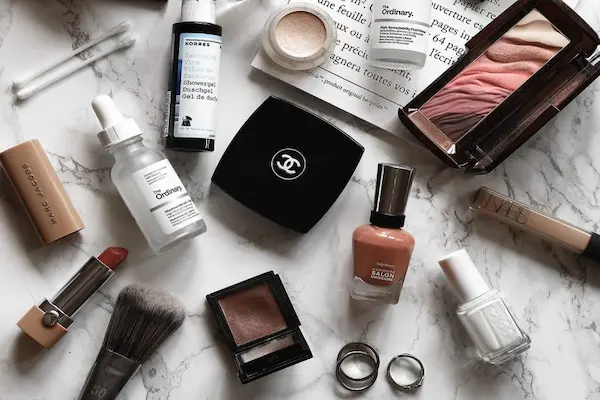
Skincare can look like a hundred-step puzzle when marketing, influencers, and “miracle” claims flood your feed, yet healthy skin usually responds best to calm consistency.
This guide is a skincare starter guide built for real life, so you can choose a simple routine, read ingredients without panic, and keep budget skincare decisions grounded.
Smart Shopping for Skincare Basics Starts With a Clear Definition of “Basic”
Basic skincare is not “doing nothing,” and it is also not owning a shelf full of serums, because the practical definition is a small set of steps that protect your skin barrier while addressing only the concerns that truly bother you.
Barrier support matters because your skin is designed to keep water in and irritants out, so routines that strip and over-treat often create the very dryness, redness, and breakouts people try to fix.
Marketing tends to sell complexity because complexity sells more items, while your skin often prefers fewer changes, fewer surprises, and fewer opportunities for irritation.
Budget clarity improves when you decide what “success” looks like, because glowing-ad language can push you toward vague goals that require endless products and endless spending.
Gentle, inclusive skincare means choosing steps that work across many skin types, and then adapting slowly as you learn what your own face actually likes day after day.
What a “basic routine” usually includes
- A cleanser that removes dirt, sunscreen, and makeup without leaving your skin tight or squeaky, because tightness is often a sign you removed too much protective oil.
- A moisturizer that supports comfort and barrier function, because hydrated skin is typically less reactive and more resilient.
- A sunscreen you will actually wear, because sun exposure is a major driver of visible aging and uneven tone for many people.
- An optional targeted treatment only when needed, because adding actives too early can turn a calm routine into a cycle of irritation.
Three mindset shifts that make skincare feel simpler
- Consistency beats novelty, because the most expensive routine does not help if it changes weekly and never settles into a stable baseline.
- Comfort is data, because stinging, burning, and persistent tightness are meaningful signals that deserve attention rather than endurance.
- One change at a time wins, because you can only learn what works when you can actually identify which product caused the improvement or the problem.
Skincare Starter Guide: The Skin Barrier, Explained in Plain Language
Your skin barrier is like a protective “brick-and-mortar” layer, where skin cells act as bricks and fats like ceramides and cholesterol help hold everything together, which is why harsh cleansing and over-exfoliation can make skin feel rough and sensitive.
When the barrier is supported, skin often looks smoother and feels calmer, so many “problem skin” moments improve simply because irritation is reduced and moisture is retained more effectively.
Signs of a stressed barrier can include persistent dryness, flaking, sudden sensitivity to products you once tolerated, and a shiny-tight feeling that can be mistaken for “clean.”
Barrier-friendly routines emphasize gentle cleansing, simple hydration, and steady sun protection, because these steps reduce ongoing stressors while giving your skin time to normalize.
Science-aware skincare does not require you to memorize biochemistry, because you can rely on consistent signals like comfort, reduced redness, and fewer reactive flare-ups as your practical feedback loop.
Common ways the barrier gets stressed
- Frequent scrubs and aggressive exfoliants, because physical friction and strong acids can disrupt the surface before your skin has time to recover.
- Over-cleansing or cleansing with very stripping formulas, because removing too much oil can increase water loss and trigger compensatory irritation.
- Using too many actives at once, because layering multiple strong ingredients can exceed what your skin can tolerate even if each one is fine alone.
- Skipping moisturizer after drying steps, because dehydration makes sensitivity more likely and can worsen the look of texture.
- Inconsistent sunscreen use, because repeated UV stress can prolong discoloration and slow healing after breakouts or irritation.
Smart Shopping for Skincare Basics: The Three-Step Simple Routine
A simple routine works because it covers the essentials without overwhelming your skin or your budget, which means you can focus on a few products that you repurchase and use consistently.
Morning and evening do not need to be identical, because your skin’s needs change across the day, and nighttime is often the best time for richer moisture or a gentle treatment if you choose one.
“Less but better” becomes realistic when you choose products that feel comfortable and fit your habits, because the best routine is the one you can repeat without dread or confusion.
Morning simple routine
- Cleanse lightly if needed, because some people do well with water-only in the morning while others prefer a gentle wash to remove sweat and oil.
- Moisturize if your skin feels dry or tight, because comfort helps your barrier and can make sunscreen apply more smoothly.
- Apply sunscreen generously as the final step, because sunscreen needs to sit on top to protect effectively.
Evening simple routine
- Cleanse to remove sunscreen and grime, because leftover residue can contribute to irritation and clogged-feeling skin for some people.
- Moisturize to support overnight repair, because skin often loses water while you sleep and benefits from barrier support.
- Use a targeted treatment only if you have a clear goal, because treatments are optional and should serve your needs rather than a trend.
What “simple” looks like in practice
- Fewer steps means fewer reactions, which is especially helpful if your skin is sensitive or you are new to skincare.
- Basic products can still be effective, because cleanser, moisturizer, and sunscreen do most of the heavy lifting for many concerns.
- Targeted treatments become easier to judge, because a stable baseline lets you see whether an active ingredient truly helps.
Read Ingredients Without Fear: A Calm Way to Understand Labels
Ingredient lists can look intimidating, yet a simple approach makes them manageable, because most formulas are built from a few functional groups repeated in different combinations.
Order matters because ingredients are typically listed from higher to lower amounts, so the first several ingredients often tell you what the product mainly is and how it is structured.
“Actives” are ingredients included for a specific skin effect, while “supporting ingredients” help with texture, preservation, and stability, which is why two products can share a headline active but feel totally different on the skin.
Fragrance deserves attention because it is a common trigger for irritation in some people, yet tolerance varies, so noticing your own response matters more than fear-based rules.
“Clean,” “natural,” and “non-toxic” are marketing terms rather than universal scientific categories, so it helps to focus on how your skin reacts and whether the product meets your needs.
Ingredient categories you will see again and again
- Humectants that attract water, such as glycerin and hyaluronic acid, because they help skin feel plumper and more comfortable when paired with a good moisturizer base.
- Emollients that smooth and soften, such as certain oils and fatty alcohols, because they improve texture and reduce roughness.
- Occlusives that reduce water loss, such as petrolatum and dimethicone, because they form a protective layer that helps prevent dryness.
- Surfactants in cleansers, because they lift oil and dirt, yet they vary in gentleness and can be too strong for some skin types.
- Preservatives that keep products safe, because water-based skincare needs protection against microbial growth.
Fast label-reading habits that reduce overwhelm
- Identify the product type first, because a cleanser and a moisturizer have different goals and different “good” ingredient patterns.
- Look for a short list of known irritants for your skin, because your personal triggers matter more than internet debates.
- Find the headline features you actually care about, because extra claims can distract from what your skin truly needs.
- Notice fragrance and essential oils if you are sensitive, because “pleasant scent” can be a deal-breaker for reactive skin.
- Compare texture expectations to your preferences, because a technically good formula still fails if you hate how it feels and therefore skip it.
Budget Skincare: Where to Spend a Little More and Where to Save
Smart spending in skincare is about cost-per-use and consistency, because a moderately priced product used daily often outperforms an expensive product used occasionally and resentfully.
Sunscreen is a category where comfort and wearability matter, because if the formula feels greasy or stings your eyes, the best protective step becomes the easiest step to skip.
Moisturizer value depends on your skin type, because dry skin may benefit from richer formulas while oily skin may prefer lighter textures that still support the barrier.
Cleansers often allow the most savings because they are on the skin briefly, although harsh cleansers can still cause problems, so gentleness matters more than price tag.
Targeted treatments can be worth paying for when you have a specific need, yet the basic routine should be stable before you invest heavily in actives.
A practical budget strategy that stays realistic
- Spend on sunscreen you will wear daily, because daily use is where protection adds up.
- Save on cleanser as long as it is gentle, because effectiveness comes from consistent removal without stripping.
- Choose moisturizer based on feel and tolerance, because comfort predicts compliance far better than luxury branding.
- Add one targeted treatment only after basics feel steady, because stacking many actives can waste money and irritate skin.
How to compare prices in a way that actually helps
- Compare cost per milliliter or ounce, because small bottles can look cheap while costing more per use.
- Estimate how long the product will last with your routine, because “value” is about weeks of use rather than the moment of purchase.
- Consider return policies and sample sizes where available, because trying before committing can prevent expensive mistakes.
- Budget for repurchases, because the product you can afford repeatedly is usually the best long-term choice.
Choosing a Cleanser: Gentle Does Not Mean Weak
A cleanser’s job is to remove buildup without punishing your skin, which means a good cleanser leaves you feeling clean and comfortable rather than tight and squeaky.
Foaming textures can feel satisfying, yet foam is not the same as effectiveness, because some gentle cleansers foam lightly while some harsh cleansers foam aggressively.
Double cleansing can help some people who wear heavy sunscreen or makeup, yet it is not mandatory, because a single effective cleanse can be enough for many routines.
Oil cleansers and balm cleansers dissolve stubborn products well, while water-based cleansers remove remaining residue, which is why a two-step approach can feel smoother for certain skin types.
Sensitive skin often prefers fewer fragrances and fewer strong surfactants, because repeated daily cleansing is a high-frequency exposure that can amplify irritation over time.
How to pick a cleanser by skin feel
- Dry or tight-feeling skin often does best with creamy or hydrating cleansers, because these formulas typically cleanse without removing too much oil.
- Oily or sweaty skin often enjoys gel or gentle foaming cleansers, because they reduce slickness while still avoiding harsh stripping.
- Acne-prone skin can benefit from either gentle cleansing or a targeted acne cleanser, because over-cleansing can worsen irritation even when breakouts are the concern.
- Sensitive skin often does best with simple, fragrance-minimized options, because fewer triggers makes it easier to identify what helps.
Signs your cleanser may be too harsh for you
- Persistent tightness after washing, because that sensation often signals over-stripping rather than “extra clean.”
- Stinging when applying basic moisturizer afterward, because a compromised barrier makes even gentle products feel irritating.
- New flaking and redness near the nose or mouth, because frequent stripping can trigger irritation in high-movement areas.
- Rebound oiliness that appears quickly, because irritation can sometimes mimic oiliness or trigger compensatory shine.
Choosing a Moisturizer: Texture, Barrier Support, and “Feels Right” Matter
A moisturizer is essentially a comfort and barrier-support tool, because it helps reduce water loss while making skin feel smoother, less itchy, and less reactive.
Lightweight gels can still moisturize well if they contain humectants and barrier-friendly ingredients, while richer creams can help when dryness and tightness are persistent.
Oily skin still benefits from moisture, because dehydration can increase irritation and sometimes make the skin overcompensate with more oil production.
Layering can be useful, yet it can also be unnecessary, because a single well-chosen moisturizer often replaces multiple “hydrating” products that do the same job in different packaging.
Nighttime moisturizers can be slightly richer if that feels good, because overnight recovery is a convenient time for a comfortable, protective layer.
Moisturizer types and who often likes them
- Gel moisturizers tend to feel weightless, which can be ideal if heavy creams feel suffocating or greasy.
- Lotion textures balance comfort and lightness, which often works well for normal to combination skin.
- Cream textures feel richer, which can help dry skin or skin that feels rough and tight after washing.
- Ointment-like occlusives can seal in moisture, which can be helpful for very dry patches when used as a targeted layer.
Barrier-support clues to look for when you read ingredients
- Ceramides, cholesterol, and fatty acids are commonly associated with barrier support, because they relate to the lipids that help keep the surface resilient.
- Glycerin and similar humectants support hydration, because they help attract and hold water in the outer layers.
- Dimethicone can improve feel and reduce irritation for some people, because it forms a smooth protective layer without heavy greasiness.
Sunscreen: The Most “Basic” Step That Often Feels the Hardest
Sunscreen can be the most confusing purchase because formulas vary wildly in finish, eye comfort, white cast, and how they behave under makeup, which is exactly why shopping with clear criteria matters.
Daily sunscreen is a practical habit for many people, because ultraviolet exposure contributes to uneven tone and visible aging, and it can also worsen some forms of discoloration.
Mineral and chemical filters are two broad categories you may see on labels, yet comfort and tolerance differ person to person, so a gentle, inclusive approach focuses on what your skin accepts.
Reapplication expectations should be realistic, because perfect reapplication is difficult in daily life, and consistent morning use is still a meaningful foundation.
Budget skincare planning becomes easier when you choose a sunscreen you will not “save for special occasions,” because everyday use is where benefits accumulate.
How to choose a sunscreen without spiraling
- Start with a texture you will wear, because a disliked finish often becomes a skipped step no matter how good the protection claims are.
- Prioritize broad-spectrum protection when available in your region, because balanced coverage matters for everyday exposure.
- Check for eye comfort clues in reviews or your own experience, because stinging eyes is one of the most common reasons people give up.
- Choose a formula that works with your routine, because a sunscreen that pills over moisturizer can sabotage consistency.
- Buy a size you can repurchase comfortably, because the best sunscreen is the one that stays in rotation.
Practical sunscreen concerns and simple solutions
- White cast worries can be reduced by tinted options or careful blending, because pigment can help some formulas disappear more smoothly on deeper skin tones.
- Greasy feel can be reduced by using less heavy moisturizer underneath, because layering two rich products can feel too occlusive for some skin types.
- Pilling can be reduced by letting each layer set, because rubbing too quickly can cause product balls that feel unpleasant and look messy.
- Breakout concerns can be managed by patch testing, because tolerance is personal and reactions can differ even within the same filter category.
Targeted Treatments: When to Add One, and Which Ones Are “Beginner-Friendly”
Targeted treatments exist to address specific concerns like acne, uneven tone, or texture, yet the easiest routine is the one that works without constant troubleshooting.
Introducing a treatment makes sense when your basic cleanser, moisturizer, and sunscreen are consistent for a few weeks, because a stable baseline makes side effects easier to interpret.
Low-and-slow is a gentle strategy, because strong actives can be effective but can also cause irritation when introduced too quickly or layered without a plan.
Patch testing can reduce unpleasant surprises, because even well-loved ingredients can trigger sensitivity in certain people or in certain combinations.
Professional medical advice is important for persistent or severe skin conditions, because over-the-counter routines have limits and some symptoms deserve a clinician’s evaluation.
Common treatment ingredients and what they are often used for
- Salicylic acid is often used for clogged pores and breakouts, because it can help with oil and congestion when tolerated.
- Niacinamide is often used for barrier support and visible redness, because many people find it gentle and versatile, although sensitivities still happen.
- Azelaic acid is often used for uneven tone and blemish-prone skin, because it can be supportive for multiple concerns in a relatively gentle way for many users.
- Retinoids are often used for acne and texture, because they influence cell turnover, yet they also require patience and careful introduction to avoid irritation.
- Vitamin C products are often used for brightness, because antioxidant support is appealing, yet formulas vary widely and some can sting sensitive skin.
A safe-feeling “one treatment” introduction plan
- Pick only one active ingredient at a time, because stacking makes it hard to identify the source of irritation or benefit.
- Use it two nights per week at first, because tolerance often builds gradually and slower starts reduce barrier stress.
- Apply to dry skin unless directions say otherwise, because damp skin can increase penetration and intensify irritation for some actives.
- Moisturize afterward, because barrier support helps reduce dryness and discomfort during adjustment periods.
- Increase frequency slowly only if skin stays calm, because “more” is not better when the barrier is already stressed.
Product Review Tips for Skincare: How to Read Claims Without Getting Pulled Around
Skincare marketing is loud because attention is valuable, so reading labels and claims with discernment helps you keep decisions grounded in your needs rather than in trends.
“Dermatologist tested” can mean many things and does not always mean “dermatologist approved,” so treating it as one data point rather than a guarantee keeps expectations realistic.
“Hypoallergenic” is not a universal promise, because irritation is personal and depends on concentration, formulation, and your own sensitivity profile.
“Non-comedogenic” can be helpful as a hint, yet breakouts depend on more than one ingredient, so patch testing and routine simplicity are often more reliable than a single label.
“Fragrance-free” typically means no added fragrance, while “unscented” can still include masking scents, which is why reading ingredients matters when scent triggers you.
Claims that often sound impressive but need context
- “Clean beauty” and “toxin-free,” because these phrases are not standardized scientific categories and can distract from how the product actually performs on your skin.
- “Clinically proven,” because the details of what was tested and for how long matter, and vague claims can be hard to interpret.
- “Miracle results in days,” because skin typically changes gradually and real improvement often requires consistent weeks rather than quick fixes.
- “All-in-one,” because multi-claim products can be convenient yet still require you to confirm they meet your actual needs.
Label details that are genuinely useful for beginners
- Clear usage directions, because beginner routines improve when steps are simple and consistent.
- Skin type guidance that feels realistic, because “for everyone” can be true while still requiring personal testing for comfort.
- Warnings about irritation or sun sensitivity, because caution notes can help you introduce products more safely.
Smart Shopping for Skincare Basics by Skin Feel: Dry, Oily, Combo, and Sensitive
Skin “types” are helpful shortcuts, yet skin can shift with seasons, stress, hormones, and environment, which is why listening to daily comfort matters more than forcing yourself into a single label forever.
Dry skin often wants richer barrier support, because tightness and flaking usually improve when water loss is reduced and protective lipids are supported.
Oily skin often needs gentle cleansing and lightweight moisture, because stripping can increase irritation while still leaving you shiny and uncomfortable.
Combination skin benefits from flexible application, because the T-zone and cheeks may want different amounts of the same product rather than totally different routines.
Sensitive skin benefits from fewer steps and fewer fragrances, because simplifying variables reduces the odds of repeated irritation and makes troubleshooting easier.
Dry-leaning skin shopping checklist
- Choose a non-stripping cleanser, because harsh washing can make dryness feel worse immediately.
- Prefer a cream or richer lotion moisturizer, because extra barrier support can reduce roughness and tightness.
- Consider a gentle occlusive layer on dry patches, because targeted sealing can help areas like cheeks and around the mouth.
Oily-leaning or acne-prone skin shopping checklist
- Pick a gentle gel or light foaming cleanser, because comfortable cleansing can reduce greasy feel without triggering rebound irritation.
- Use a light moisturizer anyway, because balanced hydration can improve comfort and reduce the temptation to over-treat.
- Introduce a single acne-focused treatment only if needed, because too many actives can worsen redness and increase breakouts for some people.
Sensitive skin shopping checklist
- Start with fragrance-minimized basics, because fewer potential triggers makes early success more likely.
- Patch test every new product, because even gentle formulas can cause surprises on reactive skin.
- Change only one product at a time, because isolating variables makes reactions easier to interpret.
- Stop and simplify if stinging persists, because pushing through discomfort can prolong irritation and damage barrier comfort.
Budget Skincare Product Types That Often Work Well Without Fancy Packaging
Budget-friendly skincare can be excellent when the formula is well-made, because many effective ingredients are not rare and do not require luxury price tags to function.
Basic cleansers and moisturizers are often the most cost-effective purchases, because you use them consistently and they form the foundation of skin comfort.
Single-purpose products can outperform complicated “kitchen sink” blends, because fewer ingredients can be easier to tolerate and easier to troubleshoot.
Large sizes can save money when you already know you tolerate a product, yet trying smaller sizes first prevents a cabinet of regret.
Budget skincare categories that tend to be low-risk
- Gentle cleansers, because the goal is consistent removal without stripping rather than dramatic “active” results.
- Simple moisturizers, because hydration and barrier support usually come from a predictable set of ingredient categories.
- Basic lip balm and hand cream, because frequent application benefits from affordable options you will actually use.
- Body moisturizers, because body skin often tolerates a wider range of textures and can be cared for well with straightforward formulas.
When spending a bit more can be reasonable
- Sunscreen that feels cosmetically elegant, because comfort is the difference between daily use and occasional use.
- A single targeted treatment that addresses a clear concern, because focused spending can replace multiple random serums.
- Products for very sensitive skin if you have a history of reactions, because fewer irritants and better tolerability can prevent waste.
How to Build Your Routine Step by Step Without Triggering Irritation
Routine building works best when you treat it like a gentle experiment, because skin needs time to respond and your brain needs time to notice patterns without overwhelm.
Starting with cleanser, moisturizer, and sunscreen creates a stable base, because these steps reduce the background noise that can make every new product feel confusing.
Once basics feel comfortable, one optional treatment can be introduced slowly, because gradual additions reduce the chance of a sudden flare that forces you to reset everything.
Tracking does not need spreadsheets, because a simple note like “stung,” “felt tight,” or “looked calmer” can guide decisions more effectively than memory alone.
A beginner-friendly 4-week rollout
- Week 1: choose cleanser and moisturizer only, because comfort and barrier support should come first.
- Week 2: add sunscreen daily, because protection habits need repetition to feel automatic.
- Week 3: adjust moisturizer texture if needed, because the right feel increases consistency and reduces temptation to buy extras.
- Week 4: introduce one targeted treatment if you still want it, because stable basics make side effects easier to interpret.
Patch testing in a practical, non-scary way
- Apply a small amount to a discreet area, because a localized test can reveal irritation before you cover your whole face.
- Wait and observe over a day or two, because delayed irritation is common and deserves attention.
- Introduce the product slowly even after a good patch test, because full-face use can still feel different than a small test spot.
Signs You Might Be Overdoing It, and What to Do Instead
Overdoing skincare is incredibly common, because it feels productive to add more steps, yet the skin often responds by becoming redder, drier, or more reactive.
Stinging is not a badge of progress, because persistent discomfort usually signals irritation rather than effective “work.”
Breakouts can worsen from barrier stress, because inflamed skin can be more reactive to friction, heavy layering, and repeated ingredient exposure.
Simplifying can feel emotionally difficult when you spent money, yet a calm reset is often the fastest path back to comfort.
Common “too much” signals
- New burning or stinging with products that used to feel fine, because barrier stress can lower your tolerance broadly.
- Sudden flaking and rough patches, because irritation and dehydration often show up as texture changes.
- Redness that lingers for hours, because persistent inflammation is a sign to pause and reassess.
- Increased sensitivity to sun or heat, because over-exfoliation and strong actives can make skin feel more vulnerable.
A gentle reset plan that many people find calming
- Pause all actives for a week or two, because reducing variables gives the barrier time to recover.
- Use a gentle cleanser only as needed, because over-cleansing can prolong dryness and irritation.
- Moisturize generously with a simple formula, because comfort supports healing and reduces reactive cycles.
- Keep sunscreen daily, because protecting irritated skin helps prevent worsening discoloration and sensitivity.
- Seek professional medical advice for persistent irritation, because ongoing inflammation can reflect conditions that need tailored care.
How to Use Reviews Wisely When Shopping for Skincare Basics
Reviews can help when they discuss skin type, climate, and texture preferences, because “works great” means little without context about the person using it.
Extremes should be interpreted carefully, because one person’s miracle is another person’s irritation, and sensitive skin stories can be especially personal.
Look for patterns in comfort and consistency, because repeated mentions of stinging, pilling, or eye irritation can predict your daily experience more than star ratings do.
Ingredient sensitivities vary, so your personal history matters, and a well-reviewed product can still be a poor fit if it includes a trigger you already know bothers you.
Review filters that help with skincare shopping
- Search reviews for “sensitive,” “stings,” “burns,” and “fragrance,” because those keywords often reveal tolerability issues fast.
- Prioritize reviews that mention how long the person used it, because first-day impressions can miss delayed irritation or long-term dryness.
- Trust balanced reviews that mention pros and cons, because thoughtful reporting is usually more reliable than pure hype.
- Be cautious with reviews that read like ads, because overly promotional language can be a sign of bias or inauthenticity.
When to Seek Professional Medical Advice for Skin Conditions
This guide supports everyday shopping decisions, yet skincare is not medical care, and certain symptoms deserve evaluation from a qualified healthcare professional who can assess your specific situation.
Persistent acne, painful cysts, severe redness, ongoing rashes, and sudden changes in moles or skin lesions should be taken seriously, because early, accurate guidance can prevent worsening and reduce long-term frustration.
Conditions like eczema, rosacea, psoriasis, and allergic contact dermatitis can look similar to “bad product reactions,” which is why professional input can save you time and money.
Pregnancy, breastfeeding, and medical treatments can affect what products are appropriate, so personalized advice matters, especially when you are unsure about active ingredients.
Situations where getting medical advice is a smart next step
- Burning, swelling, or hives after a product, because allergic reactions can be serious and need proper evaluation.
- Acne that leaves scars or causes pain, because earlier treatment can reduce long-term marks and discomfort.
- Rashes that persist despite simplifying your routine, because ongoing inflammation can reflect an underlying condition.
- Sudden pigment changes, bleeding spots, or changing moles, because skin changes deserve timely professional assessment.
Quick Reference: Smart Shopping for Skincare Basics Checklist
A calm checklist keeps you grounded when marketing gets loud, because it turns shopping into a repeatable process rather than a stressful identity decision.
In-store or online “add to cart” checklist
- Confirm the product’s role in your simple routine, because buying duplicates of the same step is a common overspending trap.
- Choose texture you will use consistently, because consistency matters more than having the “most advanced” formula.
- Read ingredients for your known triggers, because your past reactions are more informative than any trend.
- Compare cost per amount, because value is about how long it lasts rather than the sticker price alone.
- Introduce only one new product at a time, because learning is faster when variables stay limited.
Low-risk starter cart example
- One gentle cleanser that leaves skin comfortable, because comfort signals barrier friendliness.
- One moisturizer that matches your skin feel, because a pleasant texture encourages daily use.
- One sunscreen you can tolerate daily, because steady protection is the most reliable long-term habit.
- Zero to one targeted treatment only if needed, because overbuying actives is the fastest path to irritation and wasted money.
Independence Notice
This content is independent and is not affiliated with, sponsored by, or controlled by any skincare brands, retailers, platforms, or third parties mentioned or implied.
No relationship or control exists between this guide and any institution or company, and the information is provided for general education rather than medical diagnosis or treatment.