
Getting paid should feel like relief, yet it often feels like water in your hands when money disappears before you can even name what happened.
Zero based budgeting is a structured way to stop the guessing, because you decide where income goes before it slips away on autopilot.
What zero based budgeting means in plain language
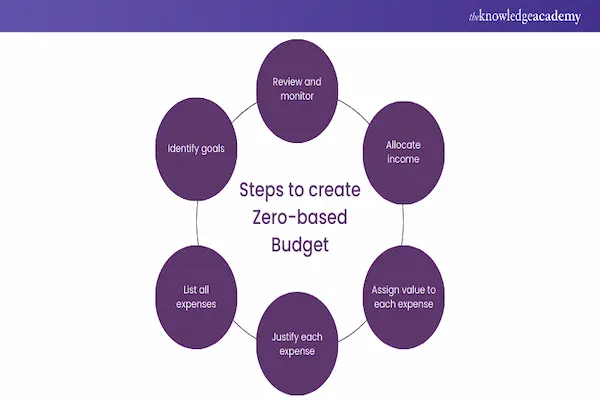
Zero based budgeting is a monthly planning method where you assign every dollar of income to a specific job until your remaining “to be assigned” amount reaches zero.
Clarity comes from giving each dollar a purpose, because purpose turns income into a plan instead of a vague hope that the month will “work out.”
Balance at zero does not mean you spend everything, because savings, debt payoff, and sinking funds are also categories that receive intentional dollars.
Control improves when decisions happen up front, because reacting mid-month often leads to stress, late fees, and “I’ll fix it next month” cycles.
Structure matters for cash flow, because a budget is not only about totals, but also about timing across paydays and bill due dates.
Confidence grows through repetition, because a simple process repeated each month builds money awareness faster than a complicated system you avoid.
Zero based budgeting vs a “loose budget”
Loose budgeting usually starts with a target like “spend less,” while zero based budgeting starts with a map that tells each dollar exactly where to go.
Loose budgeting often relies on willpower during the month, while zero based budgeting relies on decisions made calmly before the month begins.
Loose budgeting can hide leaks until you check your balance, while zero based budgeting forces visibility because every category has a planned amount.
Loose budgeting may feel easier at first, yet it can stay confusing, while a zero-based plan becomes easier as categories and habits stabilize.
Why money disappears for so many people after payday
Card taps, subscriptions, delivery, and “small” convenience purchases add up quietly, because frictionless spending rarely triggers the same caution as handing over cash.
Busy schedules amplify the problem, because decisions get made in a hurry and the brain chooses speed over reflection.
Recurring bills create a second layer of confusion, because irregular due dates can make your cash flow feel unpredictable even when your income is steady.
Emotional spending can also play a role, because stress, boredom, and fatigue are powerful nudges toward quick comfort purchases.
Tracking alone can help, yet planning is the missing piece for many people, because knowing where money went is different from deciding where money will go.
Zero based budget step by step: the complete beginner walkthrough
This zero based budget step by step process is designed to be practical, clear, and repeatable, even if you have never stuck with budgeting before.
Progress comes from doing the basics consistently, because the first “good enough” budget is far more valuable than a perfect budget that never gets used.
Step 1: Choose one simple budgeting period
Monthly planning is the classic approach, because most bills and income schedules naturally fit a monthly cycle.
Paycheck-based planning can also work, because dividing the month into smaller periods can make cash flow easier to manage when money feels tight.
- Monthly budgeting works well when bills are predictable and paydays are regular, because the full picture is visible at once.
- Paycheck budgeting works well when timing is the main challenge, because each paycheck gets assigned before the next one arrives.
- Hybrid budgeting works well when income varies, because you can plan a baseline month and adjust each paycheck as it lands.
Step 2: Calculate your real monthly income
Reliable income should be counted first, because building a plan on money you “might” receive can create shortfalls later.
Take-home pay is the number that matters most, because taxes and deductions are already gone before your budget begins.
Variable income needs a conservative estimate, because a realistic plan protects you from feeling like you failed when the month is simply uneven.
- List all paychecks you expect to actually receive this month, because expectation should be based on confirmed pay schedules rather than hope.
- Add any consistent extra income you can reasonably count on, because consistency is what makes a budget stable.
- Exclude uncertain bonuses or unpredictable gigs for now, because surprise income can be assigned later without breaking the plan.
Cash flow gets calmer when you treat extra income as “future decisions,” because future decisions are easier to make after essentials are already covered.
Step 3: List your non-negotiable bills and essentials first
Essentials come first because shelter, utilities, food basics, and transportation protect your stability, which is the foundation for every other money goal.
Fixed bills are easier to plan, because the amounts rarely change and due dates are usually consistent.
- Housing costs belong at the top, because missing housing payments creates the biggest downstream stress.
- Utilities need a realistic average, because underestimating them can quietly break a budget mid-month.
- Transportation costs deserve their own space, because commuting and mobility often decide whether a month feels workable.
- Minimum debt payments must be included, because ignoring minimums turns budgeting into denial rather than planning.
- Basic groceries should be separated from dining out, because mixing the two hides where your food money is actually going.
Room for flexibility should still exist, because a budget that feels like a punishment is rarely sustainable for real people with real lives.
Step 4: Add “true expenses” so surprises stop attacking your budget
True expenses are predictable in concept but irregular in timing, because they happen every year or every few months rather than every week.
Sinking funds solve this problem, because you set aside small amounts monthly so the bill feels boring when it arrives.
- Car maintenance belongs here, because repairs are not random when you zoom out across a year.
- Medical co-pays and prescriptions belong here, because health costs tend to spike unexpectedly without a buffer.
- Gifts and holidays belong here, because “December surprise” is a pattern, not a mystery.
- Annual subscriptions belong here, because yearly charges can drain a month if they are not planned for.
- Travel and events belong here, because fun gets healthier when it is funded intentionally rather than financed with stress.
Monthly planning becomes realistic when true expenses are included, because ignoring them creates a plan that only works on paper.
Step 5: Decide your priorities for the month
Priorities keep zero based budgeting from becoming a dull spreadsheet exercise, because priorities connect your daily choices to your longer-term goals.
Debt payoff, saving, investing, and lifestyle spending can all belong, because the goal is balance you can maintain rather than extremes you resent.
- Choose one primary financial focus, because focus reduces decision fatigue and speeds up category assignments.
- Choose one secondary goal that still matters, because progress in two areas often feels motivating without becoming overwhelming.
- Choose one quality-of-life category to protect, because a budget is easier to follow when life still feels enjoyable.
Momentum builds when goals are specific, because “save more” is vague while “set aside 200 for emergency fund” is actionable.
Step 6: Assign every dollar until the budget hits zero
This is the defining step, because zero based budgeting requires you to assign every dollar to categories until nothing is left unassigned.
“Zero” is a planning result, not a bank balance target, because you can assign money to savings and still keep it in your account.
Numbers can be adjusted as you assign, because the first draft is rarely perfect and budgeting is a living process.
- Start with essentials and minimum payments, because stability comes before optimization.
- Fund true expenses and sinking funds next, because surprise bills are the enemy of consistency.
- Assign money to savings and debt payoff according to priorities, because this is where progress is created intentionally.
- Allocate flexible spending categories last, because flexibility is easier to manage after the big rocks are placed.
- Check the remaining amount and keep assigning, because “unassigned” dollars tend to disappear without a plan.
Assign every dollar with calm realism, because a budget should reflect your actual life rather than an imaginary version of you who never gets tired or busy.
Step 7: Build a simple cash flow plan for bill timing
Cash flow planning means matching due dates to paydays, because a budget can look correct on totals and still fail when money is needed before it arrives.
A quick calendar-style view can prevent overdrafts and late payments, because you see timing problems early and can adjust.
- List payday dates and expected net pay amounts, because timing begins with money coming in.
- List bill due dates and minimum required amounts, because obligations create the fixed structure of the month.
- Match bills to the paycheck that will cover them, because matching reduces the fear of “Will I have enough when it’s due?”
- Leave buffer room between due dates when possible, because a small buffer absorbs normal life disruptions.
Stress drops when timing is visible, because visibility turns vague anxiety into concrete scheduling choices.
Step 8: Choose one tracking method that fits your life
Tracking is the feedback loop that keeps zero based budgeting accurate, because planned numbers only become powerful when compared to real spending.
Simple tracking beats perfect tracking, because consistency matters more than detail when you are building the habit.
- Notebook tracking works well when writing makes spending feel real, because physical friction increases awareness.
- App tracking works well when speed is the priority, because quick entries reduce the chance you fall behind.
- Bank-transaction review works as a backstop, because missed purchases can be found without turning tracking into a full-time job.
Money awareness strengthens when you track daily for one minute, because short check-ins prevent the month from drifting off course.
Step 9: Plan for “messy life” categories so the budget does not break
Messy life categories are small buffers that protect the plan, because real months include random costs, last-minute needs, and occasional slip-ups.
- A miscellaneous category protects momentum, because it gives unknown expenses a home without forcing a category debate.
- A small personal fun category protects morale, because deprivation often triggers rebound spending.
- A buffer category protects cash flow, because timing issues happen even when totals are correct.
Consistency is easier when the plan includes humanity, because humans are not robots and budgets should respect that reality.
A simple zero based budgeting example with easy numbers
Examples make the method feel real, because abstract steps become clearer when you see how categories are filled.
Imagine a monthly take-home income of 3,000, because round numbers keep the focus on the process rather than on math anxiety.
Assigning income might look like this, because you are giving each dollar a job until you reach zero unassigned dollars.
- Housing: 1,200, because rent or mortgage is often the largest and most stabilizing expense.
- Utilities: 200, because electricity, water, and internet are essential and should be funded predictably.
- Groceries: 350, because food basics need a realistic number that matches how you actually live.
- Transportation: 250, because gas, transit passes, and parking can quietly grow without a planned limit.
- Debt minimums: 200, because minimum payments keep accounts current while you plan extra payoff intentionally.
- Sinking funds: 200, because true expenses become manageable when funded monthly.
- Savings or emergency fund: 250, because stability increases when you build a cushion even in small steps.
- Dining out: 150, because a planned “yes” is easier to follow than a vague “no.”
- Personal and household: 120, because toiletries and basics appear regularly even when you forget to plan for them.
- Entertainment and fun: 80, because enjoyment belongs in a sustainable plan.
- Misc buffer: 0 to 100 depending on your reality, because small buffers can prevent category blowups.
Adjustments are expected, because your first month is a learning month and learning requires feedback.
What “assign every dollar” looks like in practice
Assign every dollar means you keep allocating until the remaining amount is zero, because an unassigned dollar is a wandering dollar.
Assigning can include setting aside money for later, because “later” categories like sinking funds are still jobs for dollars.
Assigning can also include extra debt payments, because accelerating payoff is a job that can be planned intentionally.
Assigning can even include planned generosity, because giving is easier when it is intentional rather than impulsive guilt spending.
How to set categories that stay simple and still cover real life
Category design determines whether zero based budgeting feels clean or chaotic, because categories are the buckets that hold your decisions.
Too many categories create friction, because every purchase becomes a classification problem instead of a quick entry.
Too few categories can hide patterns, because “miscellaneous” becomes a black hole that prevents learning.
Starter category list for beginners
- Housing and utilities, because stable shelter and basic services are the foundation of the plan.
- Food basics, because groceries are essential and should not compete with impulse dining.
- Transportation, because mobility affects work, appointments, and daily life.
- Debt payments, because obligations must be honored while you choose your payoff strategy.
- Sinking funds, because irregular bills should stop feeling like emergencies.
- Savings goals, because future stability deserves a line item, even if the first amount is small.
- Flexible spending, because the month includes personal needs and enjoyment that should be planned honestly.
Optional categories that help once the habit feels stable
- Health, because medical expenses can spike and deserve visibility.
- Kids and school, because family costs often arrive in clusters and can be planned.
- Workday spending, because commuting snacks and lunches can become a predictable pattern.
- Subscriptions, because recurring charges often hide in plain sight until they are grouped.
Keeping categories readable improves follow-through, because a budget you can understand in ten seconds is a budget you will actually use.
How to handle variable income without giving up
Variable income makes planning feel harder, yet zero based budgeting can still work, because the method is about assigning what you actually have rather than guessing.
Conservative planning reduces stress, because a plan based on a lower baseline is easier to beat than a plan based on best-case income.
- Build a baseline budget using your lowest typical monthly income, because stability starts with what is most likely to be true.
- Fund essentials first whenever income arrives, because essentials protect your month from sudden shortfalls.
- Assign extra income to priorities like sinking funds, debt payoff, or savings, because those categories strengthen future months.
- Create a small “income smoothing” buffer if possible, because buffers reduce the emotional rollercoaster of uneven pay.
Flexibility becomes a feature rather than a flaw when categories can be adjusted, because life rarely stays perfectly predictable.
Pros and cons of zero based budgeting for real people
Pros and cons matter because choosing a method should be honest, practical, and based on how you actually live.
Pros that make zero based budgeting powerful
- Clarity increases quickly, because assigning every dollar forces you to face reality without guessing.
- Spending becomes intentional, because categories act like guardrails rather than vague wishes.
- Cash flow improves, because timing decisions reduce late fees and last-minute scrambling.
- Goals move faster, because savings and debt payoff are planned first rather than funded “if anything is left.”
- Money awareness grows, because you review results regularly and learn what your real patterns look like.
Cons that you should plan for instead of ignoring
- Setup takes time at first, because building categories and listing bills requires an honest inventory.
- Tracking requires consistency, because a budget without feedback can drift into fantasy.
- Rigidity can appear if you treat categories as moral rules, because real life often requires moving money between buckets.
- Variable income adds complexity, because you must assign money as it arrives rather than relying on one predictable paycheck rhythm.
Success comes from treating the method as a tool, because tools serve you best when you use them with flexibility and realism.
How to review your budget results monthly without feeling overwhelmed
Monthly review is where the method becomes effective, because planning without review is like steering without looking.
Reviewing should be simple and structured, because long complicated audits increase avoidance and reduce consistency.
A practical monthly review checklist
- Compare planned amounts to actual spending by category, because the gap reveals where reality differs from your expectations.
- Identify the top three categories that went over plan, because focusing on the biggest gaps creates faster improvement.
- Identify the top three categories that came in under plan, because under-spending can reveal room to reassign money intentionally.
- Write one lesson about what triggered overspending, because triggers are easier to manage than vague self-criticism.
- Choose one adjustment for the next month, because one change done consistently beats ten changes done briefly.
Confidence improves when you treat review as learning, because learning keeps the process constructive rather than punishing.
Questions that make monthly planning smarter next time
- Which category surprised me most, because surprise is a signal that a habit is running on autopilot.
- Which spending felt genuinely worth it, because protecting value spending makes the budget sustainable.
- Which expense showed up that I forgot to plan for, because that expense belongs in a true-expense category next month.
- Where did cash flow timing feel tight, because timing problems can often be solved with small due-date or buffer adjustments.
- What can I simplify, because simplicity is the secret ingredient that keeps budgeting alive long-term.
Common mistakes beginners make and the easiest fixes
Beginner mistakes are normal, because budgeting is a skill that improves with repetition rather than a test you pass or fail.
Mistake: budgeting with optimism instead of reality
Optimistic budgets break because real spending habits do not change instantly, so realism should guide the first drafts.
- Fix optimism by using last month’s actuals as a starting point, because data beats hope when you want a plan that works.
- Fix optimism by adding small buffers, because buffers absorb normal life without forcing you to restart the entire budget.
Mistake: forgetting true expenses and then calling them “emergencies”
True expenses feel like emergencies only when they are ignored, so sinking funds are the practical solution.
- Fix surprises by listing annual and quarterly costs, because naming them turns fear into a plan.
- Fix surprises by dividing big costs into monthly amounts, because steady small funding prevents big single-month damage.
Mistake: treating the budget as fixed instead of flexible
Flexibility is not failure, because moving money between categories is a normal part of managing a real month.
- Fix rigidity by setting a rule for transfers, because a simple rule keeps the plan intentional.
- Fix rigidity by reviewing weekly, because small course corrections are easier than big month-end rescues.
Mistake: tracking too much detail and burning out
Burnout happens when the system demands more time than you can give, so the best fix is simplifying the process rather than quitting.
- Fix burnout by tracking only category totals for a week, because totals provide most of the insight with a fraction of the effort.
- Fix burnout by using fewer categories temporarily, because a simpler map is easier to follow while the habit forms.
Printable-style templates you can copy into a notebook or document
Templates help because they remove setup friction, so you can focus on decisions rather than formatting.
Zero based budget planning template
MONTH: _______________________

INCOME (expected take-home):
1) __________________  Amount: __________
2) __________________  Amount: __________
Total Income: ___________________________

ESSENTIALS:
Housing: __________
Utilities: __________
Groceries: __________
Transportation: __________
Minimum Debt Payments: __________
Insurance: __________

TRUE EXPENSES (Sinking Funds):
Car Maintenance: __________
Medical: __________
Gifts/Holidays: __________
Annual Subscriptions: __________
Other: __________

GOALS:
Emergency Fund / Savings: __________
Extra Debt Payoff: __________
Other Goal: __________

FLEXIBLE SPENDING:
Dining Out: __________
Personal: __________
Household: __________
Entertainment: __________
Misc Buffer: __________

TOTAL ASSIGNED: __________
INCOME MINUS ASSIGNED (should be 0): __________
Seeing “income minus assigned equals zero” reinforces the method, because it confirms every dollar has a job.
Cash flow planning mini-calendar template
PAYDAYS:
- Date: ________  Amount: ________
- Date: ________  Amount: ________

BILLS BY DUE DATE:
- Date: ________  Bill: __________  Amount: ________
- Date: ________  Bill: __________  Amount: ________
- Date: ________  Bill: __________  Amount: ________

NOTES:
- Which paycheck covers which bills: _______________________________________________
- Buffer amount to keep available: _______________________________________________
Timing becomes easier when you can see it, because cash flow problems usually shrink once they are made visible.
A realistic weekly routine that keeps zero based budgeting working
Weekly routines prevent drift, because the month can change quickly when small overspends repeat.
Short reviews feel sustainable, because the goal is staying aware rather than becoming obsessed.
- Pick one weekly review day, because consistency makes the habit automatic.
- Check category balances and note any overspending, because early awareness gives you options while time remains.
- Move money between categories intentionally when needed, because controlled transfers protect your top priorities.
- Plan the next few days of spending lightly, because a small plan reduces impulse decisions.
- Celebrate what went well, because positive reinforcement keeps you engaged longer than self-criticism.
Steady progress happens when you adjust gently, because gentle adjustments are more likely to stick.
Important notice about independence and third-party tools
Any tools, apps, banks, or platforms you may use for budgeting are simply options you can choose based on preference, because the method works across many formats.
Notice: this content is independent and has no affiliation, sponsorship, or control by any mentioned entities.
Closing: your first zero based budget, done with calm and clarity
Start with one month, one income estimate, and one set of simple categories, because a workable plan created today beats a perfect plan delayed forever.
Keep assigning until the number reaches zero, keep tracking lightly during the month, and keep reviewing monthly, because repetition is what turns zero based budgeting into lasting control.