
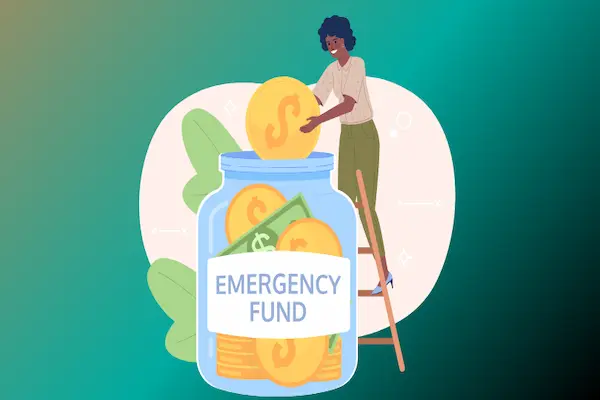
Unexpected costs feel less scary when you have even a small pile of cash waiting to catch you.
This guide shows emergency fund planning in budget form, so you can reserve a line item for real-life surprises without panic.
Emergency fund planning in budget: what an emergency fund is
An emergency fund is money you set aside for unplanned, necessary expenses that would otherwise force debt or financial chaos.
Think of it as a financial cushion that buys you time, options, and calm when something breaks or life changes suddenly.
Unlike “extra spending money,” emergency savings are meant to protect stability, not to fund upgrades or impulse purchases.
Because the goal is resilience, the best emergency fund is the one you can build consistently and keep accessible when you truly need it.
Most people start small, since building a full cushion takes time, and time is easier to handle with a clear starter plan.
Planning matters more than perfection, because a tiny starter fund is still far better than facing every surprise with a credit card.
Emergency fund vs sinking fund: the easy distinction
A sinking fund is money you set aside for expenses you can predict, even if the timing is irregular.
An emergency fund is money you set aside for expenses you cannot predict, even though they are common in real life.
Car maintenance can be a sinking fund when you plan for tires and oil changes, while a sudden transmission failure is closer to an emergency.
Gifts and holidays belong in sinking funds, while an urgent flight for a family emergency often belongs in emergency savings.
Separating these two funds keeps your budget honest, because it prevents predictable costs from draining the cash you need for true surprises.
Why “zero” in your account feels stressful without a cushion
When a bank balance drops near zero, every decision feels louder, because your brain senses risk even if bills are technically covered.
Having a starter fund changes that feeling, since you stop living at the edge of timing mistakes and small unexpected costs.
Confidence grows when you know you can handle a minor problem without borrowing, because borrowing often creates a second problem in the form of interest.
Emergency savings without fear: what this fund is meant to prevent
Emergency fund planning in budget form is not about assuming disaster is coming, because the goal is calm preparation rather than alarm.
Life includes normal surprises, and normal surprises become much less dramatic when you already have a budget category for them.
Even one small buffer can reduce late fees, overdrafts, and stress spending, which is why tiny progress still counts as real progress.
Examples of expenses that commonly qualify as emergencies
- A necessary car repair that you did not plan for belongs here, because you may need transportation to keep earning income.
- An urgent medical or dental expense can qualify, because health issues rarely arrive on a convenient schedule.
- A job or income interruption can qualify, because replacing income often takes time and time needs cash flow support.
- A sudden travel need for a serious family situation can qualify, because emotional urgency can be real even when budgets are tight.
- A critical home problem like a leak or broken heater can qualify, because delaying safety or basic function can create larger costs later.
- A required replacement of essential items after loss or damage can qualify, because stability sometimes depends on quick action.
Examples of expenses that usually do not qualify as emergencies
- A planned vacation is not an emergency, because it can be funded through a sinking fund or a separate goal.
- A lifestyle upgrade is not an emergency, because “wanting it badly” is different from “needing it to stay stable.”
- Regular annual bills are not emergencies, because they are predictable and can be prepared for gradually.
- Impulse spending after a hard week is not an emergency, because emotional relief deserves healthier planning than surprise purchases.
- A new gadget because the old one is annoying is not an emergency, because annoyance is not the same as failure.
A calm “does this count” decision filter
Ask whether the expense is necessary to protect health, housing, transportation, or income, because those areas tend to be true stability pillars.
Consider whether delaying the expense would create a bigger problem, because emergency spending usually prevents a more expensive chain reaction.
Check whether the cost could have been predicted and saved for, because predictable expenses belong in sinking funds, not the main cushion.
Notice how you feel while deciding, because urgency plus stress can sometimes disguise a want as a need.
Starter fund targets that feel realistic, not overwhelming
Emergency fund planning in budget form becomes easier when you stop imagining one huge number and start imagining a ladder of small milestones.
A starter fund is not a final destination, because it is simply the first step that breaks the cycle of “every surprise becomes debt.”
Different situations call for different targets, so the best goal is one that supports your life without demanding impossible sacrifices.
Three common starter fund milestones you can choose from
- A “one bill” buffer can be a first milestone, because covering a single essential bill can prevent fees and panic.
- A “small surprise” buffer can be a next milestone, because many emergencies start as a few hundred dollars, not thousands.
- A “one month of essentials” cushion can be a longer milestone, because it protects you during short income disruptions and timing gaps.
A step ladder you can copy into your notes app
- Build a starter fund that covers one likely surprise in your life, because a realistic first target is easier to reach.
- Grow the cushion until it covers a full month of essential expenses, because one month often reduces stress dramatically.
- Expand toward a larger cushion if your income is variable or your responsibilities are high, because variability increases the value of extra buffer.
- Maintain the cushion by refilling it after use, because the fund is meant to be ready again for the next surprise.
How to choose a target when income is tight
Start with a number that feels possible even in a difficult month, because consistency is what turns a goal into reality.
Choose a milestone you can hit within weeks, not years, because early wins create the motivation to keep going.
Protect essentials first, because emergency savings should not cause missed rent or missed groceries that create emergencies of their own.
Emergency fund planning in budget: create a line item that actually gets funded
A budget category only works when money regularly moves into it, because good intentions do not protect you on the day something breaks.
Setting up one dedicated budget line turns emergency savings from a vague wish into a repeatable habit.
Automation helps, yet manual transfers can work too, as long as your routine is simple enough to maintain.
Step-by-step setup for your emergency fund budget category
- Pick where the emergency cash will live, because a separate account can reduce accidental spending and create clarity.
- Name the category clearly, because a label like “Emergency Fund” prevents confusion with travel, gifts, or general savings.
- Choose a small monthly amount to start, because the habit matters more than the starting size of the transfer.
- Schedule the transfer right after payday when possible, because paying yourself first reduces the chance that money gets consumed elsewhere.
- Track contributions and balances monthly, because visibility keeps the category meaningful rather than symbolic.
- Write a simple rule for when the fund can be used, because rules reduce hesitation and prevent casual use.
Category label ideas for apps or spreadsheets
- Emergency Fund.
- Emergency Savings.
- Starter Fund.
- Financial Cushion.
- Buffer Savings.
- Safety Net.
Where to keep the money so it stays both safe and usable
Accessibility matters because emergencies require speed, so a fund that takes weeks to access can create extra stress.
Separation matters too, because money is easier to protect when it is not blended into everyday spending.
Balance those needs by choosing a location you trust and can reach quickly, because the “best place” is the one that works reliably for you.
Small amounts still work: ways to fit emergency savings into your budget
People often skip emergency fund planning in budget form because they think they must save a large amount or it is not worth doing.
Reality is kinder than that, because small contributions accumulate and small cushions prevent many common problems.
Momentum grows when you focus on finding one or two small funding sources, rather than trying to overhaul your entire lifestyle overnight.
Micro-savings strategies that do not require major lifestyle changes
- A weekly transfer can feel easier than a monthly transfer, because smaller numbers often feel less threatening to commit to.
- Rounding up spending into savings can help, because tiny increments add up without feeling like deprivation.
- A “found money” rule can work, because refunds and unexpected cash can be assigned to the cushion before they vanish.
- A single subscription pause can fund a starter deposit, because recurring charges often hide easy wins.
- A planned “no-delivery week” can build a cushion fast, because convenience spending can be surprisingly expensive without feeling dramatic.
A practical method for finding your first emergency fund amount
- Scan the last month of spending and circle three categories that drift upward, because drift usually contains the easiest savings.
- Choose one drift category to gently reduce, because changing one behavior is easier than changing ten at once.
- Move the difference into your emergency fund line immediately, because immediate action turns “maybe” into progress.
- Repeat for four weeks, because one month of small decisions often creates a meaningful starter fund.
Budget swaps that feel realistic for beginners
- Lowering dining out by one small step can fund emergency savings, because food convenience is flexible in most months.
- Reducing impulse shopping by adding a 24-hour pause can create cash, because time reduces emotional spending for many people.
- Switching one entertainment habit to a cheaper version can help, because enjoyment does not always require maximum spending.
- Batching errands can reduce transport costs, because fewer trips often mean less fuel or fewer rideshare charges.
Budget category math: fixed dollar, fixed percentage, or flexible?
Emergency fund planning in budget form gets easier when you choose a contribution style that matches your cash flow and your personality.
A fixed dollar amount can feel stable, while a percentage approach can scale automatically as income changes.
Flexibility can be the best option in tight months, because the habit of contributing something matters even when the amount must shrink temporarily.
When a fixed dollar amount works best
- Fixed amounts work well when income is steady, because your budget can repeat with minimal changes.
- Fixed amounts feel calming when you dislike variable plans, because predictability reduces decision fatigue.
- Fixed amounts make automation simple, because the transfer can run on the same day every month.
When a percentage works best
- Percentages help when income varies, because contributions adjust without requiring you to re-decide every month.
- Percentages feel fair when you have multiple goals, because each goal can receive a consistent share of what you earn.
- Percentages can prevent oversaving during a tight month, because the amount naturally falls when income falls.
When a flexible contribution works best
- Flexibility helps when essentials fluctuate, because groceries, utilities, and medical costs can spike unexpectedly.
- Flexibility protects motivation, because contributing a small amount is better than quitting entirely after one hard month.
- Flexibility supports learning, because your first few months often teach you what your life truly costs.
Emergency fund planning in budget when you also have debt
Debt and emergency savings can feel like competing priorities, because it can seem like every extra dollar must go in only one direction.
A balanced approach can reduce stress, because saving a small cushion often prevents new debt when emergencies happen.
Situations differ widely, so the goal here is to give you a practical framework rather than a one-size-fits-all rule.
A cautious sequence many people find workable
- Cover essentials and minimum payments first, because stability comes from keeping the basics handled reliably.
- Build a small starter fund next, because a tiny cushion can prevent emergency debt from growing.
- Increase debt payoff once the starter fund exists, because progress often accelerates when emergencies stop interrupting your plan.
- Grow the emergency fund further over time, because a larger financial cushion increases long-term flexibility and peace.
Questions that help you decide how to split your extra money
- How often do surprises force you to borrow, because frequent borrowing suggests a cushion could reduce stress quickly.
- How stable is your income, because variable income often increases the value of emergency savings.
- How emotionally heavy does debt feel, because mental stress can affect spending behavior and consistency.
- How close are you to missing bills, because protecting bills first usually prevents the most costly consequences.
Emergency fund planning in budget with irregular income and tricky cash flow
Variable income makes budgeting feel uncertain, because you may not know exactly what the month will look like when it begins.
Emergency savings become even more valuable in that situation, because your cushion can smooth the gaps between high and low periods.
A baseline approach often works best, because planning for a lower-income month keeps your budget from collapsing.
A simple baseline method you can use immediately
- Choose a conservative monthly income baseline, because conservative planning reduces panic in low months.
- Fund essentials and minimums from that baseline first, because survival costs must be covered regardless of income swings.
- Assign a modest emergency fund amount from the baseline, because consistency matters even when income is variable.
- Allocate “extra month” income after it arrives, because allocating real money is safer than allocating hoped-for money.
Smart “extra income” rules that build your cushion faster
- Send a portion of any extra income to emergency savings first, because windfalls disappear quickly without a rule.
- Use the next portion to catch up sinking funds, because predictable irregular expenses should not drain the emergency cushion.
- Direct the remainder toward debt or goals, because progress feels motivating once stability is protected.
How to protect the fund so it does its job
Saving is only half the work, because keeping the money reserved is what turns a balance into true security.
Clarity helps your self-control, because you are less likely to dip into the fund when the “rules of use” are written down.
Automation can protect the habit, because a system that runs without daily decisions tends to survive busy weeks.
Simple rules for using your emergency savings
- Use the fund for necessary, unplanned expenses, because that is what the cushion is designed to cover.
- Pause and ask the decision filter questions before spending, because a small pause reduces emotional misclassification.
- Choose the smallest effective amount when possible, because protecting the remaining cushion keeps you safer for the next surprise.
- Record what happened in a short note, because notes help you improve your budget categories next month.
Boundaries that prevent the “slow leak” problem
- Avoid borrowing from the fund for planned costs, because planned costs should be prepared through sinking funds instead.
- Keep the emergency account separate from daily spending, because separation creates a helpful psychological boundary.
- Limit account transfers if you struggle with temptation, because friction can be a feature when you are building a new habit.
What to do after you use the emergency fund
Using the fund does not mean you failed, because the purpose of the fund is to be used when real life happens.
Refilling the fund is the next step, because a cushion that stays empty cannot help you the next time.
Gentle rebuilding works best, because shame often triggers avoidance and avoidance delays recovery.
A calm refill plan you can follow
- Replace the amount slowly if needed, because rushing can create budget stress that causes you to quit.
- Review what caused the emergency expense, because some “emergencies” become sinking funds once they are named.
- Adjust categories for next month, because a better plan can reduce the chance of repeated surprise spending.
- Return to your usual contribution schedule, because routine rebuilds confidence faster than occasional big efforts.
How an emergency can improve your budget long term
Each emergency teaches you something about your life, because it reveals what tends to break, what tends to spike, and what tends to surprise you.
Turning repeat surprises into planned categories is the real upgrade, because it protects the emergency fund for truly unpredictable events.
Example: emergency fund planning in budget with a simple monthly template
Examples make planning feel real, because category lines become easier to imagine when you see a complete monthly picture.
This template is intentionally broad, because broad categories are easier to maintain while you build your savings habit.
Starter budget example with an emergency fund line
| Category | Planned | Notes |
|---|---|---|
| Housing | _____ | Rent or mortgage |
| Utilities | _____ | Electric, gas, water |
| Food | _____ | Groceries and basics |
| Transportation | _____ | Fuel, transit, parking |
| Minimum debt payments | _____ | Required minimums |
| Health and personal care | _____ | Copays, prescriptions |
| Wants and fun | _____ | Keep it realistic |
| Emergency Fund | _____ | Starter fund deposit |
| Sinking funds | _____ | Gifts, annual fees |
| Buffer | _____ | Small surprises |
A buffer category can coexist with emergency savings, because buffers handle small bumps while the emergency fund protects bigger surprises.
Monthly planning improves when you compare planned versus actual, because real numbers teach you faster than optimism does.
Ways to start when money feels too tight to save
Saving can feel impossible when you are stretched, because every dollar already seems assigned to something urgent.
Small emergency savings can still fit, because fitting it is often about timing and tiny trade-offs rather than big lifestyle changes.
Gentle honesty matters, because it is better to save five consistently than to plan fifty and save nothing.
Three “tiny but real” starter options
- A very small weekly transfer can work, because it spreads the impact across the month.
- A paycheck-first deposit can work, because money is easiest to save before it blends into spending.
- A monthly “round up the leftovers” deposit can work, because you can save whatever remains after essentials without guessing early.
Practical places to look for a small savings line
- Subscription audits can free a few dollars, because recurring charges are often forgotten rather than valued.
- Dining out boundaries can free money, because a single planned limit can reduce the “busy week” spending spiral.
- Impulse shopping pauses can create space, because time reduces emotion-driven purchases for many people.
- Utility habit tweaks can help gradually, because small reductions can add up over multiple months.
A “five-minute savings sweep” you can do weekly
- Open your recent transactions and look for one purchase you would skip next time, because awareness is the first lever you can pull.
- Move that amount into emergency savings immediately, because a quick action converts insight into a cushion.
- Write one sentence about the trigger, because understanding the trigger prevents repeating the same spending pattern.
Habit building: keep emergency fund planning in budget month after month
A good system survives weeks when motivation is low, because real life does not provide perfect emotional conditions for money habits.
Short routines work best, because quick check-ins prevent avoidance and prevent surprise spending from becoming a month-long problem.
Encouragement helps, because building a financial cushion can feel slow until one day it saves you from a stressful moment.
A 15-minute weekly routine that supports the emergency fund line
- Check upcoming bills and due dates, because avoiding late fees is a form of protecting your cushion.
- Review your biggest flexible category, because food and convenience spending often determine whether you can save.
- Confirm the emergency fund contribution happened, because automation still deserves a quick glance for reliability.
- Move small amounts if needed, because flexible adjustments keep the plan honest rather than idealized.
- Write one note about what felt easy or hard, because notes improve next month’s plan without extra effort.
A monthly review that strengthens your financial cushion
- Compare your planned emergency savings to what you actually saved, because the gap shows whether the target was realistic.
- List any surprises you faced, because surprises often reveal missing sinking funds that would protect the emergency account.
- Adjust your contribution slightly if possible, because gradual increases are easier to maintain than sudden jumps.
- Celebrate the new balance briefly, because noticing progress supports consistency and reduces burnout.
Common worries, with gentle, practical answers
Many people avoid emergency fund planning in budget form because worries create resistance, even when the logic makes sense.
Calm answers help you keep going, because feeling supported makes it easier to stick with a slow-building habit.
“I feel behind, so saving feels pointless.”
Starting small is not pointless, because the first dollars saved often prevent the first overdraft or the first emergency credit card swipe.
Building a starter fund is a form of self-respect, because it reduces future stress even when the balance is still modest.
“My emergencies are too big for a small cushion.”
Small cushions still matter, because they reduce how much you must borrow even when they cannot cover everything.
More options appear when you have any cash available, because partial coverage can buy time to make a better decision.
“I’m afraid I will save and then immediately need it.”
That fear is understandable, because unstable cash flow makes every goal feel fragile.
Using the fund is not failure, because the purpose of emergency savings is to be available for exactly those moments.
“I don’t trust myself not to spend it.”
Separating the account can help, because psychological distance reduces impulse withdrawals.
Adding a small rule like “sleep on it unless it is urgent” can help, because time often clarifies whether the expense is truly necessary.
Important notes: education only, flexible guidance, independent content
This article is for general educational purposes only, and it is not financial, legal, or tax advice.
Different incomes, debts, health needs, family responsibilities, and living costs can change what is appropriate for your emergency fund planning.
Notice: this content is independent and has no affiliation, sponsorship, or control over any institutions, platforms, or third parties mentioned.
Closing: your cushion can start small and still change your life
Emergency fund planning in budget form works because it turns “I hope nothing happens” into “I can handle something if it happens.”
Progress becomes real when you add a budget category, fund it consistently, and treat it as protection rather than perfection.
Peace grows one deposit at a time, because a starter fund becomes a financial cushion that makes everyday life feel less fragile.