

Brand loyalty can feel comforting in a busy store, yet the smartest savings often appear when curiosity replaces autopilot and you start comparing store brands and name brands calmly.
This guide gives you an evidence-minded way to judge store brand vs name brand choices, so you can save money without quietly lowering your standards.
Comparing Store Brands and Name Brands: What You Are Really Buying
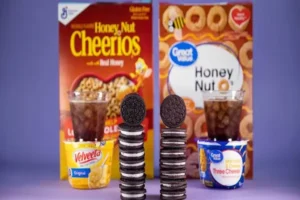
Under the packaging, you are buying a recipe, a specification, a quality-control process, and a supply chain story, which means the brand name is only one part of the final experience.
Private label, house brand, and store brand usually describe products owned or managed by a retailer, while name brands are national or widely distributed brands built around marketing and consistency.
Multiple product “tiers” often exist inside the same retailer, because many stores offer a budget line, a standard line, and a premium line that competes directly with well-known brands.
Consistency is a major promise of name brands, because a big company invests to make the taste, texture, and performance feel predictable across time and across locations.
Value is a major promise of store brands, because the retailer can reduce certain costs and sell at a lower margin while still earning profit through customer loyalty and repeat visits.
Quality can be excellent in both directions, because neither a famous logo nor a generic-looking box guarantees the product will fit your personal preferences and needs.
Three common reasons the “same category” can still be different
- Ingredient and formula choices differ, because a cheaper sweetener, oil, thickener, or fragrance can change taste, texture, and performance in subtle but meaningful ways.
- Manufacturing and quality checks vary, because tighter tolerances and more frequent testing reduce defects but also add cost that can show up in the shelf price.
- Packaging and portion design change experience, because a better cap, a stronger bag, or a more protective wrapper can preserve freshness and prevent waste.
Store Brand vs Name Brand Price Differences: Where the Money Goes
Price differences usually reflect more than ingredients alone, because marketing spend, distribution systems, retailer fees, and packaging design can add meaningful layers to the final price tag.
National brands often pay for broad advertising and promotions, which can increase recognition and trust while also building costs that shoppers indirectly cover at checkout.
Retailers can price store brands aggressively, because a strong store brand keeps shoppers returning to that specific chain instead of switching stores for a favorite product.
Supply-chain scale influences cost, because some manufacturers produce enormous volumes efficiently, while smaller runs and specialized ingredients can raise costs even when the label looks simple.
Promotions complicate comparisons, because a name brand on a deep sale can briefly undercut the store brand, which is why unit pricing and timing matter.
Waste is a hidden price factor, because an item that spoils, leaks, crumbles, or fails to perform can cost more per use even if its sticker price was lower.
Quick questions that keep “price” from tricking you
- Does the cheaper option still meet the minimum standard you need, because saving money only counts when the product works well enough to avoid a replacement purchase?
- Will anyone in the household refuse to eat or use it, because an unused “deal” becomes a budget problem the moment it sits untouched?
- Is the price difference large enough to matter, because swapping for a tiny saving is rarely worth the mental load unless you buy the item frequently?
Evidence-Minded Shopping: What Blind Tests Can Teach You
Blind tests are useful because they separate taste and performance from logos and expectations, which is exactly what you want when you are comparing store brands and name brands.
Bias can be surprisingly strong, because packaging signals “premium” or “cheap” before you even open the product, and that signal can shape what you think you taste or feel.
Single-bite impressions can be misleading, because certain products show differences only after repeated use, longer storage, or cooking under heat.
Household preferences matter, because a product can be objectively fine yet still not match your family’s texture, sweetness, saltiness, or scent expectations.
A fair comparison requires a consistent setup, because comparing two products with different preparation, temperature, or portion size can create differences that are not truly about quality.
Confidence grows when you test low-risk items first, because early wins make it easier to explore bigger swaps without feeling like you are gambling on your routine.
How to run a simple blind test at home
- Choose one name brand and one store brand in the same category, because starting with a direct comparison keeps the results meaningful and clear.
- Hide packaging and label the samples neutrally, because a neutral label prevents “I already know which one is better” from shaping the outcome.
- Keep preparation identical, because the same temperature, dilution, or cooking method ensures you are judging the product rather than the setup.
- Score a few specific traits, because writing down texture, flavor, aroma, sweetness, saltiness, and aftertaste reduces vague impressions.
- Repeat on a different day if it matters, because preference can shift depending on mood, hunger level, and what else you ate.
Useful scoring categories for food and household products
- Flavor and aroma clarity, because muddy flavor is often the difference between “fine” and “I actually want this again.”
- Texture and mouthfeel, because grittiness, chalkiness, or watery consistency can ruin an otherwise acceptable recipe.
- Performance per use, because a cleaner, detergent, or paper product should be judged by results, not by the initial feel in your hands.
- After-effects and tolerance, because sensitivity to fragrance, sweeteners, or additives can turn a cheap buy into discomfort.
Comparing Store Brands and Name Brands: A Practical Quality Comparison Checklist
Comparison gets easier when you use the same checklist every time, because the goal is not perfection but a repeatable method that prevents obvious mistakes.
Ingredients and materials deserve attention, because a small change in oil type, cocoa percentage, detergent concentration, or paper thickness can explain most real-world differences.
Nutrition labels can be revealing, because added sugar, sodium, and serving sizes sometimes shift across brands in ways that matter for health goals and taste.
Allergen and dietary needs should lead the decision, because a cheaper product is not a bargain if it creates risk or constant label-check stress.
Packaging design affects waste, because a lid that leaks or a bag that tears can destroy any savings through mess, spoilage, and frustration.
Return or satisfaction policies influence risk, because trying a new store brand feels safer when you know how the retailer handles dissatisfaction.
The “fast shelf” checklist you can do in under a minute
- Compare unit price first, because cost per ounce, per liter, or per sheet reveals the true price differences more reliably than sticker price alone.
- Check ingredient order and key ingredients, because the first few ingredients often tell you whether the product is built similarly or cut differently.
- Scan for concentration cues, because “ultra,” “concentrated,” or dose instructions can change cost per use dramatically.
- Review the package size carefully, because shrink-sized packages can look cheaper while quietly raising cost per unit.
- Confirm the product variant, because “original” and “light” or “gentle” and “power” can perform differently even inside the same brand family.
A deeper checklist for higher-stakes categories
- Look for performance claims you actually need, because paying more for features you do not use is one of the most common budget leaks.
- Consider household sensitivities, because fragrance and additives can matter more than price when comfort and tolerance are involved.
- Assess consistency risk, because some categories punish variability and make “one bad batch” feel expensive even if most batches are fine.
- Evaluate replacement cost, because a failed detergent or skincare item can trigger additional purchases that exceed the original savings.
- Account for time and hassle, because returns, re-washing, or recooking are real costs even when your bank statement does not label them.
Where Store Brands Often Shine Without Much Drama
Staple categories frequently reward store-brand shopping, because the products are simple, standardized, and easy to judge quickly through ingredients and basic performance checks.
Pantry basics can be especially strong, because flour, sugar, salt, oats, and dried pasta often depend more on freshness and storage than on branding.
Frozen fruits and vegetables can be great value, because freezing helps stabilize texture and makes minor differences less noticeable in smoothies, soups, and stir-fries.
Can goods can be a smart swap, because beans, tomatoes, and broths are often used as building blocks where seasoning and cooking method shape the final taste.
Snacks and cookies can be an easy test zone, because preferences are personal and a quick blind test can tell you whether a swap is truly noticeable.
Paper products can be a value win in the right tier, because retailers often offer premium store-brand lines that compete directly with premium name brands.
Low-risk categories to try first
- Canned beans and basic vegetables, because seasoning and recipe context usually matter more than micro-differences in texture.
- Dried pasta and rice, because cooking technique and sauce tend to dominate the final eating experience.
- Frozen produce, because smoothies and cooked dishes soften distinctions while keeping nutrition and convenience high.
- Baking basics like flour and sugar, because the ingredient is often a standard input that performs predictably in familiar recipes.
- Basic dairy or dairy alternatives when you tolerate them well, because taste preferences vary and a simple taste test reveals your personal threshold quickly.
Category note that prevents an easy mistake
Tier matters inside store brands, because the cheapest line and the premium line can feel like entirely different products even though both are “store brand.”
Where Name Brands Sometimes Earn Their Price
Higher complexity categories can justify a name brand, because research, specialized ingredients, and precision manufacturing can create differences that show up in performance and consistency.
Products with strong “signature” flavor profiles can be harder to replace, because your memory of a specific taste can be surprisingly exact and disappointment can be immediate.
Highly engineered items can be sensitive to small changes, because a different adhesive, fiber mix, or surfactant blend can alter results in ways you notice every single time.
Medical, baby, and pet categories deserve extra caution, because comfort, tolerance, and reliability matter as much as savings, especially when reactions or refusals create stress.
Specialty cooking ingredients can lean name brand for some cooks, because certain sauces, spices, and chocolates offer a distinct profile that is difficult to replicate at lower cost.
Skincare and cosmetics are personal, because skin reactions and performance depend on individual biology, which makes “works for someone else” a weak guarantee.
Higher-stakes categories where testing should be cautious
- Diapers and wipes for sensitive skin, because leakage and irritation costs show up quickly and can erase savings through extra usage and discomfort.
- Pet food and treats for picky pets, because refusal, digestive upset, or ingredient sensitivity can create both waste and worry.
- Skincare, haircare, and deodorant, because individual reactions are unpredictable and the cost of a bad match includes time, discomfort, and replacement buys.
- Dishwasher detergent and laundry detergent in hard-water homes, because performance differences can appear as film, odor, or re-washing that wastes water and time.
- Battery and specialty household items, because reliability and lifespan often matter more than the first-day price tag.
A practical compromise that keeps savings realistic
Splitting the cart can work beautifully, because using store brands for standardized staples while keeping name brands for signature favorites preserves joy without paying premium prices everywhere.
How to Compare Prices Without Being Fooled by Packaging
Unit price is the most honest tool on the shelf, because it strips away package size tricks and shows price differences on a level playing field.
Cost per use is even better for certain items, because a concentrated cleaner or a thicker paper product can be cheaper over time even if it costs more upfront.
Sale cycles can invert the usual logic, because name brands often rotate deep discounts while store brands stay stable, which means timing can change the winner.
Stockpiling only works when you actually use the item, because overbuying can convert “savings” into expired, stale, or cluttered products.
Smaller packages can be a quiet trap, because an item that looks cheaper at first glance can cost more per unit when you do the quick math.
Value becomes clearer when you track a few staples, because knowing your normal price range makes promo signs less emotionally persuasive.
A simple price-comparison method you can repeat
- Find unit price for both products, because comparing per ounce or per sheet reveals the true gap in a way your brain can trust.
- Estimate how many uses you get, because “cost per wash” or “cost per cleaning” can reverse the decision in performance-heavy categories.
- Apply discounts to the final price only, because comparing a full-price store brand to a sale name brand is a different decision than comparing both at full price.
- Decide whether the difference matters, because saving a tiny amount on something you rarely buy may not be worth changing habits.
- Choose the option you will actually use happily, because the best budget plan is the one that sticks week after week.
Quick math prompts that keep you grounded
- Ask “How many times will I use this,” because frequency is the bridge between a lower price and a meaningful savings result.
- Ask “Will I need to double the amount,” because doubling the dose is a common way a cheaper product becomes more expensive per use.
- Ask “Will anyone reject it,” because refusal creates waste and turns a good spreadsheet decision into a bad household decision.
Low-Risk Test Swaps: A Smart Way to Explore Store Brands
Testing swaps works best when you start small, because one controlled change reveals a lot without making you feel like you are gambling on your entire routine.
Confidence builds when you choose items with low emotional attachment, because replacing a beloved signature cereal is a harder experiment than replacing canned beans.
Risk drops when the product is used in a recipe, because sauces, soups, and baked goods often buffer tiny differences in flavor and texture.
Household peace matters, because a frustrated family member can sabotage the experiment even if the product is objectively fine.
Clear rules reduce debate, because deciding the test window and success criteria in advance prevents the goalposts from moving mid-week.
Real learning happens when you document briefly, because a quick note about taste and performance is more reliable than memory after three shopping trips.
Five low-risk swaps that usually teach you the most
- Swap one canned staple, because beans, tomatoes, and broth are common cooking foundations where you can evaluate taste and texture calmly.
- Swap one baking ingredient, because flour or sugar performance can be judged objectively by how your usual recipe turns out.
- Swap one frozen item, because frozen fruits and vegetables are easy to portion and test in smoothies and cooked meals.
- Swap one paper product tier-up, because comparing a premium store paper towel to a premium name brand can reveal whether the gap is real for your household.
- Swap one snack you like but do not adore, because a simple blind test can show whether preference is brand-driven or truly sensory-driven.
A two-week store-brand experiment that feels manageable
- Pick two categories only, because limiting scope keeps the experiment clear and prevents frustration from too many moving parts.
- Buy the smallest sensible size, because small sizes reduce risk while still giving you enough time to form a real opinion.
- Run one simple blind test if possible, because blind tests reveal preference without the branding story coloring the result.
- Score the result on a simple scale, because “would buy again” is more useful than a complex ranking system you will abandon.
- Keep the winners and release the losers, because the point is learning your preferences rather than proving a theory about brands.
How to Handle “I Love This Brand” Without Losing Your Savings
Brand love can be rational, because a reliable taste, a consistent texture, or a trusted performance experience reduces decision fatigue and makes daily life easier.
Strategic loyalty saves money, because you can keep the name brand in the few categories where it truly matters while freeing budget space everywhere else.
Switching is easier when you preserve one “anchor” product, because the household feels stable even while you test alternatives in less emotional categories.
Compromise becomes painless when you buy name brands on sale, because timing lets you keep the product you love at a price closer to store brand territory.
Flexibility grows when you identify what you actually love, because sometimes the love is for one attribute like crunch, fragrance, or richness rather than the entire product identity.
Confidence returns when you stop seeking a perfect substitute, because a “good enough and cheaper” option is still a smart win in many real-life situations.
Three ways to keep favorites without overspending
- Create a “must be name brand” list with only a few items, because a short list keeps loyalty intentional instead of automatic.
- Use store brands for ingredients and name brands for finishing touches, because the finishing touch is often what your taste buds remember most.
- Stock up only when the price is truly good, because buying at the right time beats changing a product you genuinely love.
Category Playbook: What to Compare Inside Specific Products
Different categories have different quality signals, because the right comparison points for yogurt are not the same comparison points for trash bags.
Food comparisons often hinge on ingredients and texture, because flavor, sweetness, salt balance, and mouthfeel create the lived experience of “this is worth it.”
Cleaning and laundry comparisons often hinge on concentration and residue, because performance is measured by results and by what remains on fabric or surfaces afterward.
Paper and plastic comparisons often hinge on strength and thickness, because tearing, leaking, and double-sheeting change the true cost per use.
Personal-care comparisons often hinge on tolerance and consistency, because the best formula is the one that works reliably without irritation.
Medicine and supplements deserve extra care, because guidelines and regulations vary by region and the safest move is to follow your healthcare guidance for your situation.
Food category comparison cues that work well
- Compare ingredient lists for the “headline” ingredients, because swapping real dairy for more fillers, or cocoa for more sugar, changes the experience quickly.
- Check the order of ingredients, because earlier ingredients usually appear in larger amounts and can hint at how the product achieves flavor and texture.
- Note serving size differences, because a smaller serving size can make nutrition numbers look better while leaving you hungrier and less satisfied.
- Pay attention to texture descriptors, because creamy, crunchy, thick, or crisp are often what separates a “fine” product from a “favorite.”
Household category comparison cues that prevent regret
- Compare dose instructions, because “use half as much” or “use more for heavy soil” changes cost per use more than the shelf price suggests.
- Test on the same type of mess, because an easy cleanup can make any product seem great while a tougher mess reveals real differences.
- Evaluate residue and smell, because film, streaks, and lingering fragrance can matter as much as the initial cleaning power.
- Check packaging usability, because a cap that drips or a bag that rips creates ongoing irritation that feels expensive over time.
- Observe how long the result lasts, because a product that performs well for a day but fails by day two can cost you more repeats.
Quick Reference: A Store Brand Decision Ladder You Can Use in Any Aisle
A decision ladder keeps you calm, because it gives you a sequence that works even when you are hungry, rushed, and surrounded by bright sale signs.
Clarity improves when you decide your standard first, because your standard defines what “good enough” means before the store tries to define it for you.
Confidence rises when you check unit price early, because it prevents the most common comparison mistake of judging by package price alone.
Risk drops when you use the right test method, because blind tests and small trial sizes protect you from betting big on something unproven.
Savings become real when you keep what works, because repeating a good swap for months is where budget change happens.
Joy stays in the cart when you respect preferences, because a budget that ignores taste and comfort is a budget that quietly collapses later.
The decision ladder
- Define your minimum standard, because your standard is the filter that keeps “cheap” from becoming “regret.”
- Compare unit price and cost per use, because the real price differences show up when you measure what you actually get.
- Check the most important quality cues, because ingredients, concentration, strength, and tolerance predict performance better than branding.
- Choose a low-risk test path, because a trial size or a single-swap week protects you from unnecessary frustration.
- Decide based on results, because evidence beats assumptions and your experience beats someone else’s opinions.
Frequently Asked Questions About Comparing Store Brands and Name Brands
Confusion is normal, because branding, promotions, and packaging are designed to influence you quickly while your decision needs calm information.
Price is not the only signal, because a cheaper option can be better value while a pricier option can be worth it if it reduces waste or performs better.
“Same manufacturer” does not automatically mean “same product,” because a manufacturer can produce multiple formulas to meet different specifications and price targets.
Quality can vary by category, because standardized staples behave differently from engineered products like detergents, diapers, and specialized personal care.
Preferences can change over time, because your palate, your household needs, and even recipe habits evolve, which makes re-testing occasionally a smart move.
Testing can stay simple, because a small experiment and a few notes often provide enough evidence to guide your next month of shopping.
Short answers you can remember easily
- Store brands are often a good choice when the product is standardized, because the category leaves less room for meaningful differences.
- Name brands are often worth it when performance and consistency are crucial, because “one bad version” can be costly in time and frustration.
- Blind tests are helpful when taste or feel matters, because expectations can be louder than your actual senses.
- Unit price should lead the comparison, because packaging can make a more expensive item look cheaper than it really is.
Independence Notice
This content is independent and is not affiliated with, sponsored by, or controlled by any retailers, brands, platforms, manufacturers, or third parties mentioned or implied.
No relationship or control exists between this guide and any institution or company, and any examples are included only to explain common shopping comparisons.