

Moving out for the first time is exciting, and it can also feel financially fuzzy until you see every cost written down in one calm plan.
Today you will build a first apartment monthly budget checklist that covers both monthly bills and one-time setup costs, so nothing sneaks up on you.
First apartment monthly budget checklist: the two buckets you must plan for
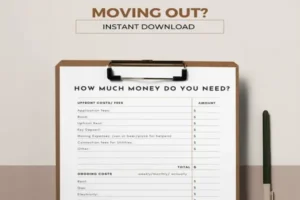
Most first-time renters underestimate costs because they focus on rent alone, even though rent is only one part of the full monthly picture.
A smart starter budget separates expenses into two buckets, because one-time moving expenses behave very differently than ongoing rent and utilities.
Bucket one includes setup costs you pay before or right after move-in, and this bucket is what usually causes “I didn’t expect that” stress.
Bucket two includes the ongoing bills and everyday spending that repeat every month, and this bucket is what determines whether your apartment feels affordable long term.
Clarity comes faster when you treat budgeting as a checklist instead of a personality trait, because you only need a repeatable process rather than financial perfection.
Confidence improves when you build in buffers, since first apartment costs often arrive in small waves that are hard to remember until they hit your card.
Use this quick affordability gut-check before you go deeper
Rent should feel manageable alongside your other needs, because a budget that relies on constant sacrifice usually breaks within the first few months.
Real life includes groceries, transportation, and small household spending, so you want breathing room rather than a plan that assumes you will never make a mistake.
Any budget that leaves you with nothing after bills is fragile, because one late fee, one medical copay, or one car repair can start a stressful domino effect.
First apartment costs: one-time setup checklist you can copy
One-time setup costs are the most common reason first-time renters run out of cash, because these costs can stack up in a short period.
Planning for setup costs does not mean you need a huge savings account, because even a modest “move-in fund” reduces panic and gives you options.
Many fees are predictable once you know what to ask, so the goal is to list everything that could apply and then cross out what does not fit your situation.
Deposits and lease-related fees to expect
- Security deposit often equals one month of rent, and it can be higher in some buildings or in competitive rental markets.
- First month’s rent is usually due at move-in, and it can be prorated depending on your move-in date and lease start terms.
- Last month’s rent is sometimes required up front, so asking early prevents a nasty surprise when you are already committed to the move.
- Application fees can apply per person, and repeated applications add up quickly if you apply to multiple places at once.
- Admin or processing fees may appear as “lease setup” charges, so requesting an itemized list helps you see the true move-in total.
- Move-in fees exist in some buildings, and they are different from deposits because they may not be refundable.
- Pet deposit or pet rent can change your monthly and your upfront totals, and it is worth confirming whether it is refundable and how it is charged.
- Parking deposit or monthly parking can matter a lot in city apartments, so include it in your numbers if your building charges separately.
- Key, fob, or mailbox fees sound small, yet they can be required at move-in, so listing them prevents that annoying “another $50” moment.
Utility setup and connection costs people forget
- Electric or gas connection fees can be charged when you start service, and some providers require a deposit if you have limited history.
- Internet setup fees may apply even if you already own a router, so include a line for installation or activation just in case.
- New equipment purchases like a router, modem, or longer cables can be one-time costs, and they are easy to overlook when you are focused on the lease.
- Trash, water, or sewer deposits can exist depending on how billing is handled, so confirm whether these are included in rent or billed separately.
Moving expenses that are real, even when you “keep it simple”
Moving expenses can range from very low to surprisingly high, because distance, stairs, elevators, and time pressure change everything.
- Truck or van rental costs often include mileage, fuel, and insurance add-ons, so budgeting only the base rate can lead to surprise totals.
- Mover fees can be hourly, and extra time often happens when packing is rushed or when parking is difficult.
- Boxes, tape, and packing supplies can cost more than expected, especially when you need specialty items like wardrobe boxes or dish protection.
- Cleaning supplies matter on both ends, because you may need to clean your old space to get a deposit back and your new space to feel comfortable.
- Temporary storage sometimes becomes necessary when move-in and move-out dates do not align, so consider a contingency line if dates look tight.
- Time off work can be a hidden cost, because unpaid time or reduced hours can make your first month feel tighter than you planned.
Starter household items that quietly add up
Small household items create the “death by a thousand purchases” feeling, because you often buy them in a hurry after you realize you need them.
- Kitchen basics like a pan, a pot, a cutting board, and a few utensils can be enough to start, yet buying everything at once can blow your move-in budget.
- Cleaning basics like a broom, a vacuum, dish soap, and multipurpose cleaner are essential, and they are rarely included in the exciting “first apartment” fantasy.
- Bathroom basics like a shower curtain, towels, a plunger, and trash bags are easy to forget until you truly need them.
- Bedroom basics like a mattress, sheets, and a simple lamp can be purchased gradually, yet a plan prevents you from buying expensive items impulsively.
- Safety items like batteries, basic tools, and a small first-aid kit can be minor costs that deliver major peace of mind.
One-time setup checklist you can paste into a notes app
- Security deposit.
- First month’s rent.
- Possible last month’s rent.
- Application and admin fees.
- Move-in fee or elevator reservation fee, if applicable.
- Pet deposit or pet setup cost, if applicable.
- Utility connection fees and possible deposits.
- Internet setup and equipment.
- Truck or movers.
- Packing supplies and cleaning supplies.
- Starter household items you cannot live without in week one.
- Move-in buffer for surprises.
First apartment monthly budget checklist: ongoing monthly bills to expect
Monthly bills are where your apartment either fits your life comfortably or starts to feel like a constant squeeze.
Rent and utilities are usually the core, yet everyday household spending is what often pushes the month over the edge when it is not planned.
Consistency becomes easier when you list everything that repeats, because repeating costs deserve repeating attention.
Rent and utilities: the predictable foundation
- Rent is the anchor line, and it should be paired with a reminder date so you never risk late fees by accident.
- Electricity can swing with seasons and air conditioning or heating habits, so adding a small cushion keeps your budget from feeling “wrong” every summer or winter.
- Gas may cover heating or cooking depending on your unit, and knowing which appliances use gas helps you estimate costs more realistically.
- Water, sewer, and trash may be included in rent or billed separately, so your checklist should assume separate billing until you confirm otherwise.
- Internet is often essential for work, school, and entertainment, and choosing a plan you can afford long term matters more than choosing the fastest plan available.
- Renter’s insurance can be inexpensive compared to replacing everything you own, and it is sometimes required by the lease.
Everyday household spending that makes the month feel “real”
- Groceries need their own line, because food at home is one of the easiest categories to underestimate when you are busy and hungry.
- Household supplies includes soap, paper goods, trash bags, and basic cleaning items, and this category tends to spike during the first two months.
- Laundry can be a hidden bill if you pay per load or use a laundromat, so include a line if laundry is not free in your building.
- Dining out matters because moving is exhausting, and convenience meals can quietly become a major cost if you do not give them a realistic boundary.
- Subscriptions deserve visibility because small recurring charges can multiply, especially when you add streaming, music, cloud storage, and delivery memberships.
Transportation and personal basics that often get ignored
- Public transit or fuel should be planned, because commute costs do not disappear just because rent is due.
- Parking can be monthly, daily, or permit-based, and city moves often add this cost even when you did not have it at home.
- Car insurance and maintenance can be larger than expected, so keeping a small “car care” sinking fund prevents panic when repairs appear.
- Phone bill remains part of your life even after moving, and it should be listed because it competes for the same dollars as your new utilities.
- Health and personal care includes prescriptions, copays, toiletries, and haircuts, and forgetting this category can make your budget feel unrealistic.
Monthly savings lines that keep you from starting over every time
Savings is not just for wealthy people, because even a small emergency buffer protects you from the most common beginner mistakes.
- Emergency buffer helps with surprises, because the first few months of renting often include unexpected household purchases and timing issues.
- Sinking funds help with predictable irregular costs, because annual fees, gifts, and basic replacements will happen whether you plan for them or not.
- Moving fund rebuild can be useful, because replenishing what you spent helps you avoid feeling financially exposed after move-in.
Monthly bills checklist you can copy and customize
- Rent.
- Renter’s insurance.
- Electricity.
- Gas, if applicable.
- Water, sewer, and trash, if billed separately.
- Internet.
- Phone.
- Groceries.
- Household supplies.
- Laundry, if pay-per-use.
- Transportation or fuel.
- Parking or permits, if applicable.
- Dining out and social spending.
- Subscriptions.
- Emergency buffer and sinking funds.
Starter budget example for a first apartment
Examples make planning feel easier, because percentages and advice turn into real numbers you can compare against your own income.
This starter budget is a template, not a rule, so you should edit the amounts to match your rent, your utilities, and your real lifestyle.
Assume $3,200 monthly take-home income in this example, because that number is common for many entry-level jobs and it keeps the math easy to follow.
| Category | Planned Amount | Notes |
|---|---|---|
| Rent | $1,300 | Adjust based on your lease |
| Renter’s Insurance | $20 | Often required, varies by area |
| Electric + Gas | $160 | Seasonal cushion included |
| Water/Trash (if separate) | $40 | Set to zero if included in rent |
| Internet | $60 | Pick a stable long-term plan |
| Phone | $50 | Use your real plan amount |
| Groceries | $320 | Start realistic, refine monthly |
| Household Supplies | $70 | Higher during first months |
| Laundry | $30 | Adjust for your building |
| Transportation | $220 | Fuel, transit, or both |
| Dining Out + Social | $180 | Plan it so it stays intentional |
| Subscriptions | $40 | Audit monthly for creep |
| Emergency Buffer | $250 | Starter cushion for surprises |
| Sinking Funds | $110 | Gifts, fees, small repairs |
| Personal Care | $70 | Toiletries, basics, haircuts |
| Total Planned | $2,910 | Leaves room for flexibility |
| Leftover Flex | $290 | Use for extra savings or true needs |
Leaving a little “flex” is intentional, because your first month will teach you what your real rent and utilities totals look like after living there.
Adjustments are part of the process, since the goal is a budget you keep using rather than a budget that looks impressive and then gets ignored.
Zero-stress setup: how to build your first apartment budget step by step
Monthly planning feels much easier when you follow a simple order, because the correct order prevents you from spending “future rent money” on current excitement.
Structure reduces overwhelm, since you only focus on one decision at a time instead of trying to solve your whole financial life in one sitting.
Use this 10-step starter process
- Start with your take-home income, because your plan must fit the money you actually receive after taxes and deductions.
- List rent first, because rent is the anchor that determines how much flexibility exists everywhere else.
- Add renter’s insurance and required fixed bills, because missing a required bill creates stress that is completely avoidable.
- Estimate utilities with a cushion, because early months often include higher usage while you learn the unit’s heating and cooling behavior.
- Decide what utilities are included, because included utilities can free money for groceries, savings, or transportation.
- Set groceries and household supplies as separate lines, because separating them reveals whether your problem is food habits or first-month stocking.
- Add transportation and phone, because you still need to live your life after paying rent and utilities.
- Choose a realistic dining-out limit, because moving fatigue makes takeout tempting and the budget should acknowledge that reality.
- Create an emergency buffer line, because the first apartment phase is full of tiny surprises that are easier with cash set aside.
- Check the remaining amount, because any leftover money can strengthen savings, pay down debt, or cover costs you forgot to list.
Turn your checklist into an easy weekly routine
Weekly check-ins keep you from forgetting your budget, because most people drift when they only look at money once per month.
- Pick one day each week for a 15-minute review, because routine beats motivation when life gets busy.
- Compare rent and utilities paid versus expected, because timing mistakes cause the most stress for new renters.
- Check groceries and dining out, because food spending is the fastest category to drift during a busy move-in month.
- Move money between categories if needed, because category adjustments are normal and far better than pretending the budget is fine.
- Write one sentence about what surprised you, because a single note can improve next month dramatically.
How to avoid surprise expenses in your first apartment
Surprises happen most often when you assume something is included, because landlords and buildings vary widely in what they cover.
Preparation works best when you plan for both the big obvious costs and the small annoying costs that appear on day three.
Questions that prevent costly assumptions
- Ask which utilities are included in rent, because “utilities included” can mean one service in one building and several services in another.
- Confirm whether trash, water, and sewer are separate, because these bills are frequently overlooked in starter budgets.
- Verify internet options and setup requirements, because installation timelines can affect work and school plans during your first week.
- Check whether parking is included, because parking fees can be substantial and are often billed separately from rent.
- Clarify move-in fees and elevator rules, because some buildings require reservations or special payments that surprise first-time renters.
- Understand deposit terms and refund conditions, because knowing what affects deposit returns can help you protect your money at move-out.
Small household items that deserve a “first month” buffer
Budgeting a first-month household buffer is practical, because you will discover missing items only after you start living in the space.
- Light bulbs, batteries, extension cords, and a basic toolkit are common early purchases, and these items are rarely remembered in the initial moving excitement.
- Trash cans, shower curtain rings, and storage bins can appear suddenly on your shopping list, because apartment layouts often require practical organizing.
- Basic pantry staples can be a one-time spike, because salt, oil, spices, and storage containers take time to build if you have never stocked a kitchen before.
- Cleaning tools can be unexpectedly urgent, because spills, dust, and bathroom needs do not wait for your next paycheck.
Money-saving strategies that still keep life comfortable
- Buy essentials first and delay “nice to have” upgrades, because a calm budget is worth more than matching your dream aesthetic in week one.
- Borrow or accept hand-me-down items when possible, because early months are about stability and function rather than perfection.
- Start with a simple meal plan, because groceries become cheaper when you reduce impulse buys and make repeat meals easy.
- Audit subscriptions early, because overlapping streaming services and delivery memberships can quietly eat the money you need for utilities.
- Set a realistic convenience-food budget, because pretending you will never order takeout often leads to overspending and then guilt.
Common first-time renter mistakes, with calmer alternatives
Early mistakes are normal, because you are learning a new system of bills, timing, and responsibilities all at once.
Better outcomes come from redesigning the system, since willpower alone rarely fixes a budget that is missing categories.
Mistake patterns that create the “where did my money go” feeling
- Underestimating utilities creates stress, so building a cushion and then adjusting after two months produces a more honest plan.
- Ignoring moving expenses causes cash shortages, so treating moving as a one-time project budget keeps your monthly budget cleaner.
- Skipping an emergency buffer makes everything fragile, so even a small savings line can prevent overdrafts and credit card dependence.
- Overbuying household items in week one feels exciting, so using a “wait 48 hours” rule can prevent expensive impulse purchases.
- Forgetting laundry, parking, or fees makes totals wrong, so adding small recurring lines keeps reality visible.
Simple rules that help you stay on track without obsessing
- Pay rent and required bills first after each paycheck, because protecting the basics removes the biggest source of stress immediately.
- Check your budget once per week, because small course corrections are easier than end-of-month rescues.
- Keep a first-month buffer category, because the early phase includes surprises that you cannot predict perfectly.
- Use broad categories at first, because detailed tracking is less useful than consistent tracking when you are just starting.
A realistic 30-day timeline for budgeting your move
Timing reduces panic, because planning tasks across four weeks keeps you from trying to solve everything in the final forty-eight hours.
Each week below includes both money tasks and practical tasks, because logistics and cash flow are linked during a first move.
Week 1: confirm numbers and protect your cash
- Write your expected move-in total, because deposits and first month’s rent often require a single large payment.
- List which utilities you must set up, because setup steps can take time and may require deposits.
- Create your starter budget categories, because a simple plan prevents early month overspending during the excitement phase.
- Start a move-in buffer, because even a small cushion reduces stress when fees appear.
Week 2: plan moving expenses and reduce last-minute costs
- Choose your moving method, because truck rental, movers, and help from friends each comes with different cash and time costs.
- Collect packing supplies early, because last-minute purchases at premium prices can inflate moving expenses quickly.
- Identify essential household items for day one, because buying only essentials first protects your budget and your peace of mind.
- Schedule utility start dates, because having services active at move-in reduces chaos and prevents costly delays.
Week 3: finalize your first-month plan and prepare for cash flow
- Map paydays and bill due dates, because cash flow timing is the hidden stressor for many first-time renters.
- Set weekly limits for groceries and dining out, because weekly pacing prevents you from spending the whole month’s flexible money too early.
- Review subscriptions and recurring charges, because reducing unnecessary monthly costs creates breathing room in your first apartment budget.
- Confirm any building rules and fees, because move-in procedures can affect cost and time on moving day.
Week 4: move, track, and adjust calmly
- Track major purchases and bills during move week, because move week is when “small” spending becomes surprisingly large.
- Use your buffer category intentionally, because buffers exist to absorb surprises without turning the month into a crisis.
- Write down unexpected costs as they happen, because these notes become your improved budget for month two.
- Schedule a 15-minute budget review for next week, because the habit of checking in is what keeps a starter budget alive.
Quick labels for a budgeting app or spreadsheet
Clear labels make tracking easier, because short names reduce mistakes when you are categorizing quickly on your phone.
- Rent
- Renter’s Insurance
- Electric
- Gas
- Water/Trash
- Internet
- Groceries
- Household Supplies
- Laundry
- Transportation
- Parking
- Dining Out
- Subscriptions
- Emergency Buffer
- Sinking Fund
- Moving Fund (one-time)
Important notes: general education only, and independent content
This article is for general educational purposes only, and it is not financial, legal, or tax advice.
Personal circumstances vary widely, so adapt this first apartment monthly budget checklist to your income, your location, and your lease terms.
Notice: this content is independent and has no affiliation, sponsorship, or control over any institutions, platforms, or third parties mentioned.
Closing: your first apartment budget can be simple and still powerful
A first move feels easier when you plan both one-time moving expenses and ongoing rent and utilities, because the full picture removes the mystery.
Using a first apartment monthly budget checklist turns stress into steps, and steps are something you can handle even when life feels new.
Consistency will matter more than perfection, since a short weekly check-in keeps your starter budget realistic while you learn what your new life truly costs.