
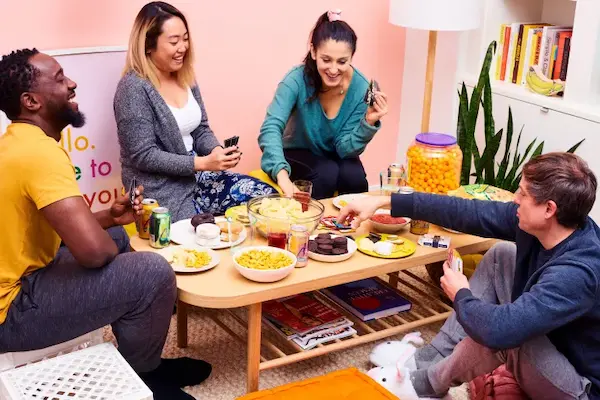
Hosting people you love should feel like a joy, not a math problem.
With a few thoughtful systems, budget hosting can feel warm, abundant, and honestly easier than “trying to impress.”
Frugal hosting ideas for guests begin with warmth, not spending

Real hospitality is rarely about fancy purchases, because what guests remember most is how comfortable they felt and how relaxed you were while welcoming them in.
A clear plan reduces anxiety fast, since uncertainty is what typically triggers last-minute shopping that quietly inflates costs and drains your energy.
When expectations are set early and kindly, the gathering becomes lighter for everyone, because nobody has to guess what the visit will include or what you need help with.
Practical hosting starts by choosing what matters most, so the budget goes toward comfort, food, and ease rather than toward décor that looks nice for five minutes and then clutters a closet.
Pick the vibe first, because the vibe decides the budget
Choosing a simple hosting “style” keeps decisions small, because you can say yes to what fits the style and gently say no to everything else.
- A cozy movie night vibe works well with blankets, dim lighting, and a snack-focused table that doesn’t require cooking all day.
- A casual brunch vibe feels generous with coffee, eggs, fruit, and one baked item, especially when the timing is relaxed and guests can graze.
- A soup-and-salad vibe makes the home feel cared for with minimal cost, since one big pot and a few toppings create abundance.
- A potluck-style vibe can be magical when invited with warmth, because sharing food often makes guests feel included rather than “assigned.”
Once the vibe is chosen, your shopping list shrinks naturally, because the gathering now has a clear identity instead of a vague pressure to do everything.
Use a comfort-first spending filter that prevents impulse buys
Before spending any money, it helps to run purchases through a quick filter, because a budget grows only when small “just in case” items pile up.
- Will this improve guest comfort directly? Soft towels, extra water, and a simple snack usually beat decorative items.
- Will this reduce my stress on the day? A make-ahead dish can be more valuable than a new centerpiece.
- Will I use this again within 30 days? Reusable basics belong in the cart, while one-time “party stuff” usually does not.
- Can I borrow it or improvise it? Serving bowls and extra chairs are often easier to borrow than to buy.
- Does it fit my space? More stuff in a small home can make hosting harder rather than easier.
That filter turns budget hosting into a calm set of choices, because every purchase now has a clear job instead of being driven by worry.
Budget hosting planning timeline that keeps costs predictable
A simple timeline keeps you from rushing, because most expensive hosting decisions happen when time is short and nerves are loud.
Organizing tasks by “one week,” “one day,” and “one hour” works beautifully, since each time window supports a different kind of prep without overwhelming you.
One week before: lock the basics so nothing snowballs
Early clarity makes hosting feel safe, because you can stop rethinking the same decisions every night.
- Confirm headcount and timing, because food and seating depend more on numbers than on aesthetics.
- Choose the vibe and the simple menus, because the rest of the plan should serve the food, not compete with it.
- Check what you already own, because “shop the house first” often reveals enough plates, cups, and linens.
- Decide the sleeping arrangement if guests are staying over, because guest room prep is much easier when it is not rushed.
- Send a warm expectations message if needed, because clarity prevents awkward moments later.
- Pick one small “signature touch,” because one intentional detail feels richer than ten random extras.
Keeping the plan tight at the one-week mark reduces costs, because fewer last-minute surprises means fewer emergency purchases.
One day before: set yourself up for an easy hosting day
Day-before prep is where frugal hosting ideas for guests really shine, because a little organization creates the feeling of effortlessness.
- Make anything that improves overnight, because soups, sauces, and baked items often taste better the next day.
- Clear a “drop zone” by the door, because guests need a place for bags, shoes, and coats without chaos.
- Reset the bathroom with clean towels and soap, because that small comfort detail makes people relax immediately.
- Do a quick floor sweep, because clean floors change the feel of a room even if nothing else is perfect.
- Set out serving tools, because searching for a ladle at the wrong moment can spike stress unnecessarily.
Preparing these basics ahead of time protects your energy, because you deserve to enjoy the visit too.
One hour before: create a cozy atmosphere with fast wins
Last-hour hosting should focus on mood and comfort, because elaborate tasks are rarely worth it when guests are almost at the door.
- Open a window briefly, because fresh air can instantly reset a home’s feel without buying anything.
- Turn on gentle lighting, because warm light makes even simple spaces feel inviting and intentionally styled.
- Put water out in a visible spot, because hydration is hospitality and it prevents repeated “Can I get…” requests.
- Set the snack bowl out early, because hungry guests feel awkward and tired faster than you might expect.
- Start a playlist at low volume, because quiet background sound can smooth small silences and help people settle in.
Finishing with mood rather than perfection keeps you grounded, because relaxed hosting is always more welcoming than anxious hosting.
Simple menus that feel generous while staying genuinely affordable
Simple menus are a gift to your budget and your nerves, because fewer dishes means less shopping, less cooking, and far less cleanup.
Guests rarely measure hospitality by the number of recipes, since they usually want food that feels comforting, plentiful, and easy to enjoy.
Building the menu around one “anchor” dish works wonderfully, because the anchor sets the tone while inexpensive sides and toppings create variety.
Choose one anchor dish and build around it
Anchors reduce decision fatigue, because a single main choice guides everything else from groceries to serving dishes.
- Big pot of soup or chili as an anchor, paired with bread and toppings for a build-your-own feeling.
- Pasta bake as an anchor, paired with a crisp salad and a simple dessert that can be made ahead.
- Taco or burrito bowl bar as an anchor, paired with inexpensive add-ons that make it feel festive.
- Roast chicken pieces or tray-baked vegetables as an anchor, paired with rice, beans, or potatoes to stretch the meal.
That anchor approach keeps budget hosting calm, because you are not juggling five different cooking timelines at once.
Cheap menu ideas for brunch that still feels special
Brunch is naturally budget-friendly, because eggs, toast, oats, and fruit can feel abundant without costing much.
- Egg-and-veg scramble with toast, because one skillet can feed a group while staying flexible for dietary preferences.
- Overnight oats bar with toppings, because it is make-ahead, customizable, and surprisingly satisfying.
- Pancakes or waffles with fruit and yogurt, because simple batter becomes a “treat” when served with a topping station.
- Breakfast burritos using eggs, beans, and leftover roasted vegetables, because frugal ingredients become filling handheld food.
A topping station adds abundance without expensive ingredients, because guests feel cared for when they can choose what they like.
Budget-friendly lunch ideas for casual visits
Lunch hosting works best with assembly-style foods, because people can eat as they chat without formal plating.
- Soup plus sandwiches: one pot soup paired with a simple sandwich spread feels classic and comforting.
- Big salad base plus add-ons: greens with inexpensive toppings lets guests build bowls without much effort.
- Baked potato bar: potatoes with toppings feel hearty, cozy, and far more generous than the cost suggests.
- Rice bowl bar: rice with beans, vegetables, and sauces creates variety with pantry staples.
Assembly lunches are a host’s best friend, because you can prep early and keep the atmosphere relaxed.
Affordable dinner ideas that look thoughtful, not “cheap”
Dinner can stay affordable when the menu leans into crowd-pleasers, because familiar flavors make simple ingredients feel satisfying.
- Chili or lentil stew with cornbread, because legumes stretch protein and still feel rich and filling.
- Pasta with a big salad and garlic bread, because the meal looks abundant and cooks in a predictable timeline.
- Sheet-pan chicken and vegetables with rice, because one-pan cooking reduces dishes and keeps you present with guests.
- Stir-fry with noodles or rice, because vegetables and sauce create fullness without expensive cuts of meat.
Choosing one-pan or one-pot meals supports budget hosting, because cleanup stays manageable and you won’t resent the event afterward.
Snack spreads that feel abundant without expensive charcuterie
Snack boards can be budget-friendly when they focus on texture and color, because the “wow” factor often comes from variety rather than price.
- Popcorn with two seasonings, because a salty option and a spicy or sweet option feels intentional.
- Cut vegetables with a dip, because crunch plus creamy is satisfying and easy to refill.
- Fruit slices with yogurt or honey, because simple sweetness balances savory snacks nicely.
- Toast points or crackers with a spread, because inexpensive carbs turn small amounts of topping into plenty.
- Homemade pickles or quick marinated onions, because bright acidity makes everything feel more “crafted.”
Putting snacks into small bowls looks abundant, because multiple bowls create the visual feeling of plenty even when ingredients are modest.
Drinks that keep costs low while making everyone feel included
Beverages can quietly become the most expensive hosting category, so a simple drink plan helps you stay generous without overspending.
- Offer water in a pitcher with citrus slices, because it feels special while staying nearly free.
- Choose one main “warm” drink like coffee or tea, because it creates a cozy atmosphere and serves many people cheaply.
- Pick one budget-friendly cold option like iced tea or a simple juice, because variety matters more than quantity.
- Use a “bring-your-favorite” approach for alcohol if appropriate, because it sets expectations kindly while keeping costs fair.
Clear drink options support budget hosting, because guests know what is available and you avoid last-minute store runs.
Frugal cooking strategy that makes hosting easier than you expect
Hosting becomes simpler when the cooking plan is designed for your real energy level, because a warm home is more important than a complicated menu.
Make-ahead steps protect your mood, since you can greet guests without stirring a pot nervously or checking the oven every five minutes.
Batch-friendly choices also reduce cost, because buying ingredients for one cohesive plan is cheaper than buying scattered items for many dishes.
Cook once, serve twice: leftovers that become tomorrow’s easy meal
Cook-once strategies save money beyond the event, because hosting food can become the next day’s lunch instead of an expensive one-time moment.
- Extra soup can become freezer portions, because a future “no-cook” dinner feels like a reward.
- Leftover roasted vegetables can become omelets or grain bowls, because cooked vegetables are fast building blocks.
- Remaining rice can become fried rice, because reheated rice plus vegetables makes a quick, satisfying meal.
- Spare bread can become croutons or toast, because stale bread is still valuable when repurposed.
Storing leftovers promptly and safely helps, because food that is handled well stays appealing longer and reduces waste.
Stretch the menu with toppings instead of extra main dishes
Toppings feel luxurious while staying cheap, because small amounts of bold flavor can transform simple base foods into something guests talk about.
- Chopped herbs add freshness, because aroma and color signal care even when ingredients are simple.
- Crunchy elements like toasted seeds or croutons add satisfaction, because texture makes food feel more complete.
- Bright elements like lemon wedges or vinegar-based slaw add lift, because acidity wakes up rich dishes.
- Creamy elements like yogurt-based sauce add comfort, because a drizzle can make bowls feel “restaurant-like.”
Using toppings as your “special touch” supports frugal hosting ideas for guests, because guests experience variety without you cooking more.
Food-safety basics that keep hosting confident and calm
Safe food handling matters, because nobody enjoys a gathering when stomachs feel uncertain afterward.
- Keep hot foods hot and cold foods cold, because the goal is to avoid long stretches at room temperature.
- Serve smaller amounts and refill as needed, because fresh refills reduce waste and improve safety.
- Refrigerate perishable leftovers promptly, because safety and freshness are best protected by quick cooling.
- Label containers with the date, because memory gets unreliable when the fridge fills up after company.
Staying practical about safety reduces anxiety, because confidence is part of what makes your hosting feel welcoming.
Create a cozy atmosphere without buying new décor
Cozy atmosphere is mostly made of light, sound, comfort, and flow, because people relax when their senses feel calm and cared for.
Small changes create big warmth, since rearranging what you already own can make the room feel intentionally prepared for company.
Decor becomes budget-friendly when you focus on zones, because a few “guest-ready” areas matter more than styling the entire home.
Use lighting as your cheapest “make it warm” upgrade
Lighting changes everything quickly, because harsh overhead light can make even a clean room feel stiff and uninviting.
- Turn on lamps instead of overhead lights, because warmer pools of light create instant coziness.
- Use candles only if safe and appropriate for your household, because a gentle glow feels intimate and welcoming.
- Place a light near the snack table, because well-lit food feels more inviting and reduces accidental spills.
- Keep a soft light in the bathroom, because bright light can feel jarring at night for overnight guests.
Choosing gentle lighting supports budget hosting, because it upgrades the mood without requiring any shopping.
Style the table with what you already have, then stop
Tables feel special when they look intentional, because even mismatched items can feel charming when arranged simply.
- Use a neutral cloth or runner if you have one, because it visually unifies plates and bowls.
- Place a simple centerpiece like a bowl of fruit, because edible décor is both pretty and practical.
- Stack napkins in one place, because visible napkins reduce awkward searching and spills.
- Set out serving tools early, because calm hosting comes from not scrambling mid-conversation.
Stopping after the basics is wise, because too many decorative details can create clutter and cleaning work that drains your joy.
Sound, scent, and temperature create comfort faster than decorations do
Comfort is sensory, because guests notice warmth, cleanliness, and ease even when they do not consciously name it.
- Choose calm background music, because silence can feel tense while loud music can block conversation.
- Use natural scents like citrus peels or a clean kitchen smell, because heavy fragrances can bother sensitive guests.
- Adjust the thermostat or provide blankets, because temperature differences can make guests fidget and feel distracted.
- Clear walking paths, because flow makes a home feel spacious even when the square footage is modest.
That sensory approach creates a cozy atmosphere on a budget, because it relies on attention rather than on purchases.
Guest room prep that feels thoughtful without expensive upgrades
Guest room prep does not require a perfectly styled space, because most people want clean, comfortable basics and the feeling that you considered their needs.
Small comforts matter, since a good night’s sleep often shapes how guests feel about the entire visit.
Even a couch setup can feel welcoming, because a few intentional touches signal respect and care.
Make the bed feel inviting with simple, repeatable steps
Sleep comfort is the fastest trust-builder, because a rested guest feels more relaxed and appreciative from the first morning onward.
- Use freshly washed sheets if possible, because clean fabric is one of the most noticeable comforts.
- Add an extra blanket, because temperature needs vary and guests may feel shy about asking.
- Provide two pillow options if you can, because a softer and a firmer choice reduces discomfort.
- Place a small towel or cloth for makeup removal, because it protects your linens and helps guests feel cared for.
Those bed basics support budget hosting, because comfort is created by cleanliness and options rather than by buying new items.
Create a tiny “landing spot” for personal items
Guests relax when their things have a home, because hunting for a phone charger or glasses in an unfamiliar room feels stressful.
- Clear one drawer or one shelf, because a little space feels generous.
- Set out a small dish for jewelry or keys, because tiny items are easy to lose while traveling.
- Place a glass or bottle of water nearby, because nighttime thirst is common and guests hesitate to wander.
- Add a wastebasket or bag, because small practical details prevent clutter from spreading.
Simple landing spots make guest room prep feel complete, because they reduce the “where do I put this” awkwardness immediately.
Bathroom readiness that feels calm, not complicated
Bathrooms can feel personal and stressful for guests, because people worry about being inconvenient or using the “wrong” towel.
- Put out clearly designated guest towels, because clarity prevents uncomfortable guessing.
- Ensure soap and toilet paper are stocked, because running out is the fastest way to create embarrassment.
- Add a small basket of basics if you can, because spare items reduce stress for forgotten essentials.
- Leave a gentle note about anything quirky, because confusing locks or old plumbing can make guests anxious.
That bathroom checklist supports budget hosting, because preparedness beats luxury every single time.
Guest comfort checklist that covers what people actually notice
Comfort grows when small needs are anticipated, because guests rarely ask directly for basics and may simply endure discomfort quietly.
Using a checklist reduces overthinking, because you can handle the essentials and then move on to enjoying the company.
Whole-home comfort checklist
- Clear entryway space exists for shoes, coats, and bags, because clutter at the door sets a chaotic tone immediately.
- Restroom is easy to find with a clear path, because guests feel awkward when they must ask repeatedly.
- Water is accessible, because hydration is hospitality and it reduces constant host errands.
- Seating feels sufficient, because standing guests may feel uncertain about whether to relax.
- Trash and recycling are obvious, because guests want to help without feeling intrusive.
- Lighting feels warm, because harsh light can make conversation feel less cozy and less intimate.
- Room temperature feels comfortable, because being too hot or too cold quickly distracts from social connection.
Food and drink comfort checklist
- Snack is available early, because hunger makes people restless and less conversational.
- Dietary preferences are acknowledged simply, because being seen matters even when the menu is basic.
- Refill plan exists for drinks, because empty pitchers create friction and repeated interruptions.
- Serving tools are accessible, because guests feel more comfortable when self-serving is easy.
- Leftovers plan exists, because waste feels discouraging and packing extras can be a sweet, frugal gesture.
Overnight guest comfort checklist
- Charging access is provided, because phone battery anxiety is surprisingly common during travel.
- Nightlight option exists, because unfamiliar spaces can feel disorienting after dark.
- Extra blanket is available, because guests often avoid requesting warmth even when uncomfortable.
- Morning drink plan is clear, because coffee, tea, or water helps guests feel oriented quickly.
- Quiet hours are gently communicated if needed, because sleep expectations vary between households.
Checking these boxes creates a cozy atmosphere with minimal cost, because the biggest comforts are usually inexpensive and deeply practical.
Setting expectations kindly when budget hosting needs boundaries
Clear expectations protect relationships, because unspoken assumptions are where resentment quietly grows for hosts and guests alike.
Warm honesty is not rude, because it gives guests the chance to participate in a way that feels good for everyone.
Budget hosting works best when the tone stays friendly, because the goal is connection rather than a negotiation.
Pick your boundary category, then communicate it simply
Boundaries are easier to share when they are specific, because vague hints often create confusion and awkwardness.
- Food boundary: deciding which meals you will provide, and which meals will be casual or shared.
- Schedule boundary: clarifying arrival time, departure time, and any quiet hours that matter.
- Sleeping boundary: stating whether the guest room, couch, or shared space will be used.
- Transportation boundary: clarifying whether you can pick up guests or whether rides should be arranged.
- Activity boundary: choosing low-cost plans so nobody assumes pricey outings are automatic.
Communicating one boundary clearly often prevents five uncomfortable moments later, because the visit becomes easier to navigate for everyone.
Warm, copy-ready phrases that set expectations without awkwardness
Language matters, because a friendly tone makes budget boundaries feel like normal logistics rather than rejection.
- “We’re so excited to have you, and we’ll keep meals simple at home so we can spend our budget on quality time together.”
- “Breakfast and coffee are on us, and for dinner we can cook together or grab something casual depending on everyone’s mood.”
- “Our place is cozy and a bit small, so we’ll do the couch setup, and I’ll make it comfortable with fresh blankets and towels.”
- “We’re keeping the weekend low-key, so expect home time, a walk, and a simple movie night rather than big outings.”
- “Arriving after 8 works best for us, because earlier is a little hectic, and I want to greet you properly.”
Using clear, kind scripts protects your peace, because you can say what you mean without overexplaining.
Handle money-sensitive moments gracefully during the visit
Awkward moments sometimes happen anyway, because people come from different habits and may not realize what feels expensive to you.
- Redirect toward simple pleasures, because a walk, a home meal, or a board game can be just as memorable as a costly activity.
- Offer two options with one being low-cost, because choice reduces pressure while letting you stay within your budget.
- Name your preference casually, because confident simplicity often feels more normal than apologetic explanations.
- Invite collaboration, because guests often enjoy contributing when it is framed as shared fun rather than as financial rescue.
- Stick to the plan kindly, because consistency is what makes boundaries feel real and reduces your stress.
Graceful hosting is a skill, because it balances warmth with realism in a way that protects both your wallet and your relationships.
Budget hosting “tiers” that help you choose what’s realistic
Seeing a few budget tiers can reduce panic, because you can pick a level intentionally instead of drifting into overspending.
Tier 1: Almost-zero spend hosting that still feels thoughtful
- Pantry-based meal like pasta, soup, or rice bowls becomes the anchor, because staples are already in the home.
- Cozy atmosphere comes from lighting and tidying, because calm spaces feel welcoming even without décor.
- Guest room prep focuses on clean sheets and towels, because cleanliness is the most noticeable “upgrade.”
- Entertainment relies on conversation, games, or movies you already own, because shared time matters more than novelty.
Tier 2: Small spend hosting for one special touch
- Buy a fresh ingredient that elevates simple menus, such as fruit, herbs, or a good loaf of bread.
- Add one comfort item like extra sparkling water or a dessert ingredient, because a small treat can feel generous.
- Choose one fresh flower or greenery bundle if desired, because one natural element can brighten a whole room.
Tier 3: Moderate spend hosting that stays controlled
- Plan one “signature dish” plus simple sides, because the budget goes into one memorable moment rather than many mediocre ones.
- Pick one activity cost like museum tickets or a shared outing, because one planned expense prevents scattered spending.
- Refresh one worn basic like a set of towels if needed, because practical upgrades serve future hosting too.
Choosing a tier keeps frugal hosting ideas for guests grounded, because you can host beautifully without pretending your budget is unlimited.
Decor suggestions that look intentional using what you already own
Decor feels warm when it is restrained, because an uncluttered space signals calm and makes guests feel free to settle in.
Intentional grouping looks curated, because arranging objects in small clusters can create the feeling of design without buying anything new.
Fast décor wins that cost almost nothing
- Group three candles or jars on a tray, because clusters look purposeful even when the objects are everyday items.
- Stack a few books and place a bowl on top, because height variation adds visual interest without extra stuff.
- Use a simple cloth as a runner, because fabric instantly softens a table and hides minor scratches.
- Display a bowl of citrus or apples, because edible décor is practical and naturally cheerful.
- Pull one cozy blanket into the living area, because visible comfort invites guests to relax.
Seating and flow tips that prevent awkward crowding
Comfort is partly logistics, because guests feel more relaxed when they can move easily and find a place to sit without asking.
- Angle chairs toward conversation, because a circle or semi-circle supports connection more than rows do.
- Move a small table aside if needed, because open space often matters more than furniture placement.
- Create one “food zone” and one “talk zone,” because separating areas prevents bottlenecks around snacks.
- Borrow or improvise extra seating if necessary, because sitting comfortably keeps people lingering happily.
- Keep pathways clear, because fewer trips and stumbles makes the whole home feel more spacious.
Flow-based choices support budget hosting, because they solve comfort problems without requiring any shopping at all.
After-guests reset that protects your energy and your budget
A gentle reset makes future hosting easier, because you will remember the comfort of a clean finish rather than the exhaustion of a chaotic cleanup.
Saving leftovers well protects money, because hosting food can offset grocery costs for days if it is stored promptly and labeled clearly.
Ten-minute reset checklist for the morning after
- Pack leftovers into meal-size containers, because smaller portions get eaten faster and reduce waste.
- Soak dishes quickly, because dried food makes washing feel twice as hard later.
- Return furniture to its usual place, because restoring normal flow makes your home feel calm again.
- Wash guest towels and sheets when you can, because clean linens keep the guest room prep simple next time.
- Write one note about what worked, because small lessons improve your next gathering without extra cost.
Ending with an easy reset keeps hosting sustainable, because the goal is to love having people over without dreading the aftermath.
Warmth is the real luxury, and warmth is wonderfully affordable when simple menus, guest room prep, and a cozy atmosphere are treated as the priorities.
With a clear plan, a calm budget, and kind expectations, hosting becomes less about proving something and more about sharing life in a way that feels good for everyone.