

Self care does not have to be expensive, complicated, or covered in new products to feel real, soothing, and genuinely restorative after a long day.
Frugal self care ideas at home can be surprisingly powerful when they focus on your nervous system, your time boundaries, and your basic comfort rather than constant shopping.
Self care that costs little starts with a kinder definition
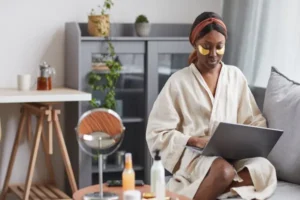
Modern culture often sells self care as something you purchase, yet the deepest care usually comes from what you protect, what you practice, and what you allow yourself to stop doing.
Busy people tend to believe they need a perfect routine to benefit, even though small, consistent moments of low cost relaxation can create a bigger change than an occasional “all out” day.
Frugality can feel especially calming here, because removing the pressure to buy more creates space to notice what actually helps you feel safe, steady, and human again.
Kind self care also includes body inclusivity and energy inclusivity, because the “right” routine looks different depending on your mobility, sensory needs, health, schedule, and emotional bandwidth.
Instead of asking, “What should I do,” a gentler question is, “What do I need,” because needs-based choices reduce guilt and help you recover faster.
- Rest counts, because recovery is productive even when it does not look impressive.
- Boundaries count, because peace often comes from what you decline, not what you add.
- Comfort counts, because a regulated body thinks more clearly and feels less overwhelmed.
- Consistency counts, because simple routines repeated over time usually beat intense routines you cannot maintain.
A quick check to make cheap self care feel meaningful
Emotional relief arrives faster when you choose one purpose for your self care moment, because clarity helps your brain settle instead of bouncing between options.
- Pick a purpose like “calm my mind,” “loosen my body,” “feel cared for,” or “stop the spiral,” because naming the goal makes the next step obvious.
- Choose a time size, because five minutes, fifteen minutes, and an hour are very different commitments that require different kinds of plans.
- Select a setting, because the same practice feels different in bed, on the floor, in the shower, or outside in fresh air.
- Decide what you will not do during this time, because attention protection is one of the most overlooked parts of self care.
Frugal self care ideas at home work best when you create a “menu”
A self care menu is simply a list of options you already know work, because decision fatigue is real and it gets worse when you are tired.
Having a menu makes your routine more accessible, because you can pick a small action without needing motivation, creativity, or a shopping trip.
Low cost relaxation becomes more consistent when you categorize your options by energy level, because some days require gentle care and other days can handle a little effort.
Build your personal menu with three categories
- No-energy care, because these options work when you feel depleted and still need support.
- Low-energy care, because these options help you reset without turning into a project.
- Medium-energy care, because these options feel nourishing when you have a little more capacity.
Examples you can copy, then personalize
- No-energy care could be drinking water, dimming lights, putting on a calming audio track, or lying down with one hand on your chest for steady breathing.
- Low-energy care could be a warm shower, a short stretch, a tidy burst for one surface, or a simple snack that stabilizes your mood.
- Medium-energy care could be a longer walk, a cook-from-scratch comfort meal, a home spa routine, or journaling with a clear prompt.
Frugal self care ideas at home for the body that do not require products
Body-based self care is often the fastest way to feel better, because the nervous system responds to temperature, pressure, movement, and breath even when thoughts feel stuck.
Simple routines work here, because your body loves predictable cues that signal safety, comfort, and “you can soften now.”
Safety matters, so if any technique increases pain, dizziness, or distress, choosing a gentler option is always the right move.
Breath practices that feel realistic for busy days
Breathing exercises can sound too simple to matter, yet a slightly longer exhale can tell your body that the emergency is over even when life still feels demanding.
- Try a slow inhale through the nose for four counts and an exhale for six counts, because longer exhales tend to support calm without forcing anything dramatic.
- Place one hand on your chest and one hand on your belly, because touch can make the breath feel more grounded and less abstract.
- Repeat for two to five minutes, because a short practice done consistently is more accessible than a long practice you avoid.
- For sensory comfort, breathing with a soft blanket or a hoodie can feel safer, because warmth and gentle pressure often calm the body.
- For restless minds, counting breaths can help, because counting gives the brain a simple job that reduces mental wandering.
- For low-motivation moments, even three deep breaths count, because the smallest version keeps the habit alive.
Movement-based calm that fits small spaces
Gentle movement releases tension without requiring a workout mindset, because the goal is circulation and softness rather than performance.
- Roll shoulders slowly forward and backward, because shoulder tension often mirrors emotional stress in a very direct way.
- Circle ankles and wrists, because small joint movement can reduce the “stuck” feeling that builds after long hours sitting.
- Stretch calves and hips lightly, because lower-body tightness can make your whole body feel on edge.
- Finish with a slow neck stretch only within comfort, because forcing range of motion tends to backfire.
- Chair stretches work well for many bodies, because they offer stability and reduce floor transitions.
- Wall-supported stretches feel safe, because a wall gives you balance while you soften into the movement.
- Bed stretches count too, because self care is about support, not about where you do it.
Temperature tricks that create low cost relaxation fast
Temperature is a powerful signal for the nervous system, because warmth and coolness can change how your body interprets stress.
- A warm shower can become an at home spa moment, because steady warmth helps muscles unclench while sound and steam create a gentle sensory cocoon.
- A warm compress on shoulders or belly can feel deeply soothing, because localized heat often reduces tension where stress concentrates.
- A cool cloth on your face can feel grounding, because cool sensations can interrupt spiraling thoughts and bring attention back to the body.
- A foot soak in warm water can be surprisingly effective, because feet carry the day’s pressure and warmth can signal “you are off duty now.”
Self-massage that uses what you already have
Massage does not require fancy tools to help, because gentle pressure with your hands or a household item can release tight spots and support relaxation.
- Massage hand lotion or a small amount of oil into your hands slowly, because the combination of scent, touch, and pace can feel like a reset ritual.
- Press thumb pads into the muscles at the base of your skull gently, because many people hold tension there when they are overwhelmed.
- Roll a tennis ball or a rolled sock under your feet, because foot pressure can shift the whole body toward comfort.
- Use slow circles on your jaw muscles with relaxed fingers, because jaw tension is common and often goes unnoticed until it hurts.
Cheap self care that supports the mind without forcing positivity
Mind-based self care works best when it reduces pressure rather than adding another task, because a stressed mind often needs spaciousness more than motivation.
Gentle practices can still be powerful, because the goal is to create a little separation between you and the mental noise.
Journaling prompts that calm without becoming homework
Journaling helps many people because it unloads thoughts from the mind onto paper, which can reduce rumination and clarify what you actually need next.
- Write, “What is taking up the most space in my head right now,” because naming the thing often reduces its intensity.
- Write, “What would feel 10% better tonight,” because small improvements are more realistic than big transformations on hard days.
- Write, “What can wait until tomorrow,” because permission to delay can lower stress quickly.
- Write, “What am I proud of today, even if it was small,” because noticing effort builds resilience without pretending everything is fine.
A five-minute brain-dump routine for busy schedules
- Set a timer for five minutes, because a boundary keeps the activity from expanding into overthinking.
- Dump every worry, task, and thought without organizing, because speed matters more than neatness in this step.
- Circle the top three urgent items only, because most lists feel impossible until you reduce them to the next small actions.
- Choose one tiny next step, because progress is calming when it is doable.
Digital self care that costs nothing and saves energy
Phones and screens can drain attention quietly, so digital boundaries are often the most underrated form of frugal self care at home.
- Switch your phone to grayscale for an hour, because reduced color stimulation can make scrolling less addictive.
- Silence non-essential notifications, because constant interruptions keep your nervous system activated.
- Create a “soft landing” after work without screens, because the transition time is when stress often spills into the evening.
- Keep one room or one corner screen-free if possible, because a physical boundary supports a mental boundary.
At home spa self care with simple, low-cost ingredients
An at home spa routine can feel luxurious without being expensive, because the experience comes from ritual, slowness, and sensory comfort more than brand names.
Skin sensitivity is real, so patch-testing and avoiding harsh ingredients is wise, especially if you have allergies, eczema, or reactive skin.
Gentle options often work best, because the goal is comfort and care rather than dramatic results.
Easy at home spa ideas that use pantry basics
- An oatmeal soak can feel soothing, because finely ground oats in warm water often create a soft, calming texture for sensitive skin.
- A honey-and-yogurt face mask can feel comforting for some people, because it is simple and moisturizing when used gently and briefly.
- A sugar scrub for hands can feel satisfying, because gentle exfoliation followed by lotion makes hands feel cared for quickly.
- A warm towel compress on your face can feel spa-like, because warmth plus stillness creates a mini reset without any extra products.
A simple at home spa routine in 20 minutes
- Dim the lights and put your phone away, because sensory softness helps your brain understand that this is real rest.
- Wash your face or hands slowly with warm water, because pace is part of the calming effect.
- Apply a gentle mask or skip it and use a warm towel compress, because the most frugal routine is the one that feels safe and doable.
- Moisturize with what you already own, because consistency matters more than fancy ingredients.
- Finish with a warm drink or water, because hydration supports the “I’m cared for” feeling in a simple way.
Low cost relaxation add-ons that feel special
- Music with no lyrics can feel calming, because it reduces mental engagement while still shifting the atmosphere.
- A clean towel warmed slightly can feel luxurious, because warmth is a comfort cue that costs very little.
- Fresh air from a window can help, because a small sensory change can make a familiar room feel new.
- A scent you already own can become part of the ritual, because smell is strongly linked with memory and relaxation.
Simple routines you can repeat without needing motivation
Simple routines matter because busy schedules usually fail complicated plans, and self care should support your life rather than compete with it.
Repeating the same small routine can feel surprisingly soothing, because predictability helps the nervous system relax.
The five-minute “reset” routine
- Drink a glass of water slowly, because dehydration can make stress feel sharper than it needs to be.
- Do three long exhales, because a nervous system cue is often the fastest step.
- Stretch shoulders and hands, because work tension often lives there even when you do not notice.
- Pick one tiny task to clear, because small completion can reduce mental load instantly.
The fifteen-minute “soft landing” routine
- Change into comfortable clothes, because physical comfort signals the shift from performance to rest.
- Turn on a lamp instead of harsh overhead lighting, because warm light changes mood quickly.
- Do a short tidy of one surface, because visual calm reduces background stress.
- Make a simple snack or tea, because steady blood sugar can support steadier emotions.
- Choose one calming activity, because one focused choice is more restful than multitasking self care.
The sixty-minute “deep recharge” routine
Longer routines work best when they include both rest and preparation, because tomorrow feels easier when tonight includes gentle support.
- Start with a warm shower or bath if available, because warmth plus privacy can reduce stress quickly.
- Eat a simple meal or snack that feels nourishing, because hunger and irritability often travel together.
- Do an at home spa step like a warm towel compress or hand care, because small rituals create a sense of being looked after.
- Journal for five minutes or do a brain dump, because mental unloading helps sleep quality for many people.
- End with a quiet activity like reading or stretching, because your brain transitions more smoothly when stimulation decreases gradually.
Frugal self care ideas at home that are really about boundaries
Boundaries are self care because they prevent burnout, and prevention is often cheaper than recovery in both money and energy.
Many people try to add more routines, while the real relief comes from removing one draining commitment or one constant pressure point.
Protecting time is a form of low cost relaxation, because time is often the resource you need most to feel well.
Practical boundary ideas that feel kind, not harsh
- Set a “last message” time for work texts when possible, because mental off-duty time protects sleep and mood.
- Use a simple script like “I can’t do that right now, but I hope it goes well,” because rehearsed words reduce anxiety.
- Schedule one no-plan evening per week, because unstructured time can be the most restorative time.
- Say yes with conditions when needed, because “yes, but not tonight” can protect your energy without isolating you.
A small boundary routine you can practice weekly
- Look at the next seven days, because seeing your schedule helps you stop overcommitting automatically.
- Circle the most draining obligation, because naming the drain helps you plan support around it.
- Add one recovery block after the drain, because self care works best when it is placed near stress, not only on perfect days.
- Choose one “no” or one “not this week,” because small reductions are easier than trying to change everything at once.
Cheap self care through connection that does not require spending
Connection can be self care because nervous systems co-regulate, and being seen by safe people can soften stress in a way that solo routines cannot always reach.
Social self care does not need restaurants or events, because small touchpoints often provide the biggest emotional payoff.
No-cost connection ideas that still feel meaningful
- Send a voice note to someone you trust, because hearing a warm voice can shift your mood quickly.
- Invite a friend for a walk, because movement plus conversation is a powerful combination for low cost relaxation.
- Plan a home hangout with tea and snacks, because simplicity keeps the focus on connection rather than spending.
- Ask for a “parallel time” call where you both do chores, because shared presence makes tasks feel lighter.
Boundaries still matter in social self care
Healthy connection includes pacing, because too many plans can create another kind of exhaustion that looks like fun until you crash.
- Choose one social plan per week during busy seasons, because fewer plans can feel richer and more sustainable.
- Leave gatherings earlier when needed, because protecting your energy helps you show up better next time.
- Suggest low-key alternatives, because cozy social time can be just as bonding as expensive outings.
Room-based self care that makes your home feel more supportive
Your environment affects your nervous system, because clutter, harsh lighting, and constant noise can keep the body in a low-level stress state.
A room refresh does not require new decor, because small adjustments to light, scent, and surfaces can make home feel more like a resting place.
Micro-changes that make a space feel calmer fast
- Clear one small surface completely, because visible emptiness can create a sense of relief immediately.
- Light a lamp instead of overhead lights, because warm light often feels safer and softer at night.
- Open a window for five minutes, because fresh air can reset the feel of a room quickly.
- Set out a glass of water and a book, because visual cues can gently invite you into rest.
A realistic “tidy as self care” plan for busy people
- Choose one zone like a nightstand, sink, or entryway, because one finished zone feels better than five half-done zones.
- Set a ten-minute timer, because time limits keep tidying from turning into a draining marathon.
- Throw away trash first, because removing obvious clutter creates the fastest visual improvement.
- Return items to their homes next, because putting things away reduces tomorrow’s stress.
- Stop when the timer ends, because self care should leave you better, not depleted.
Low cost relaxation ideas you can rotate all month
Rotation keeps routines interesting, because boredom can make you abandon habits that were actually helping.
Planning a few options ahead protects you from spending-based coping, because tired brains often reach for shopping when they cannot imagine another path to comfort.
A simple weekly rotation you can adapt
- Monday: five-minute reset plus early bedtime, because starting the week with recovery can change everything.
- Tuesday: movement-based calm and a tidy burst, because physical and visual relief pair well together.
- Wednesday: at home spa mini routine, because midweek softness helps you keep going.
- Thursday: connection self care, because a small conversation can reduce loneliness and stress.
- Friday: cozy home night with a favorite show and a boundary around scrolling, because fun is part of sustainable self care.
- Weekend: longer recharge block, because extra time can support deeper rest and gentle preparation.
Budget-friendly “treat” ideas that do not become shopping habits
- Make a special drink at home, because ritual often matters more than price.
- Cook a comfort meal from scratch, because a warm meal can feel like being cared for.
- Create a themed evening like “library night at home,” because a little structure can make rest feel more exciting.
- Use what you already own in a new way, because novelty can come from rearranging, not purchasing.
When self care feels hard, use these gentle troubleshooting steps
Difficulty doing self care often means you need a smaller step, not a better personality, because stress reduces capacity and capacity is not a moral issue.
Overwhelm can also make you chase the “perfect” routine, even though imperfect routines are the ones that actually happen.
If you feel too tired to do anything
- Pick one comfort cue like water, a blanket, or dim light, because one cue can be enough to start settling.
- Choose the smallest version of the routine, because momentum grows from tiny actions.
- Let rest be the whole plan, because sleep and stillness can be the most effective intervention.
If you feel restless instead of relaxed
- Try gentle movement first, because some bodies need motion to discharge stress before stillness feels safe.
- Use sensory grounding like a warm shower or a cool cloth, because sensation can interrupt mental loops.
- Set a timer for rest, because a time boundary can reduce the feeling of being trapped in stillness.
If you keep reaching for “retail therapy”
- Pause and name the feeling, because naming can reduce urgency.
- Ask what comfort you want, because shopping often represents comfort, novelty, or control.
- Choose a no-cost substitute for that comfort, because replacement is easier than pure restriction.
- Delay the purchase by 24 hours, because time often separates real needs from stress impulses.
Quick master list of frugal self care ideas at home
Keeping a master list helps on difficult days, because you can pick one option without thinking too hard.
- Drink water and eat a simple snack, because basic needs support emotional stability.
- Take a warm shower with slow breathing, because warmth and breath are a powerful combination.
- Do five minutes of stretching or gentle movement, because tension often leaves through motion.
- Write a five-minute brain dump, because mental clutter feels lighter when it is externalized.
- Set a boundary around notifications for an hour, because attention is a resource you can protect.
- Put on cozy clothes and dim lighting, because sensory comfort is self care.
- Try an at home spa step like hand care or a warm towel compress, because ritual creates a sense of being cared for.
- Step outside for fresh air, because a small environment change can reset mood.
- Call or message someone safe, because connection can regulate stress.
- Do a ten-minute tidy of one surface, because visual calm supports mental calm.
- Read a few pages of something gentle, because quiet focus can calm the mind.
- Go to bed earlier when possible, because sleep is a cornerstone of wellbeing.
Final reminder: rest and boundaries are self care too
Self care is not something you earn, because you deserve care simply because you are a person living a demanding life.
Frugal self care ideas at home work best when they feel kind, inclusive, and realistic, because routines only help when you actually want to return to them.
Choosing cheap self care is not “less than,” because the most powerful care often comes from attention, gentleness, and time protected from unnecessary pressure.
Independent content notice
Notice: This content is independent and does not have affiliation, sponsorship, or control from any institutions, platforms, or third parties mentioned.