
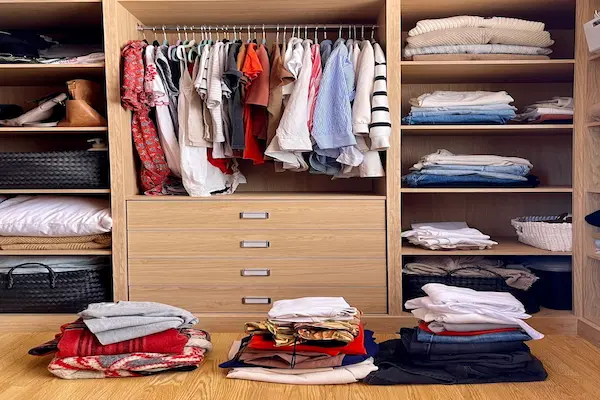
Fast fashion clutter can make your closet feel noisy and stressful, even when you technically have “plenty” to wear.
Choosing frugal wardrobe basics that last is a stylish, practical way to buy less better, feel more like yourself, and stop the constant cycle of replacing flimsy pieces.
Frugal wardrobe basics that last begin with a mindset, not a shopping trip
Instead of treating your wardrobe like a never-ending project, a gentler approach is to treat it like a small system that supports your real life and your real body, season after season.
Because frugal fashion is about value rather than deprivation, the goal becomes building a small wardrobe that feels easy to wear, easy to care clothes for, and easy to repeat without boredom.
Clarity shows up quickly when you decide what you want your clothes to do for you, since “looking put together” can mean comfort, confidence, mobility, professionalism, creativity, or all of the above.
Freedom grows when you stop chasing trends that expire and start choosing pieces that work across many outfits, because versatility is one of the cheapest features you can buy.
Use this values-based definition of “lasting”
Lasting does not only mean the fabric survives years of wear, because a piece also needs to survive your lifestyle, your laundry routine, and your changing preferences.
Durability matters, yet fit and comfort matter just as much, since the best-made garment still becomes wasted money if it sits untouched because it pinches, rides up, or feels like costume clothing.
- Physical longevity means seams stay strong, fabric resists thinning, and hardware keeps working after repeated wear.
- Style longevity means the silhouette feels modern enough to keep wearing, even when trends shift around it.
- Life longevity means the piece works with your weather, your commute, your job, and your actual daily routines.
- Body longevity means the item feels good on your body as it is today, while still allowing flexibility for natural changes.
Know the three budget leaks that keep closets full and wallets tired
Many adults keep buying because they feel like they have “nothing to wear,” even though the closet is full, and that disconnect usually comes from a few predictable problems.
Uncomfortable fit is a huge leak, because it creates avoidance, and avoidance creates emergency shopping right before an event or a work week.
Low-quality basics are another leak, because basics get worn the most, so flimsy versions create the most frequent replacement cycle.
Impulse “fantasy self” purchases can also drain money, because a piece that only works for an imaginary lifestyle tends to become clutter fast.
- Spot the “pain points” you are trying to solve, because pain-driven shopping often repeats the same mistakes unless you name them.
- Identify the two outfits you wear on repeat, because your real style is usually hiding inside those familiar choices.
- List the occasions you dress for most often, because basics should support the majority of your life, not the rare edge cases.
Build a small wardrobe with a simple structure that makes getting dressed easier
A small wardrobe works best when it has enough variety to feel interesting, while still being tight enough that every piece earns its space.
Structure keeps frugal living realistic, because you do not have to think hard every morning when your closet contains pieces that already work together.
Balance matters more than quantity, so the most useful closet often looks “smaller” than you expect, yet it creates more outfit options than a chaotic pile of random items.
The “core + color + character” method for outfit-building
Core pieces create your everyday foundation, because they are neutral enough to repeat and sturdy enough to handle frequent wear.
Color pieces add variety without complexity, because a few well-chosen colors can refresh outfits while still mixing easily.
Character pieces keep style alive, because one or two signature items can make basics feel intentional rather than plain.
- Core examples include a great tee, a dependable jean, and a comfortable shoe that fits your daily walking.
- Color examples include a sweater in your favorite hue or a scarf that brightens neutral outfits.
- Character examples include a patterned button-up, a bold jacket, or a standout pair of earrings.
A gentle ratio that helps beginners avoid overbuying
For many people, a helpful starting point is roughly 70% core, 20% color, and 10% character, because that ratio supports repetition while still feeling expressive.
Adjustments are encouraged, because personal style is personal, and the best system is the one that fits your taste and your life.
- Start by listing your core categories, because core categories should cover the majority of your weekly outfits.
- Add a few color pieces that work with your core, because matching should feel effortless rather than like a puzzle.
- Choose character pieces last, because they are most satisfying when they have a stable foundation to sit on.
Checklist of frugal wardrobe basics that last for most adults
This checklist is designed to be body-inclusive and lifestyle-flexible, which means you can swap silhouettes and fabrics while keeping the underlying “job” of each piece the same.
Fit preferences vary widely, so consider these as categories, not rules, because a tailored blazer and a relaxed chore jacket can both be “the third layer” depending on your style.
Climate changes everything, so feel free to shift weight toward warm layers or breathable layers as needed, since a lasting wardrobe should serve your actual weather.
Everyday tops that hold up to frequent wear
Basics succeed when they survive repeated washing and still look good, because tops often get the highest rotation in most wardrobes.
- Two to four heavyweight tees or knit tops, because thicker fabric typically resists twisting, pilling, and visible wear.
- One to two long-sleeve tops in a fabric you enjoy wearing, because long sleeves create easy layering and extend seasonal use.
- One button-up or structured shirt that fits your shoulders comfortably, because structure can instantly elevate denim and sneakers.
- One “nice top” that feels like you, because a reliable polished option prevents last-minute shopping before dinners or events.
Bottoms that earn their cost per wear
Bottoms are worth choosing carefully, because poor fit creates constant discomfort, and discomfort is a direct path back to impulse buying.
- One pair of jeans that fits your waist and hips without pinching, because comfort keeps you reaching for the same pair repeatedly.
- One pair of trousers or structured pants, because a dressier bottom can upgrade simple tops without extra effort.
- One casual bottom like relaxed pants, joggers, or a skirt, because comfort pieces become daily staples in real life.
- One warm-weather bottom like shorts or a breathable skirt, because seasonal basics prevent emergency shopping when temperatures rise.
Layers that make outfits look intentional
Layers are wardrobe multipliers, because they change the mood of an outfit, extend seasonal wear, and add polish without needing more base items.
- One cardigan, knit jacket, or sweater that you actually like touching, because sensory comfort makes frequent wear more likely.
- One structured layer like a blazer, denim jacket, or chore coat, because structure creates an instant “finished” look.
- One weather layer like a rain jacket or warm coat, because practical outerwear protects both your body and your clothes underneath.
- One mid-layer like a hoodie or fleece, because casual layering prevents over-wearing delicate pieces.
Shoes that support your life and reduce replacement cycles
Footwear becomes frugal when it fits well and gets maintained, because painful shoes get abandoned and cheap shoes get replaced.
- One everyday walking shoe with a supportive sole, because a shoe you can wear for hours earns its place quickly.
- One cleaner “going out” shoe that still feels comfortable, because style should not require suffering to look good.
- One weather-specific shoe or boot, because rain and cold destroy flimsy footwear faster than almost anything else.
- Optional: one sandal or warm-weather shoe, because seasonal comfort reduces impulse purchases during heat waves.
Undergarments and basics that quietly make everything fit better
Underlayers are not exciting, yet they are often the difference between an outfit that feels great and an outfit that feels “off” all day.
- Enough underwear and socks for your laundry rhythm, because rushing laundry often leads to “just buy more” spending.
- Bras or base layers that feel supportive and breathable, because discomfort undermines confidence and makes you avoid your own clothes.
- One smoothing layer or slip if you wear dresses and skirts, because friction control can extend garment life by reducing wear.
How to spot quality fast, even when shopping on a budget
Quality shopping becomes easier when you focus on construction signals, because marketing words are cheap and stitches are honest.
Quick checks can save you from regret, since replacing low-quality items repeatedly is almost always more expensive than choosing one solid version and caring for it well.
Fabric clues that usually indicate better longevity
Natural fibers are not automatically superior, and synthetics are not automatically bad, so the best approach is choosing fabrics that match how you live and how you do laundry.
Thicker, denser fabric tends to last longer, because it resists abrasion and holds shape better when worn and washed.
- Look for heavier cotton knits in tees, because thin knits can twist, cling, and wear through quickly at stress points.
- Choose denim with enough structure to hold shape, because extremely stretchy denim can bag out faster depending on wear patterns.
- Consider wool blends for sweaters, because they can offer warmth and resilience, while still being easier to care for than delicate fibers.
- Check lining in structured pieces, because lining reduces friction and can extend the life of the outer fabric.
Construction checks that take under one minute
Construction matters because seams are often the first failure point, so a quick inspection can protect your wallet and your future laundry day.
- Check seam stitching for evenness, because wobbly or skipped stitches can signal weak construction.
- Gently tug at seam areas, because you want seams to lie flat rather than gape or show strain.
- Inspect hems for clean finishing, because sloppy hems can unravel and shorten the life of a piece.
- Examine buttons and zippers, because hardware failure can make a garment unwearable even if the fabric is fine.
- Flip the garment inside out briefly, because the inside often reveals whether corners were cut in finishing.
Fit checks that support a body-inclusive wardrobe
Fit is deeply personal, so the only “right” fit is the one that supports comfort and confidence on your body, not the one that matches a mannequin standard.
Movement is a quality signal too, because garments that restrict your range of motion are less likely to be worn, which lowers cost per wear and increases clutter.
- Raise your arms, sit down, and take a few steps, because real-life motion reveals pulling and bunching that standing still can hide.
- Pay attention to shoulder seams and waist comfort, because those areas often determine whether an item feels effortless or annoying.
- Consider tailoring for pieces you love, because a small alteration can turn “almost” into “perfect,” which is a frugal move when the item is otherwise strong.
Secondhand options that make buy less better actually affordable
Secondhand shopping can be a frugal fashion superpower, because you can access higher-quality materials and construction for a fraction of the original cost.
Patience helps, yet a clear plan helps more, since browsing without a list can become its own version of clutter accumulation.
Hygiene and comfort matter, so choose secondhand routes that feel safe and manageable for you, because frugality should not come at the cost of peace of mind.
Use a “target list” so secondhand stays focused
Shopping secondhand works best when you know what you are hunting, because the variety is huge and decision fatigue can show up fast.
- Target sturdy basics like denim, coats, leather belts, and quality knitwear, because those categories often offer the biggest value jump secondhand.
- Avoid categories that feel too risky for you personally, because comfort with the process is part of sustainability.
- Bring measurements or a reference item, because sizing varies widely across brands and eras.
A simple secondhand inspection routine
Secondhand wins when you avoid hidden damage, because a bargain stops being a bargain if repairs are costly or the item is unwearable.
- Check underarms, collars, and cuffs, because those areas show wear and staining first.
- Inspect knees, seat, and inner thighs on pants, because abrasion often appears there before anywhere else.
- Look for pilling and thinning, because heavy pilling can be reversible while thinning usually is not.
- Test zippers and buttons, because fixing hardware is doable, yet you want the cost and effort to stay reasonable.
- Scan for odors and fabric distortion, because lingering smells and warped knits can be hard to correct.
Secondhand success tips for different body needs
Body-inclusive shopping becomes easier when you allow flexibility in where the “perfect fit” happens, because tailoring and strategic sizing can help you get the look you want without endless searching.
- Size up for shoulders and hips, because those areas are harder to alter cleanly than waists and hems.
- Prioritize fabric comfort and drape, because scratchy or stiff fabric can feel worse over long wear, no matter how good it looks.
- Choose adjustable features like drawstrings and elastic panels when helpful, because flexibility reduces the urge to replace items after natural body changes.
Care clothes the frugal way, so basics truly last
Care is the quiet engine behind frugal wardrobe basics that last, because even great clothes can wear out quickly when washed harshly and stored carelessly.
Gentle routines do not have to be complicated, since small changes like cooler water, less heat, and fewer washes can extend life dramatically over time.
Consistency matters more than perfection, so choose the care habits that match your schedule, because an unrealistic routine will not last long enough to help.
Laundry habits that protect fabric and shape
Washing less often is not unhygienic when you spot-clean and air items, because many garments can handle multiple wears when they are not visibly dirty.
Lower heat is a major longevity tool, because heat can shrink fibers, weaken elastic, and increase pilling in many materials.
- Wash in cold or cool water when possible, because cooler temperatures are gentler on dyes and fibers.
- Turn garments inside out, because the inside-out barrier reduces friction on the visible surface.
- Use less detergent than you think, because detergent buildup can stiffen fabric and attract grime.
- Choose gentle cycles for knits and delicates, because agitation is a common source of stretching and pilling.
- Air-dry when you can, because dryers are convenient yet tough on elastic, prints, and delicate fibers.
Simple stain and odor strategies for busy adults
Quick action saves clothes, because stains set over time and odors can become trapped in synthetic fibers when repeatedly heat-dried.
- Blot spills instead of rubbing, because rubbing can push stains deeper and damage fibers.
- Rinse with cool water first when appropriate, because hot water can set protein-based stains.
- Air garments out between wears, because airflow reduces odor buildup without extra washing.
- Use a small “spot clean kit” at home, because convenient tools make it easier to act fast.
Storage habits that prevent stretching, fading, and frustration
Storage is part of frugal fashion, because mis-stored clothes can deform, wrinkle, and deteriorate long before their time.
- Fold heavy knits instead of hanging them, because hanging can stretch shoulders and length over time.
- Use sturdy hangers for structured pieces, because thin hangers can distort shoulder lines and create permanent bumps.
- Keep sunlight off delicate fabrics, because light can fade dyes and weaken fibers gradually.
- Store shoes clean and dry, because moisture is a common cause of odor, damage, and early replacement.
Repairs and maintenance that make your wardrobe feel premium
Repairing does not require becoming an expert, because a few small skills can keep your favorite basics in rotation and dramatically reduce replacement costs.
Maintenance also increases attachment, since clothes that you care for intentionally tend to feel more “yours,” which naturally supports buy less better choices.
Beginner repairs worth learning first
Starting small builds confidence, because quick wins make repair feel normal instead of intimidating.
- Sewing on a button is a high-impact skill, because missing buttons can sideline a garment instantly.
- Fixing a small seam split prevents bigger damage, because seams often fail slowly before they fail dramatically.
- Removing pills with a fabric comb or shaver refreshes knits, because pilling can make even expensive sweaters look tired.
- Polishing and conditioning certain shoe materials extends life, because cared-for shoes keep structure and comfort longer.
A simple “wardrobe maintenance day” routine
Scheduling maintenance once a month reduces chaos, because small problems stay small when you catch them early.
- Inspect high-wear items like tees, jeans, and socks, because those pieces tend to develop issues first.
- Handle one repair at a time, because finishing one task builds momentum and prevents overwhelm.
- Refresh shoes and bags briefly, because clean accessories make outfits look sharper with the same basics.
- Set aside items that need professional help, because knowing what requires tailoring helps you budget and plan.
Simple outfit formulas that make a small wardrobe feel big
Outfit formulas are a gift when you are tired, because they remove decision fatigue and help you look put together with minimal thought.
Repeating formulas is not boring when you vary textures and layers, because small shifts can change the vibe while keeping the core simple.
Confidence grows when you trust your formulas, since consistent outfits often look more stylish than constant experimentation without a foundation.
Five everyday formulas that work across many styles
- Heavy tee + jeans + third layer + clean shoe, because structure on top makes the outfit feel finished without effort.
- Button-up + relaxed pants + belt + simple jewelry, because one crisp piece can elevate comfortable basics.
- Sweater + trousers + sneaker or loafer, because cozy texture paired with structure reads intentional and modern.
- Dress or skirt + knit layer + weather shoe, because layering extends seasons and expands styling without extra purchases.
- Monochrome base + one color accent, because a single accent creates impact while keeping the wardrobe cohesive.
Body-inclusive styling tweaks that improve comfort and confidence
Style becomes more sustainable when it respects your body’s comfort needs, because discomfort quietly pushes you back toward shopping for “something better.”
- Use a half-tuck or front-tuck when you like definition, because it creates shape without requiring restrictive garments.
- Choose rises and waistbands that feel good sitting down, because real life includes chairs, cars, and long days.
- Experiment with proportions rather than sizes, because silhouette often changes the look more than the number on the tag.
- Add layers that you can remove, because temperature comfort reduces the urge to buy “just in case” items.
Outfit planning that reduces morning stress
Planning outfits is a frugal move when it prevents rushed shopping, because last-minute panic often leads to purchases that do not integrate well.
- Choose three go-to outfits for busy days, because a small “uniform set” is comforting when energy is low.
- Prepare one outfit that feels slightly dressier, because having a ready option prevents emergency buying before events.
- Keep a simple list of your best formulas, because seeing your options reduces decision fatigue instantly.
Frugal fashion shopping rules that prevent regret
Rules feel restrictive when they are harsh, yet guidelines feel supportive when they help you spend on purpose and avoid clutter you never wear.
Better decisions happen when you slow down, because speed is the friend of impulse and the enemy of longevity.
The “three questions” test before buying anything
Asking a few questions can save you hundreds over time, because most regret purchases fail for predictable reasons.
- Ask whether the item works with at least three outfits you already own, because versatility protects your cost per wear.
- Ask whether you can care clothes for it with your current laundry setup, because special care only works if you will actually do it.
- Ask whether the fit feels good today, because buying for a hypothetical future body can create closet guilt and wasted money.
A practical “buy less better” budget approach
Buying less better becomes realistic when you plan your spending around replacement cycles, because replacing one high-rotation item at a time is easier than overhauling everything.
- Set aside a small monthly amount for wardrobe needs, because steady saving beats sudden splurges after something falls apart.
- Prioritize the pieces you wear most often, because those items deliver the best return on quality upgrades.
- Wait for the right option when possible, because patience is often cheaper than settling and re-buying later.
Avoid these common traps that create fast fashion clutter again
Traps usually look harmless in the moment, because they feel like “small treats,” yet repeated treats can fill a closet quickly.
- Skip buying multiples of an item before confirming the first one works, because duplicates of a bad fit become expensive clutter.
- Resist trend micro-cycles that do not match your style, because wearing something twice and donating it is rarely a frugal outcome.
- Be cautious with ultra-cheap basics, because basics need to survive frequent wear, and flimsy versions can create a replacement treadmill.
Season-by-season strategy so your wardrobe lasts in real weather
Seasonal planning keeps frugality practical, because the wrong fabric in the wrong weather leads to discomfort and “I need something else” spending.
Layering is the most flexible solution, because it allows the same base pieces to work across multiple temperatures with small additions.
Warm-weather basics that still feel polished
Breathable fabrics and comfortable fits matter in heat, because overheating makes even a cute outfit feel unbearable.
- Choose lightweight tops that do not cling, because airflow increases comfort and reduces sweat-related washing.
- Pick a breathable bottom option, because comfort prevents impulse buying when temperatures spike.
- Use sandals or breathable shoes responsibly, because foot comfort affects how long you can wear an outfit happily.
Cold-weather basics that protect your budget
Cold seasons can get expensive fast, so a few smart layers are often cheaper than buying many heavy standalone pieces.
- Add a warm mid-layer you can wear indoors, because heating needs vary and layering prevents discomfort.
- Choose outerwear that blocks wind and moisture, because protection reduces wear on inner layers and improves comfort.
- Invest in warm socks and practical footwear, because cold feet can ruin an outfit and prompt rushed purchases.
Mini-capsule examples to show how a small wardrobe works
Seeing capsules in practice can make the concept feel real, because it turns abstract “basics” into outfits you can picture wearing next week.
These examples are intentionally flexible, so swap silhouettes and fabrics to match your preferences, your body, and your local climate.
Casual-week capsule for comfort and polish
- Two tees in sturdy fabric, because they anchor outfits and handle frequent washing.
- One button-up or overshirt, because it adds structure and works open or closed.
- One sweater or cardigan, because warmth and texture create instant coziness.
- One jean and one relaxed pant, because variety in bottoms keeps repetition from feeling stale.
- One everyday sneaker and one weather shoe, because comfort and practicality protect your routine.
Work-ready capsule that still feels like you
- Two tops that look polished on video or in person, because reliable work tops reduce morning stress.
- One pair of trousers and one dark jean, because both can read professional depending on styling.
- One structured layer like a blazer or jacket, because the third layer often signals “work mode” instantly.
- One comfortable dress shoe, because foot comfort supports confidence and focus across long days.
Weekend and social capsule for easy style
- One character jacket or statement layer, because it makes simple outfits feel intentional.
- One “nice top” that feels comfortable, because confidence should not require fussing.
- One simple accessory set, because small details can refresh repeated basics.
- One outfit formula you love, because repeating what works is stylish when it feels authentic.
Step-by-step plan to rebuild your wardrobe without overspending
Rebuilding feels less scary when it becomes a series of small decisions, because small decisions add up to a big transformation without a big one-time bill.
Gentle pacing also prevents mistakes, since rushing often leads to duplicates, poor fit, and items that do not integrate well.
- Start with a closet review focused on what you actually wear, because your best clues are in your real-life habits.
- Write a short list of missing basics, because targeted shopping beats random browsing every time.
- Choose one category to upgrade first, because upgrading the highest-rotation item creates the biggest immediate improvement.
- Set a realistic budget for that one category, because boundaries reduce impulsive “might as well” add-ons.
- Shop secondhand first when it feels comfortable, because secondhand often provides better quality for the price.
- Buy one piece, wear it repeatedly, and evaluate, because real-life testing reveals more than mirror impressions.
- Repeat the cycle slowly, because slow improvement is how frugal wardrobes become lasting wardrobes.
Quick reference lists for easy decision-making
Shopping checklist to keep in your notes app
- Fabric feels comfortable against skin, because discomfort usually leads to neglect.
- Seams look even and strong, because construction predicts longevity.
- Item works with at least three outfits, because versatility protects your budget.
- Laundry needs match your routine, because realistic care clothes habits matter.
- Fit supports movement and sitting, because real life includes motion and long days.
Care checklist to extend the life of your basics
- Wash less often when possible, because fewer washes reduce wear and fading.
- Use cooler water and gentler cycles, because agitation and heat shorten garment life.
- Air-dry frequently worn items, because dryers are tough on elastic and fibers.
- Store knits folded and structured pieces supported, because good storage prevents deformation.
- Repair small issues early, because tiny fixes prevent big replacements.
Frequently asked questions about building a durable wardrobe on a budget
How many pieces are in a “small wardrobe”?
Small wardrobes vary widely, because climate, work needs, and laundry schedules change the number that feels comfortable.
Most people find that a smaller wardrobe is simply one where every piece works, because usefulness matters more than an arbitrary count.
What if my style changes often, yet I still want to buy less better?
Style evolution can still be frugal when your core stays stable, because rotating a few character pieces each year is cheaper than replacing everything.
Experimentation can happen through accessories and layering, because those categories often provide variety without requiring a full wardrobe overhaul.
Is it worth tailoring affordable clothing?
Tailoring can be worth it when the item is otherwise strong and you will wear it often, because improved fit increases wear frequency and lowers cost per wear.
Altering cheap, flimsy fabric is usually less satisfying, because construction limits how good the final result can be even with perfect fit.
Final encouragement for your closet and your budget
Choosing frugal wardrobe basics that last is not about dressing in bland uniforms, because lasting style comes from pieces that fit well, feel good, and support your life without constant replacement.
With a small wardrobe plan, thoughtful frugal fashion choices, and simple habits to care clothes for the long haul, you can buy less better and still look stylish, comfortable, and fully yourself.
Independent content notice
Notice: This content is independent and does not have affiliation, sponsorship, or control from any institutions, platforms, or third parties mentioned.