
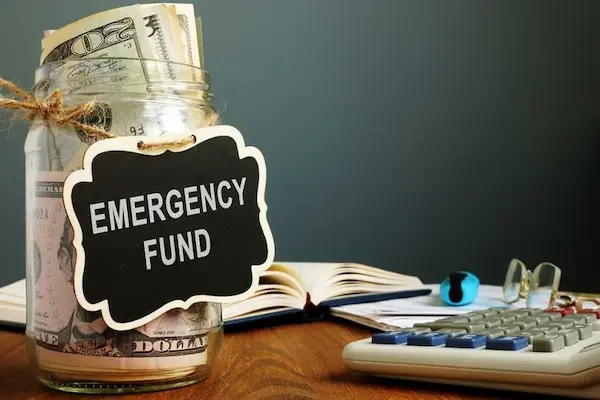
Building a safety cushion can feel intimidating when you have never saved for emergencies, yet the first steps can be surprisingly gentle and doable.
This article shares calm, hopeful guidance for how to start an emergency fund using small steps that respect real life and imperfect budgets.
How to start an emergency fund without feeling behind
Many beginners assume they must save a large amount immediately, but a starter fund is meant to begin protection, not to solve every possible crisis overnight.
Relief often arrives once you realize the goal is consistency first, because consistency builds trust in yourself and reduces money anxiety over time.
Progress becomes easier when you treat your emergency savings like a household tool, since tools are built one piece at a time rather than all at once.
Confidence grows when the system is simple, because complicated plans collapse during stressful weeks when you need stability the most.
What an emergency fund is for, in plain language
An emergency fund is money set aside for unexpected needs that would otherwise force you into debt, late payments, or stressful borrowing from friends.
Life happens in small ways most often, so the most common emergencies are not dramatic events, but inconvenient surprises like repairs and medical copays.
Security improves when you can pay for a surprise without disrupting rent, food, transportation, or other essentials that keep your life running.
Freedom increases when your first reaction to a problem becomes “I can handle this,” rather than “I have no idea what to do.”
- Unexpected car repair that you need in order to get to work.
- Medical expense that is time-sensitive and difficult to delay.
- Essential home repair like a plumbing issue that can cause damage if ignored.
- Short-term income interruption that creates a gap before the next paycheck.
What an emergency fund is not, so you feel less pressure
A beginner emergency fund is not a retirement plan, so it does not need to be optimized for growth like long-term investing.
Comfort comes from liquidity, meaning the money should be available quickly, because emergencies rarely wait patiently for a perfect moment.
Stability matters more than returns at the start, because the purpose is preventing chaos, not chasing the highest possible interest rate.
Patience is part of the process, since a small buffer today can be the first brick in a larger wall of protection later.
- An emergency fund is not “fun money,” even though spending it can feel tempting when life feels heavy.
- An emergency fund is not a reason to ignore insurance, safety habits, or preventive care that reduces risk.
- An emergency fund is not proof you failed, because needing it simply means you prepared for real life.
Emergency savings works best when you choose a starter goal
Choosing a starter goal makes the journey less overwhelming, because a reachable number creates momentum that keeps you from quitting early.
Motivation increases when your target fits your current reality, since unrealistic goals can accidentally teach your brain that saving is hopeless.
Direction becomes clearer when you name the first milestone, because “save something” is vague while “save this amount” is actionable.
Hope stays stronger when the milestone is visible, because humans are wired to keep moving when the finish line feels close enough.
Starter goal ideas that are gentle and beginner-friendly
Small starter goals work because they create a habit loop, and habits are what build larger balances later without constant willpower fights.
Flexibility matters because your income and expenses may fluctuate, so your first target should be adaptable rather than rigid.
- Starter goal: save one week of groceries, because food stability reduces stress quickly.
- Starter goal: save the amount of your smallest essential bill, because it protects you from one missed payment spiral.
- Starter goal: save $100 to $300, because many common surprises fall into this range for beginners.
- Starter goal: save one car insurance deductible or one medical copay amount, because those costs often arrive unexpectedly.
- Starter goal: save “one inconvenient event,” meaning enough to handle a minor repair without credit.
How to pick the right first number without perfection
Start by scanning your recent life for the most common surprise you have faced, because the best emergency fund begins by solving your most likely problem.
Next, choose a number that would genuinely reduce stress, since emotional relief is a valuable outcome even when the balance is still small.
Then, set a time frame that feels realistic, because achievable deadlines create action while impossible deadlines create avoidance.
- Look back at the last six to twelve months and list the unexpected expenses that caused stress or debt.
- Circle the smallest one that would have been easier with savings, because that is a great beginner milestone.
- Choose a target that you can reach with small steps in 30 to 90 days, because early wins build confidence.
- Commit to the plan for one month before changing anything, because stability makes tracking more honest.
Small steps that make saving feel possible, even when money is tight
Small steps work because they reduce the emotional friction of saving, and low friction is what keeps you consistent when motivation dips.
Momentum comes from repetition, because repeating a tiny action teaches your brain that saving is part of your identity now.
Ease is not weakness, since “easy enough to repeat” is exactly the design goal for a beginner saver building a new habit.
Progress becomes visible when you keep the plan simple, because a simple system runs even on hard days.
Micro-habits that create emergency savings without drama
Micro-habits are small enough to do without negotiation, which matters because negotiation is where most good intentions disappear.
Consistency becomes more important than intensity here, because you are training the behavior of paying yourself first.
- Round up to the next dollar in your own tracking, then move the difference to savings weekly.
- Save every $1 bill or small coin change in a dedicated place, then deposit it periodically for safety.
- Move a tiny amount after every paycheck, even if it is only the cost of a snack.
- Transfer the “leftover” from a planned category once a week, like unused gas money or unused lunch money.
- Do a weekly “quiet money reset” where you move any loose change from your wallet into your emergency savings container.
Simple ways to find tiny amounts without feeling deprived
Finding money to save does not require harsh cuts, because beginners often succeed by trimming tiny leaks rather than eliminating joy entirely.
Awareness helps because small spending is easy to ignore, and ignored spending is where cash flow quietly disappears.
Choice feels kinder when you trade one small thing for safety, because safety pays you back in calm the next time life surprises you.
- Pick one “optional convenience” expense to reduce slightly, because small adjustments are less emotionally painful than big cuts.
- Choose one weekly spending habit to pause once, because pausing creates a quick deposit without long-term sacrifice.
- Redirect the saved amount immediately, because money left unassigned tends to vanish into random spending.
- Swapping one takeout meal for one home meal can create a meaningful starter deposit, while still allowing enjoyment later.
- Reducing one subscription tier for a month can create a small burst of savings without changing your entire lifestyle.
- Waiting 24 hours before a non-essential purchase can prevent impulse spending and create money you can reroute to emergency savings.
How to start an emergency fund with automatic transfers
Automatic transfers are powerful because they remove daily decision-making, and decision fatigue is a major reason beginners struggle to save.
Automation feels calm because it turns saving into a default, which means you do not have to “feel motivated” to make progress.
Reliability increases when the transfer happens right after income arrives, because money saved early is money that cannot be spent accidentally.
Confidence grows when you see the balance rise without constant effort, because effortless progress rebuilds trust in your financial future.
Choosing an automatic transfer amount that will not backfire
Starting too high can cause overdrafts or stress, so a tiny automatic transfer is often the smartest beginning for a first-time saver.
Comfort matters because the goal is staying consistent, and consistency disappears when saving feels like punishment.
Success becomes more likely when you pick an amount you can afford even in a harder month, because your system should survive real life.
- Start with a number that feels almost laughably small, because “too easy” is how you build a streak.
- Schedule the transfer for payday or the day after payday, because timing it early reduces temptation.
- Increase only after four successful weeks, because proving consistency first makes increases feel safe.
- Use a cap if your bank allows it, because caps prevent surprises when expenses fluctuate.
- $2 per week becomes a habit before it becomes a balance, and that habit is the foundation you need.
- $5 per payday can feel painless while still creating a visible win after a few weeks.
- $10 per week can be a strong starter if your cash flow is steady, though stability should always come first.
Automatic transfers that match different pay schedules
Pay schedules vary, so the best system is the one that aligns with your income rhythm instead of fighting it.
Flexibility helps because you want savings to feel like a supportive routine, not a random surprise that interrupts bill payments.
- Weekly pay: set a small weekly transfer and treat it like a required bill you pay to yourself.
- Biweekly pay: transfer a small amount each payday, then review once a month for adjustments.
- Monthly pay: split your saving into smaller weekly transfers, because smaller transfers can feel less risky.
- Irregular income: transfer a percentage of each deposit, because percentages adjust naturally to income changes.
Tiny transfer examples you can copy without overthinking
Examples help because beginners often underestimate how quickly small steps can add up when they are repeated consistently.
Clarity matters because specific numbers make saving feel concrete, and concrete plans are easier to follow than vague intentions.
Encouragement grows when you see progress on paper, because what feels “too small to matter” becomes meaningful over time.
Daily micro-transfers that build a cushion quietly
Daily transfers can work well when the amount is tiny, because tiny amounts rarely disrupt cash flow yet still build your saving identity.
- $1 per day becomes about $30 in a month, which can cover a small surprise without credit.
- $2 per day becomes about $60 in a month, which can feel like real breathing room for a beginner saver.
- $3 per day becomes about $90 in a month, which can protect you from many “annoying but common” expenses.
Weekly transfers that feel safer for tight budgets
Weekly transfers often feel easier because you can align them with your weekly spending habits and adjust if a week is unusually expensive.
- $5 per week becomes $260 in a year, and that amount can prevent many small emergencies from turning into debt.
- $10 per week becomes $520 in a year, and that balance can cover larger surprises with less panic.
- $15 per week becomes $780 in a year, and that cushion can change how you feel about setbacks.
Payday transfers that feel invisible when done early
Payday transfers work because you save before your brain assigns every dollar to a spending job, which is a sneaky but helpful psychological trick.
- $10 each payday on a biweekly schedule becomes $260 per year, because there are typically 26 paychecks.
- $20 each payday on a biweekly schedule becomes $520 per year, because small increases scale quickly with consistency.
- $25 each payday on a biweekly schedule becomes $650 per year, which can fund a starter emergency goal for many households.
A “spare change plus boost” combo for people who like variety
Combining methods can keep motivation high, because you get passive progress from spare change and active progress from a small weekly or payday boost.
- Use spare change in a jar for daily wins, then deposit it monthly for safety and tracking.
- Add a $5 weekly transfer for steady growth, then increase after a month of success.
- Route any unexpected small money, like a minor refund, into emergency savings to accelerate progress without new sacrifice.
Keep funds accessible yet separate, so you do not accidentally spend them
Accessibility matters because emergency money is meant to be used when life happens, yet separation matters because easy access can invite impulse withdrawals.
Balance is the goal, since you want the money close enough to use quickly but far enough to avoid casual spending.
Clarity improves when you decide ahead of time how the money will be accessed, because decisions made during stress are often expensive.
Peace grows when your emergency fund has its own home, because a separate home makes the money feel “real” and protected.
Good places to store a beginner emergency fund
Liquidity and safety should lead your decision, because emergency savings should not be exposed to large swings or long lockups.
- A separate savings account without a debit card attached, because friction reduces temptation while still keeping access available.
- A dedicated “emergency” sub-account or category if your bank supports it, because labeling reduces confusion.
- A cash envelope for very small starter amounts, because physical cash can be motivating, although it requires safety precautions.
Simple separation tricks that protect your balance
Friction is helpful because even a small extra step can stop a spending impulse long enough for logic to return.
- Name the account clearly, because “Emergency Only” is harder to ignore than “Savings 2.”
- Hide the account from your main banking dashboard if possible, because seeing the balance can trigger spending fantasies.
- Remove the account from shopping apps, because saved payment methods can make withdrawals feel too easy.
- Choose a transfer delay that still feels safe, because a one-day delay can prevent impulse spending while remaining practical.
- Keeping the fund separate does not mean making it inaccessible, because true emergencies require quick action and calm decision-making.
- Building a small buffer first reduces the urge to raid it, because tiny balances can feel “not worth protecting” unless you set rules.
How much access is “enough” for real emergencies
Most beginner emergencies can wait a day, so next-day access is often fine, while immediate access can be reserved for your regular checking buffer.
Personal context matters because some people need faster access due to health needs or unpredictable transportation costs, so your system should fit your reality.
- Same-day access can be useful for urgent medical needs, though it may require stricter spending boundaries.
- Next-day access is often sufficient for repairs, appointments, and most common surprises, while reducing impulse withdrawals.
- Two-to-three-day access can work once the fund is larger, though beginners may prefer faster access while building confidence.
Define “emergency” calmly, so you know when to use the fund
Rules reduce guilt because you will not have to debate yourself during a stressful moment, which is when financial decisions often go sideways.
Clarity prevents misuse because many people drain their fund on non-urgent spending, then feel discouraged when a real emergency arrives.
Gentleness matters because the goal is progress, so your rules should guide you without turning money into another source of shame.
A simple emergency test you can use in under one minute
Use this quick test before withdrawing, because a short pause can prevent regret without delaying real care or safety.
- Ask, “Is this unexpected, necessary, and time-sensitive,” because those three qualities define most true emergencies.
- Ask, “Will ignoring this create harm, larger costs, or serious disruption,” because that question reveals urgency.
- Ask, “Do I have another planned category for this,” because planned expenses should be covered by planned money when possible.
- If the expense is necessary but not urgent, consider saving for it in a sinking fund later, which protects your emergency fund for true surprises.
- If the expense is emotional or convenient, a 24-hour pause can protect your progress while still respecting your needs.
Examples that often qualify as emergencies
True emergencies tend to involve safety, health, or the ability to keep earning income, which is why they deserve quick action.
- Car repair that you need to commute, especially when missing work would create bigger financial damage.
- Urgent medical need that cannot reasonably be postponed without risk.
- Emergency travel for a serious family situation, when you have no other safe way to cover it.
- Essential home repair that prevents worsening damage, such as stopping a leak quickly.
Examples that are usually not emergencies, even when they feel urgent
Many non-emergencies feel urgent because discomfort feels urgent, yet discomfort is not always the same thing as financial necessity.
- Sales, limited-time deals, and upgrades, because marketing urgency is designed to bypass your logic.
- Routine annual expenses you can predict, because predictable costs belong in planned savings categories.
- Impulse wants that feel like stress relief, because a purchase that reduces stress today can increase stress tomorrow.
How to protect your emergency savings from common beginner mistakes
Beginner mistakes are normal, so the goal is not perfection, but awareness that helps you adjust before discouragement sets in.
Protection comes from systems, because systems carry you when motivation fades and life becomes busy.
Resilience increases when you plan for slip-ups, because planning for slip-ups makes returning to the habit much easier.
Mistakes that quietly slow progress
Overly aggressive saving goals can backfire, because stress often leads to quitting entirely rather than adjusting the amount down.
Hidden fees can hurt small balances, because a flat fee can erase a month of tiny deposits without you noticing.
Mixed accounts can sabotage you, because emergency money in the same place as spending money tends to disappear.
- Saving “whatever is left” at the end of the month, because most months end with less than you hope.
- Starting too many goals at once, because scattered focus makes saving feel confusing and impossible.
- Checking the balance constantly, because constant checking can trigger spending thoughts and emotional swings.
- Upgrading the plan too fast, because rapid increases often fail during the first difficult week.
Gentle fixes that keep you moving forward
Reducing the transfer amount is not failure, because a smaller transfer that continues is better than a larger transfer that stops.
Automation can be restarted at any time, because systems are flexible and your budget can change month to month.
Momentum returns quickly when you simplify, because simplicity restores confidence and reduces decision fatigue.
- Lower the amount until saving feels calm again, then rebuild slowly after a few weeks of success.
- Choose one method as your default, then add another method only after the first one feels automatic.
- Use reminders for payday transfers, because reminders protect you from busy-life forgetfulness.
- Celebrate the habit, because pride in consistency is a powerful fuel for long-term progress.
A calming 30-day plan for how to start an emergency fund
Plans work when they are simple, because a simple plan can survive real life, real stress, and real unexpected expenses.
Momentum grows when you focus on one month at a time, because your brain can commit to a short sprint more easily than an endless project.
Hope becomes practical when each week has one clear goal, because clarity reduces overthinking and increases action.
Week 1: Set the starter goal and create the “separate home”
Clarity comes first because you need a target and a container, and those two things create structure immediately.
- Pick a starter goal that would reduce stress quickly, such as $100, one small bill, or one week of groceries.
- Choose where the fund will live, aiming for accessible yet separate storage that reduces temptation.
- Make the first deposit the same day, because immediate action breaks the “I’ll start later” loop.
- Starting with $5 or $10 is completely valid, because the point is starting, not impressing anyone.
- Labeling the fund clearly helps, because labels shape behavior when motivation is low.
Week 2: Add automatic transfers and keep them tiny
Automation is the goal this week because automatic transfers remove the need for daily discipline.
- Set a tiny automatic transfer that will not cause stress, even if it is only $2 or $5.
- Schedule the transfer right after payday, because early saving reduces the chance of spending it first.
- Track the transfer in a simple note, because seeing consistency builds confidence.
- Small steps feel powerful when they are repeated, because repetition builds identity faster than one big deposit.
- Low risk improves follow-through, because fewer overdraft worries means fewer reasons to quit.
Week 3: Find one small “money leak” and redirect it
Redirection is the focus because tiny lifestyle tweaks can create extra deposits without making you feel deprived.
- Choose one optional expense to reduce slightly, such as one snack, one convenience purchase, or one small subscription upgrade.
- Move the saved amount immediately into emergency savings, because immediate transfer turns intention into reality.
- Repeat the same choice once more, because repetition strengthens the habit loop.
- One mindful swap can fund a meaningful deposit, because optional spending is often larger than we realize.
- Keeping the change small helps, because small changes are easier to sustain without resentment.
Week 4: Create withdrawal rules and plan your next milestone
Rules matter now because you are protecting the progress you made, and protection keeps the habit from collapsing during temptation.
- Write your emergency definition in one sentence, then keep it somewhere visible for quick reference.
- Decide how you will access the money in a real emergency, because knowing the steps reduces stress.
- Choose the next milestone after your starter goal, because a second target keeps momentum alive.
- Next milestone idea: one month of essential bills, if your income is stable enough to build gradually.
- Next milestone idea: one insurance deductible, if that is the most likely surprise in your life.
- Next milestone idea: $500, because it covers many common setbacks without debt.
Ways to stay encouraged when the balance still looks small
Small balances can feel discouraging, yet the purpose of a starter emergency fund is behavior change, because behavior change is what creates long-term stability.
Mindset matters because saving is a skill, and skills improve through practice rather than through one perfect month.
Evidence helps because every deposit is proof that you can protect yourself, even if the amount is modest today.
Gentle reminders that keep you steady
- Progress is not measured only by dollars, because consistency is a life skill that compounds over time.
- Emergencies are often small, because many real-world setbacks cost less than we fear when we plan calmly.
- Starting is the hardest part, because once the system exists, it becomes easier to maintain.
- Adjusting is allowed, because rigid plans break while flexible plans survive.
Small wins to celebrate that cost nothing
Celebration helps because your brain repeats what it feels rewarded for, and healthy reward loops make saving feel less like sacrifice.
- Celebrate your first deposit, because it turns an idea into a real action you can repeat.
- Celebrate your first full week of automatic transfers, because consistency is the real breakthrough.
- Celebrate your first time choosing not to raid the fund, because that is a powerful identity shift.
- Celebrate your first completed milestone, because finishing builds belief that you can finish the next one too.
Frequently asked questions about how to start an emergency fund
Should I build emergency savings if I have debt
Many beginners benefit from a small starter emergency fund even while paying down debt, because a small buffer can prevent new debt when surprises happen.
Balance matters because your plan should fit your situation, so consider building a modest starter goal first, then increasing debt payments once the buffer exists.
Where should I keep the fund if I am afraid I will spend it
Separation helps because money that is slightly harder to access is less likely to be spent impulsively, while still remaining usable for real emergencies.
Friction can be created by using a separate savings account without a card, or by avoiding linking the account to shopping apps and easy transfers.
What if I can only save a tiny amount
Tiny amounts still matter because the habit you build now makes future increases far easier, especially when income improves or expenses drop.
Consistency wins because saving $1 repeatedly creates more protection than saving $20 once and then stopping for months.
When should I increase my automatic transfers
Increases work best after stability, so consider raising the amount only after four to eight weeks of success without stress or overdrafts.
Gradual changes tend to stick because your budget adapts smoothly, and smooth adaptation prevents the “I tried and failed” discouragement loop.
How big should an emergency fund become eventually
Longer-term goals often include one to three months of essential expenses, and some households aim higher depending on income stability and responsibilities.
Your first mission is the starter goal, because the starter goal creates the foundation that makes larger goals feel possible later.
Closing thoughts: calm progress is still progress
Building emergency savings is an act of self-respect, because you are choosing to protect your future self with small steps taken today.
Gentle systems like automatic transfers and clear starter goals are effective, because they reduce stress while increasing consistency.
Accessible yet separate storage keeps you safe, because you can reach the money in real emergencies without treating it like everyday spending.
Education note: This is general educational information, not personalized financial advice, and your situation may require professional guidance.
Notice: This content is independent and has no affiliation, sponsorship, or control over any institutions, platforms, or third parties mentioned.