
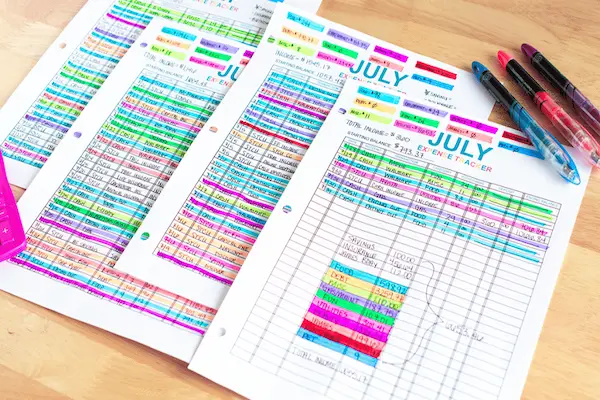
Swiping your card all day can feel effortless, yet the month-end balance check can feel like a surprise you never agreed to receive.
Tracking does not need to be perfect, time-consuming, or even “fun,” because the real win is building calm money awareness in minutes.
Why daily spending feels invisible and why that matters
Card payments, subscriptions, and one-tap checkouts remove the friction that used to remind people they were spending, so the brain often registers purchases as “small” even when they stack up fast.
Busy schedules amplify the problem because mental bandwidth gets spent on work, family, and errands, leaving money decisions to happen on autopilot.
Autopilot spending is not a moral failure, because it is a predictable outcome of speed, convenience, and modern payment design.
Money awareness improves when spending becomes visible in a consistent place, because visibility turns vague worry into specific information you can actually act on.
Confidence grows faster when the goal is “clarity” rather than “restriction,” since clarity lets you adjust without feeling punished.
Small, frequent check-ins beat occasional deep dives, because habits form through repetition, not through heroic once-a-month efforts.
Progress tends to stick when tracking is designed around your real life, including busy mornings, late nights, and the occasional chaotic day.
Tracking also reduces that end-of-month shock, because you start noticing patterns early enough to correct them gently.
How to track daily expenses with a goal that feels realistic
The most sustainable definition of tracking is writing down what you spend in a daily expense log quickly enough that you do not dread it.
A realistic goal is capturing around 80% of purchases, because consistency matters more than completeness when you are building a habit.
That 80% creates a clean enough picture to spot the biggest leaks, which is where most meaningful savings usually live.
Perfection can wait, since the early objective is simple tracking that you can repeat even on your busiest days.
A workable promise sounds like “I will record spending daily in under two minutes,” because two minutes is easier to protect than twenty.
When the tracking method feels light, the brain stops treating it like homework and starts treating it like routine hygiene.
The best method is the one you will actually do, even if it looks almost too simple on paper.
How to track daily expenses in under two minutes a day
Speed comes from reducing decisions, reducing steps, and choosing a format that matches your personality and schedule.
- Pick one capture place for everything, because splitting notes across apps, receipts, and memory creates gaps that kill momentum.
- Choose a tiny set of categories at the start, because too many labels make every entry feel like a debate.
- Record each purchase as soon as possible after it happens, because memory fades faster than you think on busy days.
- Write the amount first, because the number is the essential data and it anchors the rest of the entry.
- Add a short label for what it was, because a few words make the purchase meaningful when you review later.
- Assign a simple category, because categories are what turn a list of transactions into insight.
- Do a 60-second evening scan, because daily review keeps the habit alive and prevents “I’ll fix it later” drift.
Two minutes is easier when the format is predictable, so you always know exactly what to write without thinking.
Momentum improves when the tool is always available, which is why phone-based capture or a pocket notebook often works best.
Fewer fields can be surprisingly powerful, because the entry still tells the truth even if it is not beautifully detailed.
The three-moment method for people who pay by card
Many card-heavy spenders succeed with three predictable moments, because the day already has natural pauses that can host your habit.
- Right after purchase: capture the amount and category before you walk away, because that is the only moment when it is truly effortless.
- Midday checkpoint: add anything you missed while waiting for coffee or a meeting to start, because idle minutes are perfect for quick fixes.
- Evening reset: scan the day and total it, because closing the loop daily turns tracking into a calming ritual instead of a nagging task.
People often assume they need a long budgeting session, yet a short loop done daily creates a stronger baseline than a long session done rarely.
Choosing your tracking style: budget notebook, apps, or a hybrid
Your tracking style should match your friction points, because a method that feels “right” in theory can still fail in real life.
A budget notebook works well when you like tactile writing and you want spending to feel more “real” in your hands.
An app-based spending tracker works well when you want instant access and searchable entries without carrying anything extra.
A hybrid approach works well when you want quick capture on your phone and deeper reflection on paper once a week.
Each option can be sustainable, as long as it reduces effort instead of adding it.
Paper option: the budget notebook that makes spending feel real
Paper tracking increases money awareness because writing slows you down just enough to notice what is happening.
A small notebook is often better than a big one, because portability increases the chance you will use it.
One page per day works nicely, because it creates a natural boundary and makes review simple.
Receipts can support the process, yet relying on receipts alone often fails because many purchases do not generate them or they get lost.
Pen-and-paper also avoids app fatigue, which matters when your phone already feels like a crowded workspace.
- Keep the notebook where your wallet lives, because proximity reduces the chance you forget.
- Use the same pen, because tiny frictions like “where is a pen” can break the habit.
- Write amounts big, because quick readability makes daily review faster.
Paper works best when you accept messy handwriting and imperfect entries, because neatness is not the point.
App option: using a spending tracker without turning it into a second job
Apps can be excellent for simple tracking because they allow fast entry, repeat transactions, and quick category selection.
Several types of apps can work, so the decision is less about the brand and more about the workflow that feels easiest for you.
- Notes apps work when you want maximum simplicity, because a running list with a daily header can be enough to reveal patterns.
- Spreadsheet apps work when you like totals and filters, because even a tiny sheet can summarize categories automatically.
- Dedicated budgeting apps work when you want structure, because they often encourage consistent categories and review routines.
- Banking apps can help with memory, because transaction lists can remind you what you forgot to record manually.
Manual entry still matters even if you can view transactions later, because the act of writing reinforces awareness in a way passive review rarely does.
Apps stay sustainable when you restrict setup time, because complicated customization often becomes procrastination wearing a productivity costume.
Automation can help, yet the real habit is the daily check-in, because that is where insight appears.
Hybrid option: capture fast, reflect deeper once a week
Hybrid systems can be surprisingly effective for busy people, because they let you collect information quickly and then make sense of it later.
Phone capture reduces missed entries during the day, because your phone is usually closer than a notebook.
Weekly reflection on paper builds clarity, because writing totals by hand helps you feel the numbers instead of just seeing them.
- Capture each purchase in a simple phone list during the day, because speed is the priority in the moment.
- Once a week, transfer totals by category into a notebook, because aggregation is where meaning shows up.
- Write one sentence about what you noticed, because a short reflection turns data into a decision.
Hybrid tracking is also forgiving, because a messy weekday can still lead to a clean weekend review.
Simple categories that make the habit easier to keep
Categories should be few, familiar, and aligned with your life, because categories are the “language” your spending tracker uses to tell you the truth.
Too many categories create decision fatigue, so a small set usually wins for sustainability.
Five to eight categories often works for a first month, because it gives enough detail without becoming fussy.
Starter categories for simple tracking
- Food and drinks, because it captures groceries, coffee, and convenience spending in one place.
- Transport, because rides, fuel, and parking can quietly grow if you do not see them grouped.
- Bills and subscriptions, because recurring charges are easiest to manage when they are visible together.
- Home and household, because daily life includes supplies, repairs, and small purchases that add up.
- Health, because pharmacies and appointments can fluctuate and deserve a dedicated bucket.
- Fun and treats, because guilt-free enjoyment is healthier when it is intentional.
- Miscellaneous, because life is messy and you need a place for one-off expenses without overthinking.
These categories are not “rules,” because the real objective is clarity that helps you make choices, not labels that make you feel judged.
Card-heavy categories that reflect real modern spending
Card spending often clusters around convenience, so categories that reflect convenience can reveal the pattern quickly.
- Delivery and takeout, because frictionless ordering is one of the biggest silent budget disruptors.
- Micro-purchases, because small taps like apps, games, and impulse items can become a surprising monthly total.
- Workday spending, because commuting snacks, lunches, and quick purchases often live in a separate rhythm.
- Online shopping, because “just checking” can turn into orders without a clear memory trail.
When categories match your behavior, reviewing the week becomes easier because the story is obvious.
What to write in your daily expense log so it stays fast
The best daily expense log is short, consistent, and forgiving, because you will keep using it when it asks little from you.
More fields can be helpful, yet every extra field is a chance to quit, so start small and add only what truly helps.
A core entry can be just four parts, because those four parts create enough context for meaningful review.
- Date, because time patterns matter and weekends often behave differently than weekdays.
- Amount, because numbers drive totals and totals drive decisions.
- Category, because categories reveal trends that single transactions hide.
- Note, because a few words explain the “why” behind the spend.
Payment method can be optional, because the habit is about awareness rather than accounting precision.
Location can be optional, yet “at work” or “on the way home” can be useful when you are trying to adjust routines.
Mood can be optional, because emotional spending becomes easier to manage when you can see it without shame.
How to track daily expenses when you forget entries
Forgetting is normal, especially when you are learning, so the system should include a gentle recovery plan.
Recovery works best when it is quick, because long catch-up sessions create resistance.
- Check your banking transactions once a day for 60 seconds, because it can jog your memory without becoming a full audit.
- Add only the missing big items first, because big items drive the totals and reduce the need for perfection.
- Estimate tiny items if necessary, because a reasonable estimate protects the habit better than giving up entirely.
- Write one sentence about why you forgot, because the reason often reveals a friction point you can remove.
- Adjust the process, because habit design beats willpower every time.
Estimation is not “cheating,” because the purpose is awareness and better decisions, not courtroom-level evidence.
Consistency returns faster when you forgive the gap and restart immediately, because a clean restart is more valuable than a perfect backlog.
Habit tips that make tracking sustainable for a busy schedule
Sustainability comes from designing for your worst days, because your best days do not need help.
Tracking stays alive when it feels like a tiny ritual, because rituals are easier to repeat than chores.
Reduce friction so the habit happens almost automatically
- Create a “default category” for unclear purchases, because quick decisions keep you moving.
- Use shortcuts like “F” for food or “T” for transport in a notebook, because speed beats beauty.
- Pin your tracking app to your home screen, because hidden apps become forgotten habits.
- Keep your daily template ready, because a blank page can feel surprisingly intimidating when you are tired.
- Set a single reminder at a predictable time, because too many reminders turn into noise.
Friction also drops when you track right after a card tap, because the action becomes linked to the spending event itself.
Protect the habit with tiny rules that do not feel strict
- Record spending before scrolling at night, because the phone is already in your hand and the timing is consistent.
- Never skip two days in a row, because gaps grow exponentially when they become “normal.”
- Keep the first month intentionally simple, because complexity is the fastest way to quit.
- Review weekly even if daily tracking was imperfect, because review is where motivation is born.
- Celebrate consistency, because positive reinforcement makes habits feel safe instead of stressful.
Time realism matters because a habit that demands too much will compete with your responsibilities and lose.
Tracking becomes easier when it serves you, not when it scolds you.
How to do a daily review that takes one minute
A daily review is not a budgeting meeting, because it is simply a quick glance that keeps you connected to your spending reality.
One minute is enough when you follow the same script each time, because repetition removes decision-making.
- Scan the day’s entries, because the point is noticing, not judging.
- Circle or star any purchase that surprised you, because surprises are clues about autopilot spending.
- Add a quick daily total, because totals build intuitive awareness over time.
- Write one short takeaway, because a single sentence creates learning without adding work.
Daily totals are powerful because they train your brain to estimate spending before the month ends.
That estimation skill reduces anxiety because you start feeling in control long before the statement arrives.
How to do a weekly reset that changes your month
Weekly reset is the moment where tracking turns into improvement, because patterns appear when you group days together.
A weekly session can take 10 to 20 minutes, yet it often saves hours of stress later because it prevents “financial surprises.”
- Add category totals for the week, because category totals show the true drivers of your spending.
- Pick one category to adjust slightly, because one small change beats ten unrealistic promises.
- Plan one “easy win” for the next week, because behavior changes when the next step is obvious.
- Write a simple boundary if needed, because a boundary like “two takeouts this week” is clearer than vague intention.
- Decide on one treat that you will enjoy intentionally, because sustainability requires enjoyment without guilt.
Weekly review builds money awareness without obsession, because the focus is on trend-level learning rather than transaction-level micromanagement.
Adjustments should feel gentle, because harsh restriction often triggers rebound spending.
Common tracking problems and the quickest fixes
Most tracking failures come from friction, confusion, or shame, so fixes should target those three issues directly.
- Problem: “I forget to track,” fix: link tracking to an existing habit like brushing teeth or plugging in your phone, because anchors create consistency.
- Problem: “Categories confuse me,” fix: reduce to fewer categories for two weeks, because clarity beats complexity.
- Problem: “I feel guilty writing it down,” fix: switch the goal from judgment to curiosity, because curiosity keeps you engaged.
- Problem: “I get behind,” fix: do a quick catch-up with estimates and move on, because backlog perfection kills momentum.
- Problem: “The app feels like work,” fix: use a simpler capture tool and review weekly, because tracking should serve your life, not dominate it.
- Problem: “My partner or family spending complicates it,” fix: track your spending first and add shared spending later, because starting narrow builds confidence.
Fast fixes matter because a broken habit needs a repair kit, not a lecture.
Tracking options on paper: structures you can print or copy
Paper structures work best when they are easy to glance at, because the eyes should understand the page in seconds.
Printing a template helps because it eliminates setup effort, which is often the hidden barrier to consistency.
Printable daily expense log template
Use this one-page daily expense log when you want a clean routine that fits a busy day.
DAILY EXPENSE LOG (Date: ____________)

Starting balance (optional): ____________

1) Time: _____  Amount: _____  Category: __________  Note: __________________________
2) Time: _____  Amount: _____  Category: __________  Note: __________________________
3) Time: _____  Amount: _____  Category: __________  Note: __________________________
4) Time: _____  Amount: _____  Category: __________  Note: __________________________
5) Time: _____  Amount: _____  Category: __________  Note: __________________________

Daily total: ____________

One-sentence takeaway:
____________________________________________________________________________________
Keeping five lines can be enough because most people repeat categories, and the point is the habit, not exhaustive accounting.
Add more lines only when the habit feels stable, because stability is the foundation.
Weekly spending tracker table for quick category totals
Weekly totals help because they show patterns that single days cannot reveal, especially for food, transport, and impulse spending.
| Category | Mon | Tue | Wed | Thu | Fri | Sat | Sun | Weekly Total |
|---|---|---|---|---|---|---|---|---|
| Food & Drinks | ||||||||
| Transport | ||||||||
| Bills & Subscriptions | ||||||||
| Home & Household | ||||||||
| Fun & Treats | ||||||||
| Misc |
Seeing totals by day can reveal “trigger days,” because certain weekdays often carry predictable spending routines.
Noticing a trigger day lets you plan ahead, because planning reduces last-minute convenience purchases.
Monthly summary page that keeps it simple
Monthly summaries work best when they are brief, because long reports tend to get avoided.
MONTHLY SUMMARY (Month: ____________)

Top 3 categories by total:
1) ____________________   Total: ____________
2) ____________________   Total: ____________
3) ____________________   Total: ____________

One pattern I noticed:
____________________________________________________________________________________

One small change I will try next month:
____________________________________________________________________________________

One expense I will keep intentionally (because life matters):
____________________________________________________________________________________
Intentional spending improves sustainability because it reduces the feeling that budgeting is only about saying no.
Tracking options in apps: keeping setup minimal and results meaningful
App-based tracking can be extremely quick when you keep your setup lean, because the habit lives in daily repetition, not in elaborate configurations.
A simple structure can live in almost any tool, which is why the best app is usually the one you already open easily.
Minimal app structure you can copy into a note
Copy this structure into a note when you want a no-friction spending tracker that works anywhere.
DATE: ____________

- $____  Category: ________  Note: __________________
- $____  Category: ________  Note: __________________
- $____  Category: ________  Note: __________________

Daily total: $____

Takeaway: ___________________________________________
Bullet entries are fast because they avoid formatting decisions, while still capturing enough detail to learn from later.
Spreadsheet structure for quick totals without complexity
Spreadsheets become simple tracking tools when you keep columns minimal, because fewer columns reduce friction and increase consistency.
- Column A: Date, because time-based sorting and filtering becomes easy.
- Column B: Amount, because totals require a clean numeric field.
- Column C: Category, because categories drive insight.
- Column D: Note, because a short label preserves context.
Totals can be created later, because the first mission is collecting consistent entries that reflect reality.
Examples: what tracking looks like on a normal busy day
Examples reduce uncertainty because they show how short an entry can be while still being useful.
Realistic examples also help because they reflect the card-heavy lifestyle where purchases happen quickly and often in between tasks.
Example daily expense log entries
- $4.50, Food & Drinks, “coffee on the way to work,” because mornings can become an automatic spending window.
- $12.00, Food & Drinks, “lunch near office,” because convenience meals are a common pattern worth noticing.
- $9.99, Bills & Subscriptions, “app subscription renewed,” because recurring spending can be forgotten until it surprises you.
- $18.40, Transport, “ride home,” because small rides can stack when days get busy.
- $23.75, Home & Household, “household items,” because practical spending is still spending that affects the month.
- $7.20, Fun & Treats, “snack + drink,” because treats are healthiest when they are intentional and visible.
Even with short notes, the story becomes clear because patterns show up through repetition, not through long descriptions.
Short entries also reduce procrastination because you are not asking yourself to write an essay after every purchase.
Turning tracking into better decisions without feeling restricted
Tracking becomes powerful when it leads to one small decision at a time, because behavior changes through tiny adjustments that feel doable.
Restrictions often fail when they are based on emotion, while adjustments succeed when they are based on information.
Awareness gives you options, because options mean you can choose what matters instead of reacting at the end of the month.
Decision prompts that keep it practical
- “Which category surprised me this week,” because surprise is a signal that autopilot is running.
- “Which purchase felt worth it,” because you want to protect spending that supports your real life.
- “Which spending pattern feels easiest to reduce,” because easy changes create quick wins and confidence.
- “What would I do instead next time,” because planning alternatives reduces the need for willpower.
Small swaps beat dramatic overhauls because dramatic overhauls tend to collide with stress and schedule reality.
Practical tweaks might look like reducing delivery by one order per week, packing snacks twice a week, or setting a small “treat budget” that you actually enjoy.
How to track daily expenses when life is chaotic
Chaos is exactly when tracking helps most, because stress spending and convenience spending often spike during busy periods.
A chaos-friendly plan keeps the process tiny, because the brain needs relief, not extra tasks.
- Track only the amount and category for three days, because minimal tracking preserves awareness while reducing workload.
- Use a single catch-all category if needed, because something is better than nothing when you are overloaded.
- Return to your normal categories after the chaos, because temporary simplification keeps the habit alive.
- Review for one pattern, because a single insight is enough to create relief.
Short-term simplification prevents quitting because it respects your real capacity.
Capacity-based tracking is sustainable because it adapts to life rather than demanding life adapt to it.
How to track daily expenses as a couple or household without arguments
Shared money can add complexity, because two people can have different definitions of “necessary” and different comfort levels with details.
A peaceful approach starts with shared clarity goals, because clarity reduces assumptions and assumptions often create tension.
- Agree on shared categories, because shared categories reduce debates about where something “belongs.”
- Track shared expenses first, because that creates quick mutual benefits and builds trust.
- Allow personal spending privacy if needed, because autonomy can reduce defensiveness while still supporting the household budget.
- Review together weekly for ten minutes, because short meetings feel safer than long interrogations.
Shared tracking works best when it feels like teamwork rather than surveillance, because trust is the real foundation of any household budget.
Frequently asked questions about simple tracking
Is it better to track every transaction or just the big ones?
Tracking everything can be helpful later, yet starting with the big ones often works better because it reduces overwhelm while still improving money awareness quickly.
Once the habit feels stable, smaller transactions can be added naturally, because the process no longer feels fragile.
How long does it take to see results?
Clarity can appear within a week, because patterns like food convenience spending and subscriptions show up fast when recorded in one place.
Behavior changes often show within a month, because repeated weekly reviews turn observations into practical adjustments.
What if I feel anxious when I look at my spending?
Anxiety is common, because visibility can feel scary at first, yet anxiety usually decreases when spending becomes predictable rather than mysterious.
Curiosity helps more than criticism, because criticism makes the habit feel unsafe and curiosity keeps it sustainable.
Do I need a strict budget for this to work?
A strict budget is optional, because learning how to track daily expenses is primarily about building awareness and control, not about locking yourself into rigid rules.
Many people track first and budget second, because a budget based on real data is easier to follow than a budget based on wishful thinking.
Important notice about independence and third-party tools
Any apps, banks, platforms, notebooks, or tools mentioned are referenced only as examples of common tracking approaches, because the method matters more than the brand.
Notice: this content is independent and has no affiliation, sponsorship, or control by any mentioned entities.
Closing: your next 24 hours of tracking, made simple
Start today by choosing one capture place, choosing five to eight categories, and recording the next purchase you make, because a tiny start builds momentum faster than a perfect plan.
Keep it light for the first week, review for one pattern, and make one small adjustment, because quick sustainable wins are how tracking becomes a habit you do not need to force.