
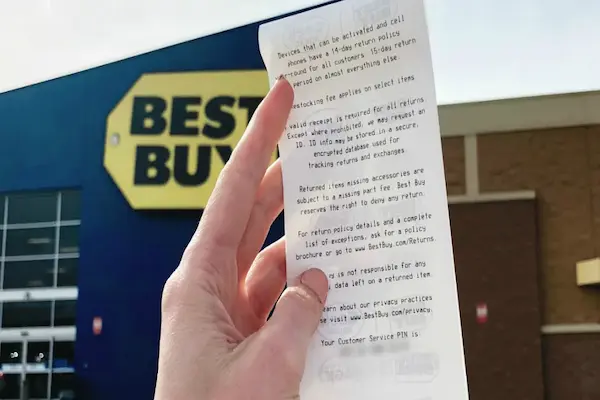
Getting stuck with an item you cannot return feels frustrating for a very specific reason, because you did your part by paying, carrying it home, and trying to make it work, yet one small policy detail quietly takes away your options.
Most shoppers do not “forget” return rules because they are careless, since policies are often buried in fine print, explained differently online versus in-store, and written in a way that assumes you already speak the language of retail terms.
This guide explains return policies every buyer should know in plain, organized language, so you can spot the important clauses quickly, keep the right proof, and protect your money without turning shopping into a stressful research project.
Notice: this content is independent and has no affiliation, sponsorship, or control over any retailers, brands, marketplaces, payment providers, or third parties mentioned.
Return policies every buyer should know: the simple map before you buy

Return policies look complicated until you realize most of them boil down to the same four building blocks, because a store is mainly deciding how long you have, what condition the item must be in, what proof you must show, and how the refund will be issued.
Clarity comes fast once you train your eyes to scan for those building blocks first, since everything else is usually a special exception layered on top of the basics.
- Time window: the return deadlines that define the last day you can bring an item back or ship it back.
- Condition rules: the packaging, tags, accessories, and “unused” requirements that decide whether the return is accepted.
- Proof rules: the receipt rules, order confirmation, or account history that proves the purchase is eligible.
- Refund method: whether you get money back to the original payment, store credit, an exchange, or a partial refund after fees.
A reliable big-picture habit is to check the policy before you fall in love with the product, because it is easier to choose a different seller than it is to negotiate after a deadline has passed.
Confidence grows when you treat the return policy like part of the product, since the ability to return is a form of insurance that can matter as much as the price tag when you are unsure.
The four questions that prevent most return surprises
A policy can be read in under a minute when you know what you are looking for, so the method below is designed for real life, including busy aisles, quick online checkouts, and purchases you are making on a tight schedule.
Less stress happens when you ask the same questions every time, because repetition builds a mental checklist that becomes automatic and keeps you from missing the clause that would trap you later.
- What are the return deadlines, and do they start on the purchase date, delivery date, or pickup date.
- What condition is required, including tags attached, original packaging, accessories included, and “unused” definitions.
- What proof is required, including receipt rules, order numbers, account history, or ID-based returns.
- What refund method applies, including original payment refunds, store credit, exchanges only, or restocking fees.
If any one of those answers feels vague, then the safest move is to assume the stricter interpretation, because stores usually enforce policy wording as written, especially when the system at the register or returns desk is designed to block exceptions.
Better outcomes come from matching your risk level to the policy, meaning generous policies fit “try-and-decide” purchases while strict policies fit items you already know you will keep.
Key terms in return and exchange policies, explained in plain language
Return policies often sound confusing because they rely on a handful of repeating terms, and once those terms become familiar, most policies become readable even when the writing style is unfriendly.
The glossary below translates common phrases into what they mean for your wallet and your options, so you can spot the deal-breakers immediately.
- “Return window” or “return period”: the number of days you have to return, which may depend on category or membership status.
- “Exchange only”: you cannot get money back, yet you can swap for the same item or choose a replacement under set conditions.
- “Store credit”: your refund becomes a credit to spend later, which is less flexible than cash back to your original payment method.
- “Original payment method”: the refund goes back to the card, digital wallet, or payment method used, often with processing time delays.
- “Final sale”: returns are not allowed, and in many cases even exchanges are restricted, so the purchase is effectively permanent.
- “Restocking fee”: a percentage or flat fee taken out of your refund, commonly used for certain electronics, appliances, or special orders.
- “Unopened” or “unused”: the item must be in a state the store can resell, which can include seals intact and no signs of wear.
- “With tags attached”: clothing and accessories often require original tags, because missing tags can trigger denial even if unworn.
- “Original packaging”: boxes, inserts, manuals, and protective materials may be required, especially for high-value items and fragile goods.
- “Return authorization” or “RMA”: a formal approval step for online returns, often required before you ship anything back.
- “Shipping costs non-refundable”: you may get the item price back while losing the original shipping fee, and sometimes paying return shipping too.
Understanding these terms changes your shopping behavior in a healthy way, because you start treating “final sale” as a serious warning label rather than a casual marketing phrase.
A small policy read can save far more money than a small coupon, particularly when you are buying gifts, sizing-sensitive items, or anything you suspect might not work the first time.
Store returns vs online returns: what changes, and why it matters
Store returns feel simpler because you can hand the item to a person, yet the rules can still be strict, while online returns feel flexible because you can start the process at home, yet the shipping steps add risk and deadlines become easier to miss.
Knowing the differences helps you decide where to buy, since the same product can be a safer purchase from one channel than the other depending on your timeline and your tolerance for hassle.
How store returns usually work
In-store returns often focus on the receipt rules and the item condition, because the retailer is trying to confirm the purchase quickly and protect against fraud, especially for popular items that are easy to resell.
Returns can be immediate and convenient when everything matches the policy, yet issues arise when tags are removed, packaging is discarded, or the purchase method cannot be verified on the spot.
- A paper receipt may be required, or a digital receipt linked to your account may be acceptable, depending on the retailer’s system.
- An ID may be requested for returns without a receipt, and some stores limit the number of no-receipt returns over a time period.
- Refunds to cards can take time to post, so “approved” does not always mean “visible in your bank” the same day.
How online returns usually work
Online returns often depend on return deadlines that count from delivery, plus the requirement that you initiate the return by a certain day, because shipping time adds a delay that the policy needs to control.
Extra steps such as printing labels, packing securely, and dropping off parcels introduce small failure points, so organization matters more when returning online purchases.
- Check whether the return window is based on delivery date, because that date can be earlier than the day you open the package.
- Confirm whether you need an RMA or return authorization, because shipping without approval can slow or invalidate the process.
- Save shipping receipts and tracking details, because proof of shipment can matter if a package is delayed or misrouted.
- Document item condition before packing, because photos help if the seller claims damage occurred during shipping.
Online returns are often perfectly manageable when you build a simple routine, because consistency beats memory every time, especially when you are juggling multiple deliveries and different seller policies.
A calm buyer treats return packaging as part of the process rather than as clutter, which is why keeping boxes for a short trial period can be a surprisingly powerful money-saving habit.
Receipt rules that can make or break your return
Receipt rules exist because stores need proof, and proof protects both sides, yet the practical reality is that losing a receipt often turns a straightforward refund into store credit at best or a denial at worst.
Making receipts easy to find is not about being “organized” as a personality trait, since it is simply a system choice you can set up once and benefit from repeatedly.
Paper receipts, digital receipts, and what to save
Paper receipts fade and get lost, while digital receipts can disappear into cluttered inboxes, so the most reliable approach is choosing a single place where return proof always goes, whether that place is a folder, an album, or a dedicated note.
Stability matters more than sophistication, because a simple system you actually use is better than an elaborate system you abandon after one busy week.
- Save the full receipt, not just the total, because item lines, dates, and tender type often matter for eligibility.
- Keep order confirmations and packing slips for online returns, because some sellers require a barcode or order number included in the box.
- Screenshot delivery dates when relevant, because return deadlines sometimes tie to delivery confirmation rather than order placement.
Gift receipts and returns when you were not the buyer
Gift returns can be awkward because you want a smooth exchange without involving the giver, and a gift receipt exists precisely to solve that problem, though it usually shifts refunds to store credit or exchanges rather than cash back.
The safest gift habit is asking for gift receipts on anything size-sensitive or preference-heavy, because it protects relationships as much as it protects money.
- Request a gift receipt at purchase, because it reduces the risk of being stuck with the wrong color, size, or style.
- Confirm whether the gift receipt has a different return deadline, because some stores treat gift transactions as a separate policy class.
- Keep packaging intact until you know, because gifts are often judged strictly on “new condition” standards.
ID-based returns and what they usually mean
Some stores allow returns without a receipt by using an ID to track return activity, which can be helpful in emergencies, yet those returns often come with limits and are more likely to result in store credit rather than a full refund.
If a store offers this option, it should be treated as a backup plan, because relying on it routinely can lead to denials when you least expect them.
- Expect store credit more often than cash refunds, because the retailer is absorbing more risk without standard proof.
- Expect stricter condition requirements, because missing packaging or signs of use can be an easy reason to deny the return.
- Expect limits, because many systems restrict how often no-receipt returns are allowed over a rolling period.
Return deadlines: the detail that traps the most shoppers
Return deadlines matter because they create a hard cutoff, and hard cutoffs feel unfair only when you discover them after the fact, which is why a small tracking habit can prevent a large financial annoyance.
Different categories often have different windows, so assuming “it’s probably 30 days” can be risky, especially for electronics, seasonal goods, clearance items, and special orders.
Common ways return windows are calculated
- Purchase date windows: the clock starts when you pay, which can be harsh if the item sits unused for weeks.
- Delivery date windows: the clock starts when the carrier marks delivered, which can be tricky if you travel or miss notifications.
- Initiation date windows: the clock starts when you request a return, yet you may still need to ship by a second deadline.
- Holiday extensions: some sellers extend deadlines seasonally, though the extension terms can vary and may exclude certain categories.
A calm, low-effort way to track return deadlines
A simple approach works best, because you do not need a complicated app to protect yourself, while you do need a consistent trigger that happens every time you bring something home or receive a delivery.
Better results come from writing the deadline down immediately, since “I’ll remember” tends to fail precisely when life gets busy.
- Locate the return deadline the moment you purchase, then write the last eligible date in a note or calendar entry.
- Add a reminder a few days earlier, because early action gives you time to find packaging and avoid last-minute trips.
- Test the item promptly, because discovering a defect late can create unnecessary conflict with policy timelines.
Tracking deadlines is not about rushing decisions, because the goal is simply to keep your options open while you decide, especially when you are evaluating fit, comfort, compatibility, or performance in your real home setting.
A deadline reminder turns returns into a routine task rather than a crisis, which is why the habit pays off quickly even if you only return items occasionally.
Condition rules: what “like new” usually means in practice
Condition rules exist because stores need to resell returned items or process them efficiently, yet “like new” can mean different things depending on the product type, the store’s risk tolerance, and whether the item is hygienic or safety-related.
Understanding these rules upfront helps you avoid accidental policy violations, such as discarding a tiny accessory, removing tags too early, or throwing away protective inserts that the store expects to see.
Packaging, tags, and accessories: the most common return blockers
- Clothing often requires tags attached, so trying it on carefully matters when you might return it.
- Electronics and appliances often require all parts, manuals, cords, and inserts, because missing components can trigger fees or denial.
- Beauty and personal care items may be restricted once opened, because hygiene policies can override general return friendliness.
- Furniture may require original packaging for pickup or shipment, because damage risk increases without protective materials.
A practical “return-safe” unboxing routine
Unboxing can be done in a return-safe way without killing the joy, because you can treat the first few days as a trial period where you keep everything together until you are sure, much like keeping the receipt until the decision feels settled.
Gentle handling in the first hour often determines whether a return is smooth, since scratches, torn boxes, and missing inserts are the most common reasons returns become complicated.
- Open packages carefully, using minimal cutting depth, because damaged boxes can be seen as damaged product packaging in strict policies.
- Place small accessories in a single bag or container immediately, because tiny parts are easy to lose during setup.
- Keep manuals, warranty cards, and inserts together, because returns staff often check for “complete set” contents.
- Avoid permanent changes early, such as mounting, drilling, or heavy modifications, because “used” can be interpreted broadly.
Refund method rules: why the same return can produce different outcomes
Refund methods vary because retailers balance fraud prevention, payment processing constraints, and customer service goals, so a return might be accepted while the refund form still differs depending on how you paid and whether the return is within the strictest window.
Knowing what to expect reduces frustration, because you can decide whether store credit is acceptable for your situation or whether you should choose a seller that refunds to your original payment method reliably.
- Original payment refunds are typically the most flexible, though processing time can vary and may not be instant.
- Store credit can be fine if you shop there often, yet it is risky if you rarely return, because it locks your money into one place.
- Exchanges can be helpful for sizing issues, though they may not solve dissatisfaction if you simply do not want the product anymore.
- Partial refunds can happen with restocking fees or missing components, so “accepted return” does not always equal “full refund.”
Examples of different return policy styles, so you can recognize them fast
Policies tend to fall into recognizable styles, and seeing examples helps you label what you are dealing with quickly, because you can adjust your behavior based on the style rather than reading every line as if it is entirely new.
This section is not about naming specific stores, since policies change and vary by location, while the goal is helping you identify patterns that show up across many retailers.
Style 1: Generous and simple
Generous policies usually offer a longer return deadline, accept lightly opened items in many categories, and refund to the original payment method when proof is clear, which makes them ideal for “try at home” items like clothing, shoes, and some household goods.
Even generous policies still enforce exceptions, so the safe move is checking category exclusions, especially for clearance, final sale, hygiene items, and large electronics.
- Best for: uncertain purchases, gifts, and items where fit or comfort is impossible to judge in-store.
- Watch for: category exclusions, missing packaging requirements for certain items, and holiday-specific rules.
Style 2: Strict and protective
Strict policies tend to have shorter return deadlines, stronger condition requirements, and more frequent use of store credit or restocking fees, which can be reasonable for categories prone to misuse, high fraud, or rapid depreciation.
If you are buying under a strict policy, then research and commitment matter more, because the seller is effectively telling you that “changing your mind” is costly.
- Best for: planned purchases where you are confident about the model, size, and compatibility.
- Watch for: restocking fees, unopened-only requirements, and rules that shift responsibility for shipping costs to the buyer.
Style 3: Hybrid with conditions
Hybrid policies look flexible at first glance, yet they include conditions that can change the outcome, such as full refunds only within a shorter window and store credit afterward, or refunds only with a receipt and ID, which means your organization directly affects your result.
These policies reward prepared shoppers, because small steps like saving packaging and tracking return deadlines keep you in the “best outcome” category.
- Identify the best-case path, such as “full refund within 14 days with receipt,” because that becomes your target behavior.
- Identify the fallback path, such as “store credit after 14 days,” because that reveals the cost of waiting.
- Decide whether the risk fits the purchase, because a strict hybrid policy can be painful for trial-based items.
Online returns: shipping details that quietly decide success
Online returns often fail for boring reasons rather than dramatic ones, because missing a label step, shipping after the deadline, or packing poorly can lead to delays, disputes, or damage claims that are hard to prove without documentation.
Success becomes much more likely when you treat returns like a small checklist process, since checklists reduce mistakes in any task that includes multiple steps and time-sensitive rules.
- Label rules matter, because some sellers require a specific barcode inside the box in addition to the shipping label outside.
- Packing quality matters, because damage in transit can shift blame to you even if the product arrived fine initially.
- Tracking proof matters, because a “dropped off” package is easier to defend when you can show acceptance and movement.
- Initiate the return early, because you want time to find packaging and schedule drop-off without rushing.
- Photograph the item and contents before sealing the box, because photos can support your case if something is disputed.
- Keep the shipment receipt until the refund posts, because proof is only useful if you still have it when needed.
Store returns: simple moves that reduce friction at the counter
Store returns go smoother when you make the employee’s job easy, because the returns desk is designed for speed, and speed depends on having the right proof, the right condition, and the right matching information in the system.
Politeness helps, yet preparedness helps more, since even the nicest conversation cannot override system rules when the return is outside the deadline or missing required components.
- Bring the receipt or pull up the digital proof before you reach the counter, because fumbling in line increases stress and mistakes.
- Return everything that came with the item, including cords, manuals, and accessories, because missing parts often trigger denial or reduced refund value.
- Know the refund destination you want, because you may be asked whether you prefer exchange or store credit in certain situations.
What to do when a return is denied, without turning it into a fight
A denial feels personal, yet it is usually procedural, because staff are following policy language and system prompts, so the most effective response is staying calm and gathering facts rather than escalating emotionally.
You cannot control a retailer’s policy, though you can control your documentation, your tone, and your ability to ask the right clarifying questions that reveal whether there is a legitimate path forward.
- Ask which specific rule caused the denial, because “we can’t” is less useful than “the return deadline passed” or “missing original packaging.”
- Confirm whether an exchange or store credit is possible, because alternative outcomes sometimes exist even when refunds do not.
- Present proof calmly, including receipts, order confirmations, and any documentation of defects, because clarity can resolve misunderstandings quickly.
- Request to speak with a supervisor only after you understand the rule involved, because escalation works best when it is specific and respectful.
- A defect claim can follow different rules than a change-of-mind return, so naming the issue clearly can matter.
- A damaged-in-box situation can require photos, so having them ready can turn a “no” into a workable process.
- A missed deadline is hard to overcome, which is why deadline tracking is the highest-impact prevention habit.
Return policies every buyer should know for big-ticket purchases
Higher-priced items often come with stricter rules, because depreciation is faster, fraud risk is higher, and shipping and handling are more complex, so return deadlines can be shorter and restocking fees more common.
Planning ahead matters most here, since the wrong policy can turn a simple “this doesn’t fit our space” situation into an expensive mistake that lingers for months.
Appliances, furniture, and electronics: common policy pressure points
- Restocking fees can apply, especially when packaging is opened or the item has been installed, so the true cost of “trying it” can be significant.
- Pickup and delivery scheduling can affect return windows, because you may need to initiate a return before the product even leaves your home.
- Installation and setup can change eligibility, because some policies treat installed items differently from unopened items.
- Warranty and returns are not the same thing, because a warranty addresses defects while returns often cover change-of-mind decisions.
- Measure your space before buying, because “it doesn’t fit” is one of the most preventable big-ticket return problems.
- Read the category-specific rules, because the general policy may not apply to large or technical items.
- Confirm what “unopened” means, because opening a seal can shift you from refund eligibility to exchange-only territory.
A simple habit list that prevents being stuck with unreturnable items
Habits work because they reduce decision fatigue, and returns are a perfect example, since the problem is rarely knowledge and is often execution, meaning you knew you should keep the receipt, yet the receipt still vanished into a pocket or a bag.
Consistency beats intensity, so the list below is designed to be realistic for busy households that want fewer surprises without spending hours on organization.
- Create a “returns spot” at home, such as a drawer or shelf, because having one location reduces lost packaging and missing accessories.
- Put receipts in one digital album or one folder, because scattered proof creates delays when you need it quickly.
- Write the return deadline on the receipt or in a note the same day, because future-you will not remember the exact date under pressure.
- Keep boxes and inserts until you are sure, because original packaging is frequently a condition rule for full refunds.
- Test the item within 48 hours when possible, because defects discovered early are easier to resolve within return windows.
- Avoid removing tags until you commit, because tags attached are often the difference between accepted and denied returns.
- Save order numbers and delivery confirmations, because online returns can depend on delivery date math and authorization steps.
- Take quick photos during unboxing for high-value items, because photos are useful evidence in damage or missing-parts disputes.
- Keep accessories together in a small bag, because cords and small parts disappear easily and can reduce your refund amount.
- Return sooner rather than later, because procrastination turns flexible policies into strict realities as deadlines approach.
Step-by-step: a calm return workflow you can follow every time
A repeatable workflow turns returns into a predictable chore rather than an emotional headache, because each step builds proof and reduces the chance of missing a requirement that the store considers essential.
Using the same sequence for store returns and online returns keeps your brain from reinventing the process every time, which is where errors usually happen.
- Re-check the policy for the specific category, because exceptions often hide in category language rather than in the general return statement.
- Confirm the return deadlines and your current date status, because acting one day earlier can be the difference between refund and store credit.
- Gather proof and contents, including receipt rules compliance, order numbers, tags, accessories, manuals, and packaging when required.
- Inspect the item condition honestly, because surprises at the counter or after inspection can delay processing and reduce outcomes.
- Choose the best path, either in-store return, online return shipment, or exchange route, based on policy and convenience.
- Keep confirmation of the return, whether it is a store receipt or shipping tracking, until the refund fully posts to your account.
Conclusion: the policy is part of the purchase, so read it like you mean it
Return policies every buyer should know are not a secret code, because they are mostly the same set of rules repeated in different formats, and once you train yourself to scan for deadlines, condition requirements, proof rules, and refund methods, you stop getting blindsided.
A few calm habits, such as saving receipts, keeping packaging briefly, testing items early, and tracking return deadlines, can prevent the “stuck with it” feeling that turns shopping into stress.
Shopping gets easier when you accept one simple idea, which is that the best deal includes the ability to undo the purchase if it does not work, while a cheap price with a harsh policy can become expensive the moment something goes wrong.
Notice: this content is independent and has no affiliation, sponsorship, or control over any retailers, brands, marketplaces, payment providers, or third parties mentioned.