
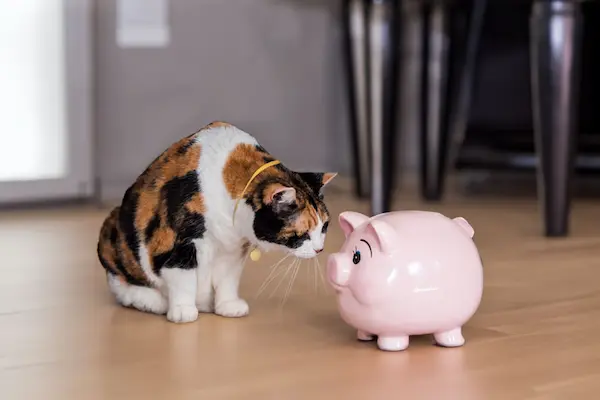
Pets bring comfort, routine, and ridiculous amounts of joy, yet the everyday costs can add up faster than most people expect, especially when you are trying to do the right thing every time.
This guide walks through caring, realistic ways to plan a pet budget and lower regular expenses, while keeping your pet’s wellbeing as the top priority rather than an afterthought.
Notice: This content is independent and has no affiliation, sponsorship, or control over any institutions, platforms, or third parties mentioned.
Why saving money on pet care should never mean “less care”
Saving money on pet care works best when it means spending more intentionally, because intentional spending usually improves consistency and reduces the panic of surprise bills.
Healthy pets tend to be less expensive over time, which is why preventive habits and smart planning often save more than any “cheap shortcut” ever could.
Peace of mind grows when you design a system that supports good care, because the goal is not to cut corners, but to remove waste and avoid avoidable emergencies.
Important health note: Always follow professional veterinary advice for health decisions, because online tips and budget ideas cannot replace medical guidance for your specific pet.
Common emotional traps that lead to overspending
Overspending often comes from love, guilt, and anxiety, because most pet owners would rather pay extra than risk making the “wrong” choice for an animal they adore.
Marketing also plays a role because pet products are frequently framed as “must-haves,” while many households only need a few well-chosen essentials.
Clarity helps because you can care deeply and spend wisely at the same time, especially when you have a plan for both daily needs and unexpected events.
- Guilt spending happens when an owner tries to “make it up” to a pet with treats, gadgets, or extra toys, even when the pet already has plenty.
- Emergency fear spending happens when people skip planning, then overspend during a crisis because there is no time to compare options calmly.
- Impulse upgrade spending happens when a premium option feels safer, even though the standard option would be appropriate and effective.
Build a pet budget that feels kind, realistic, and useful
A pet budget is not a strict punishment, because it is simply a plan that gives your pet what they need while protecting the rest of your household finances.
Consistency improves when your budget includes both routine spending and irregular spending, since most pet costs are predictable in pattern even if the exact timing varies.
Confidence increases when you treat the budget as a living document, because pets grow, seasons change, and your plan should adapt without drama.
A simple pet budget structure you can start today
Keeping categories clear prevents surprises because you can quickly see where your money goes and which costs are truly flexible.
- List recurring essentials such as food, litter or pads, basic grooming, and monthly parasite prevention if recommended by your veterinarian.
- Add routine healthcare such as annual exams, vaccinations, and dental checks based on your pet’s age and health history.
- Include comfort and enrichment such as toys, chews, and treats, because a small planned amount reduces impulse buying later.
- Create a vet costs planning line for emergencies, because unexpected issues are common and a buffer can prevent debt.
- Essentials should be protected first, because nutrition and basic health care are non-negotiable foundations.
- Enrichment can be planned modestly, because pets often prefer novelty and interaction over expensive products.
- Emergency planning can start small, because even a small buffer reduces stress and improves decision-making.
How to choose a starting number without overthinking
Start by observing what you already spend, because guessing tends to create unrealistic numbers that get abandoned within a month.
Then choose one gentle improvement, because one steady improvement beats an aggressive overhaul that collapses when life gets busy.
- Look at the last two months of pet-related spending and calculate an average, because real data beats wishful thinking.
- Add a small buffer for price changes, because pet supplies and food costs can fluctuate depending on availability and brand.
- Set a monthly savings amount for vet costs planning, because spreading costs over time feels easier than scrambling later.
Breakdown of regular pet expenses and how to plan for them
Most pet expenses fall into a few predictable groups, and understanding those groups helps you decide where saving is safe and where saving is risky.
Planning becomes easier when you label each cost as either “recurring,” “seasonal,” or “unexpected,” because those labels suggest different strategies.
Food and treats: the biggest ongoing category for many households
Food is a core health decision, so saving here should focus on reducing waste and buying strategically rather than choosing a diet that does not fit your pet’s needs.
Veterinary guidance matters when your pet has allergies, medical conditions, or a special diet, because changing food purely for cost can create health setbacks.
- Recurring cost: everyday meals and routine treats used for training or bonding.
- Seasonal cost: food adjustments for activity changes, weather changes, or growth stages.
- Unexpected cost: prescription diets or special nutrition needs recommended by your veterinarian.
Preventive care and vet visits: where planning can protect both health and budget
Preventive care is often the most cost-effective form of pet care, because catching issues early can reduce the chance of expensive treatment later.
Vet costs planning works best when you map out the typical year, since many costs repeat on a schedule even if you do not remember the dates.
- Annual or semiannual wellness exams, depending on age and medical history.
- Vaccinations recommended for your region and lifestyle, which your veterinarian can help prioritize.
- Parasite prevention choices that match your area, your pet’s exposure risk, and professional recommendations.
- Dental checks and cleanings when advised, because dental disease can affect overall health and become expensive if ignored.
Pet supplies: the “little things” that quietly add up
Pet supplies can feel inexpensive individually, yet they accumulate through frequent replacement, impulsive upgrades, and buying duplicates because you forgot what you already have.
Inventory reduces waste because you will stop buying new leashes, brushes, and bowls when the old ones are still functional.
- Waste management: litter, waste bags, pads, cleaning supplies, and odor control items.
- Comfort: bedding, crates, carriers, and climate-related gear.
- Grooming: brushes, shampoo, nail tools, and coat care items appropriate for your pet.
- Enrichment: toys, chew items, training tools, and puzzle feeders.
Food savings without sacrificing nutrition
Food savings works best when you focus on smart purchasing and portion control, because overfeeding and waste can be more expensive than the price difference between brands.
Consistency matters because frequent food switching can lead to digestive upset, and digestive upset can lead to vet visits that cost far more than a bag of food.
Personalization is important because different pets thrive on different diets, so cost-saving ideas should always be filtered through your pet’s health needs and your veterinarian’s guidance.
Practical ways to reduce food waste at home
- Measure portions consistently, because “eyeballing” often leads to overfeeding and faster bag turnover.
- Store food properly, because stale food can reduce appetite and lead to wasted meals.
- Track how long a bag lasts, because knowing your true consumption helps you compare cost per day rather than cost per bag.
- Use treats strategically, because treat calories can quietly replace nutrition and increase spending without improving health.
- Training treats can be tiny, because pets respond to frequency and enthusiasm more than large portions.
- Leftover human food should be handled cautiously, because many foods are unsafe for pets and diet changes can cause stomach problems.
Buying food smarter: price comparisons that actually matter
Comparing price by weight and by feeding-day cost provides a more accurate picture, because the cheapest bag is not always the cheapest per meal.
- Calculate cost per pound or kilogram, because packaging sizes can make the “deal” look better than it is.
- Estimate daily feeding cost based on your pet’s portions, because feeding guidelines and calorie density vary widely.
- Watch for sales on the exact food your pet already tolerates well, because switching for a deal can backfire.
- Consider buying larger sizes only when storage and freshness make sense, because buying big and tossing spoiled food is not a savings.
- Autoship or subscription discounts can help when they do not lock you into overpriced items, so reviewing the price each reorder matters.
- Bulk purchases are safest for stable diets, because frequent diet changes make bulk buying risky and wasteful.
Vet costs planning: reduce surprise bills with gentle preparation
Vet bills often feel stressful because they arrive during emotional moments, which is exactly why planning ahead can protect both your pet and your decision-making.
Preparation does not guarantee lower costs, yet it can create choices, and choices are what reduce panic and prevent financial regret.
Important health note: Always follow professional veterinary advice for health decisions, because delaying care or choosing the wrong DIY treatment can worsen outcomes.
Map a “typical year” for your pet
A calendar-based approach helps because most pets have predictable needs that repeat, even if the exact dates are different each year.
- Ask your veterinary clinic what preventive care schedule is recommended for your pet’s age, breed, and lifestyle.
- Write down expected months for exams, vaccines, refills, and dental checks, because seeing the timeline makes the cost feel manageable.
- Divide estimated annual routine care by 12, because monthly saving is often easier than paying a lump sum.
- A routine-care sinking fund can reduce reliance on credit, because the money is already set aside when the appointment arrives.
- Scheduling appointments early can sometimes give more flexibility, because you can choose dates that match your cash flow.
Questions to ask a veterinary clinic that support budget planning
Veterinary teams often understand that budgeting is real life, and asking respectful questions can help you prepare without compromising care.
- Which preventive services are highest priority for my pet’s lifestyle, and which ones are optional or timing-flexible?
- Are there different treatment pathways for this issue, and what are the tradeoffs, risks, and likely outcomes?
- What early warning signs should I watch for, so I can seek care before a minor issue becomes severe?
- Can you provide a written estimate, so I can plan and avoid surprise line items?
Emergency planning without fear
Emergencies happen, yet you do not need to panic about them daily, because a calm, small plan can reduce stress dramatically.
- Start an emergency pet fund with any amount, because consistency matters more than size at the beginning.
- Keep a list of nearby emergency clinics and after-hours options, because searching while scared increases stress and mistakes.
- Store medical records and vaccination history where you can access them quickly, because speed can matter in urgent situations.
- Even small savings can create choices, such as deciding faster on diagnostics or starting treatment without delay.
- Planning supports better care, because you can act sooner when you are not frozen by the financial unknown.
Pet supplies: smart buying strategies that reduce waste
Pet supplies are a perfect place to save because overspending often comes from convenience purchases, repeated purchases, and buying “cute extras” that the pet barely uses.
Smart buying means you focus on durability, safety, and fit for your pet, because the cheapest item can become the most expensive if it breaks quickly.
Planning helps because supplies can often be purchased in cycles, which reduces rushed purchases at higher prices.
Build a “supplies baseline” so you stop buying duplicates
- Gather your current supplies and sort them into essentials, backups, and extras, because seeing everything at once reduces accidental double-buying.
- Decide which essentials need a backup, such as waste bags or litter, because running out leads to last-minute high-cost purchases.
- Create a simple replacement schedule for consumables, because predictable buying reduces impulse runs to the store.
- Keeping one spare of key consumables can save money, because you can wait for a good price instead of paying emergency prices.
- Storing supplies neatly can save money, because you will stop forgetting what you already have.
Shop smarter for pet supplies without chasing endless deals
Deal-chasing can become its own hobby, so the best approach is usually a simple system that captures savings without consuming your time.
- Choose one or two reliable places to buy essentials, because consistency reduces decision fatigue and helps you notice true price changes.
- Compare price per unit for consumables, because a “bigger box” is not always a better deal when quality differs.
- Buy durable gear once, because replacing cheap collars, leashes, or carriers can cost more than buying a solid option initially.
- Watch for seasonal sales on planned items, because timing purchases can reduce cost without changing what you buy.
- Quality matters for safety items like collars, harnesses, crates, and carriers, because failures can be dangerous.
- Simple is often best for bowls, beds, and basic grooming tools, because premium branding does not always add real value.
DIY toys and enrichment: fun, cheap, and often more engaging
Pets usually crave novelty and interaction more than expensive products, which is why simple DIY toys and games can deliver big enrichment for small cost.
Safety is essential because DIY should never introduce choking hazards, sharp edges, or materials that are unsafe for chewing or swallowing.
Supervision matters because even store-bought toys can break, and DIY toys should be monitored even more carefully.
Simple DIY toy ideas for dogs
Dogs often love games that involve scent, problem-solving, and your attention, which means you can create enrichment without buying a new toy every week.
- Towel treat roll: place a few small treats in a towel, roll it up, and let your dog sniff and unroll under supervision.
- Cardboard box puzzle: hide a favorite toy inside a box within a box, then let your dog investigate while you monitor tearing and swallowing risk.
- Homemade tug toy: braid old t-shirts into a sturdy rope, then inspect it regularly for fraying and replace when worn.
- Sniff scavenger hunt: hide kibble pieces around one room, then let your dog search to burn mental energy.
- Choose materials your dog cannot easily swallow, because swallowed fabric and cardboard can create dangerous blockages.
- Supervise the first few sessions, because you need to learn how your dog interacts with the toy.
- Remove the toy if it starts to break apart, because safety always outranks savings.
Simple DIY toy ideas for cats
Cats often prefer movement and surprise, so DIY toys that mimic prey can provide a lot of excitement with very little cost.
- Paper ball chase: crumple paper into a ball and toss it gently, then replace it when it tears into small pieces.
- Wand toy refresh: attach a new safe fabric strip to an existing wand, then store it away between sessions to keep it exciting.
- Box lounge: place a clean cardboard box with a cut doorway, then rotate boxes occasionally for novelty.
- Toilet paper roll puzzle: fold the ends of a roll and place a few treats inside, then let your cat bat it around under supervision.
- Avoid strings left unattended, because string can be dangerous if swallowed.
- Rotate toys weekly, because rotation makes old toys feel new again without spending more.
- Prefer interactive play, because your attention is often the most valuable enrichment you can offer.
DIY enrichment ideas for small pets
Rabbits, guinea pigs, and other small pets often benefit from foraging and chewing activities, although you should always confirm what is safe for your specific species.
- Paper bag forage: place safe hay inside a paper bag, then let the pet explore under supervision.
- Cardboard tunnel: create a tunnel from safe cardboard, then replace it if chewing creates sharp edges.
- Scatter feeding: spread food in a safe area to encourage natural searching behaviors.
Important health note: Always follow professional veterinary advice for health decisions, and confirm safe materials and foods for your specific pet type.
Grooming and hygiene: reduce costs by preventing problems
Grooming costs can be reduced when you build simple routines at home, because small regular maintenance often prevents bigger issues like matting or skin irritation.
Comfort matters because grooming should not become stressful for your pet, which is why gentle training and gradual exposure can save both money and tears.
At-home grooming habits that support a pet budget
- Brush on a schedule that matches coat type, because regular brushing reduces shedding and prevents painful tangles.
- Trim nails carefully if you are confident and your pet tolerates it, because frequent small trims can reduce the need for paid visits.
- Clean ears and teeth only as advised by your veterinarian, because improper cleaning can cause harm.
- Use bathing routines appropriately, because overbathing can dry skin while underbathing can worsen odor and irritation.
- Short sessions build trust, because pets often accept grooming better when it is quick and paired with calm praise.
- Consistency reduces cost, because avoiding severe matting can prevent expensive grooming interventions.
Saving money on pet care with smarter habits, not harsher rules
Behavior-based savings tends to last because it fits into daily life, while harsh rules tend to break the moment a pet looks at you with sad eyes.
Gentle structure works because it reduces decision fatigue, which is one of the biggest drivers of impulse purchases and “last-minute emergencies.”
Household habits that prevent overspending
- Keep a running list of pet supplies needed, because lists reduce impulse buys that happen while browsing aisles.
- Create a monthly “pet supplies day,” because scheduled buying helps you compare prices and avoid rush purchases.
- Use a treat budget, because treats are small but frequent and can become surprisingly expensive.
- Plan enrichment time, because a tired, stimulated pet often needs fewer “new things” to stay happy.
A practical “before you buy” checklist for pet products
- Ask, “Is this replacing something that is worn out, or is it an extra that will add clutter,” because clutter often equals wasted money.
- Ask, “Will my pet actually use this based on past behavior,” because pets have preferences that marketing cannot change.
- Ask, “Is there a safe DIY option or a rotation option,” because novelty can be created without constant purchasing.
- Ask, “Does this improve safety or health,” because spending is most justified when it protects wellbeing.
- If you cannot explain the benefit in one sentence, waiting 48 hours can prevent a regret purchase.
- If the item feels like “retail therapy,” adding it to a wish list can keep the feeling without spending immediately.
Example monthly pet budget templates for different situations
Templates help because they give you a starting point, while still allowing your household to adjust based on your pet’s age, health, and lifestyle.
These examples focus on structure rather than exact dollar amounts, because costs vary widely by region, species, and health needs.
Template 1: Young, healthy pet with predictable needs
- Food: primary nutrition plus small training treats used intentionally.
- Waste supplies: litter, bags, or pads based on your pet type.
- Preventive care savings: a monthly set-aside for routine visits and vaccines.
- Enrichment: a small monthly amount, supported heavily by DIY toys and rotation.
- Emergency fund: a starter amount that grows slowly over time.
Template 2: Senior pet requiring more frequent care
- Food: diet matched to age and health needs, often with stricter consistency.
- Vet costs planning: larger monthly set-aside for labs, more frequent exams, and potential medications.
- Comfort supplies: bedding support, mobility aids if recommended, and home adjustments that reduce strain.
- Enrichment: gentle activities and mental stimulation that match energy level.
Template 3: Multi-pet household balancing fairness and simplicity
- Food: separated by pet needs, because one pet’s diet should not be compromised by another’s preferences.
- Shared supplies: waste bags, cleaning supplies, and some grooming tools can often be shared.
- Vet planning: separate sinking funds per pet or one combined fund with clear tracking.
- Enrichment: rotation systems and DIY options to prevent constant toy purchases for each pet.
Frequently asked questions about food savings and pet supplies
Should I buy the cheapest food to save money?
Choosing food should prioritize health and tolerability, because digestive issues or nutrition problems can create vet bills that erase any grocery savings quickly.
Food savings usually works best through portion control, waste reduction, and smart buying of a diet your pet already does well on.
Are generic supplies okay for pets?
Many basic supplies are fine when they are durable and safe, although safety items like collars and harnesses deserve extra attention because failures can be dangerous.
Value is highest when you buy fewer items that last longer, since repeated replacements often cost more than a solid initial purchase.
Can DIY toys replace store-bought toys completely?
DIY toys can cover a lot of enrichment needs, yet some pets also benefit from durable commercial toys designed for safety, especially heavy chewers.
Supervision remains important either way, because no toy is indestructible and safety should always come first.
How much should I save for vet costs planning each month?
The right amount depends on your pet’s age, health history, and local pricing, so asking your veterinary clinic for guidance can help you choose a realistic number.
Starting with a small monthly amount is still useful, because consistent saving builds a cushion that improves choices in stressful moments.
A 30-day action plan for saving money on pet care without stress
This plan is designed to feel supportive rather than strict, because the best plan is the one you will actually maintain while caring for your pet lovingly.
Momentum grows when you collect small wins, because small wins build confidence and reduce the sense that pet costs are uncontrollable.
Week 1: Inventory, budget categories, and quick waste reduction
- List your recurring pet expenses and separate essentials from extras, because clarity makes decisions calmer.
- Measure food portions and track how long your current food lasts, because this one habit often reduces waste immediately.
- Gather pet supplies and identify duplicates, because duplicates often lead to unnecessary future purchases.
- Create a “use first” box for extra supplies, because using what you already own is the cheapest option.
- Choose one DIY toy idea and test it, because enrichment does not need to be expensive to be effective.
Week 2: Vet costs planning and routine scheduling
- Write down the next expected routine vet visit and preventive care needs, because dates reduce surprise.
- Start a monthly set-aside for routine care, because spreading costs protects your cash flow.
- Build an emergency plan list with clinic contacts and records, because preparation reduces panic.
- Ask your veterinarian about safe preventive priorities, because professional advice protects both your pet and your budget.
- Set a reminder for refills or seasonal prevention needs, because last-minute needs can cost more.
Week 3: Smarter buying and supply routines
- Choose a reliable buying schedule for consumables, because scheduled buying reduces impulse purchases.
- Compare unit pricing for your pet’s regular items, because cost per unit reveals true value.
- Decide which items are worth buying durable, because repeated replacements usually cost more.
- Rotate toys and enrichment items weekly, because rotation makes old items feel new without spending.
- Limit treat purchases by planning them, because treats are a common “love purchase” that can balloon quietly.
Week 4: Review, adjust, and make it sustainable
- Review the month’s pet spending and identify one category to improve, because gradual change sticks longer.
- Set a realistic monthly pet budget moving forward, because clarity reduces stress and prevents drift.
- Commit to a short monthly review, because prevention is cheaper than fixing overspending later.
- Keep your system kind, because guilt makes people avoid budgeting and avoidance makes costs worse.
- Stay aligned with veterinary guidance for health choices, because health mistakes can be costly and painful.
Closing thoughts: good care and smart spending can live together
Saving money on pet care becomes much easier when you treat it as planning and waste reduction, because those strategies protect your pet’s wellbeing while also protecting your household finances.
Food savings, pet supplies organization, and vet costs planning can create steady improvements, because small consistent habits often outperform big one-time changes.
Professional veterinary advice should guide health decisions, because the most expensive outcome is not a bill, but a preventable health problem that causes suffering.
Notice: This content is independent and has no affiliation, sponsorship, or control over any institutions, platforms, or third parties mentioned.