
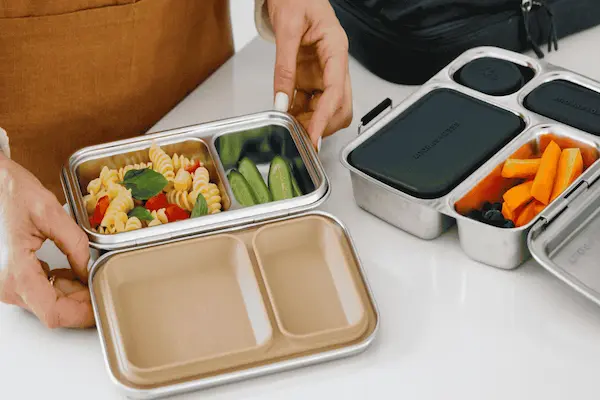
Buying lunch out feels harmless in the moment, yet the total quietly grows until it starts competing with bigger goals like savings, debt payoff, or even a calmer month.
Saving money on work lunches can be surprisingly simple when you build a repeatable routine that still tastes good, fits your schedule, and lets you start with only a few days per week.
Saving money on work lunches: why this one habit moves your whole budget
Lunch is a daily decision during the workweek, which means it creates more “money moments” than many other categories you might track once a month.
Convenience spending is rarely about carelessness, because it is usually about time pressure, mental fatigue, and the very normal desire to make one part of the day easier.
Small food choices matter because they repeat, and repetition is what turns a single purchase into a pattern that quietly shapes your lunch budget.
Many office workers feel stuck because they cannot imagine packing five lunches forever, so the most realistic plan starts with two or three days and improves from there.
Momentum builds when lunch feels satisfying, because bland “budget lunches” often lead to a mid-afternoon snack run that erases the savings and adds frustration.
The cost comparison that makes the habit feel real
Consider a simple example where buying lunch costs $12 on average, and that total sometimes climbs when a drink, side, or dessert sneaks in.
Imagine a packed lunch that costs $4 in ingredients, because it uses leftovers, staples, and a simple structure rather than expensive single-serve items.
In that scenario, the difference is $8 per day, which becomes $40 per week if it happens five days.
Over 50 working weeks, that same $40 per week becomes $2,000, which is why tiny daily changes can feel like a serious win by the end of the year.
Even if your numbers are different, the pattern remains the same, because frequent spending creates frequent opportunities to keep more money.
A quick “break-even” lunch budget calculator you can do in one minute
Clarity becomes easier when you use your own numbers, so a simple formula helps you see the opportunity without guessing or relying on anyone else’s routine.
- Write down your typical “buy lunch” cost, including the extras you usually add, because the extras are often the true budget-drainers.
- Estimate a realistic “pack lunch” cost using ingredients you would actually eat, because a cheaper lunch that you hate will not stick.
- Subtract the packed cost from the bought cost, because the difference is your daily savings potential.
- Multiply by the number of days you want to pack each week, because starting with two or three days is often more sustainable than aiming for perfection.
- Multiply by 4 for a rough monthly number, because seeing a monthly total makes the habit feel worth the effort.
Confidence grows when the math is yours, because personal numbers turn a generic tip into a decision that feels grounded and motivating.
Saving money on work lunches starts with a system, not a personality change
Most people do not fail because they lack discipline, since the real issue is that a lunch plan often requires too many decisions on busy mornings.
A system works when it reduces choices, shortens prep time, and protects you from the “I’ll just buy something today” moment that happens when stress is high.
Good routines feel boring in a helpful way, because boring routines free your attention for work while still supporting your budget goals.
Simple structure matters more than culinary ambition, which is excellent news if you like good food but do not want cooking to become a second job.
Choose a default lunch template so you are not reinventing lunch daily
A lunch template is a repeatable format you can fill with different flavors, which keeps meals interesting without creating a brand-new plan every day.
Variety becomes easier when the structure stays the same, because you can swap one ingredient without redesigning the entire lunch.
- Sandwich or wrap template: bread or wrap, protein, crunchy vegetable, flavorful spread, plus a fruit or yogurt on the side.
- Salad bowl template: greens or grains, protein, two vegetables, one “fun” topping, and a dressing packed separately.
- Leftover remix template: last night’s main plus a new side, because a small twist makes leftovers feel intentional.
- Snack box template: protein, crunchy item, fruit, and a small treat, because balanced grazing can feel satisfying at a desk.
Templates reduce decision fatigue, because you only decide the “fill-ins” rather than deciding your entire lunch from scratch every morning.
Set up an office “backup stash” so one forgotten lunch doesn’t break the streak
Backup food protects your plan, because forgetting a lunch once is normal, yet buying lunch out every time you forget is what makes the habit expensive.
A small stash also reduces stress, because it turns an “oops” day into a manageable day rather than a budget derailment.
- Keep shelf-stable protein like tuna packets, chickpeas, or nut butter if your workplace allows them, because protein helps lunch feel complete.
- Store simple carbs like crackers, rice cups, or oatmeal packets, because they pair well with many quick add-ons.
- Include one or two comfort items like instant soup, because comfort reduces the temptation to spend impulsively.
- Add utensils and napkins, because missing tools can turn a perfectly good lunch into an excuse to buy something else.
Backups are not about perfection, because they are about resilience on the days when life does what life always does.
Cheap work lunches that still feel satisfying, not sad
Cheap work lunches work best when you enjoy them, because taste is what keeps you from wandering out for “something better” halfway through the week.
Affordable lunches often come from using staple ingredients in smart combinations, because staples are flexible, filling, and easier to buy in budget-friendly quantities.
Flavor matters as much as cost, so small additions like sauces, spices, pickles, herbs, or crunchy toppings can make simple food feel genuinely craveable.
Sandwich and wrap ideas that don’t feel repetitive
Sandwiches save money because they are quick, portable, and easy to customize without specialized cooking skills.
- Chicken salad remix: shredded chicken, yogurt or mayo, celery, mustard, and a little spice, because texture and tang make it feel fresh.
- Hummus crunch wrap: hummus, cucumber, shredded carrots, and greens, because the crunch keeps it satisfying.
- Turkey and slaw: deli turkey, bagged slaw mix, and a tangy dressing, because slaw adds volume without a big cost.
- Egg salad with bite: eggs, a little mustard, and pickles, because strong flavor makes budget ingredients feel upgraded.
Rotation helps, because choosing two sandwich styles per week usually feels easier than forcing yourself to eat the same thing five days in a row.
Salads that survive the commute and still taste good at noon
Salads fail when they get soggy, so the trick is building them in layers and keeping wet ingredients separate until you eat.
- Start with dressing in a small container, because dressing is the main reason salads collapse before lunchtime.
- Add sturdy vegetables like carrots, peppers, or cucumbers, because sturdy vegetables hold texture better than delicate greens.
- Include protein like beans, chicken, tofu, or eggs, because protein reduces snack cravings later.
- Top with greens last, because keeping greens away from moisture protects the crunch and freshness.
- Pack a crunchy topping separately, because seeds, croutons, or nuts make a simple salad feel more like a real meal.
Salad success is mostly engineering, which is a relief because it means you do not need fancy ingredients to make it work.
Grain bowls that feel like takeout, but cost far less
Bowls are ideal for saving money because they use inexpensive bases like rice, pasta, quinoa, or potatoes, while still feeling filling and customizable.
- Southwest bowl: rice, black beans, corn, salsa, and a little cheese, because pantry staples turn into a complete lunch quickly.
- Mediterranean bowl: couscous, chickpeas, cucumber, tomatoes, and a simple dressing, because bright flavors make it feel restaurant-like.
- Teriyaki-style bowl: rice, frozen mixed vegetables, and a protein with sauce, because frozen vegetables keep prep fast and affordable.
- Comfort bowl: mashed potatoes or roasted potatoes with a protein and a vegetable, because comfort reduces the urge to buy lunch out.
Bowl lunches also travel well, because they hold up in containers and are easy to eat even during a short break.
Pack lunch ideas for people who do not want “meal prep culture”
Meal prep can be helpful, yet it can also feel like a lifestyle you did not sign up for, which is why low-effort pack lunch ideas are often the best starting point.
Minimal prep works when you rely on assembly, smart shortcuts, and a few repeatable ingredients that you can reuse across different lunches.
Time is real, so the goal is creating a lunch routine that fits into your life instead of demanding a new personality and a new Sunday schedule.
Two-minute assembly lunches for chaotic mornings
Assembly lunches are powerful because you can build them quickly while coffee brews, which means they are realistic on a typical workday.
- Greek-style snack box: cheese, olives, cucumber, crackers, and fruit, because variety makes it feel satisfying without cooking.
- Yogurt power bowl: yogurt, granola, and frozen berries, because frozen fruit can thaw by lunchtime and still taste great.
- Peanut butter banana wrap: nut butter and banana in a tortilla, because it is quick, filling, and office-friendly for many people.
- Rotisserie chicken plate: chicken, bagged salad, and a simple carb, because one store shortcut can fund several cheap work lunches.
Small routines win because they happen often, which is exactly what you want for a lunch budget that stays under control.
Smart grocery shortcuts that still support utility and taste
Shortcuts are not cheating, because the real goal is replacing expensive lunch purchases with something you will actually eat.
- Use bagged salad kits as a base and add extra protein, because the kit provides flavor while protein makes it filling.
- Buy frozen vegetables you enjoy, because they reduce waste and speed up office microwave meals.
- Keep microwavable rice or grain cups for emergency days, because they turn a basic protein into a full meal quickly.
- Choose a few sauces you love, because sauces create variety even when ingredients repeat.
Convenience inside your grocery budget is usually cheaper than convenience outside it, which is why planned shortcuts can be a smart move.
Leftovers that feel intentional instead of accidental
Leftovers save money best when you plan for them, because planning prevents the “leftovers again?” feeling that leads to buying lunch out.
- Cook one extra portion at dinner, because a deliberate extra portion is easier than trying to scrape together lunch later.
- Pack lunch right after dinner cleanup, because doing it while the kitchen is already active reduces friction the next morning.
- Add one new element to the leftover, because a new sauce, side, or crunchy topping can make it feel fresh.
- Label containers with the day if needed, because forgotten leftovers become food waste and wasted money.
Leftover strategy is not about eating the same meal forever, because it is about using what you already paid for while still enjoying it.
Office microwave meals that are cheap, comforting, and desk-friendly
Office microwave meals can be a lifesaver when you want warm food, because warm food often reduces cravings for expensive “comfort lunches” bought out.
Microwave-friendly lunches also make it easier to pack in bulk, which supports cheap work lunches without requiring daily cooking.
Food safety matters here, so chilled food should stay cold until heating time, and hot food should be heated thoroughly according to safe handling practices in your environment.
Microwave rice bowls you can assemble fast
Rice bowls work because the base is affordable, the toppings are flexible, and the flavor can change drastically with one sauce.
- Bean and salsa bowl: rice, beans, salsa, and optional cheese, because pantry staples combine into a filling lunch quickly.
- Chicken veggie bowl: rice, chicken, and frozen vegetables, because frozen vegetables reduce prep time and keep costs steady.
- Egg fried-rice shortcut: rice, scrambled egg, and peas with sauce, because simple protein makes it satisfying without expense.
- Curry-style bowl: rice with a simple curry sauce and vegetables, because strong flavor makes budget ingredients feel exciting.
Mix-and-match lunches reduce boredom, which is important because boredom is a common reason people stop packing and return to buying lunch daily.
Soups, chili, and stews that stretch ingredients across multiple days
Soup-style lunches are naturally budget-friendly because they often use inexpensive ingredients and still feel hearty.
- Choose a base like beans, lentils, or ground meat, because the base provides protein and keeps you full.
- Add vegetables you already have, because “use what you own” is one of the easiest ways to protect the lunch budget.
- Season boldly, because seasoning is what turns simple ingredients into something you look forward to.
- Portion into containers before storing, because pre-portioned meals reduce the temptation to buy lunch when you feel rushed.
Comfort foods can be cheap when you plan them, which is a helpful reminder when lunch out feels like the only way to get something warm and satisfying.
Pasta and noodle options that reheat well
Pasta lunches can be inexpensive and delicious when you keep the recipe simple and avoid overly delicate textures that do not reheat well.
- Pasta salad: pasta, vegetables, and a simple dressing, because it tastes good cold and does not require microwave access.
- Tomato-based pasta: pasta with a hearty sauce, because thicker sauces tend to reheat better than very creamy ones.
- Stir-fry noodles: noodles with vegetables and a protein, because sauce carries flavor and makes leftovers enjoyable.
- Mac-and-cheese upgrade: simple mac with added vegetables, because adding volume and nutrients helps it feel like lunch rather than a snack.
Reheating can dry food out, so packing a small extra sauce portion often improves texture and makes packed lunches feel less “leftover-ish.”
Planning tips that make saving money on work lunches feel easy
Planning is not about creating a perfect schedule, because it is about preventing the predictable moments when hunger meets stress and the wallet loses.
Small planning steps reduce daily effort, which is the key to making pack lunch ideas sustainable for someone who currently buys lunch most days.
Consistency becomes easier when you know what you will eat, because uncertainty is a common trigger for last-minute spending.
A simple weekly plan that takes under 30 minutes
Short planning sessions work best, because long planning sessions often get skipped when the weekend is busy or you feel tired.
- Pick two lunch templates for the week, because two templates create variety without complexity.
- Choose one microwave meal and one no-microwave meal, because flexibility protects you from changes in schedule or workplace access.
- List three proteins you like, because protein is what makes lunches feel complete and reduces snack spending later.
- Select two “crunch” items like carrots or cucumbers, because crunch adds satisfaction and makes simple meals feel fresher.
- Add one sauce or dressing you enjoy, because flavor is what keeps cheap work lunches from feeling like punishment.
Shopping becomes faster when your plan is simple, because you are buying repeatable ingredients rather than chasing novelty every week.
A grocery list structure that supports a realistic lunch budget
Structure helps you spend less because it reduces impulse buys, and it also reduces the chance you forget a key ingredient that forces you to buy lunch out.
- Proteins: chicken, eggs, beans, tuna, tofu, or deli meat you enjoy, because a protein anchor makes lunches filling.
- Bases: bread, wraps, rice, pasta, greens, or potatoes, because bases give shape to lunches without big cost.
- Vegetables: two fresh options and one frozen option, because mixed formats reduce waste and keep meals easy.
- Flavor helpers: salsa, mustard, spices, or dressing, because flavor prevents boredom and supports consistency.
- Sides: fruit, yogurt, or a crunchy snack, because sides make packed lunches feel complete.
Budgeting feels kinder when you plan for enjoyment, because enjoyment is what keeps a habit alive.
Batch-prep without spending your whole Sunday in the kitchen
Batch-prep can be minimal and still helpful, because cooking one component in bulk can create several lunches with almost no extra effort.
- Cook a pot of grains or pasta, because a base makes lunch assembly fast all week.
- Prepare one protein, because a ready protein turns a salad, wrap, or bowl into a real meal.
- Wash and cut one vegetable, because convenience at home prevents expensive convenience at work.
- Portion two lunches immediately, because instant portions reduce Monday stress and help you start strong.
- Leave the rest “mixable,” because flexibility prevents boredom and makes it easier to use what you have.
Less prep is still prep, which is encouraging because you do not need to become a meal-prep influencer to save real money.
Start with a few days: the easiest way to change your lunch routine
Starting small is not a compromise, because starting small is how you build a habit that survives real workweeks.
Two packed lunches per week can create meaningful savings, especially when lunch out includes add-ons like drinks, snacks, and “might as well” purchases.
Gradual change reduces resistance, because your brain adapts to new routines when they feel manageable.
The “two days packed” starter plan for next week
Picking two days prevents overthinking, because the goal is progress rather than a perfect five-day streak.
- Choose two specific weekdays that are typically less chaotic, because chaos is the enemy of new habits.
- Pick one lunch template and repeat it twice, because repeating once makes shopping and prep much easier.
- Pack both lunches the night before each day, because mornings are when good intentions get crowded out by time.
- Keep a backup lunch at the office, because one forgotten lunch should not force a costly reset.
- Calculate the money saved at the end of the week, because seeing a number makes the habit feel rewarding.
Success feels better when it is measurable, which is why a small weekly check-in can keep you motivated without guilt.
Moving from two days to three, then four, without burnout
Expansion becomes natural when you keep what works and adjust what does not, because the point is a realistic routine, not a rigid rule.
- Add one more packed day after two solid weeks, because stability first usually beats excitement first.
- Introduce a second lunch template, because variety helps you avoid the boredom trap.
- Keep one “buy lunch” day on purpose, because planned flexibility reduces the urge to binge-spend after feeling restricted.
- Use leftovers strategically for the extra day, because leftovers reduce cooking time and keep costs low.
Consistency grows when your plan includes breathing room, because breathing room prevents the all-or-nothing cycle.
Easy pack lunch ideas you can rotate all month
Rotation keeps food enjoyable, because eating the same thing too often can make even your favorite lunch feel like a chore.
Simple rotation also protects your budget, because boredom is one of the biggest reasons people abandon packed lunches and return to daily buying.
Five no-cook lunches that travel well
- Turkey wrap box: turkey wrap plus fruit and yogurt, because it feels like a full meal without cooking.
- Chickpea salad: chickpeas, chopped vegetables, and dressing, because it is filling and tastes better as it sits.
- Caprese-style box: tomatoes, cheese, and bread with a simple seasoning, because simple ingredients feel premium when combined well.
- Tuna cracker plate: tuna packet, crackers, and crunchy vegetables, because it is quick and easy to store at work.
- Hummus snack box: hummus with vegetables and a carb, because dip-based lunches feel satisfying and playful.
No-cook lunches are helpful on weeks when energy is low, because they still support saving money on work lunches without demanding extra time.
Five office microwave meals that reheat well
- Rice and beans bowl: rice, beans, salsa, and a topping, because it is inexpensive and very filling.
- Chicken veggie bowl: chicken with frozen vegetables and sauce, because it is fast, balanced, and easy to portion.
- Hearty soup: soup with bread or crackers, because warm lunches reduce cravings for expensive comfort food.
- Pasta with thick sauce: pasta that stays moist, because good reheating makes packed lunch feel less like leftovers.
- Egg and potato bowl: eggs with potatoes and vegetables, because breakfast-for-lunch can be cheap and satisfying.
Microwave meals become simpler when you keep a few staple sauces around, because sauce variety makes the same base feel new.
Five “leftover remixes” that don’t feel like repeats
Remixes create novelty, which is the secret ingredient for sticking with packed lunches long-term.
- Turn leftover chicken into a wrap with crunchy vegetables, because crunch changes the experience even if the protein is the same.
- Transform leftover rice into a fried-rice-style bowl with egg, because a small add-on makes it feel like a different dish.
- Use leftover roasted vegetables in a salad bowl, because chilled roasted vegetables can taste surprisingly good with a fresh dressing.
- Fold leftover chili into a burrito or bowl, because changing the format makes it feel intentional.
- Top leftover pasta with a new seasoning or extra vegetables, because small flavor tweaks reduce boredom quickly.
Remixing is practical because it saves time, and it is also psychological because it prevents the “I’m eating leftovers again” mood.
Ways to spend less on lunch without feeling like you lost your social life
Lunch out often doubles as social time, so replacing it completely can feel isolating, which is why a balanced approach tends to last longer.
Keeping one or two lunch-out moments can protect morale, because feeling deprived is a fast path back to old spending habits.
Smart lunch budgeting is about choosing, not banning, because chosen spending usually feels better than accidental spending.
Social-friendly strategies that still reduce spending
- Join coworkers for the walk but eat your packed lunch, because connection does not have to require a receipt.
- Plan one “lunch out” day as a treat, because planned treats feel good and keep the habit sustainable.
- Suggest a potluck-style lunch once in a while, because shared food can be fun and budget-friendly.
- Choose water instead of a paid drink on lunch-out days, because one small swap often saves more than you expect over a month.
Belonging matters, so the best plan protects both your budget and your sense of normalcy at work.
Common pitfalls that sabotage saving money on work lunches, and simple fixes
Problems are normal when you change a routine, so expecting small bumps makes you more likely to adapt instead of quitting.
Most lunch struggles come down to boredom, forgetting, unrealistic prep expectations, or under-packed meals that trigger expensive snack runs.
Boredom: when cheap work lunches stop sounding appealing
Flavor fatigue happens to everyone, which is why variety should be built into your plan rather than treated as an extra reward.
- Rotate sauces and seasonings, because flavor shifts keep similar ingredients interesting.
- Switch the format from wrap to bowl, because the same ingredients can feel different in a new structure.
- Add a crunchy side, because texture is a huge part of satisfaction.
- Include one small treat, because feeling satisfied reduces impulse spending later.
Enjoyment is not optional if you want consistency, because consistency is what makes the lunch budget improve month after month.
Forgetting: when the lunch is ready, but stays in the fridge
Forgetting is a systems problem, not a character problem, so a simple reminder can solve it without drama.
- Place your lunch bag by your keys, because your keys already have a strong “leave the house” association.
- Set a simple phone reminder on pack days, because one nudge can protect the habit.
- Keep a backup lunch at work, because even a well-designed routine occasionally slips.
Resilience matters more than perfection, because perfection is fragile while resilient habits survive real life.
Under-packing: when you pack lunch but still buy snacks
Hunger makes spending feel urgent, so packed lunches must be filling if you want the savings to stick.
- Add protein, because protein supports fullness better than a carb-only lunch.
- Bring a planned snack, because planned snacks are cheaper than impulse snacks.
- Include a beverage, because thirst can masquerade as hunger and push you toward buying extras.
- Pack enough food, because “diet portions” often trigger later spending and frustration.
Feeling satisfied is a budget strategy, because satisfied people spend less reactively.
Food safety and freshness: keeping lunch safe and pleasant
Safe handling protects your health, so cold foods should stay cold and perishables should not sit for long periods at unsafe temperatures.
Using an insulated bag and cold pack can help, especially if your commute is long or fridge access is limited.
Labeling leftovers can reduce accidental spoilage, because forgotten food becomes wasted money and wasted effort.
- Choose sturdy ingredients for longer days, because some foods hold texture better than others.
- Pack dressings and wet items separately, because separation keeps lunches tasting fresh.
- When in doubt about safety, throw it out, because saving money is never worth getting sick.
A “mix and match” lunch matrix that makes packing almost automatic
Decision fatigue drops when you can build lunches like building blocks, because you stop asking “What should I make?” and start asking “Which blocks do I want today?”
Flexible building blocks also help you use what you already have, which is one of the most reliable ways to protect a lunch budget.
Pick one from each category for a balanced packed lunch
- Base: bread, wrap, rice, pasta, greens, or potatoes.
- Protein: chicken, eggs, beans, tuna, tofu, or yogurt.
- Vegetables: carrots, cucumbers, peppers, salad mix, frozen veggies, or tomatoes.
- Flavor: salsa, mustard, dressing, spice blend, or sauce.
- Side: fruit, nuts, crackers, yogurt, or a small sweet.
Meal planning feels lighter when your options are limited on purpose, because too many choices can make you freeze and default to buying lunch again.
Three ready-made combinations to copy immediately
- Wrap combo: wrap base, chicken protein, cucumber and carrots, flavorful spread, plus fruit on the side.
- Bowl combo: rice base, beans protein, frozen vegetables, bold sauce, plus yogurt or nuts on the side.
- Snack box combo: crackers base, eggs or cheese protein, crunchy vegetables, dip flavor, plus a small treat on the side.
Copying a template is not boring when it saves money and time, because the win is consistency, not culinary novelty every single day.
How to track your lunch savings without turning it into a second job
Tracking should be simple, because complicated tracking often gets abandoned even when the habit is working.
Awareness creates motivation, so seeing your savings totals can help you stick with packing lunches on the days when buying lunch feels tempting.
A low-effort tracking method that takes 30 seconds
- Pick your typical lunch-out cost as your baseline, because baselines make tracking faster.
- Each day you pack, write down the baseline as “saved,” because you are avoiding that purchase.
- Subtract any packed lunch cost if you want more accuracy, because ingredient costs vary and accuracy can be motivating.
- At the end of the week, total the number, because weekly totals feel rewarding and tangible.
- Move that amount into a savings goal if possible, because watching saved money stack up reinforces the habit.
Seeing money move is satisfying, because it turns “I should pack lunch” into “I just funded something I care about.”
Examples of possible savings, using simple scenarios
If lunch out costs $12 and a packed lunch costs $4, then saving $8 for two days is $16 per week, which becomes about $64 per month with a four-week estimate.
If that same $16 per week continues for 50 workweeks, then the total becomes about $800, which can cover a meaningful goal without feeling extreme.
When three packed days replace three lunch-out days under the same example, the weekly difference becomes $24, and that can become about $1,200 across 50 workweeks.
These figures are examples rather than promises, because your actual results depend on your local prices and your personal buying habits.
Final encouragement for the office worker who buys lunch most days
Changing lunch spending does not require a dramatic transformation, because a realistic plan that starts with a few days per week can still create meaningful savings.
Practical routines succeed when they respect time, taste, and energy, which is why the best cheap work lunches are the ones you enjoy enough to repeat.
Starting with one template, a small office stash, and two planned packed days can be enough to break the default habit of buying lunch, and that break is where new momentum begins.
Educational note: This article is for general information only and is not personalized financial, nutrition, or food safety advice.
Notice: This content is independent and has no affiliation, sponsorship, or control over any employers, restaurants, grocery stores, brands, or third parties mentioned.