
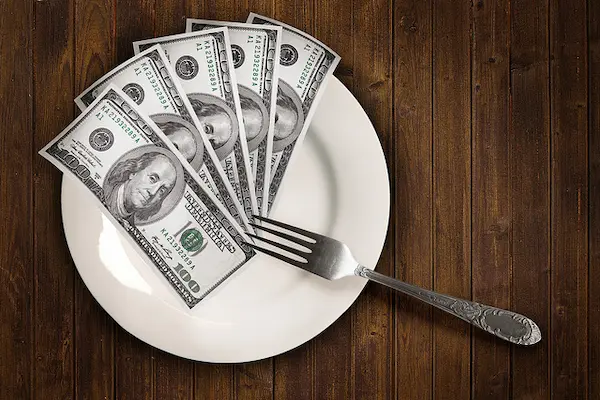
Restaurants are one of the best social “third places,” because you can connect, celebrate, and reset your mood without hosting, cleaning, or cooking.
At the same time, the bill can creep up fast, so a few flexible habits can protect your wallet without turning you into the “fun police.”
Start with a realistic mindset that still feels fun
Instead of treating restaurant spending like a moral failing, treat it like entertainment spending, because framing matters when you want consistency without guilt.
A healthier approach is to decide what “worth it” looks like for you, then spend confidently inside that boundary, rather than swearing off dining out and rebounding later.
When you define your personal version of restaurant savings, you stop chasing perfection and start building a repeatable routine that fits your real life.
One helpful question is whether you want to eat out less often, spend less each time, or keep frequency steady while tightening the extras, because each path needs slightly different tactics.
Another helpful question is what you actually value, like ambiance, trying new spots, social time, or convenience, because you can spend on your priorities and trim the rest.
Pick a “fun budget” that matches your month
Money gets tight when restaurant spending is invisible, so giving it a name and a number can make it feel like a plan instead of a leak.
Choose a monthly “fun” budget that covers dining out, coffee runs, delivery, and spontaneous snacks, because those categories tend to blend together in real life.
Keep the number realistic, because a budget that’s too strict creates decision fatigue, then you abandon it the first time friends text, “Dinner tonight?”
Consider splitting the monthly amount into weekly mini-budgets, since smaller checkpoints help you adjust early rather than panic near the end of the month.
Use a simple note on your phone to track the total, because frictionless tracking beats a perfect spreadsheet you never open.
- Pick a monthly number that feels “firm but friendly,” so you can say yes to plans without mentally bargaining every time.
- Reserve a small slice for spontaneity, because the unexpected invite is often where overspending happens.
- Decide in advance which meals count, because clarity prevents the “I didn’t mean for this to count” loophole.
- Set a personal rule for delivery, because delivery fees and tips can quietly cost as much as a second entrée.
Know your biggest bill inflators before you change anything
Awareness is powerful, because once you see what drives your totals, the right fixes become obvious instead of overwhelming.
Common inflators include drinks, appetizers that become “mandatory,” upgrades, add-ons, desserts, and the social pressure to match everyone else’s pace.
Many people also underestimate taxes and tips, so remembering that your real cost is usually 20–35% above menu price keeps your choices grounded.
Social dining can also create “order momentum,” where one person starts with cocktails, another adds shared apps, and suddenly the table is in full celebration mode.
Rather than fighting that momentum in the moment, you’ll do better by choosing a strategy before you sit down, because pre-decisions reduce awkwardness.
Saving money when eating out starts with timing
Timing is one of the least painful ways to spend less, because you get the same restaurant experience while paying less for similar food.
Many places have specials tied to lunch, weekdays, early seating, or slower hours, which means you can enjoy the vibe without paying peak pricing.
Choosing the right time also reduces the temptation to over-order, because slower service and calmer rooms make it easier to notice when you’re satisfied.
Choose lunch deals to get the best value
When you choose lunch deals, you often get smaller portions, bundled sides, or fixed-price menus that naturally cap the total while still feeling like a full outing.
Lunch is also a great social move, because you can catch up, enjoy the restaurant, and still keep the evening open for a cheaper at-home meal.
Even if you love dinner culture, swapping one dinner per week for lunch can create a meaningful monthly difference without changing your social life.
- Pick one day each week where lunch becomes your “restaurant day,” so you get a predictable treat that fits the budget.
- Scan menus ahead of time for lunch sets, prix-fixe options, or smaller plates, so you arrive with a plan instead of impulse.
- Decide your max spend before you leave, because a number in your head makes menu choices faster and calmer.
- Order quickly once you’ve chosen, because lingering on the menu invites add-ons you did not originally want.
Use off-peak habits without feeling like you’re missing out
Weekday dining can feel surprisingly special, because the room is quieter, the staff often has more time, and you’re less likely to get swept into “party energy.”
Early dinners can also work well, because you enjoy the same kitchen and atmosphere while avoiding peak-time pricing and peak-time temptations.
Happy hour can be useful, yet it can also be a trap, so the goal is to treat it like a structured plan rather than an open-ended “let’s see what happens.”
- Consider a pre-dinner snack at home, because arriving moderately satisfied helps you order for taste rather than hunger.
- Plan a weekday meet-up when possible, because weekend pricing and weekend ordering habits often run higher.
- Pick earlier seating if your group is flexible, because it can reduce wait-time snacking and extra rounds.
- Set a time cap for the outing, because “one more hour” often becomes “one more item.”
Saving money when eating out gets easier when you plan the menu strategy
Menu strategy sounds serious, yet it’s really just deciding what kind of meal you want before the table starts ordering around you.
Most over-spending happens through “extras,” so you’ll save faster by managing appetizers, sides, and add-ons than by forcing yourself to order the cheapest entrée.
A simple rule is to buy what you’ll remember, then skip what you won’t, because forgettable add-ons are the most expensive kind of spending.
Share plates without feeling deprived
If you like social dining, share plates are your best friend, because shared dishes create variety, conversation, and a lower per-person cost.
Shared ordering also reduces waste, since you’re less likely to end up with two half-eaten entrées and a pile of sides no one actually wanted.
To keep sharing fair, the group needs a tiny bit of structure, because chaos-sharing can lead to “we ordered everything” energy.
- Suggest two shared starters for the table instead of one starter per person, because that single shift can cut the bill noticeably.
- Choose one “wow” dish and one “filling” dish, because balance helps everyone feel satisfied without ordering extra.
- Ask for plates and serving utensils early, because smooth sharing reduces the urge to add individual backups.
- Split one dessert as a final shared bite, because sharing makes dessert feel festive without doubling the cost.
Use the “one highlight, one baseline” approach
A flexible strategy is to pick one highlight item you’re excited about, then pair it with a baseline item that fills you up without draining your budget.
The highlight might be the signature pasta, the special sushi roll, or the house barbecue platter, because that’s the part you’ll remember tomorrow.
The baseline might be a simple side salad, a cup of soup, or steamed vegetables, because those choices support fullness at a lower price.
- Choose the one thing you truly want, because satisfaction reduces the desire to keep ordering.
- Add a filling, lower-cost support item, because stable fullness is the best defense against impulse.
- Skip extra add-ons unless they change the experience, because most upgrades are paid novelty with little payoff.
Watch the sneaky upgrades that quietly grow the bill
Restaurants are designed to make upgrades feel tiny, yet several “tiny” additions can equal a whole extra entrée by the time you’re done.
Common examples include protein swaps, premium sides, extra sauces, cheese add-ons, and “make it a combo” offers that sound efficient but often overshoot your needs.
Rather than refusing everything, choose upgrades only when they create a meaningful difference, like upgrading a bland side to something you love.
- Say yes to add-ons that replace something you would have ordered anyway, because substitution is different from addition.
- Decline add-ons that are purely habitual, because habits are where money disappears fastest.
- Ask whether an upgrade is necessary for the dish, because sometimes the “best version” is already included.
Order with leftovers in mind, but keep it intentional
Leftovers can turn one restaurant purchase into two meals, yet only if you actually like the leftovers and have a plan to eat them.
Some foods reheat beautifully, while others decline fast, so choosing “leftover-friendly” items can improve value without changing your taste.
When you order with leftovers in mind, you can prioritize one satisfying entrée and skip extra sides that would have been eaten just because they were there.
- Pick one item you know you’ll enjoy tomorrow, because forced leftovers create waste, not savings.
- Ask for a box early if you tend to keep eating mindlessly, because portioning is easier before you’re full.
- Plan the next meal mentally, because a future intention makes it more likely you’ll actually use what you paid for.
Drink strategy is where restaurant savings become dramatic
Drinks are often the fastest route to a bigger bill, because they add cost without adding much lasting fullness.
Alcohol, specialty coffees, juices, and sodas can easily double the cost of a modest meal, especially if you order more than one round.
Better drink choices don’t have to feel restrictive, because you can still enjoy the ritual while controlling the price.
Drink water as your default, then choose one paid drink on purpose
When you drink water, you keep the base cost low, you stay hydrated, and you gain the freedom to spend on food you actually care about.
Water also slows the pace slightly, which helps you notice fullness, so it’s both a financial and comfort win.
A practical compromise is to make water your default and pick one paid drink only if it meaningfully improves the experience.
- Order water immediately, because it sets the tone before the server offers paid drinks.
- Pick one beverage you truly enjoy, because a single intentional choice beats multiple forgettable ones.
- Alternate water between sips of alcohol if you drink, because it naturally reduces total quantity.
- Skip refills that arrive automatically, because “sure” is often the most expensive word at the table.
Handle alcohol without social awkwardness
Social pressure around drinks can feel real, especially when the group treats cocktails like the kickoff to the night.
A smooth solution is to decide your limit before you arrive, because you’ll make calmer choices when you’re not negotiating in the moment.
Another smooth solution is to anchor the table with one shared pitcher or one bottle when appropriate, because structure can cost less than individual rounds.
- Choose your limit, whether that is zero, one, or two, because clarity makes it easier to decline politely.
- Order your drink with your food, because it reduces the chance you’ll add “just one more” while waiting.
- Switch to water after the planned drink, because you’ll still feel part of the vibe without paying for more.
Be careful with “non-alcoholic” that still costs like a cocktail
Mocktails and specialty sodas can be delicious, yet they can cost nearly as much as alcohol, so treat them like a premium choice rather than an automatic alternative.
If you want something fun without the price, ask for sparkling water with citrus, because it feels special while staying budget-friendly in many places.
Tea can also be a strong value option, because it adds comfort and ritual without stacking multiple drink costs.
Use social strategies so your budget survives group outings
Group dining is where good intentions go to die, because decisions become collective and spending starts to feel like “we’re all doing it.”
Rather than trying to control everyone, you’ll do better by controlling your own plan while guiding the group gently toward smart defaults.
Communication can feel awkward, yet simple, confident phrasing often lands well, because many people quietly want the same savings but fear being first.
Set the tone early with low-pressure suggestions
Small suggestions at the beginning of the meal can shift the whole bill, because the first choices create the pattern for what comes next.
Suggesting share plates, proposing one appetizer, or recommending water first can feel natural when you say it casually and positively.
- Try, “Want to share a couple of starters so we can sample more things,” because sampling sounds fun, not restrictive.
- Try, “I’m going to start with water and see if I want something else later,” because it normalizes a low-cost default.
- Try, “Lunch here is awesome, we should choose lunch deals next time,” because you’re planting a money-saving habit for the future.
- Try, “Let’s pick one dessert to split,” because it creates a celebratory ending without a big price jump.
Split the bill in a way that matches your values
Equal splitting is simple, yet it can punish the person who is trying to spend less, so it helps to decide your approach before ordering starts.
Itemized splitting is fairer, but it can be tedious, so a middle ground is to split shared items evenly and pay for your individual items separately.
Comfort matters too, so choose the method that keeps friendships smooth while still protecting your budget most of the time.
- Ask early whether the group prefers equal split or itemized, because late-stage bill debates are stressful.
- Agree on what counts as “shared,” because clarity keeps everyone relaxed.
- Pay a little extra occasionally if you value simplicity, because relationships are part of your fun budget too.
Suggest restaurant choices that make saving feel effortless
Some restaurants are naturally better for restaurant savings, because portion sizes, menu structure, and drink pricing can support your goals without constant restraint.
Places with shareable formats, like tapas-style menus or family-style plates, can make “split and sample” feel like the point of the meal.
Restaurants with strong lunch menus or weekday specials can also keep your outings frequent while keeping totals predictable.
- Choose places known for hearty portions when you want leftovers, because that effectively lowers cost per meal.
- Choose places with clearly priced combos when you want predictability, because surprise add-ons are less likely.
- Choose places where water and basic sides are easy, because the default experience stays affordable.
Make extras intentional so you still feel satisfied
Extras are not evil, because a shared appetizer or a dessert can be the moment that turns dinner into a memory.
The problem is unplanned extras, because they arrive through momentum rather than desire, and you pay for them without fully enjoying them.
Intentional extras work best when you choose one or two per meal and let the rest go, because satisfaction comes from focus, not volume.
Use a “two-extras maximum” rule
A simple guideline is to allow yourself up to two extras per outing, which might be an appetizer, a drink, or dessert, because boundaries reduce decision fatigue.
Freedom inside structure feels better than vague restriction, because you still get choice while avoiding the runaway bill.
- Pick your two extras before ordering, because pre-commitment protects you from table momentum.
- Choose extras that feel genuinely special, because “special” is what you’re paying for.
- Skip extras that you could easily make at home, because those are often the least satisfying uses of money.
Learn the “hidden cost” menu language
Menu descriptions often hint at higher final costs, so spotting certain patterns can help you avoid accidental upgrades.
Phrases like “add,” “upgrade,” “premium,” “topped with,” or “served with” can be fine, yet they deserve a quick glance at the price details.
Servers can also be trained to upsell, so you can respond warmly while still steering toward your plan.
- Ask, “Is that included or extra,” because that one question prevents surprise additions.
- Ask, “What’s the smallest portion,” because sometimes a half order exists but is not obvious.
- Ask, “Can I swap the side,” because substitutions can satisfy cravings without new costs.
Saving money when eating out means choosing value, not just “cheap”
Cheap food that leaves you hungry leads to more spending later, so value is the smarter target than price alone.
Value comes from satisfaction, portion appropriateness, and enjoyment, because those factors determine whether you keep ordering or feel done.
In practice, value-based choices often look like filling proteins, fiber-rich sides, and balanced plates, because your body recognizes completion.
Use the “fullness triangle” to stop over-ordering
A satisfying meal usually includes protein, fiber, and fat, because that combination slows digestion and stabilizes appetite.
When the meal is mostly refined carbs and sugar, you might feel hungry again quickly, which can push you toward dessert or another snack later.
Choosing one or two elements of the fullness triangle can reduce your desire for extras, which is an easy win for the budget.
- Pick a dish with protein, because protein is often the strongest fullness anchor.
- Add fiber through vegetables, beans, or whole grains when available, because fiber supports steady satisfaction.
- Include a moderate amount of healthy fat if it’s part of the dish, because fat contributes to satiety and flavor.
Choose portion sizes that match your real appetite
Restaurant portions can be huge, yet you are not obligated to finish, so ordering strategically can prevent waste and reduce spending.
If you tend to get full quickly, a starter plus a side can feel better than a full entrée, especially when the starter is rich and flavorful.
If you tend to get hungry later, a full entrée with water and no extras may cost less than a smaller entrée plus multiple add-ons.
- Decide whether you want to leave with leftovers, because that choice influences what “value” means tonight.
- Order for your real appetite, because the menu is a suggestion, not a requirement.
- Stop ordering once you have enough planned food, because “just in case” is rarely necessary.
Use simple pre-planning so the outing stays inside your fun budget
Pre-planning sounds boring, yet it creates freedom, because you avoid stressful decisions at the table and you protect future plans you care about.
The goal is not to micromanage, but to remove the top three spending triggers before they happen.
A little planning also reduces social anxiety, because you can participate without fearing the final total.
Try a quick “before you go” routine
A consistent routine takes less than two minutes, yet it can save a surprising amount over a month.
- Check your fun budget balance, because context changes how you choose tonight.
- Pick your top priority for the meal, because one clear priority prevents random add-ons.
- Set a drink plan, because drinks are the easiest area to overspend.
- Decide whether you want leftovers, because that affects portion and sharing decisions.
- Mentally add tax and tip, because the menu price is not the full story.
Plan “restaurant weeks” and “home weeks” to keep life balanced
Some months are busier or more social, so a flexible rhythm can keep you sane without breaking the bank.
A restaurant week might include two or three outings when friends are in town, while a home week might focus on cheaper meet-ups like walks, coffee, or cooking together.
Balance works when it feels like a choice, not a punishment, so design it around your calendar rather than forcing a rigid rule.
- Schedule one or two restaurant outings in advance, because planned fun often costs less than spontaneous stress-spending.
- Protect a few low-cost social rituals, because you still need connection even when you’re tightening spending.
- Use “home weeks” to rebuild the fun budget, because recovery weeks keep the month from derailing.
Practical ordering scripts that keep things friendly
Scripts help because they remove awkwardness, and they let you be confident without sounding defensive or judgmental.
Short, positive lines work best, because they sound like preference rather than restriction.
Use these phrases to steer decisions smoothly
- “I’m going to start with water, and I might grab one drink later,” because it creates an easy default without announcing a budget.
- “Let’s share plates so we can taste more things,” because it frames saving as a fun upgrade to the experience.
- “I’m good with one appetizer for the table,” because it sets a boundary that still includes a treat.
- “I’ll skip dessert tonight, but I’d love a bite if someone wants to split,” because it keeps you socially engaged without buying a full portion.
- “Can we split shared items and pay our own entrées,” because it’s fair and simple when budgets differ.
Create a monthly plan that makes saving automatic
Automation is not only for bills, because habits can be automated too, especially when you turn choices into default patterns.
A monthly plan also reduces the emotional friction of saying no, because you can say, “That’s not in my plan this week,” rather than inventing excuses.
Most importantly, structure makes it easier to enjoy the meal, because you’re not doing mental math at the table.
A simple 30-day “fun budget” framework
Think of this as a template you can adjust, because flexible plans last longer than strict plans.
- Set a monthly fun budget amount and write it down, because written plans feel more real than mental plans.
- Divide the amount into four weekly chunks, because weekly boundaries prevent late-month surprises.
- Assign one “bigger outing” week and three “lighter outing” weeks, because not every week has to look the same.
- Choose one restaurant-friendly habit to practice all month, because one consistent habit is easier than ten random hacks.
- Review the month briefly at the end, because feedback helps you tweak without shame.
Example habit menu for one month
Choosing one habit per month keeps the process interesting, because you feel progress without feeling restricted.
- Month habit: drink water first, because it reduces drink spending and helps appetite awareness.
- Month habit: share plates every time, because sharing increases variety and lowers per-person costs.
- Month habit: choose lunch deals for one outing per week, because lunch value can reshape the whole month.
- Month habit: cap extras at two, because boundaries protect you from momentum spending.
Saving money when eating out also means respecting the full cost
Taxes, tips, and fees can change the math, so paying attention to the “all-in” cost keeps your choices honest.
Tipping fairly matters, because service work depends on tips in many places, and your savings should come from smart ordering rather than short-changing staff.
If fees are unavoidable, focus on what you can control, like the drink plan and extras plan, because those often matter more than a small fixed fee.
Do a quick “all-in estimate” to avoid surprises
A quick estimate reduces stress, because it helps you order with confidence rather than hoping the final number works out.
- Add a mental buffer for tax, because menu prices are not the final price.
- Add an appropriate tip estimate based on your local norms and service, because that is part of the real cost of eating out.
- Compare the estimate to your planned max spend, because alignment prevents regret later.
Frequently asked questions about restaurant savings
Is it rude to share plates or split a dish?
Sharing is usually fine when you’re polite and you order enough for the table, yet it helps to avoid peak-crowd moments if the restaurant is strict about splits.
What if my friends always want cocktails and appetizers?
You can stay social by joining the vibe with conversation and one intentional choice, while keeping water as your anchor and letting others order more if they want.
How do I avoid feeling deprived?
Deprivation happens when you deny what you truly want, so pick one highlight item, enjoy it fully, and skip the forgettable extras with zero guilt.
What if I’m hungry later when I eat less at the restaurant?
Plan a satisfying snack at home, because spending five minutes on a simple snack beats spending twice as much on impulse dessert or late-night delivery.
Quick checklist you can save for your next outing
Use this list as a gentle reminder, because the goal is calm consistency, not perfect behavior.
- Budget check: I know my fun budget balance for the week, so tonight’s plan matches reality.
- Timing: I considered lunch deals or an off-peak time, so I’m not automatically paying peak pricing.
- Sharing: I suggested share plates or one shared starter, so variety stays high and cost stays lower.
- Drinks: I plan to drink water first, then choose one paid drink only if it’s truly worth it.
- Extras: I’m choosing extras intentionally, so I get joy without momentum spending.
- Leftovers: I know whether I want leftovers, so my order matches my real appetite and tomorrow’s plan.
- All-in: I mentally included tax and a fair tip, so the final number won’t surprise me.
Final thoughts
Eating out can stay part of your social life without draining your finances, especially when you focus on timing, sharing, drink choices, and a monthly fun budget you actually follow.
With a few defaults that feel natural, saving money when eating out becomes less about saying no and more about choosing what you truly enjoy, on purpose, every time.
Independent content notice
Notice: This content is independent and does not have affiliation, sponsorship, or control from any restaurants, platforms, or third parties mentioned.