
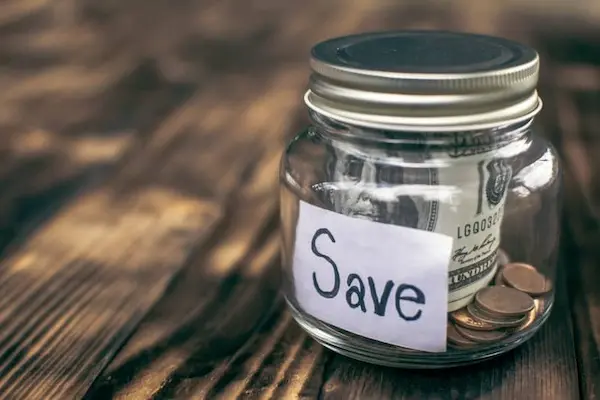
No-spend days can sound like a strict challenge at first, yet they can also be a surprisingly kind way to take a breath, reset your habits, and keep more money in your account without feeling punished.
Instead of treating a spending pause like a test of willpower, you can treat it as a gentle experiment that helps you notice patterns, reduce impulse buys, and practice mindful money decisions in a way that still respects your real life.
Saving money with no spend days: what it actually means

Saving money with no spend days simply means choosing a day, or a few days, when you avoid non-essential spending and rely on what you already have, while still allowing truly necessary purchases like emergencies, medication, or essential transportation.
A no-spend day is not a vow of deprivation, because the healthier version is flexible, realistic, and designed to help you feel more aware rather than more anxious.
Many people think “no spend” must mean “no joy,” yet the opposite can happen when you remove the constant background noise of buying and give yourself space to enjoy what is already available.
Because this content is independent, it is not affiliated with, sponsored by, or controlled by any banks, apps, challenges, influencers, or third parties mentioned.
What counts as “spending” on a no-spend day
Clarity lowers stress, so it helps to define what spending means for you before the day arrives, because uncertainty is where guilt and loopholes tend to grow.
- Optional spending includes takeout, coffee runs, online shopping, entertainment purchases, app upgrades, and “quick little treats.”
- Planned essentials can include groceries you already scheduled, medication, urgent household needs, or a commute you cannot avoid.
- Pre-paid items, like a monthly transit pass or a subscription billed automatically, still count as money leaving your account, yet they do not break the spirit of the day if you did not actively choose them that day.
- Replacement purchases, like buying a needed ingredient because dinner would otherwise fail, can be treated as allowed when planned ahead and kept minimal.
Three healthy ways to define “no spend” so it stays kind
Definitions shape your experience, so choosing a version that fits your life will help you stick with it long enough to see benefits.
- No discretionary spending: you avoid wants, while allowing true needs that protect health, work, and basic household functioning.
- No spending outside the plan: you spend only on what you wrote down in advance, which supports a gentle budget reset without perfectionism.
- No spending in specific categories: you keep spending normal overall, yet pause one habit, like delivery or online shopping, to practice mindful money.
Flexibility is not cheating, because rigid rules often backfire, while a realistic spending pause can build confidence and reduce impulsive buying over time.
Why a spending pause can feel surprisingly calming
Spending often carries emotional weight, because it can be used to soothe stress, reward effort, or create a sense of control when life feels messy.
When you introduce no-spend days gently, you are not removing comfort entirely, because you are simply widening the menu of comfort to include free, nourishing options.
Awareness is the real win, since noticing your triggers helps you respond with kindness instead of judgment, which is how mindful money habits actually stick.
Common reasons people spend without meaning to
Patterns become easier to change when you name them, because unnamed habits tend to repeat quietly.
- Decision fatigue after work or caregiving, which makes delivery and quick online purchases feel like relief.
- Boredom scrolling, which turns into cart-building and “limited time” pressure.
- Stress spikes, which can make small purchases feel like emotional first aid.
- Social cues, which can make spending feel required to belong or keep up.
- Convenience defaults, which can make buying feel automatic rather than chosen.
What no-spend days teach you about mindful money
Learning happens when you stay curious, because curiosity keeps you from turning the day into a harsh scorecard.
- You notice what you reach for when you want comfort, because urges become visible when you pause spending.
- You discover what you already have, because the pantry, closet, and digital library often contain more value than you remember.
- You practice “good enough” solutions, because resourcefulness grows when you stop trying to buy the perfect fix.
- You build trust in yourself, because keeping a small promise creates momentum for bigger financial goals.
Saving money with no spend days: how to start without being too strict
Starting small is powerful, because one gentle success is more motivating than a rigid plan that collapses and leaves you feeling discouraged.
Instead of launching into a month-long challenge, you can test one day, then adjust the rules based on what you learned, which makes the habit feel supportive rather than controlling.
Choose the easiest day first, not the hardest
Success is more likely when you choose a day with fewer errands, fewer social obligations, and fewer emotional triggers, because the goal is to learn, not to suffer.
- Pick a day you are mostly at home, because fewer temptations show up when you are not surrounded by stores and ads.
- Avoid the day before a big event, because last-minute needs can turn the day into a stressful scramble.
- Choose a day with simple meals available, because hunger is a major driver of unplanned spending.
Write your “allowed list” so your brain can relax
An allowed list prevents decision spirals, because you do not want to spend the day debating whether you are “breaking the rules” every time you need something.
- List essential spending you will allow, such as medication, urgent transport, or pre-planned groceries.
- List what you will not do, such as delivery apps, online shopping, or convenience store stops.
- List your free comfort options, such as tea at home, a walk, a bath, or a favorite show you already have access to.
Clear rules are kinder than vague rules, because vagueness invites guilt, while clarity invites calm.
Plan food first, because food decisions drive many purchases
Food spending is one of the most common reasons no-spend days feel “impossible,” so planning meals ahead makes the day feel realistic.
- Choose a pantry dinner you already know how to make, because learning new recipes on a no-spend day can raise stress.
- Plan snacks and drinks, because small “I’m just grabbing something” purchases add up quickly.
- Prep one easy option early, because a ready meal reduces the temptation of takeout later.
Use a “kindness clause” to prevent all-or-nothing thinking
A kindness clause is a simple statement you agree to in advance, because it protects your mindset if something unexpected happens.
- If a true need appears, you will handle it without shame and continue the day as best you can.
- If you spend accidentally, you will record what happened and return to the plan at the next opportunity.
- If the day reveals stress or discomfort, you will treat that as useful information rather than proof you are bad with money.
Progress is still progress when it is imperfect, because mindful money habits grow through repetition, not through flawless performance.
No spend day ideas that feel enjoyable, not punishing
Fun matters because boredom can trigger spending, so having a menu of free activities makes the day feel full rather than empty.
Enjoyment also reduces rebound spending, because a day that feels nourishing is less likely to be followed by a “I deserve it” splurge.
No spend day ideas for staying home
Home-based activities work well because they reduce exposure to temptation, while still giving you variety and comfort.
- Do a “pantry cook-off” where you create a meal from what you already have, then write down the recipe if it turns out well.
- Make a cozy drink at home, such as tea, coffee, or flavored water, and treat it like a ritual rather than a replacement.
- Declutter one small area, then set aside items to sell or donate, because reducing clutter can also reduce future impulse purchases.
- Create a “watchlist night” using content you already have access to, pairing it with popcorn made at home.
- Try a stretch, yoga, or mobility routine using your own knowledge or saved routines, focusing on how your body feels rather than buying new gear.
- Do a photo clean-up session, organizing albums and deleting duplicates, which can reduce the urge to pay for extra storage later.
- Start a simple creative project, like journaling, sketching, cooking, or learning a household skill you have been postponing.
No spend day ideas for getting out of the house
Leaving the house can still work, because the point is not isolation, but mindful choices that do not require spending.
- Go for a walk with a specific theme, like noticing architecture, trees, or small details you usually ignore.
- Visit a public space that is free to enter, such as parks, community events, or open public areas.
- Pack a snack and water, because being prepared reduces the temptation to buy something “because I’m out.”
- Do a “library-style” day with what you already have, like reading, listening to stored audiobooks, or revisiting old favorites.
- Plan a friend catch-up that is not centered on buying, such as a walk-and-talk or a home visit where everyone brings something simple.
No spend day ideas for families, roommates, or partners
Shared households often spend because of momentum, so planning a few group activities helps everyone feel included.
- Host a game night using what you already have, then let everyone choose one snack from pantry options.
- Cook together using leftovers reuse ideas, turning leftovers into tacos, bowls, omelets, or a “buffet plate” dinner.
- Do a household reset where each person organizes one drawer, shelf, or digital folder, then celebrate with a home treat.
- Create a “challenge jar” with free activities written on paper, because randomness makes it feel playful.
- Plan a “swap night” where you trade books, puzzles, or hobby supplies within your household, making old items feel new.
No spend day ideas for self-care that do not involve shopping
Self-care is often sold as a product, yet many of the most grounding practices are free and available right now.
- Take a longer shower or bath with what you already have, focusing on slowing down rather than upgrading products.
- Do a gentle home workout or stretching session, then rest without guilt, because rest is a legitimate form of care.
- Write a “worry list” and a “next step list,” because naming stress can reduce the urge to soothe it with spending.
- Clean one small space thoroughly, because a calmer environment can reduce anxiety-driven browsing.
- Listen to music you already have and do something with your hands, such as folding laundry or organizing a drawer.
Planning tips that make no-spend days easier in real life
Planning reduces friction, because most spending happens when you feel rushed, hungry, bored, or emotionally overloaded.
A spending pause becomes easier when you remove predictable triggers, because you are not trying to overpower temptation through willpower alone.
Prepare a “no-spend toolkit” in advance
A toolkit is simply a set of ready alternatives, because the fastest way to avoid impulsive spending is to have a satisfying substitute already available.
- Food toolkit: an easy pantry meal, snacks, and a drink option so you do not need to “just grab something.”
- Comfort toolkit: a list of free comfort activities plus one cozy plan for the evening.
- Movement toolkit: a walk route, a stretch routine, or a simple at-home workout idea.
- Connection toolkit: one person you can call or visit without spending, because loneliness can drive online shopping.
Use “environment design” to reduce temptation
Environment design works because it changes what is easy, so you are not constantly negotiating with yourself.
- Log out of shopping apps and store your passwords somewhere safe, because extra steps create a helpful pause.
- Delete saved payment methods where possible, because entering card details slows down impulse purchases.
- Unsubscribe from promotional notifications, because fewer prompts means fewer cravings.
- Put a sticky note on your device that says “Is this a want or a need,” because a simple question can interrupt autopilot.
Plan for social moments so you do not feel isolated
Social spending is a common trigger, so having a friendly script can reduce anxiety and keep your relationships intact.
- “I’m doing a low-spend day today, so can we do a walk or a home hangout instead.”
- “I’m taking a spending pause this week, so I’m skipping cafes, but I’d love to catch up another way.”
- “I’m trying a budget reset, so I’m keeping it simple, yet I still want to spend time together.”
Honesty can be surprisingly relieving, because many people are also trying to be more mindful with money and will welcome a cheaper plan.
Choose the right frequency so it stays sustainable
Frequency should feel supportive, because the best no-spend plan is the one you can repeat without resentment.
- Start with one no-spend day per week, because one day is enough to notice patterns and build confidence.
- Try two days only when one day feels easy, because adding too much too soon can trigger rebound spending.
- Consider a “no-spend weekend morning” or “no-spend evening” option, because partial pauses can still create mindful money habits.
Healthy boundaries: what no-spend days are not
Healthy boundaries protect your mindset, because strictness can turn a helpful practice into something that feels like punishment.
Gentle reminders matter, because a spending pause should never threaten your wellbeing or your basic needs.
No-spend days are not about ignoring needs
Needs are not negotiable, so essentials like medication, medical care, safety items, and necessary transportation remain valid, even on a no-spend day.
- Health needs come first, because money is never more important than wellbeing.
- Safety needs matter, because replacing a critical item is not a moral failure.
- Work needs can be real, because getting to work or keeping a job stable supports long-term financial health.
No-spend days are not a punishment for past spending
Shame-based strategies rarely last, because shame creates stress, and stress often triggers more spending.
Kindness supports change, because when you feel safe with yourself, you are more willing to look honestly at your habits.
No-spend days are not a competition
Comparison can make you stricter than necessary, so focusing on your own values will help you keep the practice healthy.
- Your definition can be flexible, because life circumstances vary widely.
- Your progress can be uneven, because learning habits is rarely a straight line.
- Your goal can be small, because small goals are often the ones that change your life over time.
Spending pause categories: choose what to pause for a gentle budget reset
Category pauses are helpful because they reduce pressure, since you can practice restraint in one area without trying to control everything at once.
A budget reset feels easier when it is targeted, because targeted experiments teach you more about your habits than broad restrictions.
Easy categories to pause without feeling deprived
- Delivery and takeout, replacing them with pantry meals, leftovers reuse, or a simple “snack dinner” at home.
- Coffee and convenience drinks, replacing them with home drinks prepared as a small ritual.
- Online shopping, replacing it with a wish list and a 72-hour waiting rule for anything non-essential.
- App purchases and upgrades, replacing them with free features and a review of what you already pay for.
- Impulse snacks, replacing them with planned snacks from home and a “bring water” habit.
More advanced categories to pause, when you feel ready
Advanced pauses can feel intense, so they work best when you already have some momentum and a supportive mindset.
- Entertainment spending, replacing it with content you already have and free hobby time.
- Beauty and personal care extras, replacing them with using what you already own and enjoying simple routines.
- Home decor and “organization buys,” replacing them with decluttering and rearranging what you already have.
No spend day planning: a simple step-by-step routine
Simple routines remove overthinking, because overthinking can turn a gentle challenge into a stressful project.
Consistency creates results, because repeating small spending pauses builds mindful money habits more reliably than one dramatic attempt.
Step 1: Decide your rules in one sentence
A one-sentence rule prevents loopholes and guilt, because it gives you a clear reference point when temptation shows up.
- “Today I will not spend on wants, and I will use what I already have for meals and fun.”
- “Today I will only spend on the essentials I wrote down, and I will avoid browsing shopping apps.”
- “Today I will pause takeout and online shopping, and I will choose free activities when I want a break.”
Step 2: Plan meals and snacks before the day starts
Food planning reduces temptation, because hunger makes spending feel urgent and reasonable even when it is not aligned with your goal.
- Pick one easy breakfast you can make quickly, because mornings are easier when you remove decisions.
- Pick one simple lunch from leftovers or pantry basics, because midday spending often happens when you are out and unprepared.
- Choose dinner early, because a planned dinner reduces the “we should order something” spiral.
- Prepare snacks and a drink option, because small purchases tend to happen when you want a quick comfort.
Step 3: Choose your “free fun” plan for the evening
Evenings can be a trigger, because tiredness increases cravings, so a planned free activity makes the night feel rewarding.
- Movie night at home with popcorn.
- Long walk with a podcast or music you already have.
- Bath, skincare with products you own, and an early bedtime.
- Creative time, like writing, drawing, cooking, or organizing photos.
- Friend call, board game, or family activity that does not require spending.
Step 4: Make a quick note at the end of the day
Reflection builds mindful money, because you learn what worked and what felt hard, then you adjust without judgment.
- Write one moment you wanted to spend, because naming the trigger makes it easier to handle next time.
- Write one free choice you enjoyed, because enjoyment is what makes the habit repeatable.
- Write one small improvement for next time, because small improvements are sustainable.
No spend day ideas list: a big menu to match your mood
Choice helps because different days need different energy, so having many options prevents you from feeling trapped by the challenge.
Gentleness stays intact when you pick what fits your body and your mental state, because mindful money is about support, not struggle.
Low-energy no spend day ideas for tired days
- Make a simple meal from pantry staples, then eat it slowly without multitasking.
- Watch a comfort show or movie you already have access to, then journal about what you liked.
- Do a short stretch routine, then rest, because rest reduces stress-driven spending.
- Organize one small drawer, then stop, because small wins build momentum.
- Take an early shower and prepare for tomorrow, because feeling prepared can reduce tomorrow’s impulse spending.
Medium-energy no spend day ideas for balanced days
- Go for a walk with a goal, like counting birds, noticing plants, or photographing interesting textures.
- Cook a bigger batch meal and freeze portions, because you are creating future “free dinners.”
- Clean a small space you see daily, because a calmer environment can reduce the urge to buy quick fixes.
- Do a “use what you own” hobby session, like crafting, drawing, gaming from your library, or learning a skill.
- Plan next week’s meals using what you already have, because planning prevents impulse grocery spending.
High-energy no spend day ideas for motivated days
- Declutter a category like clothes, kitchen gadgets, or cables, then set aside items to sell or donate.
- Create a household inventory list, because knowing what you own reduces duplicate purchases later.
- Rearrange furniture or refresh a room using what you already have, because novelty does not have to cost money.
- Batch cook staples like rice, beans, or roasted vegetables, because future meals become faster and cheaper.
- Do a “digital cleanup” by deleting unused apps and removing shopping notifications, because fewer prompts reduce spending.
No spend day ideas for connection and relationships
Connection reduces emotional spending, because many impulse purchases are really attempts to fill a social or emotional gap.
- Invite someone for a home coffee or tea instead of meeting out.
- Plan a walk-and-talk with a friend or family member.
- Host a potluck-style meal using pantry ingredients, keeping it simple and pressure-free.
- Call someone you miss and ask them one thoughtful question, because deeper connection can replace retail comfort.
- Write a message of appreciation to someone, because generosity of words can feel better than spending.
Keeping it realistic: gentle rules that prevent rebound spending
Rebound spending is common after strict challenges, because the body and brain often react to deprivation with a desire to “make up for it.”
Balance prevents backlash, so a kind approach keeps you steady and helps a spending pause become a long-term mindful money habit.
Use “planned treats” so you do not feel trapped
Planned treats are budget friendly because they reduce impulsive treats, while still giving you something to look forward to.
- Choose one paid treat day per week, because knowing it is coming reduces cravings.
- Set a small amount in advance, because boundaries protect the budget reset.
- Pick treats that feel meaningful, because mindless treats rarely satisfy.
Replace spending with comfort, not with white-knuckling
White-knuckling is exhausting, so it often fails, while comfort-based replacements can make no-spend days feel supportive.
- When you feel the urge to buy, name the feeling first, because naming reduces intensity.
- Choose a comfort option from your list, because planned alternatives prevent spiral thinking.
- Wait ten minutes, because urges often peak and pass when you do not feed them immediately.
Use language that stays kind to yourself
Words shape behavior, so gentle language helps you stay curious and consistent, while harsh language tends to trigger avoidance.
- Try “experiment” instead of “challenge,” because experimentation invites learning rather than perfection.
- Try “spending pause” instead of “restriction,” because a pause feels temporary and supportive.
- Try “mindful money day” instead of “no,” because the goal is intention, not deprivation.
A simple weekly plan for beginners who want a gentle budget reset
Beginners often do best with a light structure, because structure creates momentum without making you feel boxed in.
Consistency comes from choosing something you can repeat, because repeating a small practice is how habits change.
Beginner-friendly schedule options
- Option A: one no-spend day per week, plus one category pause day, which keeps it flexible and low pressure.
- Option B: two no-spend days per week, spaced apart, which can work when routines are stable and meals are planned.
- Option C: a no-spend evening twice per week, which is ideal when daytime spending is mostly unavoidable.
Weekly planning checklist for your no-spend days
- Pick your days based on your schedule, because choosing the wrong day makes the experience unnecessarily hard.
- Plan meals for those days, because food is the easiest trigger to prevent in advance.
- Choose free activities ahead of time, because boredom leads to browsing and browsing leads to spending.
- Set a kindness clause, because self-respect keeps the habit healthy.
- Track what you notice, because mindful money grows through awareness.
Template to copy: your personal no-spend day plan
Templates reduce friction, because you can reuse them each week and adjust based on what you learn.
Copy-and-paste planning template
- Date of no-spend day: ________________________________
- My one-sentence rule: ________________________________
- Allowed essentials today: ______________________________
- Spending categories I am pausing: ______________________
- Meals and snacks planned:
- Breakfast: ________________________________________________
- Lunch: _________________________________________________
- Dinner: ________________________________________________
- Snack plan: ____________________________________________
- Drink plan: _____________________________________________
- Free activities I will choose from: _______________________
- My comfort alternatives when urges hit: ___________________
- My kindness clause: ____________________________________
- End-of-day reflection: trigger noticed: _______ free win: _______
One-page recap: saving money with no spend days in a gentle way
Saving money with no spend days works best when you define the rules kindly, because clarity and compassion keep you consistent.
Planning food and free activities ahead helps the day feel enjoyable, because you replace spending with comfort rather than with deprivation.
No spend day ideas become easier when you match them to your energy, because low-energy days need cozy options while high-energy days can handle decluttering or meal prep.
A spending pause becomes a real budget reset when you track patterns without judgment, because noticing triggers helps you build mindful money habits that last.
Kindness protects progress, because a flexible approach prevents all-or-nothing thinking and reduces rebound spending after the challenge ends.
Reminder: this content is independent and does not have affiliation, sponsorship, or control involving any institutions, apps, platforms, or third parties mentioned.