
You do not need to be “good with money” to build a first budget that actually works, because you only need a clear plan you can repeat.
This guide walks you through beginner budgeting in a calm, realistic way, so you can stop guessing and start feeling in control.
Simple monthly budget for beginners: what you are really building
A first budget is not a punishment, and it is not a spreadsheet meant to shame you for being human.
A simple money plan is just a set of decisions you make ahead of time, so your money stops disappearing without explanation.
Realistic budgeting means matching your plan to your life as it is today, not to an ideal version of you who never orders takeout.
Clarity is the true win here, because knowing where your money goes creates the calm that makes change feel possible.
Progress tends to come from small repeatable steps, not from one intense weekend of financial motivation that burns out fast.
Why budgets fail for beginners
Many first budgets fail because they are built from guesses instead of from your real spending patterns.
Another common issue is making categories too strict, which creates a plan you “break” and then abandon completely.
Some people forget irregular expenses like gifts, annual fees, or car maintenance, and then the budget feels like it “lied.”
Perfectionism also plays a sneaky role, because one messy week can feel like total failure when it is actually normal data.
Consistency beats intensity every time, especially when you are learning to track spending for the first time.
What “simple” actually means
Simple does not mean vague, because you still need categories that reflect your real bills and your real choices.
Simple means fewer moving parts, fewer categories, fewer rules, and a routine you can keep even during busy weeks.
Ease matters more than cleverness, since a budget you maintain beats a fancy budget you avoid opening.
Confidence grows when your system feels friendly, because you start trusting yourself to look at numbers without panic.
Before you start: set expectations that protect your motivation
Building a first monthly budget works best when you treat it like a trial run, not like a final exam.
Gentle honesty is your superpower here, because the goal is to see reality clearly, not to impress anyone.
A budget is allowed to feel “imperfect,” since the first version is mainly a starting point that you will refine.
One helpful mindset is to see every overspend as information, because information is what helps you adjust intelligently.
Patience is practical, since lasting change usually takes a few monthly cycles to settle into something natural.
Pick a timeframe that matches your pay
Most people think in months, but your pay schedule might be weekly, biweekly, or irregular, so choose a setup that makes sense.
If you get paid twice a month, planning around two paychecks can feel calmer than planning around a single monthly number.
When income is variable, using a “baseline” number based on a conservative estimate often keeps the plan safer.
Flexibility is not cheating, because flexible budgeting is what keeps you from quitting when life changes.
Choose one primary tool so you do not overcomplicate
One notebook, one notes app, or one simple spreadsheet is enough, as long as you can update it quickly.
A monthly budget template works best when it is easy to edit, since beginners need to adjust categories as they learn.
Complex apps can be useful later, but starting with a straightforward format often reduces overwhelm right now.
Whatever you choose, make sure it is something you will actually open, because “I forgot to check” is a common failure point.
Simple monthly budget for beginners: gather the numbers without stress
Start by collecting only what you need, so the setup stays light and you do not get stuck doing “research” forever.
Bank statements, paycheck info, and a quick list of bills are usually enough to begin your first draft.
Receipts can help, but you do not need to save every receipt to build a workable beginner budgeting system.
Speed matters early on, because getting to a usable draft quickly is what builds momentum and reduces anxiety.
What to list for income
Income is the money you can actually use this month, so focus on take-home pay and reliable cash you expect to receive.
If your income changes, base the plan on a cautious figure that you feel confident you can hit most months.
Side income counts, but only include it if you reasonably expect it, because optimistic numbers can make your budget collapse.
For shared households, combine only what is truly shared, because personal spending is simpler when it stays clearly owned.
What to list for expenses
Expenses include every bill and every everyday choice, so your goal is to capture reality, not just “important” spending.
Fixed expenses are your predictable obligations, such as rent, subscriptions, minimum debt payments, and insurance premiums.
Variable expenses are your flexible categories, such as groceries, transport, dining out, and personal spending.
Irregular expenses are the sneaky ones, like birthdays, annual renewals, medical copays, or seasonal clothing.
Saving is also an expense in the budget sense, because it is a job you assign to money before it vanishes elsewhere.
Build your first draft in 7 calm steps
These steps are designed to be straightforward, so you can finish a functional plan in one focused session.
- Write your expected take-home income for the month, using a conservative estimate if income varies.
- List all fixed bills with their due dates, because timing matters as much as total amounts.
- Add minimum payments for any debts, since skipping minimums creates costly problems that a beginner budget should avoid.
- Choose a small set of variable categories that match your life, so you can track spending without drowning in detail.
- Set aside money for irregular expenses by creating a “sinking fund” category, even if you start with a small amount.
- Assign a realistic amount to savings, because building a buffer reduces stress and makes the whole system easier to maintain.
- Check that total planned expenses do not exceed income, then adjust by reducing flexible categories before touching essentials.
After those steps, you will have a simple monthly budget for beginners that can actually be used today, even if it is not perfect.
How to keep categories beginner-friendly
Fewer categories usually means better follow-through, because each extra category is another thing your brain has to manage.
Clumping “small stuff” into one bucket can be smarter than trying to track every micro-purchase with extreme precision.
Still, categories should be clear enough that you can take action, because “miscellaneous” for everything hides patterns.
A good middle ground is to use broad categories now, then split one category later only when you notice it needs detail.
Monthly budget template you can copy and use immediately
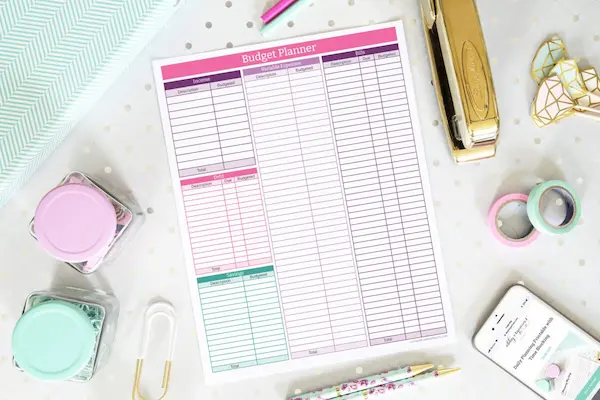
This monthly budget template is intentionally simple, so you can fill it out quickly and update it without dread.
Customize names and categories to fit your situation, because the best budget is the one that matches your real life.
| Section | Category | Planned | Actual | Notes |
|---|---|---|---|---|
| Income | Take-home pay | _____ | _____ | Pay dates: |
| Income | Other reliable income | _____ | _____ | Source: |
| Fixed | Housing | _____ | _____ | Due date: |
| Fixed | Utilities | _____ | _____ | Average: |
| Fixed | Phone / Internet | _____ | _____ | Due date: |
| Fixed | Insurance | _____ | _____ | Type: |
| Debt | Minimum payments | _____ | _____ | List accounts: |
| Variable | Groceries | _____ | _____ | Weekly target: |
| Variable | Transport | _____ | _____ | Gas/transit: |
| Variable | Eating out | _____ | _____ | Plan ahead: |
| Variable | Personal | _____ | _____ | Clothes, hobbies: |
| Irregular | Sinking fund | _____ | _____ | Gifts, fees, etc.: |
| Savings | Emergency buffer | _____ | _____ | Goal: |
Planned numbers are the decisions you make at the start of the month, while actual numbers are the truth you learn by tracking.
Notes are where your budget becomes personal, because a short comment can explain why something changed and how to improve next month.
Categories you can borrow as a beginner
Use this list to choose categories quickly, because staring at a blank page makes budgeting feel harder than it is.
- Housing: rent, mortgage, HOA fees, renter costs tied to your home.
- Utilities: electricity, water, gas, trash, and any predictable home services.
- Communication: phone, internet, and essential subscriptions used for work or school.
- Transport: fuel, public transit, parking, rideshare, and basic vehicle needs.
- Food at home: groceries and household essentials that you buy at the same time.
- Food out: coffee, snacks, delivery, restaurants, and “I’m too tired” meals.
- Health: prescriptions, appointments, basic supplies, and expected copays.
- Debt: minimums first, then extra payments if your budget allows it safely.
- Sinking fund: gifts, car repairs, annual fees, travel, and predictable surprises.
- Savings: buffer, emergency fund, and goals that reduce future stress.
- Fun: entertainment, hobbies, and social spending that keeps life enjoyable.
Notice how each category is broad, because broad categories make it easier to track spending without getting overwhelmed.
How to track spending without burning out
Tracking is where the budget becomes real, because you stop relying on memory and start using facts.
Start small and make it routine, because the goal is sustainability rather than perfect accounting.
Pick one tracking rhythm
Daily tracking works for some people, but others do better with a quick check-in every two or three days.
Weekly tracking is often the sweet spot for beginners, because it is frequent enough to catch issues early without feeling constant.
Monthly tracking only at the end tends to be too late, because surprises pile up and feel harder to fix.
Use a simple “three-point check” each week
- Review your variable categories and compare planned versus actual, because this shows where life diverged from the plan.
- Check upcoming bills and due dates, since timing mistakes can cost money even when totals look fine.
- Decide one adjustment for the next week, so you feel agency instead of guilt.
That short routine is enough to keep beginner budgeting on track, even if your month is busy and unpredictable.
Make tracking easier with small automations
Automatic bill pay can reduce missed payments, although you still need to confirm you have enough in the account before due dates.
Calendar reminders for due dates create peace of mind, because your brain stops carrying the entire schedule.
One “money hour” each week helps, because a consistent time slot turns budgeting into a normal habit instead of a crisis response.
Simple monthly budget for beginners: set realistic numbers that do not backfire
Realistic numbers are what make the plan maintainable, because an overly strict budget creates rebound spending and discouragement.
To set your first numbers, start from what you already do, then gently nudge one or two areas you want to improve.
A quick method for estimating variable categories
Look at the last month or two of spending and choose a number that feels slightly challenging but still believable for you.
If you do not have any history, pick a starting number, track spending for two weeks, and adjust based on what you learn.
Beginner budgeting works better when you treat estimates as temporary, because temporary numbers are easier to revise without drama.
Examples of realistic category thinking
Groceries can be planned as a weekly target, because “per week” feels more actionable than a single monthly figure.
Eating out often improves when you plan for it on purpose, because planned treats reduce impulsive “blow the budget” moments.
Transport spending becomes clearer when you separate predictable commuting from occasional travel, because the causes differ.
Personal spending feels less chaotic when you give it a clear limit, because boundaries remove daily decision fatigue.
Personal budget tips that make your first month feel easier
Small strategies can dramatically reduce stress, because they prevent common beginner mistakes before they happen.
- Keep one “padding” line in your budget, because life is messy and a little flexibility protects your motivation.
- Round up a few planned expenses, since underestimating creates a constant feeling of failure.
- Plan for fun on purpose, because a budget that removes joy rarely survives the month.
- Separate needs from wants gently, as harsh rules often trigger avoidance instead of improvement.
- Use notes for emotional triggers, because patterns like stress-spending are easier to manage when you name them.
- Celebrate data, not perfection, since learning your habits is the fastest path to better choices.
Those personal budget tips sound simple, yet they work because they fit how real humans behave under pressure.
Try a “default week” plan
A default week is a basic spending plan you can repeat, because repetition removes many daily decisions that drain willpower.
For example, you might choose two simple grocery runs, one planned social outing, and one no-spend evening routine each week.
Structure does not remove freedom, because structure actually creates freedom by preventing last-minute financial chaos.
Use a “pause phrase” for impulse spending
Pick one calm sentence you tell yourself before buying something unplanned, because a pause interrupts autopilot spending.
Examples include “I can buy this tomorrow if I still want it,” or “I will check my category first and then decide.”
That tiny moment of space is powerful, because it reconnects your spending to your simple money plan.
How to handle irregular expenses with sinking funds
Sinking funds are small monthly amounts you set aside for expenses that happen sometimes, because “sometimes” still counts.
Even a small sinking fund reduces panic, because it turns a future surprise into a planned category.
Common sinking fund ideas for beginners
- Gifts and celebrations, because birthdays and holidays tend to return every year no matter what.
- Car maintenance, since small repairs and routine care arrive eventually.
- Medical and dental, because appointments and supplies rarely happen on a perfect schedule.
- Annual subscriptions and renewals, because once-a-year bills feel huge when you do not prepare.
- Travel and visits, since seeing friends and family is often meaningful but easy to forget in a budget.
- Work or school expenses, because supplies and fees can pop up quickly.
Pick one or two sinking funds to start, because too many at once can make a beginner feel like budgeting is impossible.
A simple way to choose how much to set aside
Estimate a rough yearly total for one category, then divide by twelve, and start smaller if that number feels too high at first.
If you are unsure, begin with a modest amount, track spending when the expense happens, and refine next month using real data.
Learning beats guessing, because the goal is a system you can improve steadily.
Example: a first budget that feels human and doable
Examples help you see the structure, so here is a simple scenario you can adapt without treating the numbers as “what you should spend.”
Imagine a beginner with steady pay who wants to stop overdrafting and start saving a small buffer.
- Income is listed as take-home pay plus any reliable extra income expected during the month.
- Fixed bills are listed first with due dates, because paying essentials on time builds stability quickly.
- Debt minimums are included as non-negotiable, because protecting your credit and avoiding fees matters.
- Groceries are set with a weekly target, because weekly targets are easier to manage than a single monthly guess.
- Eating out is planned intentionally, because planned spending reduces guilt and reduces impulse choices.
- A small sinking fund is started, because even a small cushion changes how surprises feel.
- A starter savings line is included, because saving “something” builds the habit and creates momentum.
Nothing about that structure requires high income or perfect discipline, because it is designed to work with real-life behavior.
What to do when the example does not match your life
If your bills are different, swap categories without hesitation, because the template is a tool, not a rulebook.
When income varies, plan around your lower months, because a cautious plan prevents the cycle of hope and disappointment.
If you share expenses with a partner or roommate, clearly define who pays what, because unclear ownership creates confusion and resentment.
For students, separating school costs into their own section can help, because semesters create unique irregular expenses.
Adjust your budget during the month without feeling like you failed
Adjusting is part of budgeting, because the month is not static and your plan should be allowed to respond to reality.
Think of your budget as a living document, because living documents change when new information arrives.
Use a simple “move money” rule
When one category goes over, move money from another category on purpose, because intentional trade-offs keep the plan honest.
Choosing where the money comes from is empowering, since you stay in control instead of pretending overspending did not happen.
Try to move from less important categories first, because protecting essentials reduces stress and prevents bigger problems.
Three calm questions to ask when you overspend
- Was the planned amount unrealistic, meaning the plan needs updating rather than self-criticism?
- Did something unusual happen, meaning this is a one-time event that should be covered from padding or a sinking fund?
- Is there a pattern, meaning you may want a new strategy like a weekly cap, a meal plan, or a different category structure?
Those questions turn a stressful moment into practical next steps, because you are solving the system rather than blaming yourself.
How to make your budget easier to maintain next month
Month two gets easier when you keep what worked and simplify what did not, because refinement is the real skill.
Save a copy of your filled-in template, because last month’s “actual” numbers are the best starting point for next month’s plan.
Improvement often comes from adjusting just one or two categories, because too many changes at once make it hard to see what helped.
Do a short end-of-month review
Set aside 20 minutes near the end of the month, because a quick review prevents repeating the same confusion next cycle.
- Write down what felt easy, because ease is a clue that the category structure fits your life.
- Circle the categories that consistently went over, since those are the places where the plan needs refinement.
- Note any “surprise” expenses, because surprises usually become predictable once you name them.
- Decide one small change for next month, because one change is easier to follow than a total overhaul.
That review is a quiet confidence builder, because each month becomes a little clearer than the one before.
Common tweaks that help beginners
- Split one category into two if it hides different behaviors, because “food” might mean groceries and eating out with very different triggers.
- Combine tiny categories if tracking feels annoying, because annoyance is a sign the system is too complex right now.
- Add a buffer line if you keep getting blindsided, because a buffer is a practical tool rather than a moral weakness.
- Switch to weekly caps for flexible categories, since weekly caps help you avoid spending the whole month’s amount too early.
- Rename categories in your own words, because familiar language makes the budget feel less intimidating.
Beginner budgeting when you feel behind or embarrassed
Feeling behind is common, because money is rarely taught in a calm, practical way that makes beginners feel safe.
Shame tends to make people avoid looking at numbers, yet avoiding is what keeps the confusion alive.
Kindness is not fluff here, because a calm approach helps you stay engaged long enough to build real skills.
A simple reset plan for a rough month
Sometimes a month goes sideways, and a reset plan helps you regain control without scrapping everything.
- Pause optional spending for a short window, because a brief pause creates breathing room quickly.
- Cover essentials first, since stability comes from keeping the basics handled.
- Contact billers if needed, because early communication is often easier than last-minute panic.
- Rebuild the rest of the month using your remaining income, because you can still make a plan from today forward.
- Record what happened in notes, because next month will be easier when you understand the trigger.
That reset is a skill, not a failure, because life happens and budgeting is about responding calmly.
Simple monthly budget for beginners: a quick checklist you can follow each month
A checklist turns budgeting into a routine, because routines reduce the emotional load of decision-making.
- Update income numbers as soon as you know them, because your plan should match reality.
- List fixed bills and due dates first, since essentials deserve the first claim on your money.
- Set weekly targets for groceries and other flexible categories, because weekly targets prevent early-month overspending.
- Include at least one sinking fund line, because irregular costs are more predictable than they look.
- Plan a modest savings amount, because saving is easier when it is treated like a normal expense.
- Schedule one weekly check-in, because small corrections prevent big surprises.
- Do a short end-of-month review, because reviewing turns experience into progress.
Following that checklist is enough to create momentum, because momentum comes from repeatable actions rather than dramatic transformations.
Important notes: general education only, and independent content
This article is for general educational purposes only, and it is not financial, legal, or tax advice.
Consider speaking with a qualified professional for guidance tailored to your situation, especially if you are dealing with debt, hardship, or complex income.
Notice: this content is independent and has no affiliation, sponsorship, or control over any institutions, platforms, or third parties mentioned.
Final encouragement: your first budget is allowed to be simple
A first budget is a starting line, not a verdict, and starting is what creates the option to improve.
Small wins matter more than strict rules, because confidence grows when you prove to yourself that you can keep going.
With a simple monthly budget for beginners, a basic monthly budget template, and a steady habit to track spending, money stops feeling mysterious and starts feeling manageable.
When you are ready, choose one small upgrade for next month, because calm consistency is how a simple money plan becomes a real life skill.