
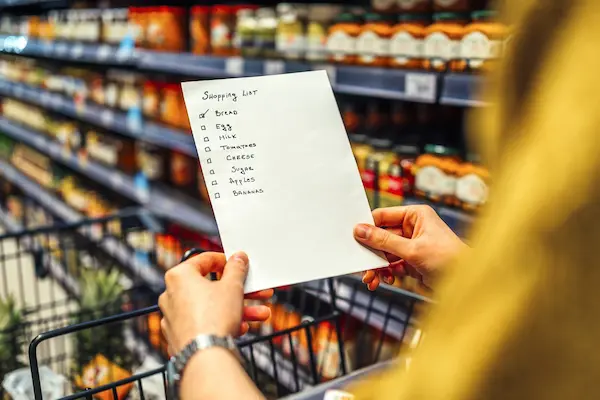
Spending less at the grocery store usually starts long before you walk through the doors, because the real savings happen when your list is built from what you already have and what you will actually use.
Less food in the trash also becomes easier when your planning has a repeatable sequence, so you stop buying “hopeful” items and start buying ingredients with a clear purpose and a realistic timeline.
Why a list matters more than coupons for most households
Smart shopping rarely depends on finding the perfect deal, since the biggest leaks in most budgets come from duplicates, impulse additions, and food that expires before it ever becomes a meal.
Better grocery list planning works because it turns vague intentions into specific decisions, and specific decisions reduce the number of “maybe” purchases that later become clutter in your pantry and fridge.
Confidence at the store is a skill you can design, because a clear plan protects you from decision fatigue, especially when you are hungry, rushed, or trying to remember five things at once.
Waste usually happens for predictable reasons, including overestimating how many meals you will cook, forgetting what you already own, and buying ingredients that do not connect to any concrete weekly meals.
Consistency beats intensity here, since a simple process you repeat every week will outperform an elaborate plan you abandon after two tries.
Smart grocery shopping list strategy: the system in one glance
This smart grocery shopping list strategy is built as a planning sequence, so each step creates the inputs you need for the next step, and nothing depends on memory or last-minute improvisation.
Instead of starting with recipes or store aisles, the sequence begins with a pantry check, because inventory awareness is the foundation that prevents duplicates and helps you avoid waste.
Your weekly meals then become a realistic map for how ingredients will actually move through your kitchen, which keeps the list from turning into a random collection of attractive items.
Store grouping comes after the meal plan, because grouping should reflect what you decided to buy, not drive you into buying more than you planned.
Budget guardrails and substitution rules finish the prep, so you can adapt to price changes or stock issues without breaking the plan or giving in to impulse purchases.
The repeatable weekly sequence
- Run a quick pantry check, plus fridge and freezer scan, using a simple “use soon” and “have plenty” note system.
- Choose weekly meals based on your schedule, energy level, and the ingredients that need to be used first.
- Translate meals into ingredients, then compare ingredients against what you already have, so the list only includes true gaps.
- Group the list by store zones, add quantities and acceptable substitutions, and set one clear spending limit for the trip.
- Shop from the grouped list with a calm pace, then do a two-minute reset at home to store items correctly and capture notes for next week.
Because each step is short and practical, the entire workflow can fit into a single planning session, and you can make it even faster by reusing the same template every week.
Set your “spend less, waste less” goal in a way that actually changes decisions
A goal changes behavior only when it is specific enough to guide tradeoffs, so it helps to define what “spend less” means for your household in one sentence you can remember.
For example, a useful goal might be “buy only what we can finish before the next trip,” because that goal forces portion realism and makes “avoid waste” an actual decision rule.
Another helpful goal could be “keep dinners simple on busy nights,” because an overly ambitious plan often leads to unused ingredients and costly last-minute takeout.
Clarity reduces guilt, since you stop blaming yourself for not cooking like an idealized version of you, and you start building weekly meals that match your real calendar.
Pick one primary constraint for the week
- If time is tight, prioritize meals that reuse the same ingredients, because ingredient overlap lowers costs and reduces the risk of half-used produce going slimy in the drawer.
- When energy is low, plan “assembly meals” like bowls, wraps, or sheet-pan combinations, since they use flexible components and tolerate substitutions without falling apart.
- If money is the constraint, choose meals that lean on pantry staples, and save more expensive proteins or specialty items for one intentional meal rather than spreading them across the week.
- Whenever waste is the biggest pain point, plan around the most perishable items first, so fragile produce and leftovers get a clear place in the weekly meals lineup.
Once the constraint is chosen, your list naturally becomes more disciplined, because every item must justify itself against that constraint instead of competing against pure appetite or novelty.
Smart grocery shopping list strategy step 1: pantry check that takes minutes, not hours
A pantry check does not need to feel like an archaeological dig, because the purpose is not perfection, but a fast and honest snapshot of what can support your weekly meals.
Start by scanning three places in the same order every week, since a consistent path makes the habit automatic and prevents you from missing the half-open bag of something hiding behind taller items.
Look first at the fridge for perishables, then at the freezer for proteins and backup vegetables, and finally at the pantry for grains, canned goods, sauces, and snack items.
During the scan, focus on “use soon” foods, because those items should shape your weekly meals, and they are also where the biggest waste savings usually live.
A simple pantry check method you can repeat
- Pull out anything that will expire or spoil soon, and place it in one visible “use-first” spot so it can guide meal choices.
- Write down only what matters for planning, such as proteins, key vegetables, dairy basics, and your most-used pantry staples.
- Mark duplicates that you want to stop buying, because the quickest way to spend less is to stop re-purchasing items you already have plenty of.
- Note any “missing basics” that would block meals, like oil, salt, rice, pasta, or a favorite sauce that turns ingredients into a finished dish.
That short list becomes your reality check, and it prevents the common problem of building a beautiful plan that collapses because one small foundational item was missing.
What to capture during a pantry check
- Proteins you can build around, such as eggs, beans, chicken, ground meat, tofu, or frozen fish, because proteins often anchor the shape of weekly meals.
- Vegetables and fruit that need attention soon, including leafy greens, berries, herbs, and any cut produce, because these are frequent sources of avoidable waste.
- Carb bases and fillers, like rice, tortillas, pasta, bread, oats, or potatoes, because these items stretch meals and help you avoid extra shopping trips.
- Flavor builders, including onions, garlic, broth, canned tomatoes, spices, and sauces, because a meal plan fails when food tastes bland and everyone abandons it midweek.
Keeping the pantry check focused on decision-making, rather than organizing, is what makes it sustainable, because organizing is optional while awareness is essential.
Step 2: build weekly meals that match your schedule, not your fantasy self
Weekly meals should be planned like a realistic calendar, because a meal that requires calm prep and plenty of time will not survive a night packed with errands, homework, and low patience.
Choose a small set of dinner “types” that your household already accepts, since familiarity reduces stress and makes it more likely you will actually cook what you planned.
Then, assign those dinner types to specific days based on effort level, so the most demanding meal lands on the day you actually have capacity, not on the day you wish you had capacity.
Leftovers deserve a planned slot, because unplanned leftovers often turn into forgotten containers, and containers are where good money goes to die quietly.
A practical weekly meals framework
- Pick two quick meals for your busiest nights, because speed protects you from expensive last-minute purchases and reduces the temptation to abandon your plan.
- Choose two flexible meals that can accept substitutions, because flexibility keeps the strategy resilient when produce quality varies or a store is out of stock.
- Plan one “use-first” meal that deliberately consumes the most perishable fridge items, because that single choice can dramatically reduce the amount you throw away.
- Reserve one leftover or “clean-out” meal, because the best waste reduction tool is giving leftovers an official role instead of treating them like accidental byproducts.
This structure is intentionally simple, and simplicity is what makes grocery list planning doable week after week without turning it into a second job.
Examples of weekly meals that reuse ingredients
- Roasted chicken and vegetables on one night can become chicken wraps the next day, and then finish as a soup or rice bowl that uses leftover veggies and broth.
- Ground meat can serve tacos, pasta sauce, and stuffed potatoes, and the shared ingredients like onions, canned tomatoes, and spices reduce your overall list size.
- Beans can become chili, a quick bean salad, and a burrito bowl base, and the leftovers often hold well, making them friendly to unpredictable schedules.
- Eggs can anchor breakfast-for-dinner, fried rice, and simple sandwiches, and they can rescue a week when the original plan needs to pivot.
Ingredient overlap is not boring when flavors vary, because you can change sauces and seasonings while still benefiting from the efficiency of buying fewer distinct items.
Step 3: translate meals into a list that reflects gaps, not cravings
Once weekly meals are chosen, the next move is translating each meal into ingredients and then subtracting what you already have, because your pantry check is the evidence that keeps the list honest.
Write each meal as a short ingredient set, and include quantities where it matters, because “one” and “two” change costs more than most people notice until the receipt shows it.
Compare each ingredient to your inventory notes, and only add items that are true gaps, since duplicates quietly inflate spending and increase clutter that later becomes waste.
Planning snacks and breakfasts is also worthwhile, because many households overspend on “extras” between meals when those items are not intentionally planned.
A step-by-step translation method
- List your weekly meals down the left side of your page or template, and keep each meal name short so the plan stays readable.
- Under each meal, write the core ingredients you must have, and separate “nice-to-have” items that can be skipped if the budget gets tight.
- Cross-check each ingredient against your pantry check notes, and circle any item you already own so it does not accidentally land on the shopping list.
- Move only the uncircled gaps into your list, and add quantities or sizes that match how your household actually eats across the week.
This is the moment where planning becomes savings, because the list transforms from “things we like” into “things we will use,” and that difference is where waste reduction lives.
Decision rules that keep the list lean
- Add a new ingredient only if it appears in at least two uses, such as two meals or one meal plus one snack, because single-use items are common sources of leftovers that never get finished.
- Prefer ingredients that can stretch across categories, like yogurt that works for breakfast and sauces, because multipurpose items reduce the number of unique products you buy.
- Choose one treat intentionally instead of several impulsive treats, because planned enjoyment prevents the feeling of deprivation without inviting a cart full of costly extras.
- Write a quantity that matches reality, because buying “extra just in case” often becomes “extra that expires,” especially for produce and dairy.
Clear rules create calm, since you are not negotiating with yourself item by item, and the strategy stops feeling like willpower and starts feeling like a system.
Step 4: group the list by store zones so shopping becomes faster and calmer
Grouping is the bridge between planning and execution, because a well-grouped list reduces backtracking, lowers impulse exposure, and makes it easier to stay focused on what you came for.
Organize by how your store flows, not by how your brain categorizes food, because walking patterns matter when you are trying to get in and out without costly detours.
Most stores share similar zones, and using those zones as headers makes your list feel like a map you can follow with minimal thinking.
Include quantities next to items inside each zone, because a grouped list without quantities can still invite overspending when you grab a bigger size than needed.
Common store-zone headers you can reuse every week
- Produce, including fruit, leafy greens, herbs, and quick-spoil items that need a plan to avoid waste.
- Proteins, including meat, fish, tofu, beans, and eggs, because this is often the priciest section and benefits from clear limits.
- Dairy and cold basics, including milk, yogurt, cheese, butter, and any ready items you use for lunches.
- Pantry staples, including grains, canned goods, sauces, spices, and baking items, because this is where duplicates often hide.
- Frozen, including vegetables, fruit, convenience meals, and backup proteins, because frozen food can reduce waste when planned intentionally.
- Bakery and bread, including tortillas and buns, because these items go stale quickly unless your weekly meals truly require them.
- Household and hygiene, because bundling these items prevents forgotten re-trips that blow up both time and spending.
Keeping the same headers each week saves mental energy, because you only change the items, not the structure, and the template becomes a supportive habit instead of a new project.
How grouping supports “avoid waste” in practice
Perishables should be listed with a specific use next to them, because the phrase “spinach for Tuesday pasta” is more likely to get cooked than “spinach” sitting alone on a list.
Frozen and shelf-stable items can serve as planned backups, because a flexible option reduces the chance you will abandon the plan and order takeout when a day goes sideways.
Snack items benefit from a defined limit, because unbounded snacking purchases are a common way budgets drift while still feeling “small” at the moment.
Step 5: add budget guardrails and substitutions so the plan survives real life
A plan that breaks the first time prices surprise you is not a plan you can trust, so guardrails and substitutions are what make the smart grocery shopping list strategy durable.
Choose one spending limit for the trip, and treat it as a design constraint, because constraints encourage smarter tradeoffs instead of mindless cutting at the checkout.
Write acceptable substitutions directly on the list, because substitutions reduce stress in the aisle and prevent impulse upgrades that quietly inflate costs.
Decide in advance which items are “non-negotiable” and which are “flexible,” because flexibility is what allows you to spend less without sacrificing the meals you actually need.
Simple substitution rules that work in almost any store
- If a specific vegetable looks tired or overpriced, swap to a sturdier option in the same role, such as cabbage, carrots, or frozen vegetables, because sturdy produce often lasts longer and helps avoid waste.
- When a protein is expensive, shift one meal to beans, eggs, or tofu, because one strategic swap can protect the budget without collapsing your weekly meals plan.
- If a brand is out of stock, choose the simplest equivalent rather than a premium upgrade, because upgrades are often how a “small change” becomes a bigger receipt.
- When a snack craving hits, select a planned treat from your list rather than adding a new one, because intentional enjoyment is cheaper than spontaneous variety.
Substitution is not about lowering quality, since the goal is protecting your plan under real constraints, and that kind of resilience is exactly what keeps habits alive.
Create a tiny “price trigger” list
- Identify three items that tend to blow your budget, such as certain proteins, specialty snacks, or convenience foods, and mark them with a star on your template.
- Write a simple fallback next to each star, such as “swap to eggs,” “choose store brand,” or “skip this week,” so the decision is made before you face it in the aisle.
- Commit to one “skip without guilt” rule, because guilt leads to inconsistent behavior, while clear rules produce stable results in grocery list planning.
With triggers and fallbacks in place, you can adapt quickly, and that speed prevents stress purchases that do not support your actual goals.
In-store execution: shop the list, not the store
The store is designed to encourage wandering, so your grouped list acts like a script that keeps you moving through zones with intention instead of drifting into impulse decisions.
Shopping becomes faster when you start at the perimeter, because many essentials live there, and finishing essentials first reduces the risk of “cart creep” from center-aisle browsing.
Use your phone calculator or a rough running total if budgets are tight, because awareness during the trip prevents the unpleasant surprise of needing to cut essentials at checkout.
Stick to the quantities you wrote, because quantity discipline is often the difference between a week that feels smooth and a week that ends with expired produce and wasted money.
Practical tactics for staying focused
- Eat a small snack before shopping if possible, because hunger makes everything look like a good idea, and “good ideas” are expensive when they do not match your weekly meals.
- Shop one zone at a time and check items off immediately, because visible progress reduces anxiety and prevents doubling back for things you already picked up.
- Keep “maybe items” off the main list and on a separate line, because separating them forces a final decision rather than letting them quietly slip into the cart.
- Choose one impulse allowance if you want one, because planned flexibility feels better than rigid restriction, and it also keeps the rest of the trip disciplined.
Finishing the trip with fewer random items is not about being perfect, because it is about removing the clutter that makes it harder to cook, harder to store food, and easier to waste it.
Step 6: the two-minute reset at home that prevents next-week waste
Many households lose the benefits of a good list by putting groceries away randomly, because forgotten items become expired items, especially when new purchases hide older ones behind them.
Use a simple “first in front” rule, because it keeps older items visible and makes it more likely they will get used before they spoil.
Place “use-first” perishables at eye level, because visibility is the most reliable reminder you can create without relying on motivation.
Write one quick note for next week, because a tiny feedback loop is how the smart grocery shopping list strategy gets stronger over time.
A quick put-away checklist
- Move older items to the front in the fridge and pantry, then place new items behind them so the next meal naturally uses what was already open.
- Wash only the produce you will use soon, because washing everything can sometimes accelerate spoilage for certain items if they are stored damp.
- Label leftovers with the day if your household forgets them, because a simple “Tue” or “Wed” note makes leftover nights much easier to execute.
- Freeze what you will not use in time, because freezing is not a failure, but a smart way to avoid waste when the week changes unexpectedly.
That tiny reset protects your investment, because the goal is not merely to buy food, but to convert food into meals and snacks that actually get eaten.
Common mistakes that quietly sabotage grocery list planning
Overbuying often comes from optimism, so the fix is not stronger willpower, but a better match between weekly meals and your actual schedule and appetite.
Ignoring the pantry check is another frequent problem, because skipping inventory forces you to guess, and guessing usually leads to duplicates and wasted money.
Planning too many unique meals can also backfire, because variety increases the number of ingredients you must buy, and more ingredients create more leftovers that can spoil.
Failing to plan lunches and snacks tends to create midweek “emergency shopping,” because hunger will force a solution, and the fastest solution is rarely the cheapest one.
Quick fixes for the most common issues
- If produce keeps going bad, buy fewer types and larger overlap, because two vegetables used across several meals are easier to finish than six vegetables used once each.
- When leftovers pile up, schedule a leftover meal earlier in the week, because earlier timing increases the chance you will actually eat them while they still taste great.
- If the list keeps growing, separate needs from wants, because the simple act of labeling items reduces impulse additions that do not support your plan.
- Whenever shopping feels chaotic, tighten your groupings, because a clearer zone-based list reduces wandering and the “while I’m here” purchases that inflate spending.
Small adjustments work best, because you are building a household system, and systems become reliable through iteration rather than sudden perfection.
Examples: grouped lists that feel printable and easy to follow
Seeing the structure matters, because a template makes grocery list planning faster, and speed is what makes the habit repeatable even on busy weeks.
Use the examples below as models, then swap in your household’s preferred foods, because the strategy is universal even though the exact items should match your tastes and routines.
Example A: busy-week list with ingredient overlap
- Produce: 2 onions, 1 bag spinach (for Tuesday pasta and Friday eggs), 4 apples, 2 lemons, 1 head broccoli or frozen equivalent if quality is poor.
- Proteins: 1 dozen eggs, 2 cans beans (or cooked equivalent), 1 pack chicken thighs (swap to tofu if price spikes), 1 small yogurt tub for sauces and breakfasts.
- Dairy/Cold: 1 milk or alternative, 1 shredded cheese, 1 butter if running low, 1 ready salad kit only if it replaces a planned meal rather than adding a new one.
- Pantry: pasta, canned tomatoes, tortillas, rice, broth cube or carton, one sauce you love that turns leftovers into a quick bowl meal.
- Frozen: 1 bag frozen mixed vegetables, 1 bag frozen fruit for smoothies or quick snacks, one freezer “backup dinner” to protect the plan on the hardest night.
- Household: dish soap, trash bags, and one cleaning refill only if it prevents a separate trip later in the week.
This example keeps the list compact, because the same core ingredients appear across multiple weekly meals, which increases the chance everything is used before the next trip.
Example B: waste-reduction list built around “use-first” items
- Use-first focus: spinach already in the fridge, half a jar of sauce, and leftover rice in the freezer, which become anchors for planned meals.
- Produce gaps: 1 onion, 1 garlic, 2 carrots, 1 bunch herbs only if you will use them twice, and 1 fruit that your household reliably eats without reminders.
- Protein gaps: eggs and beans first, plus one additional protein only if it supports two meals, because single-use proteins often leave awkward leftovers.
- Pantry gaps: tortillas or bread only if lunches are planned, and one crunchy snack only if it replaces multiple impulse snacks rather than adding more variety.
Building around “use-first” items is one of the fastest ways to avoid waste, because it forces older food into the center of the week instead of letting it fade into the background.
Printable-style template: copy, reuse, and make it yours
A template reduces effort, because you stop reinventing the structure each week, and you only fill in the blanks based on your pantry check and weekly meals.
Copy the layout below into your notes app or print it, then keep the same headers every week, because repetition turns planning into a quick routine rather than a creative challenge.
WEEKLY MEALS (realistic schedule)
- Mon:
- Tue:
- Wed:
- Thu:
- Fri:
- Sat:
- Sun:
- Leftover/Clean-out slot:

PANTRY CHECK NOTES (use-first + missing basics)
- Use-first items:
- Have plenty of:
- Missing basics:

GROCERY LIST (grouped by store zones)
PRODUCE:
-
PROTEINS:
-
DAIRY/COLD:
-
PANTRY STAPLES:
-
FROZEN:
-
BAKERY/BREAD:
-
HOUSEHOLD/HYGIENE:
-

BUDGET + SUBSTITUTIONS
- Spending limit:
- Price triggers and fallbacks:
- Acceptable substitutions:
- One planned treat:
Having weekly meals, pantry check notes, and a grouped list in one place prevents the common “I planned, but I still forgot things” problem that causes extra trips and extra spending.
How to keep the habit alive when life gets messy
Habits survive when they can shrink, so give yourself a “minimum viable plan” option that you can complete even during stressful weeks.
On a chaotic week, the minimum plan can be one pantry check, three simple weekly meals, and a short list of essentials, because a small win keeps momentum alive.
Batching decisions helps too, because choosing your default breakfasts and lunches reduces the number of variables, and fewer variables mean fewer forgotten items and fewer impulse buys.
Seasonal shifts can be handled by rotating a small set of meal templates, because templates offer variety across months while keeping the weekly process stable.
Minimum viable smart grocery shopping list strategy
- Do a two-minute pantry check focused only on perishables and proteins, because those choices have the biggest impact on cost and waste.
- Pick three dinners you know you can execute, then plan one leftover night, because fewer meals require fewer ingredients and reduce the risk of unused extras.
- Buy fruit and vegetables you reliably finish, because aspirational produce is one of the most common forms of avoidable waste.
- Choose one frozen backup meal, because a backup is cheaper than abandoning the plan on a hard day.
Consistency is the real goal, because consistent grocery list planning creates predictable spending and predictable food usage, which is exactly how you spend less and avoid waste over time.
Frequently asked questions about smarter grocery lists
How many meals should I plan each week?
Most households do well planning fewer dinners than seven, because leftovers, schedule changes, and simple meals will naturally fill gaps, and overplanning often leads to ingredients that never get used.
Should I plan snacks, or will that make me buy more?
Planning snacks usually reduces spending, because it replaces chaotic impulse additions with intentional choices, especially when you set one clear treat limit and stick to it.
What if my household dislikes leftovers?
Leftovers become easier when they are redesigned, because yesterday’s roasted chicken can become wraps or bowls, and a small transformation often feels new enough to get eaten.
How do I stop buying duplicates of pantry staples?
Duplicates decrease when you keep one simple “have plenty” list during the pantry check, because you do not need perfect inventory, only a short reminder of what you should not buy this week.
Important notice about independence and third parties
Notice: this content is independent and does not have affiliation, sponsorship, or control by any institutions, platforms, or third parties mentioned or implied.
No relationship or control exists between this article and any store, brand, app, or service you may choose to use, and any decisions you make should be based on your own needs and judgment.
Bring it all together: your next grocery trip, rebuilt
With a quick pantry check, realistic weekly meals, gap-based list building, zone grouping, and simple substitution rules, you now have a smart grocery shopping list strategy that is clear, repeatable, and designed for real life.
Spending less becomes easier because duplicates and impulse purchases lose their power, while avoid waste becomes natural because perishables get a planned role instead of an uncertain hope.
Start this week by using the printable-style structure, keep your first attempt simple, and let the process improve through small notes, because the strategy works best when it becomes your household’s quiet weekly rhythm.