
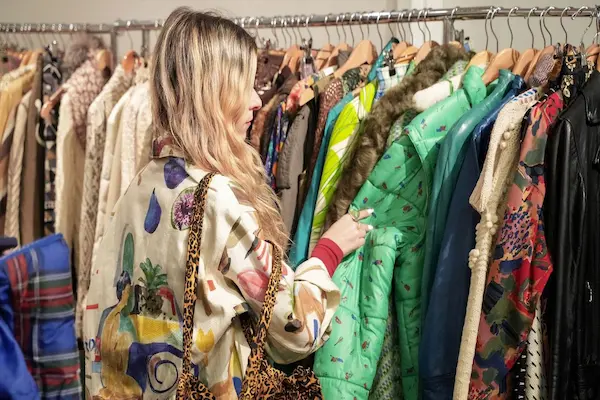
Secondhand style can feel like a secret superpower, because you get more character per dollar while making a choice that is gentler on the planet.
With a few smart secondhand shopping for clothes habits, you can spot quality fast, dodge common disappointments, and build outfits that look intentionally curated.
Smart Secondhand Shopping for Clothes: How the Secondhand World Really Works
Secondhand shopping is not one single experience, because thrift stores, consignment shops, and online resale platforms operate with different goals, pricing logic, and quality control.
Behind the racks, inventory usually comes from donations, closet cleanouts, store buybacks, estate clearances, and seasonal sell-offs, so the same “size medium” can mean wildly different fits and eras.
Value shows up when you treat each purchase like a small investigation, because the best pieces are not always the loudest brand names or the lowest sticker prices.
Consistency improves when you learn the store’s rhythm, because many shops restock daily, markdown weekly, and clear space monthly depending on how fast inventory moves.
Budget wins happen fastest when you shop with a plan, because random browsing can turn into “cheap” items you never wear and therefore never truly save money.
Style grows easier when you aim for versatile building blocks first, because a great jacket, a flattering pair of trousers, and a strong shoe lineup make everything else look intentional.
Three ways secondhand stores typically set prices
- Donation-based thrift pricing, where items are priced quickly by category, condition, and brand recognition rather than by original retail value.
- Curated resale pricing, where staff select better pieces and price them closer to market value, often reflecting condition, fabric, and desirability.
- Consignment pricing, where the original owner shares the sale, so prices may be higher but inventory is often more carefully screened.
A realistic mindset that makes secondhand shopping easier
- Assume every rack contains both treasures and duds, because secondhand is a mix of opportunity and noise that rewards calm sorting.
- Decide what “good enough” means for you, because perfection standards can block great deals while overly relaxed standards can create regret.
- Prioritize fit and quality over fantasy styling, because a dream outfit in your head will not save an itchy fabric or a confusing cut.
- Use patience as your advantage, because the best secondhand wardrobes are built through repeat visits, not one intense shopping sprint.
Thrift Clothing vs Consignment Shops: What Changes in Your Strategy
Thrift clothing stores often reward volume scanning, because prices can be low while sorting is minimal, which means the best finds are usually buried among ordinary basics.
Consignment shops tend to reward targeted browsing, because selection is narrower, condition is often stronger, and staff usually filter out obvious flaws before items hit the floor.
Pricing can feel higher in consignment, yet the cost-per-wear can be better when you buy pieces that fit beautifully and hold up through repeated use.
Trend pieces can be safer at thrift prices, because paying less reduces the sting if your taste changes or the item ends up being a short-term fling.
Classic wardrobe staples often shine in consignment, because structured coats, leather goods, and quality denim are easier to evaluate when the store curates for condition.
Shopping both categories works best when you match the store type to the item type, because strategy beats luck when you want consistent results.
What to shop for in each type of store
- Thrift stores: casual tees, jeans experimentation, cozy knits, vintage surprises, and low-risk trend trials.
- Consignment shops: tailored blazers, premium denim, wool coats, quality handbags, and special-event pieces worth inspecting carefully.
- Either option: belts, scarves, denim jackets, and simple dresses that rely more on fit and styling than on complicated construction.
Quick etiquette that protects your experience
- Handle garments gently, because stretching necklines and tugging seams can damage already-delicate items.
- Rehang what you don’t buy neatly, because respectful shopping keeps staff friendly and makes the next visit better for everyone.
- Ask before photographing or measuring, because policies differ and some shops treat photos as a security issue.
- Stay aware in tight aisles, because thrifting crowds can turn chaotic and rushed movement can tear fabric or knock items to the floor.
Smart Secondhand Shopping for Clothes: The Quality Checklist That Saves You Money
Quality is the real discount, because a cheap item that pills, warps, or rips quickly becomes expensive when you replace it again and again.
Condition matters more than the brand label, because even luxury pieces can be ruined by poor storage, heavy wear, or incorrect cleaning.
Inspection becomes faster when you follow the same order every time, because a repeatable checklist prevents you from missing the one flaw that makes the item unwearable.
Confidence rises when you check the highest-stress areas first, because collars, cuffs, underarms, and inner thighs reveal wear that the front-facing display can hide.
Smart choices come from combining fit and quality, because perfect fabric cannot save a cut that never feels comfortable on your body.
Style satisfaction shows up when you picture real outfits, because a great find is only great if it works with what you already own.
Your 30-second “fit and quality” scan
- Check the overall silhouette on a hanger, because shape collapse can signal stretching, shrinkage, or warped seams.
- Inspect collars, cuffs, and hems, because fraying and discoloration often start where fabric rubs and hands touch.
- Look under the arms and at the seat, because sweat stains, thinning fabric, and shine are common wear signals.
- Test closures and hardware, because broken zippers and missing buttons can turn a bargain into a repair project.
- Confirm the fabric content tag when possible, because materials predict comfort, longevity, and how fussy cleaning will be.
- Assess whether the price matches the condition, because even a beautiful piece should be cheaper if it needs meaningful work.
Small flaws that are usually fine at the right price
- A loose button, because basic sewing fixes it quickly and the repair can even strengthen the stitching.
- A tiny inner seam gap, because a simple stitch can stabilize it before it becomes a full tear.
- Light wrinkling, because steaming or careful pressing usually restores the original drape.
- Minor pilling on thick knits, because a fabric shaver can refresh the surface when the knit itself is still strong.
Deal-breakers that deserve a confident “no”
- Heavy underarm discoloration or stiff residue, because it can be stubborn and may reappear after washing even when it looks improved.
- Cracked faux leather peeling, because peeling typically spreads and creates mess rather than stabilizing with time.
- Stretched-out elastic in waistbands, because replacing elastic can be more effort than the piece is worth unless you love it deeply.
- Holes in delicate fabrics near seams, because stress points tend to enlarge and the repair can distort the shape.
- Strong musty odor that persists through airing, because it can signal mildew exposure and may be difficult to remove completely.
Fabric and Construction Clues That Signal Long-Term Value
Fabric tells a story, because fiber type, weave, and weight all predict how a garment will behave after ten wears and three washes.
Natural fibers like wool, cotton, linen, and silk can age beautifully, yet their value depends on condition, weave integrity, and whether the fabric has been weakened by harsh cleaning.
Blends can be fantastic when designed well, because a little elastane adds comfort and shape recovery, while a thoughtful blend can improve durability and reduce wrinkles.
Construction reveals quality fast, because tidy seam finishes, consistent stitching, and stable hems usually mean the garment was built to last.
Lining adds structure and comfort, because a lined skirt or blazer often drapes better and protects the outer fabric from sweat and friction.
Details like darts, facings, and pattern matching matter, because they often separate “looks nice on the rack” from “looks polished on the body.”
Fabric guide for secondhand shoppers who want quick decisions
- Wool: check for moth damage, because tiny holes can hide near hems and under collars where wear is less obvious.
- Cotton: check for thinning and shine, because repeated washing and friction can make high-stress zones look worn out.
- Linen: check for seam stress, because linen can crease and pull at seams when the fit is too tight.
- Silk: check for snags and water marks, because delicate silk can show damage that is hard to correct without professional care.
- Denim: check inner thigh friction, because blowouts often start where fabric rubs and the fix may be visible.
- Synthetics: check for pilling and static cling, because lower-quality synthetics can look tired quickly even when the garment is technically intact.
Construction details worth paying attention to
- Seam allowance and finishing, because serged seams can be fine while bound seams often signal higher-end construction.
- Buttonholes and topstitching, because neat, dense stitching usually holds up better and looks more expensive.
- Hem depth, because a generous hem can allow future alterations while a tiny hem limits your options.
- Pattern alignment, because stripes and plaids that match at seams often indicate careful manufacturing.
- Interfacing in collars and lapels, because crisp structure suggests a garment designed to keep its shape.
Fit and Quality: Sizing Strategies That Actually Work in Secondhand Stores
Secondhand sizing can feel chaotic, because labels change over decades, brands vary wildly, and some garments shrink or stretch after years of wear and washing.
Measurements beat size numbers, because a “size 8” from one era can fit like a “size 4” from another era and still be labeled confidently.
Trying on multiple sizes is normal, because secondhand shopping is less about finding your “usual size” and more about finding the piece that fits your body today.
Comfort should lead the decision, because a garment that pinches, rides up, or pulls at seams will sit in your closet no matter how stylish it looks in the fitting room.
Alteration potential is your secret weapon, because a slightly-too-big blazer can become a custom-looking piece with simple tailoring, while a too-small item rarely becomes comfortable.
Consistency becomes easier when you know your key measurements, because you can compare quickly across brands without getting emotionally attached too early.
Measurements that make secondhand shopping dramatically easier
- Shoulder width, because shoulder seams that land correctly create a polished look and are difficult to alter cleanly.
- Bust and chest, because tightness here can pull buttons and strain seams even if the rest of the garment fits.
- Waist and hip, because structured pieces like skirts and trousers rely on these points for comfort and movement.
- Inseam and rise, because denim comfort often depends more on rise than on waist number alone.
- Sleeve length, because sleeves that hit the right spot make a jacket look tailored even when the rest is relaxed.
Fitting-room strategy for faster, calmer decisions
- Wear easy try-on basics, because leggings and a fitted top make it quicker to judge layers and silhouettes.
- Bring the shoes you actually wear, because heel height and sole thickness change how pants drape and how skirts hit.
- Sit, walk, and reach overhead, because comfort in motion matters more than a still mirror pose.
- Take a quick photo if allowed, because the camera often reveals proportions and pulling that mirrors can hide.
- Decide within a few minutes, because lingering too long usually means the fit is not truly right.
Online Resale: How to Shop Secondhand Without Touching the Fabric
Online resale opens up huge variety, yet it also removes the ability to feel fabric and check seams in person, which means your success depends on asking the right questions and reading listings carefully.
Photos can be flattering or misleading, because lighting, angles, and filters can hide pilling, fading, and texture issues that matter in real life.
Measurements are your best protection, because listed sizes alone rarely predict fit and sellers may not know how the brand runs.
Condition language is not standardized, because “good” can mean different things to different people, so you should look for specific descriptions of flaws.
Return policies vary, because some platforms offer protections while others treat sales as final, which makes pre-purchase diligence part of the cost of convenience.
Patience pays online too, because saving searches, watching items, and waiting for price drops can reduce overpaying when excitement hits.
Listing details to prioritize before you buy
- Clear photos of tags, because brand, fabric content, and care instructions predict comfort and maintenance effort.
- Close-ups of high-wear areas, because cuffs, collars, underarms, and hems often reveal condition better than a full-body shot.
- Flat-lay measurements, because pit-to-pit, shoulder, and inseam measurements help you compare to items you already love.
- Notes on flaws, because honesty about snags, stains, and missing parts helps you decide with eyes open.
- Seller responsiveness, because a seller who answers questions clearly reduces the chance of unpleasant surprises.
Questions that help you avoid common online resale disappointments
- Can you share the pit-to-pit and shoulder measurements, because these two numbers alone solve many fit mysteries.
- Are there any stains, odors, or fabric pulls not shown in photos, because small issues can be invisible in certain lighting.
- Has the item been altered, because hems, darts, and taken-in seams change the fit even when the size label remains unchanged.
- How would you describe the fabric weight and stretch, because drape and recovery affect how flattering the piece will feel.
- Is the item stored in a smoke-free environment if that matters to you, because odor removal can be difficult and personal sensitivity is real.
Thrift Clothing Wins: How to Shop Faster Without Missing the Good Stuff
Speed matters in busy thrift stores, because the best items often disappear quickly and slow browsing can drain your energy before you reach the best racks.
Scanning becomes efficient when you look for texture and fabric first, because quality materials often stand out by drape, weight, and subtle sheen.
Color filtering helps too, because focusing on your best neutrals and a few accent colors reduces decision fatigue and keeps your wardrobe cohesive.
Category focus improves results, because bouncing between every aisle invites impulse buys that feel fun until you carry them home.
Seasonal timing can help, because coats show up after winter, dresses surge in spring, and back-to-school basics flood racks at predictable times.
Repeat visits create consistency, because thrifting rewards frequency more than marathon trips that leave you exhausted and less selective.
Practical rack-scanning techniques you can use immediately
- Slide hangers with your fingertips, because you can feel fabric thickness and identify natural fibers faster than reading every tag.
- Pull anything that looks like your style “at a glance,” because you can do deeper inspection after you build a small candidate pile.
- Check sections that match your goals, because staying focused prevents the store layout from turning into a dopamine-driven scavenger hunt.
- Look for structure in jackets and trousers, because good structure often costs more new and therefore gives you better secondhand value.
A simple “keep or release” rule that prevents cart overload
- Keep only items that pass your first quality scan, because carrying questionable pieces steals time from better finds.
- Release items that require major fixes unless you love them, because repair projects often pile up and become unfinished clutter.
- Keep items that match at least two outfits you already own, because instant outfit compatibility increases the chance you will wear it soon.
- Release duplicates unless the fit is perfect, because duplicate items often fight for attention while neither becomes a true favorite.
Consignment Shops: How to Get the Best Pieces Without Overpaying
Consignment shops can feel like a curated closet, because the selection is often filtered for brands, condition, and seasonal relevance.
Pricing tends to be closer to market value, yet real savings still exist when you know what materials cost new and you recognize excellent construction quickly.
Negotiation may or may not be allowed, because some shops set firm prices while others consider offers, especially on older inventory or minor imperfections.
Staff knowledge can be an advantage, because employees often know which brands run small, which fabrics require special care, and which pieces arrived recently.
Shopping consignment works best with clarity, because you are choosing fewer items at higher average prices, which makes fit and quality checks even more important.
Wardrobe upgrades often happen here, because premium basics and statement pieces are easier to find when the store curates intentionally.
How to decide if a consignment price is worth it
- Compare the price to your cost-per-wear estimate, because a $60 blazer worn weekly can outperform three $25 blazers that never fit quite right.
- Check the item’s condition carefully, because consignment still includes wear and you are paying for curation, not perfection.
- Consider the tailoring potential, because a high-quality piece that needs minor adjustments can look custom when finished.
- Think about how many seasons it can serve, because timeless pieces deliver the best value when trends shift.
Smart ways to ask about markdowns without feeling awkward
- Ask whether certain color tags or sections are discounted today, because many shops run rotating sales that are not obvious at first glance.
- Ask how long the item has been on the floor, because older inventory is more likely to be reduced soon.
- Ask about return rules, because policy clarity helps you take an informed risk on a higher-priced piece.
- Ask whether the shop offers tailoring recommendations, because some stores partner with local tailors and can steer you well.
Cleaning New-to-You Clothes: A Safe, Simple Routine That Works
Cleaning is where secondhand confidence is built, because wearing a piece feels better when you know it is fresh, comfortable, and handled with care.
Care labels matter, because the wrong heat level or cleaning method can shrink wool, warp denim, weaken elastics, or dull delicate fabrics.
Odors can be stubborn, because storage smells, perfume residue, and musty environments can cling to fibers even when the garment looks clean.
Gentle steps often work better than harsh ones, because aggressive washing can set stains, roughen fibers, and shorten the life of garments you just worked hard to find.
Drying strategy matters too, because high heat can damage elastane and fade colors, while air drying preserves shape and reduces wear.
Freshness becomes easy when you build a repeatable routine, because you stop improvising with every item and start treating your finds like a wardrobe, not a project pile.
Basic cleaning steps for most thrift clothing finds
- Separate by color and fabric type, because preventing dye transfer is easier than fixing it later.
- Turn items inside out, because that reduces surface friction and helps protect color and texture.
- Use a gentle detergent when possible, because harsh formulas can strip fibers and worsen pilling over time.
- Choose cold or cool water for most items, because lower temperatures protect elasticity and reduce shrink risk.
- Air dry delicate or stretchy pieces, because heat can distort shape and weaken recovery.
- Steam or press as needed, because finishing brings back polish and makes secondhand pieces look intentional.
Fabric-specific cleaning notes that prevent expensive mistakes
- Wool and cashmere: hand wash carefully or follow gentle cycles if appropriate, because agitation and heat are the fastest route to felting.
- Silk: consider delicate handling and spot testing, because water marks and friction can change the surface quickly.
- Denim: wash less often when possible, because frequent washing can fade and weaken high-stress zones.
- Activewear: avoid fabric softener, because it can reduce moisture-wicking performance and trap odor in fibers.
- Leather and suede: use appropriate conditioning and avoid soaking, because saturation can warp structure and create stains.
Odor and freshness fixes that are gentle and practical
- Air garments outdoors in shade, because fresh air can reduce mild odors without stressing the fabric.
- Use a garment steamer when appropriate, because steam can refresh fibers and improve drape without aggressive washing.
- Wash with a careful soak for stubborn smells, because time can help lift odor residues when agitation would be too harsh.
- Store clean items with breathing room, because tight, damp storage is a common cause of returning mustiness.
Repairs and Alterations: Turning “Almost Perfect” Into a Favorite
Secondhand wardrobes become truly personal when you embrace small fixes, because a minor repair can upgrade an item from “good deal” to “signature piece.”
Simple sewing is powerful, because buttons, small seams, and tiny hems are often the only difference between a wearable find and a forgotten one.
Tailoring can be worth it, because the right blazer shape or trouser hemline can elevate your whole outfit rotation without requiring a full closet overhaul.
Repair decisions should still be rational, because sinking money into a low-quality garment rarely creates a long-term win unless the piece holds strong sentimental value.
Strategic alterations work best when the core fit is close, because resizing shoulders, armholes, or complicated linings can cost more than the item is worth.
Confidence grows when you plan repairs immediately, because waiting tends to create a “fix later” pile that quietly becomes clutter.
Easy repairs that deliver a big payoff
- Replacing missing buttons, because matching buttons can refresh the whole look and prevent wardrobe malfunctions.
- Fixing a small seam split, because early repairs stop stress tears from spreading.
- Removing pills carefully, because a smooth knit surface looks cleaner and more expensive instantly.
- Reinforcing loose belt loops, because stability keeps denim and trousers looking polished.
Alterations that often make sense for secondhand pieces
- Hemming trousers and skirts, because length changes dramatically affect proportion and versatility.
- Taking in a waist slightly, because comfort and silhouette improve when the garment stays in place.
- Shortening sleeves on a blazer, because sleeve length is a key marker of a tailored appearance.
- Adding simple darts for shape, because subtle shaping can make a thrifted dress feel like it was made for you.
Building Outfits From Secondhand Finds: Style That Looks Intentional
Great secondhand style feels effortless, yet it usually comes from building outfits around a few dependable shapes and repeating them with different textures and colors.
Basics create the foundation, because a crisp button-up, a well-fitting tee, and clean denim let statement pieces shine without looking costume-like.
Texture adds richness, because wool, denim, linen, leather, and silk create visual interest even when the color palette stays simple.
Proportion is the secret, because pairing a relaxed top with structured bottoms, or a structured jacket with wide-leg pants, creates balance that reads polished.
Accessories elevate quickly, because a belt, scarf, or classic bag can make a thrifted outfit look curated rather than accidental.
Repetition is your friend, because wearing a “uniform” you love reduces decision fatigue and makes your wardrobe feel cohesive.
Outfit formulas that work beautifully with secondhand pieces
- Relaxed tee + straight-leg denim + structured blazer, because the mix of casual and sharp looks modern and wearable.
- Slip skirt + chunky knit + simple sneakers or boots, because contrast in texture creates a styled, not try-hard vibe.
- Button-up shirt + tailored trousers + belt, because clean lines make even budget finds look elevated.
- Vintage denim jacket + midi dress, because the jacket adds structure and keeps the outfit versatile across seasons.
- Monochrome base + one statement accessory, because restraint lets one special secondhand find become the focus.
How to build a secondhand capsule wardrobe without boredom
- Choose two neutrals you love wearing, because a consistent base makes mixing pieces easy and reduces “nothing matches” frustration.
- Add one or two accent colors, because controlled color variety keeps the wardrobe interesting while still cohesive.
- Pick a signature silhouette you feel great in, because repeating a flattering shape increases wear frequency and boosts confidence.
- Invest in comfortable shoes, because shoes determine how often you actually wear an outfit in real life.
- Upgrade one category at a time, because slow improvements create better long-term results than random shopping spikes.
Smart Secondhand Shopping for Clothes: How to Avoid Impulse Buys and Closet Clutter
Secondhand shopping can trigger “now or never” pressure, because unique inventory creates fear of missing out even when the item is only mildly useful.
Impulse buys often feel justified by low prices, yet cost adds up quickly when you buy five “cheap” items that don’t fit your lifestyle.
Clutter sneaks in when you shop for fantasy versions of yourself, because “future me” outfits rarely compete with the comfort of your real daily favorites.
Decision rules reduce regret, because rules replace emotional guessing with a simple system you can apply when you are tired or excited.
Saving money stays fun when you say no confidently, because each no protects your budget for the yes that truly upgrades your wardrobe.
Style becomes easier when your closet is edited, because fewer pieces that you love create more outfits than many pieces that you tolerate.
Ethical “anti-impulse” rules that still feel stylish
- Use a two-outfit test, because if you cannot picture two real outfits, the item is probably a thrill rather than a tool.
- Refuse uncomfortable fits, because discomfort is the fastest predictor of “never worn” clothing.
- Skip mystery maintenance, because items with unclear care needs can become stressful rather than joyful.
- Set a category cap, because limiting how many items you buy in one trip keeps you selective and intentional.
A pre-checkout audit that takes three minutes
- Confirm each item matches your style direction, because random pieces can pull your wardrobe into a confusing mix.
- Recheck the highest-wear areas, because small flaws become big annoyances after a few wears.
- Ask whether you will wear it within two weeks, because near-term wear is a strong signal the piece is truly you.
- Remove duplicates unless one is clearly better, because extra versions often dilute your excitement and reduce actual use.
- Calculate the total spend, because multiple small purchases can quietly exceed what you planned.
Secondhand Shopping for Special Categories: Denim, Knits, Coats, and Shoes
Certain categories reward extra attention, because hidden wear in denim, knits, coats, and shoes often shows up after you start using the item regularly.
Denim needs stress checks, because inner thigh friction and seat wear can shorten lifespan even when the jeans look perfect from the front.
Knits need surface checks, because pilling and snags can be manageable while stretched ribbing and thinning panels can signal deeper fatigue.
Coats need structure checks, because shoulder shape, lining condition, and closure strength determine whether the coat feels luxurious or sloppy.
Shoes need hygiene and structure checks, because worn-out insoles and uneven soles can create discomfort that no bargain price can fix.
Category awareness saves time, because you stop treating every item the same and start applying the right inspection to the right garment.
Category-specific checks you can do quickly
- Denim: check inner thighs and crotch seams, because that area takes the most friction and is costly to repair invisibly.
- Knits: stretch cuffs gently and release, because good elasticity recovery suggests the knit still has life.
- Coats: inspect lining under the arms and at seams, because lining tears can spread with movement and cost time to mend.
- Shoes: look at heel wear and toe creasing, because uneven wear can signal poor fit or heavy prior use.
- Blazers: check shoulder padding and lapel shape, because distorted structure can make the whole piece look off even if it “fits.”
Quick Reference: Your Smart Secondhand Shopping for Clothes Cheat Sheet
Simple systems beat perfect knowledge, because a reliable cheat sheet helps you make better choices even when the store is busy and your energy is low.
Consistency turns thrifting into a skill, because repeating the same checks trains your eyes to spot quality faster each trip.
Confidence grows when you trust your standards, because buying fewer, better items is the real sustainable win for both wallet and wardrobe.
Fast “yes” signals
- Great fabric hand-feel with solid seams, because that combination predicts comfort and durability.
- Easy outfit compatibility, because pieces that match your closet get worn and therefore deliver value.
- Comfortable movement and stable fit, because you will reach for the item often when it feels good all day.
- Minor fixable issues only, because small repairs are manageable while structural problems are expensive and frustrating.
Fast “no” signals
- Persistent strong odor or visible mildew signs, because cleaning may not fully solve it and the risk is not worth it.
- Cracking faux leather and peeling coatings, because deterioration usually accelerates after purchase.
- Stretched-out necklines and warped seams, because shape issues can be difficult to restore cleanly.
- Unclear fit that you feel unsure about, because uncertainty usually becomes a non-wear item in real life.
A one-page plan for your next secondhand trip
- Pick a goal category, because focused shopping reduces impulse buying and increases successful finds.
- Set a budget and a limit on item count, because boundaries keep the trip fun and the closet manageable.
- Scan fabrics first, because quality materials are often the best long-term savings.
- Try on only your best candidates, because fitting-room time is valuable and should go to items that already passed inspection.
- Clean and finish items immediately at home, because a fast routine prevents the “new-to-you pile” from becoming overwhelming.
Independence Notice
This content is independent and is not affiliated with, sponsored by, or controlled by any thrift stores, consignment shops, online resale platforms, brands, or third parties mentioned or implied.
No relationship or control exists between this guide and any institution or retailer, and the examples are included only to explain common secondhand shopping situations.