
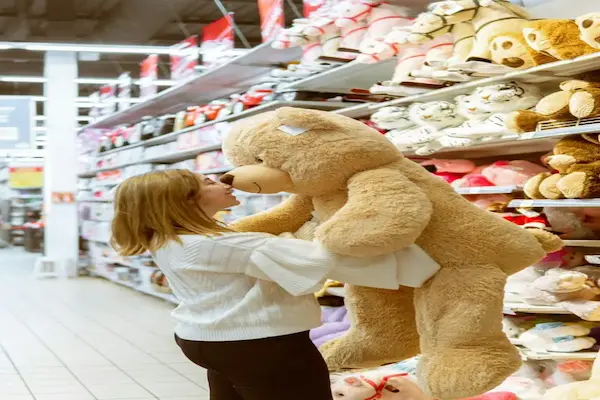
Buying toys can feel deceptively simple, because a colorful box looks like happiness and a sale tag looks like a win, yet the real question is whether the toy will be safe, age appropriate, and genuinely enjoyable after the first five minutes of excitement fade.
When you shop with the child in mind and the household reality in mind, you end up with fewer regrets, fewer clutter piles, and far more “this gets played with again” moments that actually justify the money spent.
This guide is built for parents and relatives choosing gifts for birthdays or holidays, and it focuses on child-centered joy, safety-first decision-making, realistic budgets, and durability you can verify with your own eyes and hands before you check out.
Smart shopping for kids toys starts with the child, not the shelf
A toy is only “good” when it fits the child’s current stage and curiosity, because kids do not play with categories, they play with what matches their body skills, their attention span, and whatever story their brain is building this week.
Instead of starting with what looks popular or trendy, a calmer approach begins with observing what the child already does for fun, since the best gift often feels like an extension of their favorite play pattern rather than a random surprise that parents now have to store.
Curiosity-driven choices often beat hype-driven choices, because a child who loves building will typically return to blocks and connectors repeatedly, while a child who loves pretend play will keep revisiting dolls, vehicles, play food, and costumes long after the battery-powered novelty has stopped being new.
Budget stress drops when you treat toys as tools for play, because that mindset helps you pay for the features that matter and skip the extras that exist mainly to look impressive on a box.
- Look for the “repeat factor,” because the toys that get used again and again tend to be open-ended, flexible, and easy to start playing with quickly.
- Notice current interests, because a dinosaur phase, a kitchen phase, or a vehicle phase can turn a simple toy into a deeply loved one.
- Consider the household environment, because a tiny apartment and a large playroom create different definitions of “practical.”
Three quick questions that keep your choice child-centered
- What does the child do during free play when nobody suggests an activity, because that behavior reveals genuine interest more than any wish list does.
- What skill is emerging right now, such as stacking, drawing, storytelling, or building, because toys that meet an emerging skill tend to feel “just right.”
- What frustrates them easily, because a toy that constantly feels “too hard” often becomes a shelf object rather than a play object.
The safety baseline: labels, age grading, and why “age appropriate” matters
Safety labels are not decoration, because age grading usually reflects real risk factors like choking hazards, sharp points, long cords, high-impact projectiles, small magnets, and battery access that can create serious harm in the wrong hands.
Even when a child seems “advanced,” the body realities still matter, since mouthing, throwing, climbing, and impulsive exploration are normal parts of development that can collide with small parts and breakable components.
A safety-first shopper treats warnings as a starting point rather than as a buzzkill, because following age-appropriate guidance protects the child and prevents the emotional stress of a gift that parents have to immediately remove or “hide for later.”
Notice: this content is independent and has no affiliation, sponsorship, or control over any retailers, brands, marketplaces, manufacturers, or third parties mentioned.
Choking hazards and small parts
Choking risk is the reason “not for under 3” shows up so often, because young children explore with their mouths and small parts can block airways even when a child seems careful in other contexts.
Small pieces can also appear later, since a toy might start large and safe yet break into smaller components after rough play, which is why durability and construction quality are also safety issues, not just “nice-to-have” details.
- Under age 3, avoid toys with small detachable parts, tiny balls, and miniature accessories that could be mouthed even if they are not intended as mouth items.
- For preschoolers who still mouth objects, choose larger, simpler pieces and prioritize sturdy construction that is less likely to snap into smaller chunks.
- Around mixed-age households, consider the youngest child’s risk, because older siblings’ toys can become shared toys within minutes.
Button batteries, cords, and powerful magnets
Battery-powered toys can be fun, yet the safety difference often comes down to whether the battery compartment is secured and whether small batteries can be accessed easily, because button batteries are especially dangerous if swallowed.
High-strength magnets and magnet sets can also be risky when swallowed, because multiple magnets can cause internal injury, so caution is warranted whenever magnets are small, detachable, or likely to end up in a toddler’s reach.
- Check that battery compartments require a tool to open, because simple snap-open doors can be defeated quickly by curious hands.
- Avoid long cords for young children, because cords can tangle and create hazards even during supervised play.
- Treat small magnet components as a higher-risk category, especially in homes with toddlers or frequent young visitors.
Quality materials, finishes, and “does it smell weird” instincts
Materials matter because children touch, chew, and press toys against their faces, so a toy that smells strongly chemical, sheds glitter or dust, or has rough edges is giving you a practical warning sign that the quality may be poor or that the finish may not hold up to real play.
A realistic approach is to prefer toys with clear material descriptions and clean manufacturing details, while also trusting your senses when something looks flimsy, sticky, or poorly sealed, since those cues often predict quick breakage and disappointing performance.
- Choose smooth edges and sturdy seams, because sharp points and popped seams can become injury points during energetic play.
- Avoid strong, persistent odors, because unpleasant smells can signal low-quality materials and also make the toy less enjoyable to use.
- Favor washable surfaces when possible, because toys get shared, dropped, and used during snack time more often than we imagine.
Safety standards and what to look for without overcomplicating it
Many regions have toy safety frameworks and testing standards, so you will often see references to compliance in product descriptions and packaging, such as ASTM F963 in the United States or EN 71 in many European markets, and these references can be useful signals when you are deciding between similar items.
No label guarantees perfection, yet clear labeling combined with reputable manufacturing information and thoughtful age grading usually indicates more accountability than vague packaging that says almost nothing about the toy’s origin or intended use.
- Look for clear age grading and safety warnings that match the toy’s reality, because vague or contradictory labeling can signal poor oversight.
- Prefer toys with clear manufacturer information and instructions, because transparency makes it easier to use and store the toy safely.
- Treat unbranded “mystery” toys with extra caution, because quality control can be inconsistent when information is missing or unclear.
Kids toy guide by age: what tends to work, and what tends to backfire
Age guidelines are helpful when you treat them as developmental guidance rather than as strict rules, because children grow at different speeds and yet most children share predictable motor and attention milestones that affect whether a toy will be safe and enjoyable.
Use the lists below as a practical map, then adjust based on the individual child’s temperament, sensory preferences, and the household’s capacity for noise, mess, and storage.
0–12 months: simple, sensory, and safe-to-mouth
- High-contrast soft books, textured cloths, and simple rattles often work well, because babies learn through touch, sound, and visual tracking long before “complex play” is relevant.
- Teethers with a single solid piece and easy-to-clean surfaces are practical, because mouthing is normal and hygiene is part of safety.
- Soft toys with tight seams and minimal detachable decorations tend to be safer, because loose eyes, bows, or glued pieces can become hazards over time.
- Prioritize washable items, because drool and floor contact happen constantly and cleaning should be easy.
- Avoid small detachable parts, because even “cute” add-ons can become a risk when pulled off.
- Choose toys that invite interaction with a caregiver, because social play is a major driver of development at this stage.
1–2 years: sturdy cause-and-effect, stacking, and big pieces
- Large blocks, stacking rings, and chunky puzzles often shine, because toddlers love repetition and visible cause-and-effect outcomes.
- Push-and-pull toys can be engaging, because movement supports coordination and gives a satisfying “I did it” feeling.
- Simple pretend play items like large play food and sturdy vehicles work well, because early imagination thrives on familiar real-world objects.
- Look for pieces that are too large to fit in a young child’s mouth, because mouthing is still common even when language is growing quickly.
- Choose durable materials, because throwing, banging, and dragging are normal exploration methods at this age.
- Avoid overly complex sets, because too many tiny accessories can frustrate caregivers and scatter into hazard zones.
3–5 years: imagination, role play, and “open-ended” wins
Preschoolers often thrive with toys that can become many things, because storytelling, role play, and flexible building let them practice language, emotions, and problem-solving in a way that looks like fun and feels like power.
At this stage, “more pieces” can be wonderful when the child can manage cleanup with support, yet sets can also overwhelm if the household is already stretched thin, so balance matters more than perfection.
- Dress-up items, dolls, figures, and play kitchens often get repeated use, because the same toy can support endless scenarios.
- Building sets with medium-sized pieces can be excellent, because they support planning and fine motor skills while still being manageable.
- Art supplies that match the child’s skill level work well, because success creates confidence and confidence keeps the child returning to the activity.
- Check for durability at joints and hinges, because pretend play can be intense and rough without malicious intent.
- Favor kits that can be stored neatly, because easy cleanup increases how often a toy gets used.
- Consider noise tolerance, because loud toys can reduce play time if adults avoid them, which lowers the real value of the purchase.
6–8 years: skill-building, collections, and manageable challenge
Early elementary kids often enjoy toys that combine mastery and creativity, because they want to build competence while also expressing personality through what they make, collect, or display.
Interest-based choices become more important here, since some kids love puzzles and logic while others prefer movement and outdoor play, and forcing a “smart toy” rarely beats matching a child’s genuine curiosity.
- Construction kits, beginner science kits, and craft sets can work well, because they create visible accomplishments that children feel proud of.
- Board games with simple strategy can be great, because family play supports social skills and creates shared memories beyond the object itself.
- Outdoor equipment sized correctly for the child can be valuable, because active play supports confidence and reduces screen-time tension in many homes.
- Choose sets with clear instructions and an achievable first project, because early success increases the chance the kit gets used again.
- Avoid kits that require constant adult rescue unless that adult wants the project too, because frustration can turn a gift into a stress event.
- Consider storage needs before buying large sets, because scattered pieces lower the long-term play value quickly.
9–12 years: deeper hobbies, higher standards, and autonomy
Tweens often have sharper opinions, because identity formation is happening and gifts can feel personal in a new way, so thoughtful alignment with their interests matters more than getting the “popular” item everyone is talking about.
Higher-quality materials and more durable construction start to matter more, because kids at this age notice when something feels cheap, and they may abandon a flimsy item faster than a younger child would.
- Hobby-building items like art tools, model kits, music gear, or sports equipment can be meaningful, because they support long-term interests rather than one-time novelty.
- More advanced building and robotics kits can work well, because challenge can be motivating when the child is ready for it.
- Cooperative and strategy board games can be excellent, because they allow social play that matches growing social complexity.
- Ask about preferences when possible, because tweens appreciate being seen and they dislike guessing games that miss the mark.
- Budget for durability, because replacing broken items is usually more expensive than buying a sturdier version once.
- Avoid overly “babyish” themes, because perceived mismatch can reduce the chance the gift gets opened again after day one.
Teens: practical fun, quality, and respect for taste
Teen toy shopping often looks less like “toys” and more like hobby gear, creative tools, games, or experiences that support social connection, because teens want autonomy and usefulness along with fun.
A realistic gift choice respects their preferences while still staying safe and age appropriate, especially for items with small parts, higher power, or more complex use requirements.
- Creative tools, sports equipment, and hobby kits often work, because they connect to real skills and real identity.
- Strategy games, puzzles, and social games can be great, because they support friend groups and family time without feeling childish.
- Quality headphones stands, desk accessories, or room setup items can be meaningful, because personal space matters more as teens grow.
Smart shopping for kids toys on a toy budget that actually holds
A toy budget is not about limiting joy, because it is about protecting the household from “one big season” turning into ongoing financial stress, and kids benefit when adults feel calm and stable rather than anxious and resentful about spending.
The most sustainable budgets are the ones that allow generous moments while still setting boundaries, because all-or-nothing rules often lead to binge spending later when guilt or holiday pressure hits.
Build a simple toy budget plan in three layers
- Set a yearly or seasonal cap, because a top limit prevents the slow creep that happens when small purchases add up unnoticed.
- Create category buckets, because “one big gift plus a few small gifts” feels different from “ten random gifts,” even when the total cost is identical.
- Reserve a small flexibility amount, because unexpected invitations and last-minute gift needs are easier when the budget expects them.
- Big gift bucket: one meaningful item with high repeat play value, such as a building set, a ride-on, or a hobby starter.
- Small add-on bucket: a book, a puzzle, art supplies, or accessories that support the main gift without creating clutter overload.
- Experience-support bucket: movie tickets, museum days, craft class fees, or sports registrations, when the household prefers memories over objects.
Use “cost per play” to decide when spending more is worth it
Cost per play is a simple idea with strong results, because a $30 toy played with 30 times costs about $1 per play, while a $15 toy played with twice costs $7.50 per play, which means the cheaper toy was actually the expensive choice in real life.
Nobody can predict play perfectly, yet you can estimate likely use by choosing toys that match existing interests and by prioritizing open-ended designs that support many kinds of play rather than one scripted moment.
- Estimate how many sessions the child is likely to use the toy based on similar toys they already love, because past behavior is the best clue you have.
- Divide the cost by that estimate, then compare with your comfort level, because the goal is buying joy without buying stress.
- Increase the “repeat estimate” for toys that are open-ended, durable, and easy to access, because these features predict long-term use.
When a cheaper toy is the smarter choice
- Short-lived interests can be explored with smaller purchases, because paying premium prices for a two-week phase rarely feels good later.
- Craft kits and novelty items can be treated as “one-time activities,” because their value is the experience, not the long-term shelf life.
- Duplicate-prone categories are safer when smaller, because receiving two similar big sets can create disappointment and clutter at once.
Quality materials and durability: checks you can do in under a minute
Durability is a budget strategy and a safety strategy, because toys that break quickly create sharp edges and small parts while also pushing you toward replacement purchases that quietly inflate the toy budget.
A hands-on inspection helps, since you can often detect weak seams, flimsy joints, thin plastics, and poorly attached pieces with gentle pressure and a careful look at the stress points.
Construction cues by toy type
- Plush toys: check seam tightness, eye attachment style, and fabric density, because loose stitching often fails first at arms, legs, and ears.
- Plastic toys: squeeze lightly at thin sections, inspect snaps and hinges, and look for rough edges, because brittle plastic and weak hinges predict quick breaks.
- Wooden toys: feel for splinters and rough corners, check that paint looks even and sealed, and confirm joints are solid, because wood should feel sturdy and smooth in a child’s hand.
- Electronic toys: confirm the battery compartment is secured, listen for rattling, and test buttons if allowed, because loose internal parts often signal poor build quality.
Washability, repairability, and “parent-friendly” features
A toy that is hard to clean often becomes a toy that gets used less, because caregivers naturally avoid items that create extra chores, so washability is part of play value whether or not it shows up on a marketing label.
Repairability matters too, because a toy that can be tightened, reattached, or easily maintained may last through multiple children, while a toy that fails catastrophically becomes landfill and an unexpected new expense.
- Check cleaning instructions, because “spot clean only” can be a dealbreaker for toys that will be hugged, drooled on, or used outdoors.
- Look for replaceable parts when relevant, because lost pieces are common and replacements extend lifespan dramatically.
- Favor simple mechanisms, because fewer moving parts usually means fewer things that can snap or jam.
- Storage-friendly toys get used more, because easy cleanup reduces resistance from both adults and kids.
- Durable finishes matter, because peeling paint and flaking coatings create mess and reduce safety confidence quickly.
Smart shopping for kids toys: what to buy that usually delivers repeat play
Repeat play tends to come from toys that do not “tell the child what to do,” because open-ended toys invite imagination, and imagination is the engine that keeps play going long after the packaging is recycled.
Child-centered shopping also favors toys that scale, meaning a toy remains interesting as skills grow, because a toy with a slightly longer learning curve can stay relevant for months rather than days.
Categories that often offer strong value
- Building and construction: blocks, connectors, magnetic tiles sized appropriately, and simple engineering sets, because building supports creativity and problem-solving across ages.
- Pretend play: play kitchens, dolls, figures, vehicles, play food, and costumes, because storytelling allows endless variation without needing endless new objects.
- Creative supplies: crayons, markers, paper, clay, and beginner craft kits, because making things turns a small set of materials into many outcomes.
- Movement play: balls, jump ropes, balance toys, and outdoor items sized for the child, because physical play supports confidence and reduces cabin-fever energy.
- Books and puzzles: storybooks, seek-and-find books, and puzzles at the right difficulty, because quiet play is still play and it often becomes a bedtime ritual.
Gifts that grow with the child
- Choose adjustable or expandable sets, because adding a few pieces later can refresh interest without replacing the whole toy.
- Pick themes the child returns to repeatedly, because a long-standing interest usually outlasts a sudden trend.
- Favor toys that support multiple play styles, because building, storytelling, and role play can blend into richer play sessions.
What to skip or buy cautiously: safety-focused realism without fear
Some toys create more frustration than fun because they break, annoy, or require constant adult management, and a cautious approach prevents gifting something that becomes a household burden instead of a child’s delight.
Safety-conscious skipping is also reasonable in categories where small parts, powerful magnets, sharp projectiles, or easy battery access can create serious risk, especially in homes with mixed ages or frequent visitors.
Common “caution” categories and why they backfire
- Ultra-cheap electronic toys with loose battery doors can be risky and short-lived, because failure points and battery access issues often show up quickly.
- Loud toys with limited volume control can reduce play time, because adults will quietly hide them, which makes the purchase low-value even if it was inexpensive.
- Projectile and dart toys require careful supervision and appropriate spaces, because eye injuries and sibling conflict are common when rules are unclear.
- Slime, putty, and messy kits can be wonderful in the right home, yet they can be chaotic in the wrong home, because cleanup tolerance is a real household variable that affects whether the toy gets used.
- Tiny collectible items can become choking hazards around toddlers, because small pieces travel between rooms and end up in unexpected places.
Red flags you can spot immediately
- Missing or vague age grading, because unclear labeling makes risk harder to judge quickly.
- Loose seams, popping joints, or parts that detach with light pulling, because breakage can create small parts hazards and sharp edges.
- Strong chemical odors that linger, because unpleasant smell often signals low quality and can make the toy unwelcome in the home.
- Battery doors that open without a tool, because easy access increases risk in homes with young children.
Birthday and holiday shopping: choosing well when you do not live with the child
Relatives and friends often shop with love and limited context, which is why thoughtful gift choices become easier when you gather a tiny bit of information rather than guessing based on what looks cute in a store.
A small amount of coordination can prevent duplicates and avoid gifts that conflict with household values, space, or sensory needs, while still keeping the surprise and joy intact for the child.
A simple “ask once” method that still feels like a surprise
- Ask the caregiver for two to three themes the child loves, because themes guide you without giving away the exact gift.
- Ask about constraints like noise, mess, and space, because these household realities determine whether the gift will be welcomed or hidden.
- Ask about duplicates, because getting the same large set twice can create disappointment even when both gifts were generous.
- Theme examples: animals, vehicles, building, pretend kitchen, art, music, sports, or nature exploration.
- Constraint examples: no glitter, no loud sounds, no tiny pieces, limited storage, or preference for books and outdoor play.
When you cannot ask, use safe universal choices
- Books at the child’s age and interest level often work, because families can always use more reading variety without the same clutter impact as large toys.
- Open-ended building sets with age-appropriate pieces can be a strong bet, because building tends to be replayed and combined with other toys easily.
- Art basics and refill supplies can be useful, because many households already own art kits and need replenishment more than new gadgets.
Toy rotation ideas: making fewer toys feel like more while reducing clutter
Toy rotation works because novelty is powerful, and children often re-engage with an old toy when it disappears for a while, returns later, and suddenly feels fresh again without anyone spending a dollar.
Rotation is also a budget tool, because fewer toys out at once means fewer “I’m bored” moments driven by overwhelm, and it reduces the chance that a child will dump everything on the floor and then abandon the mess immediately.
The “two-bin” rotation system that stays realistic
- Keep a small selection of toys available, because a manageable number supports deeper play rather than frantic switching.
- Store the rest in a labeled bin, because out-of-sight storage creates a natural reset when items come back later.
- Rotate weekly or every two weeks, because short cycles keep interest high without turning rotation into a complicated chore.
- Mix toy types in the “out” group, because variety supports different moods, such as building, pretend play, and quiet solo activities.
- Include one “challenging” toy, because a small stretch can help skill growth when the child is calm and curious.
- Include one “comfort” toy, because familiar favorites support regulation and reduce frustration on hard days.
Rotation-friendly gift buying for birthdays and holidays
Gifts can fit rotation naturally, because you can introduce one new item now and save a second item for a future rotation week, which spreads joy over time and reduces the post-holiday crash where everything becomes background noise.
A realistic household strategy also includes donating or passing on toys that no longer match interests, because space is finite and keeping everything forever turns playrooms into storage units rather than creative spaces.
- Introduce one or two gifts at a time, because too many new items at once can overwhelm a child and reduce play depth.
- Store a few gifts for later rotation weeks, because delayed novelty often feels like a second celebration.
- Set a donation rhythm, because releasing unused toys creates room for what the child actually uses now.
Smart shopping for kids toys: compare options like an adult, not like a commercial
Marketing pushes urgency and excitement, while smart comparison favors calm and clarity, so a practical shopper focuses on safety labels, material quality, age appropriate fit, durability, and the household’s ability to store and clean the item easily.
Price comparison is also more meaningful when you compare the whole package, including return policies, missing parts support, and whether the toy’s core play value is in the object itself or in the accessories that may be lost quickly.
A comparison checklist you can run quickly
- Play value: does the toy support multiple ways to play, or does it do one scripted thing and stop.
- Durability: do the joints, seams, and parts feel built for real child energy, or do they feel like display quality only.
- Materials: are materials clearly described and finishes clean, or does the packaging feel vague and low-accountability.
- Age grading: do the warnings match the child’s actual behaviors, especially mouthing, throwing, and impulsive exploration.
- Household fit: can the toy be stored, cleaned, and used without constant adult friction, especially around noise and mess.
Budget-friendly ways to increase toy value without buying more toys
- Add simple accessories you already own, like cardboard boxes, blankets, and tape, because kids can turn ordinary objects into extraordinary play settings.
- Pair a toy with a book or story theme, because narrative boosts engagement and extends how long a toy stays interesting.
- Create “play invitations,” like setting up a small scene, because setup can spark independent play without additional purchases.
A practical toy budget strategy for gift-givers who want to be generous and realistic
Gift-givers often want the child to feel loved, and that intention is beautiful, yet generosity does not have to mean “large,” because kids often remember the fun of the moment and the consistency of being seen more than the size of the box.
A structured approach can protect your finances while still delivering joy, especially when you choose one meaningful item and then add small supporting pieces that expand play rather than duplicate it.
- “One main toy” strategy: choose a single item with high repeat play value, then stop, because one strong toy beats three weak ones most of the time.
- “Main toy plus refill” strategy: pair a creative kit with extra paper or supplies, because refills extend play and reduce the need for new kits later.
- “Toy plus together time” strategy: pair the gift with a planned play date, craft day, or park outing, because shared attention often becomes the real gift.
Smart shopping for kids toys: one-page step-by-step checklist
Checklists reduce decision fatigue, and toy shopping creates decision fatigue quickly, because every aisle tries to convince you that you are one purchase away from a magical childhood moment, so a simple process protects both safety and budget without draining the fun out of gifting.
Use the steps below before you buy, at checkout, and when the toy enters the home, because many toy problems are preventable when you treat the purchase as a small system rather than a random event.
Before you buy
- Identify the child’s current interests and play style, because alignment predicts repeat play more reliably than trendiness.
- Confirm the toy is age appropriate based on the child’s behavior patterns, because mouthing and impulsivity matter more than “smart for their age.”
- Set your toy budget limit before browsing, because a limit prevents emotional overspending when packaging looks irresistible.
- Decide whether the household can store and clean the toy easily, because friction reduces how often the toy gets used.
In the store or on the product page
- Read safety warnings and age grading first, because those details define whether the gift is usable immediately or needs to be delayed.
- Inspect quality materials and construction points, because durability prevents breakage hazards and replacement costs.
- Look for secured battery compartments when electronics are involved, because safe battery access is non-negotiable in homes with young children.
- Consider how many small parts are included, because small parts increase cleanup burden and mixed-age risk in many homes.
- Compare play value, because a toy that supports multiple scenarios tends to outperform a toy that does one thing and stops.
After gifting, to protect safety and value
- Open and inspect the toy with an adult, because early inspection catches defects, loose parts, and sharp edges before play begins.
- Store small accessories in a labeled bag or container, because missing pieces reduce play value and can create hazards for younger siblings.
- Rotate toys rather than leaving everything out, because rotation increases engagement while keeping the home calmer and less cluttered.
- Re-check safety as the toy ages, because wear and tear can create new risks when seams loosen and parts detach.
Conclusion: thoughtful toys create better play, better budgets, and safer homes
Smart shopping for kids toys works when you prioritize child-centered play, follow safety labels and age-appropriate guidance, check quality materials and durability with your own senses, and build a toy budget that supports generosity without financial regret.
Real wins come from repeat play, manageable storage, and toys that fit the child’s world today while still leaving room for growth tomorrow, because the best gifts are the ones that keep showing up in everyday life rather than disappearing after the wrapping paper does.
Notice: this content is independent and has no affiliation, sponsorship, or control over any retailers, brands, marketplaces, manufacturers, or third parties mentioned.