
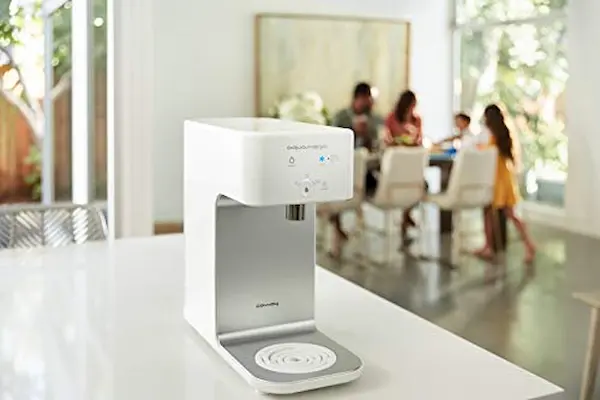
Small appliances can upgrade your daily cooking routine fast, yet the smartest purchases happen when you choose features for your real habits instead of buying the fanciest option.
Better decisions come from a calm process that helps you compare features, read reviews, and do a warranty check before your budget disappears into “almost-right” gadgets.
Why small appliances are easy to buy and hard to love

Many kitchen gadgets look perfect online or in-store because the marketing highlights best-case scenarios, while the day-to-day experience depends on your space, your recipes, and your tolerance for cleanup.
Regret often shows up when a product is powerful but inconvenient, because an appliance that is annoying to store, loud to use, or difficult to wash will quietly stop earning its place.
Overspending happens when features sound impressive but do not match your actual cooking frequency, because paying more only makes sense when you will truly use the benefits repeatedly.
Frustration also appears when expectations are unclear, because “it can do everything” sometimes means “it does many things poorly,” especially with cheaper multi-function appliances.
Confidence improves when you choose deliberately, because a practical kitchen gadget guide focuses less on hype and more on fit, reliability, and total cost over time.
Common signs you are about to buy the wrong appliance
- You cannot describe the exact weekly use case, because vague plans like “I’ll use it a lot” tend to fade once the novelty wears off.
- Storage has not been considered, because counter clutter and cabinet battles can make even a great blender feel like an inconvenience.
- Cleanup time is unknown, because complicated disassembly and hard-to-reach crevices become deal-breakers after the first few uses.
- Accessory needs are unclear, because extra blades, filters, trays, or proprietary containers can quietly raise the real cost of ownership.
- Warranty details feel like an afterthought, because skipping a warranty check can turn a small failure into a full replacement expense.
Smart shopping for small appliances begins with a needs checklist
Choosing the right appliance is easier when you define success in advance, because clear needs turn browsing into targeted comparison instead of endless scrolling.
Practical needs usually fall into capacity, power, convenience, and durability, because those four areas determine whether the appliance will feel helpful or frustrating.
Budget decisions become calmer when you decide your “must-haves” first, because you stop paying extra for features that sound fun but do not change outcomes.
Needs checklist you can complete in ten minutes
- Define the primary job in one sentence, because “smoothies every morning” is clearer than “I want a blender.”
- Estimate weekly frequency honestly, because using an appliance twice a year should not be funded like a daily workhorse.
- Choose the maximum space you can give it, because physical fit determines whether it stays accessible or gets buried and forgotten.
- Set a cleanup tolerance level, because the best appliance is the one you will actually wash without resentment.
- Identify the loudness sensitivity in your household, because powerful motors and high heat can be noisy in small homes or early mornings.
- Decide whether speed matters or consistency matters more, because some appliances deliver fast results while others deliver better texture or more control.
- List any non-negotiable safety needs, because heat shields, auto shutoff, stable bases, and lock systems can be important in busy kitchens.
- Write a realistic budget range, because price compare only works when you know what you can comfortably pay without stretching for features you will not use.
Printable-style needs worksheet
NEEDS WORKSHEET (SMALL APPLIANCES)

Primary job:
Weekly frequency:
Who will use it:
Counter or cabinet space available:
Max acceptable height/width (approx):
Cleanup tolerance (low / medium / high):
Noise tolerance (low / medium / high):
Capacity needed (single / couple / family):
Power needed (light / medium / heavy):
Non-negotiable safety needs:
Budget range (comfortable):
Warranty preference (basic / strong / must-have):
Clarity from this worksheet makes every later step easier, because you will compare features against your needs instead of comparing products against each other aimlessly.
Kitchen gadget guide: choose the right type before comparing brands
Category decisions shape everything, because the “best” toaster is useless if what you really needed was a countertop oven or an air fryer that can handle your typical portions.
Confusion drops when you map your needs to the simplest category that can do the job, because simpler tools often deliver better reliability and lower long-term headaches.
Multi-function appliances can be smart when the functions are truly used, because buying one device instead of three saves space and sometimes money, although it can also concentrate risk into a single failure point.
Quick category match list for common goals
- For smoothies, sauces, and soups, a blender or immersion blender often fits, because liquid-based blending relies on motor strength and blade design.
- For bread, bagels, and simple breakfasts, a toaster is common, because consistent browning and ease of use matter more than advanced modes.
- For crisping and fast weeknight cooking, an air fryer or convection countertop oven can help, because convection heat speeds cooking while reducing oil needs.
- For coffee routines, a drip maker, espresso machine, or grinder may fit, because your taste preferences and time constraints determine the best setup.
- For chopping and dough prep, a food processor can be ideal, because bowl capacity and feed tube design change usability dramatically.
- For quick rice and one-pot meals, a rice cooker or multi-cooker works, because stable temperature control and timing features reduce effort.
Questions that reveal the right category fast
- Ask which task currently annoys you most, because the best appliance solves a real pain point rather than adding a new project.
- Consider whether you want a single-purpose tool or flexible tool, because flexibility can increase storage needs and learning curve.
- Think about portion sizes you cook most often, because capacity mismatches create wasted time, uneven results, or leftovers you did not plan for.
- Decide how much control you want, because more control can mean better outcomes but also more knobs, modes, and complexity.
Compare features the smart way: focus on outcomes, not buzzwords
Feature comparison becomes meaningful when you tie each feature to a real outcome, because buzzwords like “professional,” “turbo,” or “advanced” do not guarantee better daily results.
Power is useful but not universal, because wattage numbers can be misleading across designs, and performance also depends on blade geometry, airflow, and heat distribution.
Usability often beats raw specs, because an appliance that is easy to operate and easy to clean will be used more frequently than an impressive machine that feels like work.
Core feature groups to compare across most small appliances
- Capacity and size matter, because the appliance must fit both your recipes and your kitchen storage without becoming a constant obstacle.
- Performance design matters, because heating elements, motors, and airflow patterns determine speed, consistency, and texture.
- Controls and modes matter, because clear controls reduce mistakes and reduce the mental effort required to get reliable results.
- Cleanup design matters, because dishwasher-safe parts, smooth surfaces, and fewer crevices reduce friction after cooking.
- Materials and build quality matter, because sturdier hinges, thicker plastics, and stable bases usually improve lifespan and reduce wobble.
- Safety features matter, because heat, blades, and pressure require sensible protections that match your household.
- Warranty and support matter, because repairability and replacement policies change whether the purchase is low-risk or high-risk.
A simple scoring method that keeps decisions neutral
- Give each appliance a score from 1 to 5 for “fit to needs,” because a perfect machine is meaningless if it does not match how you cook.
- Give a score from 1 to 5 for “ease of use,” because complicated daily operation reduces long-term satisfaction.
- Give a score from 1 to 5 for “cleanup ease,” because cleanup is the most common reason appliances stop being used.
- Give a score from 1 to 5 for “durability signals,” because stable build quality and consistent reports suggest fewer failures.
- Give a score from 1 to 5 for “warranty strength,” because better coverage reduces anxiety for higher-cost items.
- Add the scores and divide by price, because value is the relationship between usefulness and cost, not a single number on a tag.
Smart shopping for small appliances: blender features to compare
Blenders vary widely because the same “blender” label can include a lightweight smoothie maker, a strong countertop blender, or a system designed for nut butters and thick frozen mixes.
Motor strength matters for dense tasks, because crushing ice, blending frozen fruit, and making smooth soups require torque and stable blade speed.
Jar shape matters more than many expect, because vortex formation and ingredient circulation affect how evenly the blend happens without constant stopping and scraping.
Blender checklist: the features that change results
- Jar capacity should match your portion sizes, because oversized jars waste space while tiny jars create multiple batches and extra cleanup.
- Blade design should match your typical ingredients, because thicker blades and stronger couplings often handle frozen items better.
- Speed control range helps, because gentle starts reduce splashing while higher speeds improve smoothness for tougher ingredients.
- Pulsing control matters, because pulsing can chop and mix without overheating blends or turning everything into uniform mush.
- Tamper compatibility can help for thick blends, because a tamper reduces the need to add extra liquid just to keep things moving.
- Noise level should be considered, because high-performance blenders can be loud enough to disrupt early mornings or shared living spaces.
Blender use-case match guide
- For quick smoothies with soft fruit, a basic blender can work, because the ingredients do not demand extreme torque.
- For frozen smoothie bowls and thick blends, a higher-performance blender helps, because thickness exposes weak motors quickly.
- For soups and sauces, heat tolerance and easy pouring matter, because hot liquids require stable jars and safe lids.
- For nut butters and dense mixes, durability and overheating protection matter, because sustained blending can stress motors.
Smart shopping for small appliances: toaster features to compare
Toasters look simple, yet everyday satisfaction depends on browning consistency, slot size, and controls that match the bread you actually eat.
Cheap toasters can be fine, although uneven heating and weak levers become obvious quickly when you rely on toast for daily breakfasts.
Counter space matters here too, because wider toasters and longer-slot designs can crowd small kitchens if you do not plan placement.
Toaster features that matter more than fancy modes
- Slot width and depth matter, because bagels, thick slices, and artisan bread require enough clearance to toast without getting stuck.
- Even browning is essential, because patchy toast becomes annoying fast and often signals inconsistent heating elements.
- Lift height matters, because retrieving small items safely prevents burns and reduces the “shake the toaster” habit.
- Crumb tray design matters, because easy crumb removal reduces smoke and reduces fire risk over time.
- Controls should be readable, because unclear dials and vague buttons increase guesswork and inconsistent results.
Toaster buying decision rules
- Choose capacity based on morning traffic, because a family may prefer four slots while a single cook may prefer two slots and smaller footprint.
- Pick the simplest reliable control set, because modes you never use are not value, and simplicity often improves durability.
- Prioritize safety stability, because a sturdy base reduces tipping risk when kids or rushed mornings are involved.
- Include a warranty check for mid-range or premium models, because heating-element failures can be costly without support.
Air fryers, countertop ovens, and the “fast dinner” promise
Fast-cooking appliances can be a win when they match your portion size and cooking style, because speed without capacity often means multiple batches and more time than expected.
Air fryers vary in basket design and airflow, because true crisping depends on moving hot air efficiently around food without overcrowding.
Countertop ovens can be more versatile, because trays and racks handle broader shapes, yet the footprint can be larger than many kitchens can comfortably spare.
Air fryer and countertop oven features to compare
- Cooking capacity matters, because an appliance that cannot cook enough for your household can turn dinner into a long series of batches.
- Airflow design matters, because stronger circulation tends to produce better crisping with less shaking and less guesswork.
- Temperature accuracy matters, because inaccurate heat creates inconsistent browning and can dry food out unexpectedly.
- Basket and tray cleanup matters, because sticky coatings, tight corners, and non-removable parts increase cleanup pain.
- Preheat speed matters, because some models save time by heating quickly while others behave more like small ovens with longer warm-up.
- Safety features matter, because exterior heat and steam can be hazards without cool-touch surfaces and stable handles.
Portion-based decision guide for fast-cooking appliances
- For one or two people, a smaller basket can be efficient, because quick meals and small portions fit without wasted space.
- For families, larger capacity or oven-style designs help, because cooking everything at once reduces chaos and reduces the temptation to order takeout.
- For frequent roasting and baking, countertop ovens can win, because racks and trays handle more variety than baskets.
- For crisp snacks and quick sides, basket air fryers can shine, because they crisp reliably when not overloaded.
Read reviews like a practical cook, not like a panicked shopper
Reviews help most when you read them for patterns, because repeated comments about the same flaw usually predict your experience better than one dramatic complaint or one glowing praise.
Photos and long-form descriptions can be more valuable than star ratings, because real users reveal noise levels, cleanup effort, and size realities that listings often minimize.
Recent reviews matter, because manufacturing changes, supply shifts, or model updates can change quality even when the product name stays similar.
How to read reviews in a focused, time-saving way
- Start with three-star reviews, because balanced feedback often includes both strengths and frustrations in practical language.
- Scan for repeated themes about performance, because consistent notes like “doesn’t toast evenly” or “struggles with frozen fruit” are meaningful.
- Look specifically for cleanup and storage mentions, because daily friction is the most common reason appliances stop being used.
- Check for durability timelines, because comments like “failed after two months” or “still works after a year” reveal long-term value.
- Notice how sellers or brands respond to problems, because responsive support often reduces the stress of defects or missing parts.
Review red flags that deserve extra caution
- Repeated reports of early failure matter, because frequent breakdowns suggest weak components or inconsistent quality control.
- Recurring notes about missing parts matter, because missing accessories can delay use and create extra spending to replace essentials.
- Multiple complaints about overheating or burning smells matter, because safety and electrical reliability should never be compromised.
- Patterns of difficult returns matter, because a frustrating return experience can trap money in an appliance you do not want.
Questions to ask while reading reviews
- Does the reviewer cook like you cook, because a smoothie drinker and a soup maker can experience the same blender very differently.
- Does the reviewer mention portion size, because cooking for one and cooking for five create different capacity needs.
- Does the reviewer describe the learning curve, because complex controls can be fine when you enjoy tweaking, but frustrating when you want quick results.
- Does the reviewer mention noise and vibration, because loud appliances can be deal-breakers in apartments or early-morning routines.
Warranty check: reduce risk before you commit your budget
Warranty coverage is part of the product, because support determines whether a failure becomes a minor inconvenience or a full loss.
Short warranties can be acceptable for very low-cost appliances, although higher prices usually deserve stronger coverage and clearer service pathways.
Replacement parts availability matters, because small components like jars, trays, lids, and gaskets often fail before the core appliance does.
Registration requirements should be understood, because some warranties require online registration or proof of purchase within a limited time window.
Warranty check checklist before buying
- Confirm the warranty length, because longer coverage usually indicates more confidence from the manufacturer.
- Check what the warranty covers, because motor coverage, heating elements, and electronics often matter most for small appliances.
- Check what the warranty excludes, because normal wear parts, accidental damage, and misuse clauses can change your expectations.
- Confirm how service works, because mail-in repairs, replacement shipments, and local service options create very different experiences.
- Look for replacement parts availability, because jars, filters, and baskets often determine whether the appliance stays useful over time.
Support signals that often correlate with a better ownership experience
- Clear warranty language helps, because vague policies can turn a simple defect into an argument.
- Accessible customer service helps, because quick answers reduce downtime when the appliance is used frequently.
- Reasonable repair or replacement processes help, because complicated steps discourage follow-through and increase frustration.
- Spare part availability helps, because replacing one part can be far cheaper than replacing an entire appliance.
Energy and safety notes that protect both your home and your habits
Energy use matters when appliances run often, because small differences in efficiency can add up across daily coffee routines, frequent air frying, or long multi-cooker cycles.
Heat and electrical safety matter even more, because faulty cords, unstable bases, and overheating risks are not worth tolerating for any discount.
Ventilation matters for hot appliances, because trapped heat can damage cabinets, shorten appliance life, and create uncomfortable cooking conditions.
Safe habits also matter, because correct placement, careful cord management, and routine cleaning reduce risks significantly.
Practical safety checklist for small appliances
- Stable placement matters, because wobbly counters and crowded edges increase the risk of tipping, spills, and burns.
- Cord length and routing matter, because cords stretched across walkways invite accidents and tugging.
- Heat clearance matters, because air fryers and ovens need space around vents to avoid overheating surfaces.
- Auto shutoff and thermal protection matter, because these features reduce risk when distractions happen in real kitchens.
- Locking lids and interlocks matter for blenders and processors, because spinning blades should never run without secure assembly.
Energy-aware shopping tips that stay practical
- Choose the smallest appliance that meets your capacity needs, because heating or powering extra volume can waste energy and space.
- Prefer appliances that cook faster when you will use them often, because shorter cook cycles can reduce total energy use while also saving time.
- Pay attention to insulation and door seals on heated appliances, because better sealing often improves cooking consistency and reduces wasted heat.
- Keep realistic usage in mind, because an “efficient” appliance is only efficient if it actually replaces a less efficient method in your routine.
Total cost thinking: the price tag is not the full story
Smart budgeting looks beyond the initial price, because accessories, replacement parts, extended usage costs, and potential repairs change what you truly pay.
Storage solutions can add cost, because small kitchens sometimes require bins, shelves, or organizers to keep appliances accessible without clutter.
Replacement filters and consumables can add recurring costs, because some coffee and water-related appliances rely on ongoing purchases.
Hidden costs checklist to review before checkout
- Accessories you actually need, because a blender that requires a separate personal cup or a toaster that needs special racks can raise the total.
- Replacement parts likely to wear, because gaskets, blades, trays, and seals can wear out depending on frequency.
- Cleaning tools you might buy, because specialized brushes or descaling products can become routine purchases for certain categories.
- Counter space value, because sacrificing workspace may push you toward extra kitchen solutions that cost money and effort.
- Return shipping or restocking fees, because a painful return process makes experimenting expensive.
Value questions that keep spending neutral and practical
- Ask what problem the appliance solves today, because buying for an imaginary future kitchen often leads to unused gadgets.
- Ask how often it will be used within the next two weeks, because immediate use predicts long-term use better than wishful thinking.
- Ask whether it replaces another tool, because replacement purchases can justify higher quality while additive purchases can create clutter.
- Ask whether cleanup will be acceptable after a tired day, because tired-day realism prevents “I never feel like using it” outcomes.
Decision examples: feature comparison checklists by appliance type
Feature lists help you stay focused, because a clear checklist prevents sales language from turning the decision into an emotional swirl.
Neutral comparison works best when you apply the same questions to each option, because consistency reduces bias and reduces the temptation to justify overspending.
Universal comparison checklist you can reuse for any small appliance
- Does it fit the needs worksheet, because fit is the foundation of satisfaction.
- Does it fit your space, because a great appliance that cannot live conveniently will not be used.
- Does it match your portion sizes, because capacity mismatches create wasted effort or wasted food.
- Is it easy to clean, because friction after cooking often determines long-term ownership happiness.
- Do reviews show consistent performance, because consistent performance matters more than rare best-case praise.
- Is warranty coverage acceptable, because warranty check results change your risk level immediately.
- Is the total cost acceptable, because accessories and shipping can move the purchase outside your budget without you noticing.
Blender comparison mini-checklist
- Frozen performance feels strong, because weak blenders struggle with ice and thick mixes.
- Jar design circulates well, because good circulation prevents constant stopping and scraping.
- Controls feel intuitive, because daily use should not require re-reading the manual.
- Parts are easy to wash, because sticky smoothies and nut butters punish complicated designs.
Toaster comparison mini-checklist
- Slots match your bread, because narrow slots create daily annoyance.
- Browning is even, because uneven toast is a constant low-grade frustration.
- Crumb tray is easy, because crumbs and heat are a safety issue over time.
- Lift is safe, because burns are not worth tolerating for convenience.
Air fryer or countertop oven comparison mini-checklist
- Capacity suits your household, because batch cooking can erase time savings.
- Airflow and crisping reviews look consistent, because crisp results depend on circulation more than marketing claims.
- Controls are clear, because confusing presets lead to inconsistent outcomes and wasted food.
- Cleaning surfaces are friendly, because grease and crumbs build up fast in hot appliances.
How to shop calmly when you feel tempted by upgrades
Upgrades are persuasive because they promise a better version of your cooking life, yet a neutral approach asks whether the upgrade changes your everyday outcomes enough to justify the cost.
Feature creep happens when you keep adding small improvements, because each “only a little more” step can push the total far beyond your original budget.
Confidence comes from a decision rule, because rules reduce the mental energy required to hold the line in the face of shiny extras.
Upgrade decision rules that prevent overspending
- Pay extra only for features you will use weekly, because occasional benefits rarely justify meaningful price jumps.
- Pay extra for durability when replacements are painful, because a broken daily appliance creates stress and emergency spending.
- Pay extra for safety improvements when relevant, because safe kitchens are worth more than minor savings.
- Skip upgrades that add complexity without clear benefit, because complicated gadgets often become unused gadgets.
- Stop comparing once an option meets your needs well, because endless comparison increases fatigue and weakens good judgment.
After you buy: setup habits that protect your investment
Ownership satisfaction improves when setup is intentional, because a thoughtfully placed appliance with organized accessories becomes easy to use, easy to clean, and easy to keep.
Returns become easier when you act quickly, because testing within the return window gives you a safety net if the fit is wrong.
Maintenance prevents performance decline, because crumbs, grease, dull blades, and mineral buildup can make a good appliance feel worse over time.
Post-purchase checklist for smooth ownership
- Test the appliance within a few days, because early testing keeps return options open and reduces regret risk.
- Store the manual and receipt information in one place, because warranty check follow-through often requires proof of purchase.
- Assign a storage home for accessories, because loose parts get lost and missing parts reduce use.
- Clean it once immediately after the first use, because a “first cleanup” routine builds the habit that keeps appliances from becoming burdens.
- Set a simple maintenance reminder if needed, because descaling, blade checks, and crumb tray cleaning protect performance and safety.
Frequently asked questions about smart shopping for small appliances
Is it better to buy one multi-function appliance or several single-purpose tools?
Multi-function appliances can be smart when you will truly use the core functions regularly, while single-purpose tools often deliver better performance with fewer compromises and simpler cleanup.
How many reviews are enough to read before buying?
A focused scan of balanced reviews plus a search for recurring complaints is usually enough, because the goal is spotting patterns about performance, durability, and usability rather than reading everything.
What matters more, power or build quality?
Power matters for demanding tasks, yet build quality often determines how long the appliance stays reliable, which is why a balanced comparison that includes durability and warranty check results is safer.
How do I know if an appliance will fit my kitchen?
Measuring the intended space and comparing it to the product dimensions is the most reliable approach, because photos rarely convey true size and awkward fit creates daily friction.
Important notice about independence and third parties
Notice: this content is independent and does not have affiliation, sponsorship, or control by any institutions, platforms, brands, or third parties mentioned or implied.
No relationship or control exists between this article and any manufacturer, retailer, marketplace, or service you may choose to use, so all choices should be based on your own needs and judgment.
Closing: choose fewer gadgets, choose better fit, and enjoy the results
Smart shopping for small appliances becomes simple when you start with a needs checklist, compare features that change real outcomes, read reviews for patterns, and complete a warranty check before paying.
Better kitchen days follow naturally when your appliances match your habits, because the right blender, toaster, or fast-cooking tool should reduce effort and increase confidence without stretching your budget.